




Border Delays Lead To Hours Of Service Concerns
Truckers continue to experience delays at U.S. borders in the wake of last week's terrorist attacks as the U.S. Customs Service remains on a high security alert. Government officials said they will take the delays into account when enforcing hours of service regulations
Truckers continue to experience delays at U.S. borders in the wake of last week's terrorist attacks as the U.S. Customs Service remains on a high security alert. Government officials said they will take the delays into account when enforcing hours of service regulations.
The U.S. Customs Service is on a "Level 1 Alert." Although security is tighter at both the Mexican and Canadian borders, the delays seem to be the worst at the northern border. Where truckloads of auto parts previously were allowed through with a quick glance at paperwork, now papers and cargoes are being scrutinized. With delays of as long as 15 hours reported, both U.S. and Canadian drivers last week were finding it impossible to comply with hours-of-service regulations, and just-in-time deliveries that were nowhere near in time were wreaking havoc on manufacturing plants. Salvation Army volunteers served food and beverages to stranded truckers, while shuttle buses took them to portable toilets.
Representatives from the American Trucking Associations and the Canadian Trucking Alliance met with the Federal Motor Carrier Safety Administration Monday, asking for hours-of-service exemptions for drivers stuck in border-crossing delays. The agency assured ATA that FMCSA enforcement personnel will consider the effect of these border delays in their enforcement of hours of service regulations.
According to ATA, FMCSA will consider enforcement relief in the following situations:
The enforcement relief will apply only to a 50-mile radius from the port of entry through which the driver entered the U.S.
Drivers will only be allowed up to two additional hours within the 50-mile radius to either find a safe and secure place to stop and rest and/or make the delivery.
The relaxation of enforcement will impact truck crossings at select ports of entry experiencing extreme delays which, at present, include Lewiston, N.Y., Peace Bridge, Buffalo, N.Y., the Windsor Tunnel and Ambassador Bridge in Detroit, Blaine, Wash., and Blue Water Bridge, Sarnia, Mich.
Motor carriers will have to provide proof that the violation occurred as a direct result of the delay at a port of entry. The proof should include a notation on the driver's logbook, and a manifest and bill of lading.
This HOS enforcement relief is only a temporary measure during this period of "level one" high security at ports of entry.
Customs is working to move extra inspectors to each of these congested crossings and open all lanes for trucks. Although the backups are slowly getting better, delays are still long. Monday morning's worst-hit crossings were the Buffalo Peace Bridge and the Queenston-Lewiston Bridge in New York. Delays early in the day ranged from 12 hours at Queenston-Lewiston to nine hours at the Peace Bridge.
While some New York border crossings are using New York National Guardsmen to help move traffic, almost all of the state's forces have been deployed to New York City. U.S. Customs has moved 30 additional inspectors and 40 National Guardsmen to the Ambassador Bridge in Detroit to keep traffic flowing. Monday morning, officials reported two-hour delays southbound. At the Windsor Tunnel, delays were four hours.
For more information:
U.S. Customs: www.customs.ustreas.gov/news/sept11/sep11infof.htm
Canada Customs and Revenue Agency: www.ccra-adrc.gc.ca/customs/general/times/menu-e.html.
Ontario border site:www.solicitorgeneral.msg.gov.on.ca.
Information on the Detroit-Windsor Tunnel crossing is available by radio at WJR-AM 760.
More Drivers
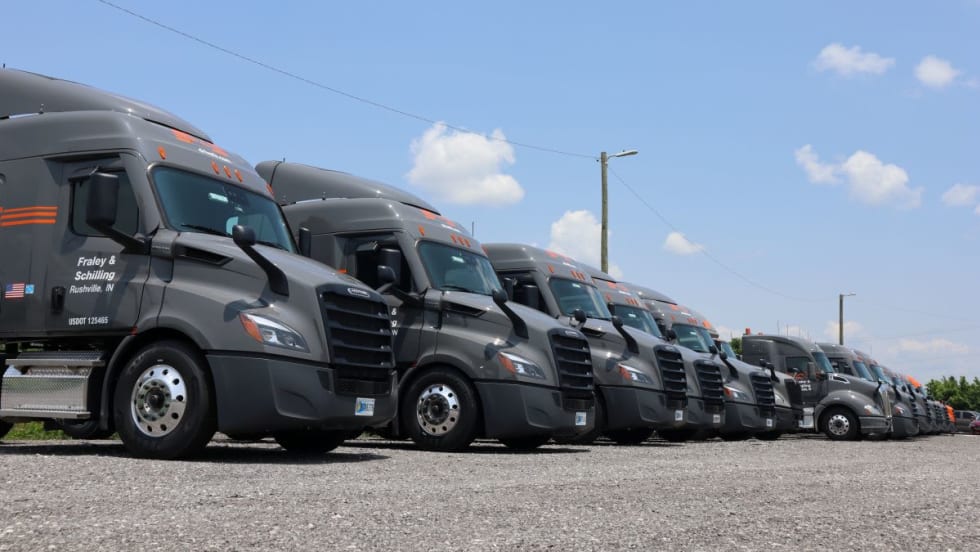
How Fraley & Schilling Improved Logbook Compliance by Over 50%
Fraley & Schilling needed a way to close a compliance workflow gap in its ELD system without adding more work from driver training, reminders, and back-office follow-ups. It found the answer in a custom driver app.
Read More →
Volvo Goes Gaming
Volvo has roared into American Truck Simulator with two new flagship trucks.
Read More →
What the Best Fleets to Drive For Teach About Driver Retention
Survey fatigue, AI-powered routing, owner-operator expectations, and the decline of social media all emerged as themes from this year's Best Fleets to Drive For program.
Read More →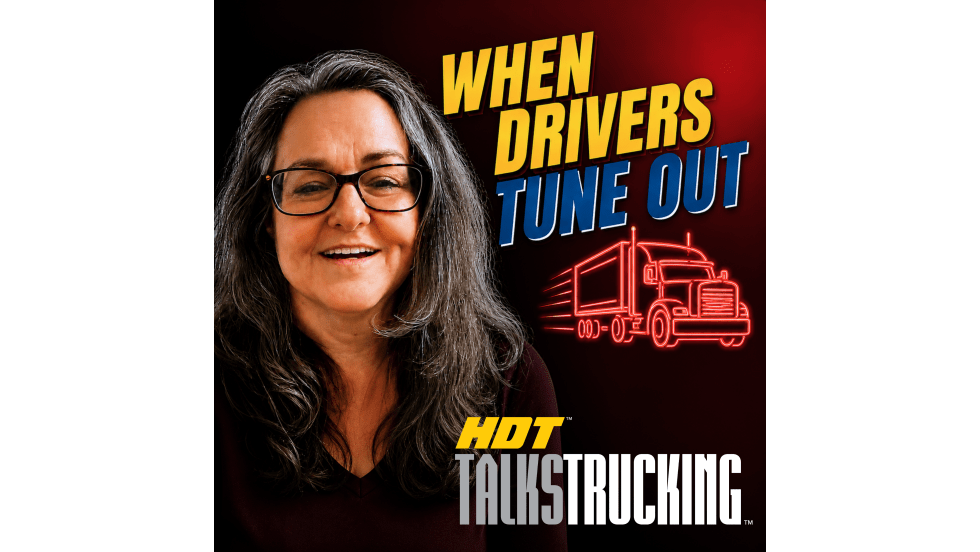
Driver Retention Lessons From the Best Fleets to Drive For
What separates trucking's best workplaces from the rest? Jane Jazrawy shares the biggest lessons from this year's Best Fleets to Drive For program on driver retention, communication, AI, and workforce trends on the HDT Talks Trucking podcast.
Read More →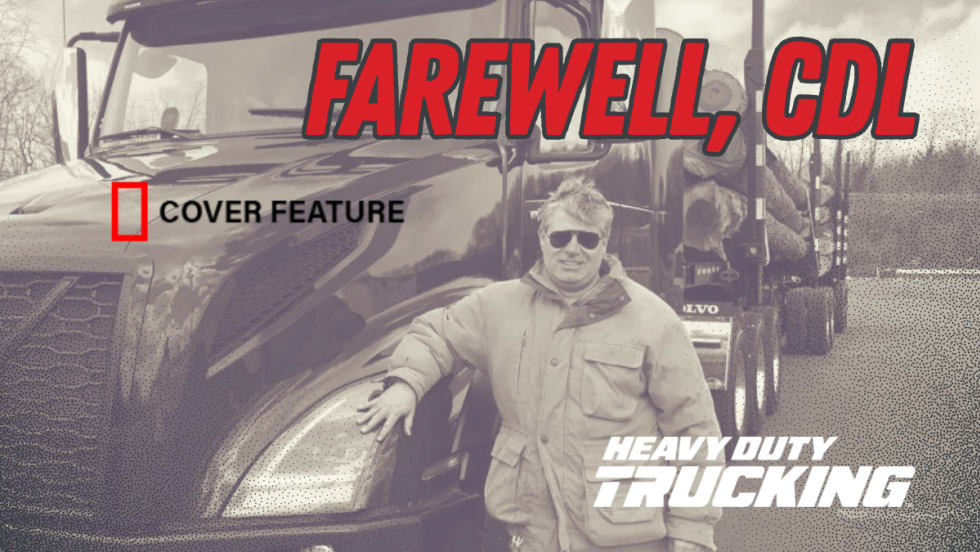
Farewell, CDL: Why I'm Giving Up My Commercial Driver's License
After more than 20 years as a CDL holder, HDT Executive Editor Jack Roberts is letting his commercial license expire. Not because he wants to — but because trucking's nuclear verdict crisis has made the risks of public-road test drives too great for editors, manufacturers, and everyone involved.
Read More →
How Top Trucking Fleets Improve Driver Retention [Video]
What do healthy snacks, optimized routing, and just picking up the phone have in common? They're all strategies the Best Fleets to Drive For are using to retain truck drivers.
Read More →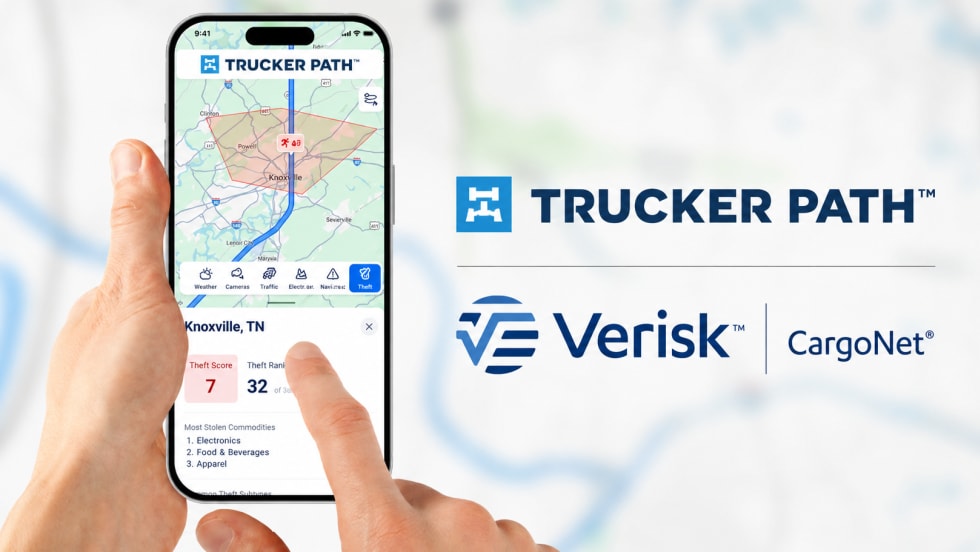
Trucker Path Adds Verisk CargoNet Theft Data to Navigation Platform
Trucker Path’s new cargo theft risk overlays give drivers and fleets visibility into high-risk areas, stolen commodity trends, and theft hotspots.
Read More →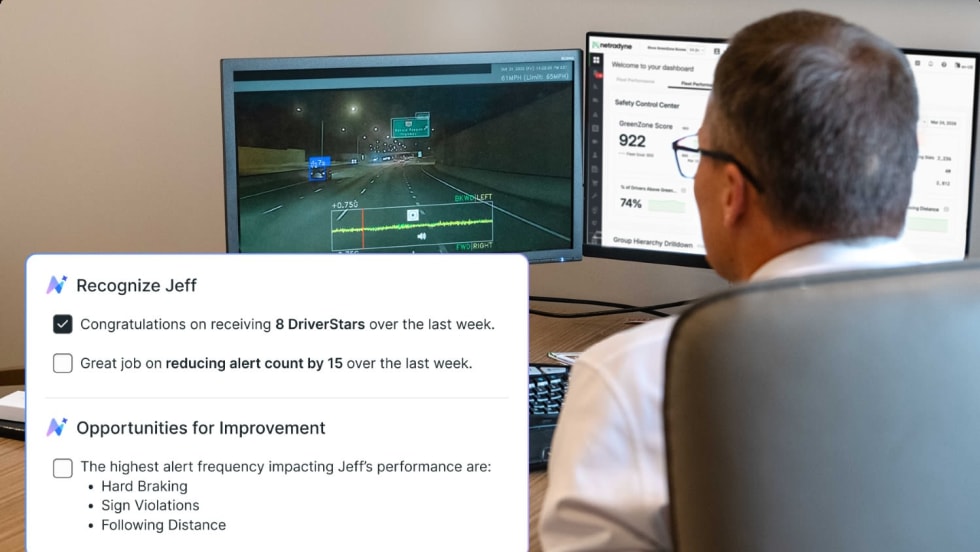
Netradyne Intelligence Uses New AI Agents to Automate Response to In-Cab Camera Data
The company called the next-generation in-cab camera safety platform "a fundamental shift from systems that report on what happened to systems that actively drive what should happen next."
Read More →
Why Truck Detention Keeps Costing Fleets Time and Money
A 2024 ATRI study found detention affects nearly 40% of truckload stops and costs the industry more than $15 billion annually. Despite the toll on drivers, fleets, and supply chains, the problem remains stubbornly persistent.
Read More →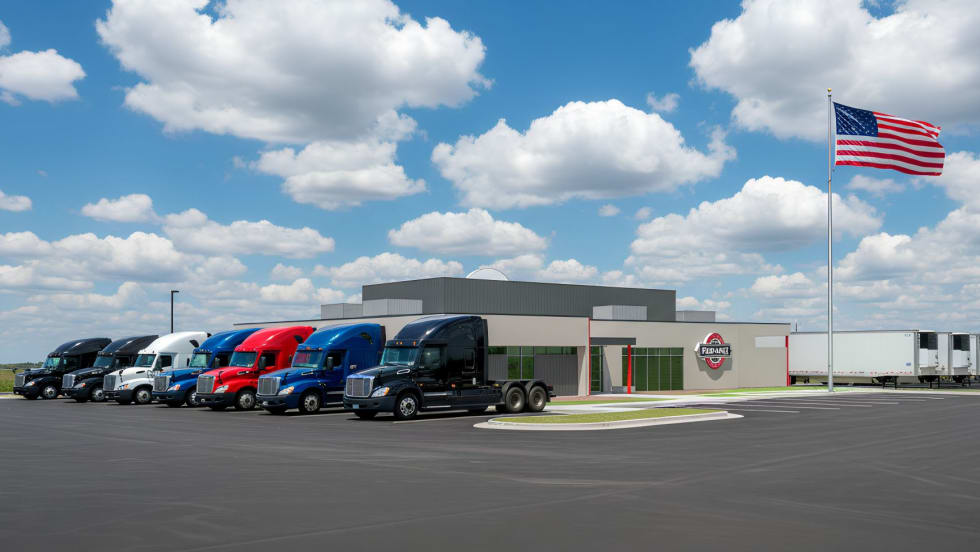
Prime Inc. to Open $7.9M Flagship Used-Truck Dealership
A new driver-focused facility to sell Prime Inc's used trucks and trailers will be the first purpose-built location in the company's history.
Read More →