




Bill Would Make Larger Truck Pilot Program Permanent
U.S. Sens. Patrick Leahy (D-Vermont) and Susan Collins (R-Maine) announced they will introduce a bill making permanent a now-expired federal pilot program allowing heavier trucks to use the Interstate system in Maine and Vermont
U.S. Sens. Patrick Leahy (D-Vermont) and Susan Collins (R-Maine) announced they will introduce a bill making permanent a now-expired federal pilot program allowing heavier trucks to use the Interstate system in Maine and Vermont.
"The higher truck weight standards in surrounding states create problems in Vermont when those trucks have to detour through our small towns on local roads," said Leahy. "The hodge podge of disjointed rules that has evolved in our region does not work for anyone, especially the communities that have had to absorb the added traffic. By now, neighbors like New York, New Hampshire, Massachusetts and Quebec all have permanent exemptions from federal Interstate weight limits. That means heavier trucks must travel over our smaller roadways, creating traffic and safety concerns and taking a toll on our already overburdened roads and bridges. The Vermont pilot program has proved itself, and it's time to make it permanent."
Leahy and Collins authored legislation in the 2010 federal transportation budget bill that created a one-year pilot program in Vermont and Maine to study the effects of moving overweight truck traffic off state highways and onto federally funded Interstates. Their pilot program, which allow 100,000-pound, six-axle trucks on Maine's Interstates and 108,000- to 120,000-pound six-axle trucks in Vermont, expired in mid-December. It was blocked from being renewed in late December when Republican senators derailed a bill that included a measure by Leahy and Collins to extend the program.
Current federal law restricts trucks weighing more than 80,000 pounds from regularly using the nation's Interstate highway system. But portions of the Interstate network in neighboring states allow higher-weight trucks to operate on those Interstates due to special circumstances, from tolling to grandfather clauses.
Last year the White House released a statement that supported making the Leahy-Collins programs in Vermont and Maine permanent.
During a news conference Monday morning, Champlain Oil Company Vice President Bryan Cairns explained that during the Vermont pilot program, Champlain Oil Company saved 43,400 gallons of diesel fuel and traveled 320,000 fewer miles because the pilot program allowed them to deliver more efficiently.
The two leading transportation legislators from the Vermont State Legislature, Vermont State Senator Richard Mazza (D-Grand Isle), chairman of the Vermont Senate Transportation Committee, and Representative Pat Brennan (R-Colchester), chairman of the Vermont House Transportation Committee, explained that the Vermont Legislature supports trying to move heavy truck traffic off state highways and onto the Interstate system - and has been considering state efforts to accomplish the goal.
More Drivers
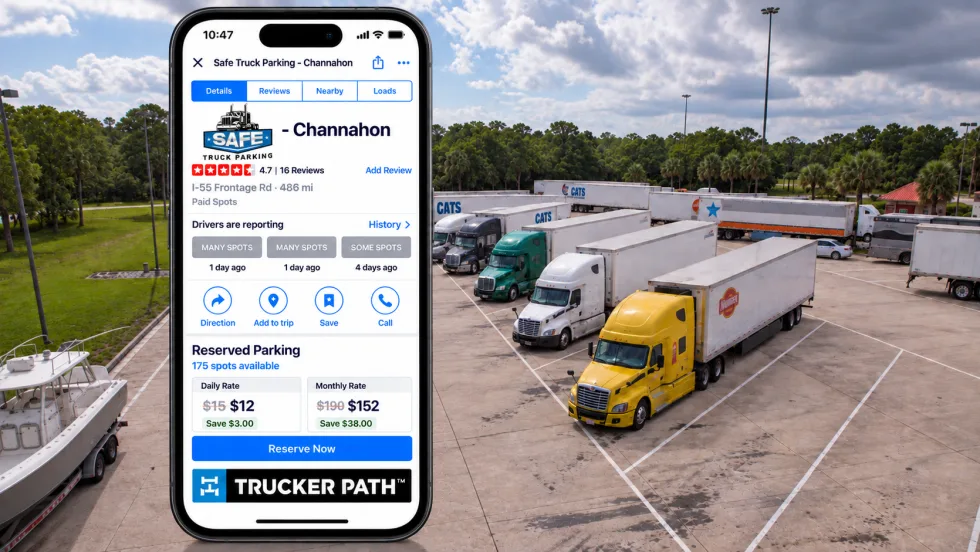
Trucker Path Expands Reserved Parking Network
Trucker Path has added close to 6,000 more truck parking spaces to its Trucker Path Reserved Parking Network with the addition of Safe Truck Parking.
Read More →
EEOC Sues Texas Trucking Company Over Driver Age Limits
The agency says Trancasa USA rejected applicants over 65 and applied tougher driving-record standards to those over 60.
Read More →
Nussbaum, Roehl Announce Second Driver Pay Increase This Year
This year has seen a swath of major truck driver pay increases as freight capacity has tightened.
Read More →
From One Generation to the Next: How Mentorship Builds Safer Truck Drivers
After three decades in trucking, Harold Perry shares what he's learned about driver safety, mentorship, and helping the next generation build confidence behind the wheel.
Read More →
Truck Drivers Need More Than Another Alert
Fleets have more visibility into truck health, safety events, and driver activity than ever. The next challenge is turning all that information into useful guidance for the person who has to decide what to do next.
Read More →
FMCSA Removes 110 Truck Driver Training Schools from Certified ELDT List
Federal regulators also are targeting more than 160 additional training providers and launching a nationwide audit of third-party CDL skills testers as part of a broader crackdown on trucking fraud.
Read More →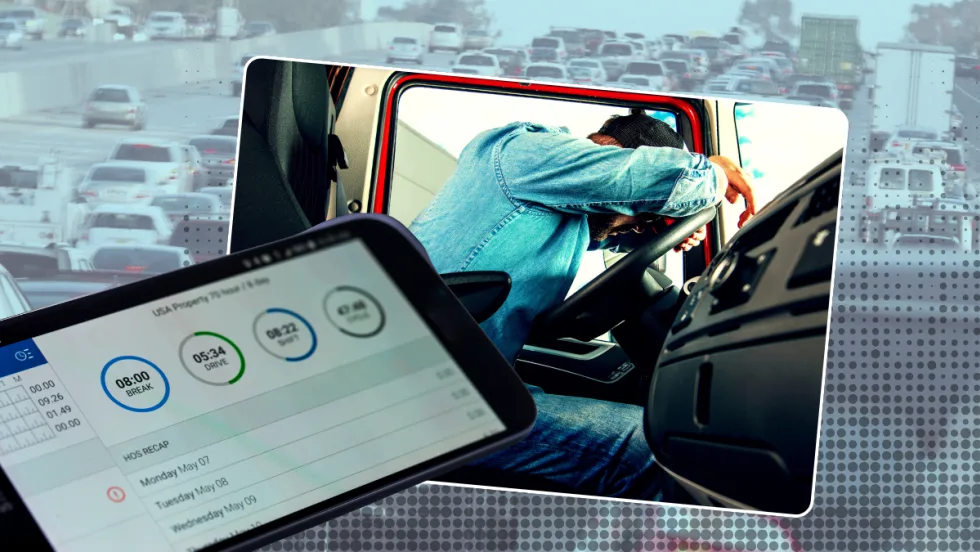
Hours of Service Pilot Programs: FMCSA Readies for 2027 Rollout
Two pilot programs could eventually reshape hours-of-service rules, giving truck drivers options to pause their 14-hour clock or use longer split sleeper rest periods.
Read More →
Medical Cards, English Proficiency Reshape Roadcheck Violations
Medical-card violations jumped to the top of the driver out-of-service list during CVSA’s 2026 International Roadcheck, while English-language proficiency violations appeared among the leading violations for the first time.
Read More →
Driver Trust Can Make or Break the Success of Fleet Safety Technology
New Teletrac Navman research suggests that onboarding, transparency about driver data, and positive feedback can play a significant role in how commercial drivers respond to safety and coaching technology.
Read More →
EEOC Sues KLLM Over Alleged Sex Discrimination in Driver Training
KLLM is facing a federal sex-discrimination lawsuit over policies the EEOC alleges put female truck driver trainees at a disadvantage.
Read More →