




Bay Area Air District Allocates $5 Million to Reduce Truck-Related Emissions
The Bay Area Air Quality Management District announced that it will allocate $5 million dollars to fund more of the truck replacement applications received during the recent Goods Movement Program solicitation. The funds will be used to assist Bay Area truck owners in meeting the state’s approaching air quality mandates.


The Bay Area Air Quality Management District announced that it will allocate $5 million dollars to fund more of the truck replacement applications received during the recent Goods Movement Program solicitation. The funds will be used to assist Bay Area truck owners in meeting the state’s approaching air quality mandates.
The Bay Area Air Quality Management District is the regional agency responsible for protecting air quality in the nine-county Bay Area.
In 2008, the California Air Resources Board approved a truck and bus regulation to significantly reduce particulate matter and oxides of nitrogen emissions from diesel vehicles operating within California. The regulation applies to nearly all older diesel-fueled trucks and buses weighing more than 14,000 pounds and requires them to reduce emissions by either installing a particulate filter, a new engine or replacing the truck.
Over the last five years, the Bay Area Air District has made a concerted effort to work with truckers and fleet owners in facilitating compliance with the law. Over $32 million dollars in incentive funding has been distributed towards installing particulate filters, installing new engines and replacing older on-road trucks. Approximately 90 tons of truck-related particulate pollution has been reduced thus far.
More Fuel Smarts
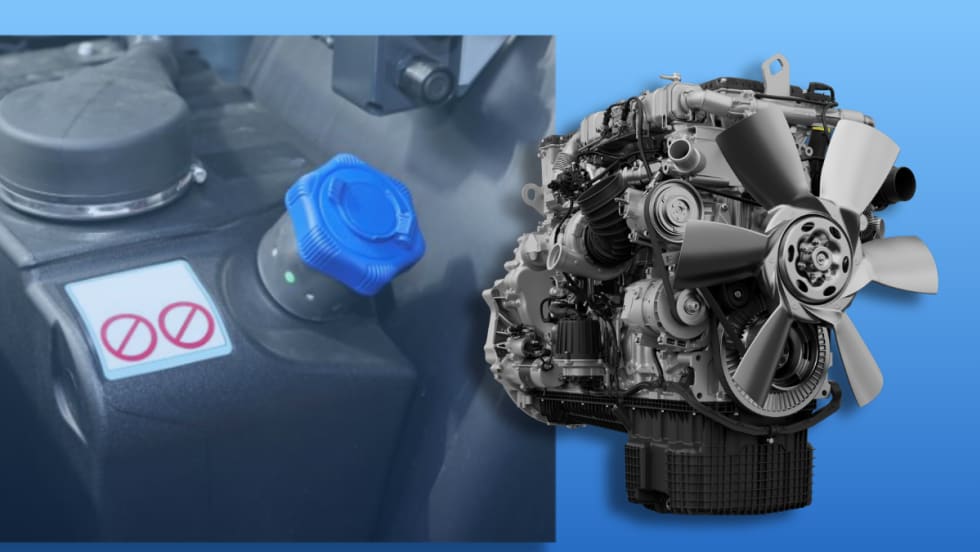
DTNA Software Update Gives Truckers More Time Before DEF Derates Take Effect
The changes reflect EPA guidance aimed at reducing downtime caused by emissions-system faults while maintaining compliance requirements.
Read More →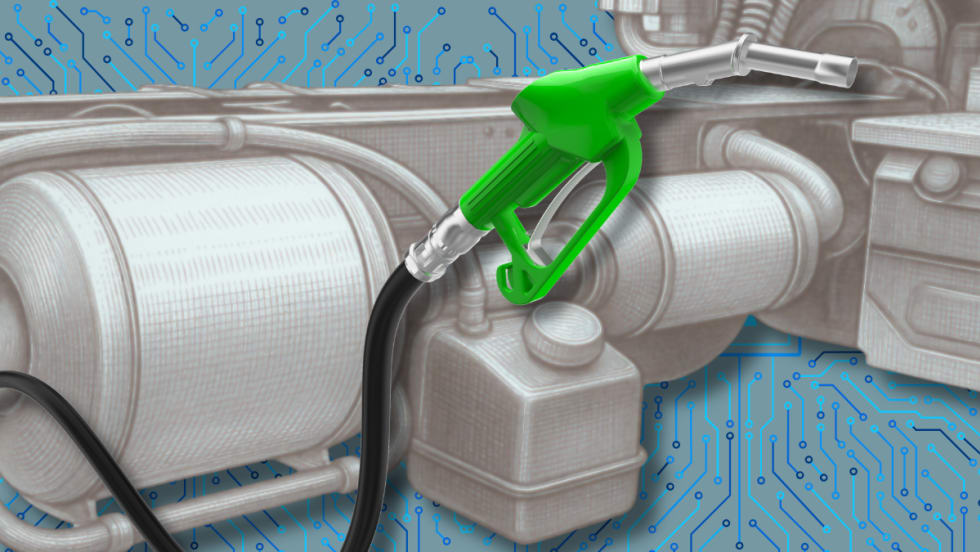
New Agentic Predictive Maintenance Report Demonstrates How Degraded Aftertreatment Systems Waste Fuel
Questar analyzed a large mixed-class fleet and discovered it was wasting as much as $30 in fuel per vehicle, per day, because of mechanically degraded aftertreatment systems.
Read More →
New York City's Microhub Project is Delivering Results
Trucking, last-mile delivery companies, and environmental advocates like what they are seeing so far with New York's microhub program.
Read More →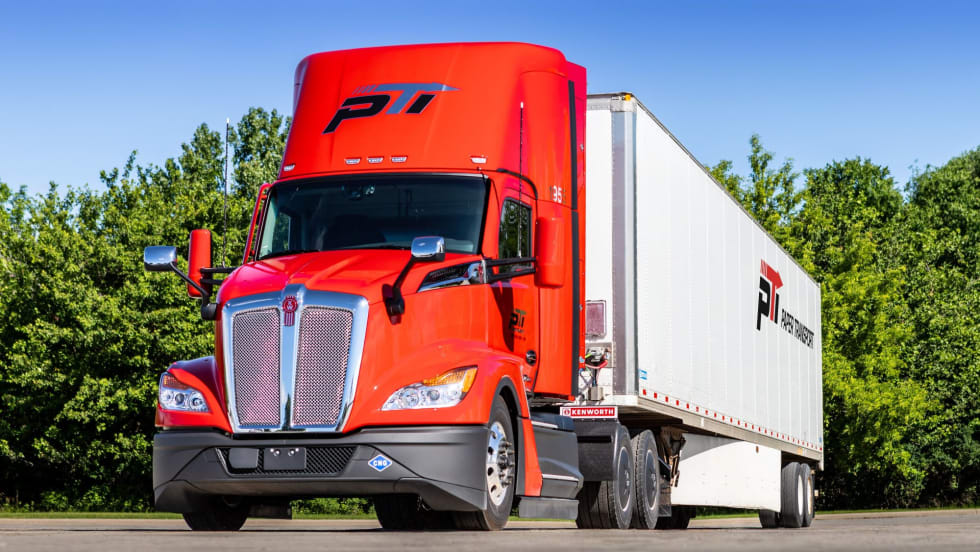
Lessons Learned About Alternative Fuels: Start Small, Stay Flexible
Practical advice on adopting alternative fuels and ZEVs from HDT's 2026 Top Green Fleets, from renewable diesel and natural gas to electric trucks.
Read More →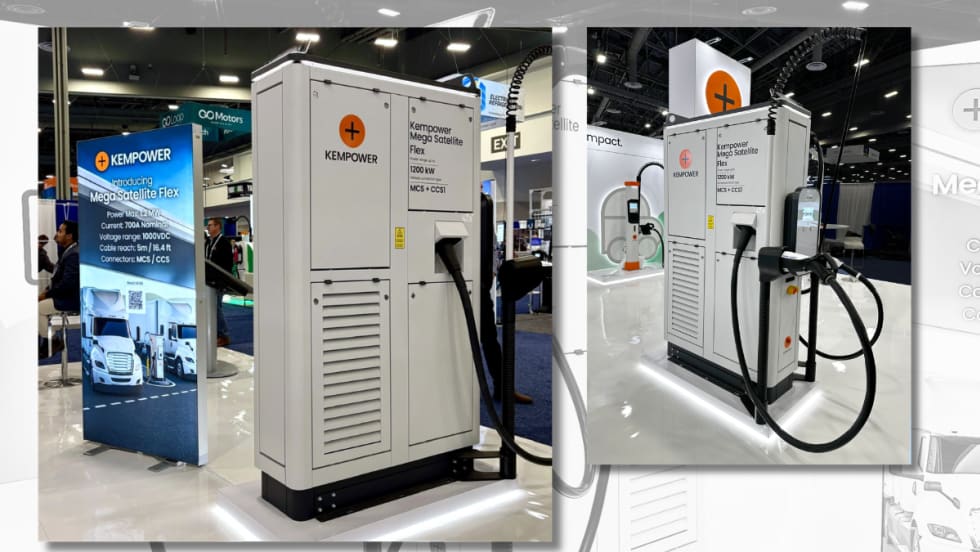
Kempower Adds Flex EV Charger to Help Support Transition to Megawatt Charging
The Kempower Mega Satellite Flex has both a CCS and MCS connector, allowing operators to serve both types of heavy-duty vehicles.
Read More →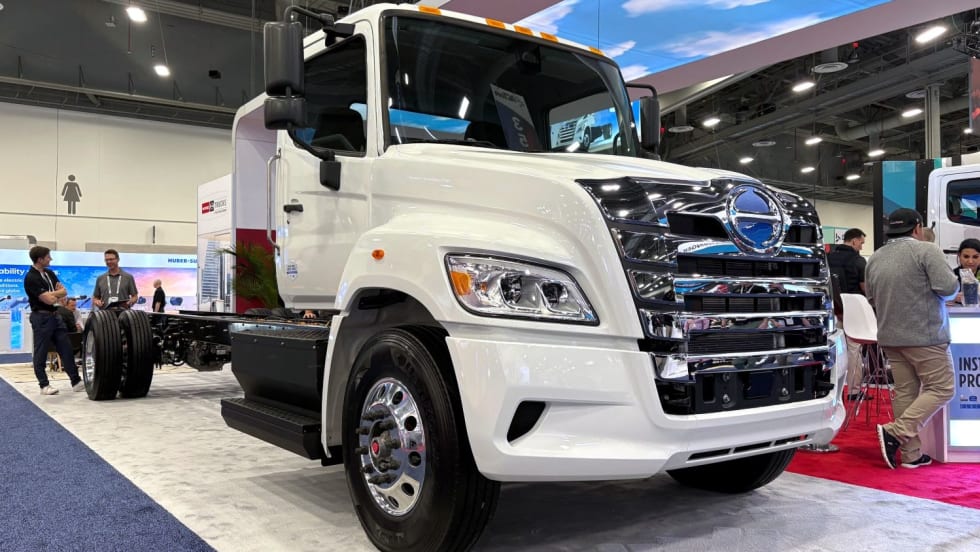
Hino Adds Electric Class 6/7 Truck
Hino says the Le Series is an important step in the company's efforts to reduce environmental impact and support its customers’ sustainability goals.
Read More →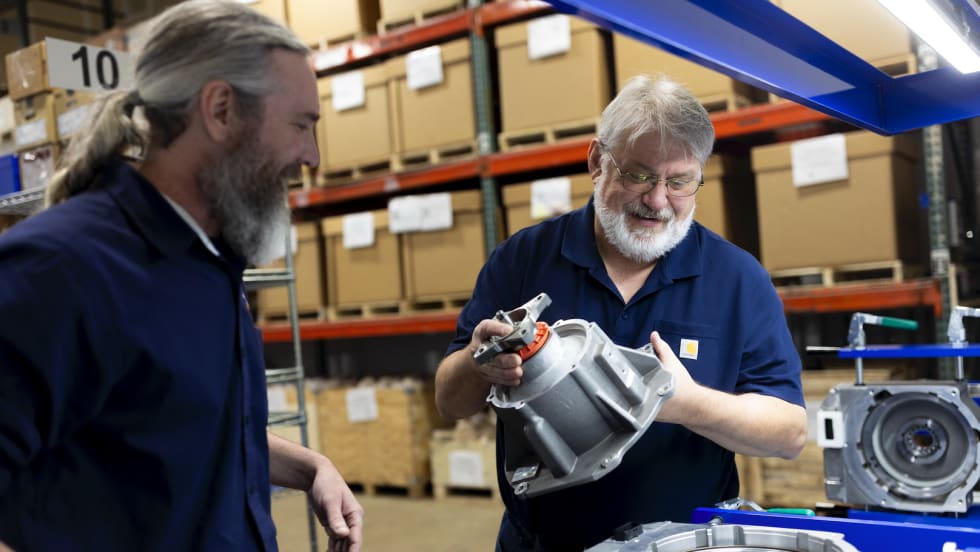
Can Multi-Speed EV Transmissions Solve Heavy Trucking’s Biggest Electric-Vehicle Problems?
A startup called Sigma Powertrain believes purpose-built multi-speed gearboxes can boost efficiency, reduce battery size and improve gradeability for heavy-duty battery-electric trucks.
Read More →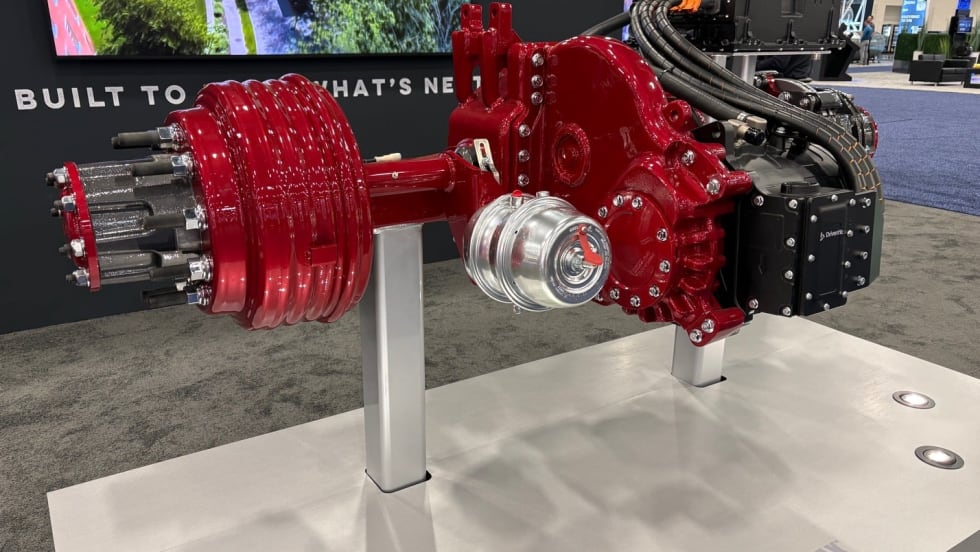
Hendrickson Debuts Electraax E-Axle for Medium-Duty Trucks
Developed with Driventic, Hendrickson's new integrated e-axle is designed to improve efficiency, reduce weight, and extend range in Class 6-7 EV applications.
Read More →
50 Ways Fleets Can Cut Fuel Costs Now — Without Buying New Trucks
Fuel savings don’t come from one big change. They come from dozens of small ones. Here’s how leading fleets are stacking gains across drivers, routing, maintenance, and more.
Read More →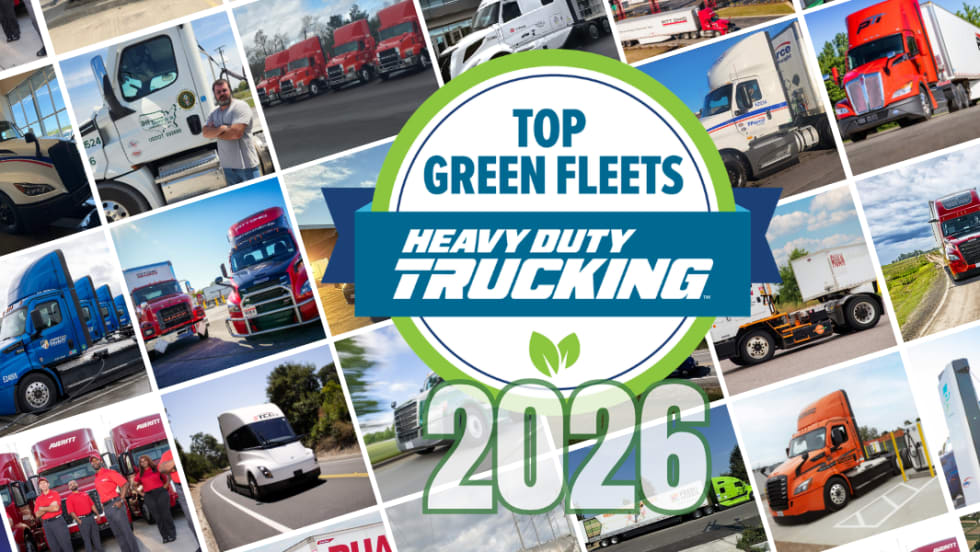
Top Green Fleets 2026: How Fleets Are Reducing Emissions in the Real World
What works in sustainable trucking today? Heavy Duty Trucking's Top Green Fleets are finding practical ways to cut fuel use, reduce emissions, and keep freight moving.
Read More →