




Aviation Bill Sailing on Without Trucking Rest-Break Rider
Yet again, lobbying efforts to insert language that would once and for all keep states from preempting federal motor-carrier regulations into other legislation have fallen short on Capitol Hill.


Trucking will have to wait for yet another bill to tack a preempttion-reform rider onto-- or press the rest-break related issue directly wth the Department of Transportation.
Photo: File
Yet again, lobbying efforts to insert language that would once and for all keep states from preempting federal motor-carrier regulations into other legislation have fallen short on Capitol Hill.
Trucking lobbies have been pushing hard for Congress to more directly address state preemption ever since a 2015 Supreme Court ruling upheld a California statute requiring a paid 10-minute rest break every four hours and a paid 30-minute meal period every five hours for truck drivers.
The main avenue of attack on Capitol Hill has been to attach a rider— an amendment— to various pieces of legislation (including highway bills and prior FAA bills) that called for preventing states from enacting their own meal and rest break rules for CDL drivers and, in some cases, prohibiting states from requiring that those drivers be paid certain types of added compensation, such as detention pay.
Despite their commonsensical appeal and the compelling constitutional argument they make for federal oversight of interstate commerce, none of these tacked-on proposals have survived being run through the legislative maw on Capitol Hill.
The latest case again centers on an FAA bill. But why would an aviation bill carry a trucking rider? Well, that’s because a “preemption provision” to address the issue of states attempting to override federal regulation of interstate commerce had been included in the original FAA Authorization Act (FAAAA) of 1994.
This time around, aiming to rack up some ‘wins’ before the mid-term elections, the Republican leaders who control the agenda on both sides of Capitol Hill opted to steer the new FAA five-year FAA package through Congress as quickly and smoothly as possible by not allowing any riders whatsoever to be attached to either the House or Senate versions of the FAA Reauthorization Act of 2018 (H.R. 302).
On Sept. 26 by a wide (398 to 23) margin, the House approved H.R. 302 and sent it to the Senate for a final vote.
While rest-break rule reform is thus now DOA within the FAA bill, trucking lobbies that have been fighting for years to get unequivocal language included in federal law are far from throwing in the towel.
For example, in a Sept. 25 message to members of the American Trucking Associations, President and CEO Chris Spear said that ATA has been “working with Congress on this issue for three years” and would now be “pivoting” its strategy by also filing a petition with the Department of Transportation to seek “preemption of California’s redundant meal and rest break requirements.”
He said ATA’s petition relies on section 31141, title 49 of the United States Code, “under which the Secretary of Transportation has the authority to determine that state laws on commercial vehicle safety that conflict with federal safety standards or burden interstate commerce may not be enforced.”
Spear added that ATA’s argument is that “duplicative state break requirements undermine safety— the primary purpose of the Department’s regulation of commercial vehicles— and unreasonably burden interstate commerce, by interfering with uniform, clear federal requirements.”
He also noted that although ATA’s “champions in the House and Senate were unable to move the language over the goal line, they continue to support our [rest-break exemption] position. As a result, House and Senate leaders delivered a strong bipartisan letter to Secretary [Elaine] Chao asking for her full and fair consideration of the industry’s petition.”
Related: The Long Ride up Capitol Hill for Trucking's Preemption Rider
More Fleet Management

How Innovative Trucking Leaders Turn Change Into an Advantage
As the pace of change accelerates in trucking, the fleets that adapt best have more than the latest technology. They have cultures that embrace improvement.
Read More →
Freight Broker Bonds Just Got Harder to Get. Here's What That Means for Your Fleet.
When it gets harder for a freight broker to prove they are financially sound, the ones who cannot clear that bar get pushed out of the market. And those are exactly the brokers who used to leave motor carriers holding the bag.
Read More →
Long-Awaited Canadian Border Bridge to Open in Detroit
For trucking, the bridge opening should offer immediate improvements in efficiency and reliability, with new customs facilities, expanded inspection capacity, and direct freeway-to-freeway connections.
Read More →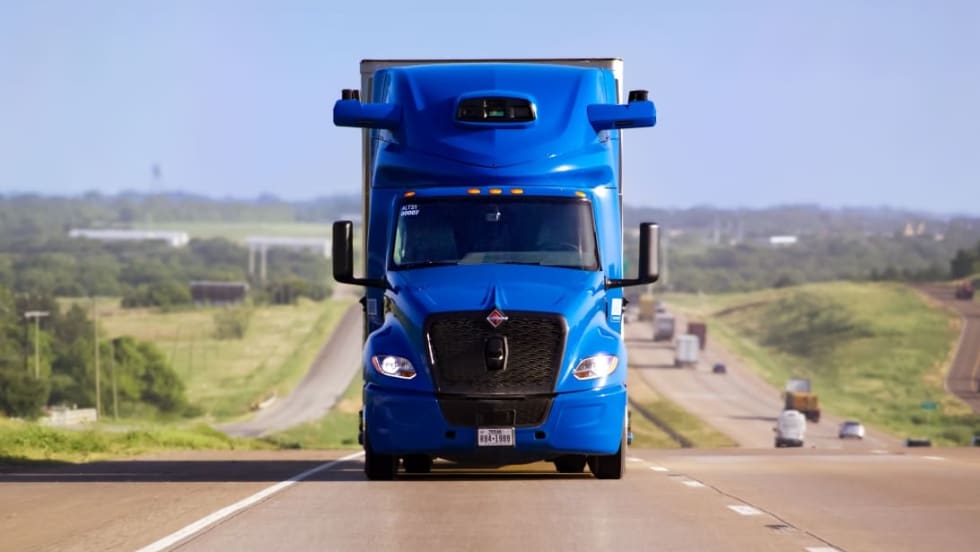
Aurora Rolls Out Next Generation of Driverless Trucks for Commercial Freight
Aurora's latest autonomous trucks it's rolling out with International feature lower-cost hardware designed for a million miles as the company expands commercial driverless freight operations across the U.S. Sun Belt.
Read More →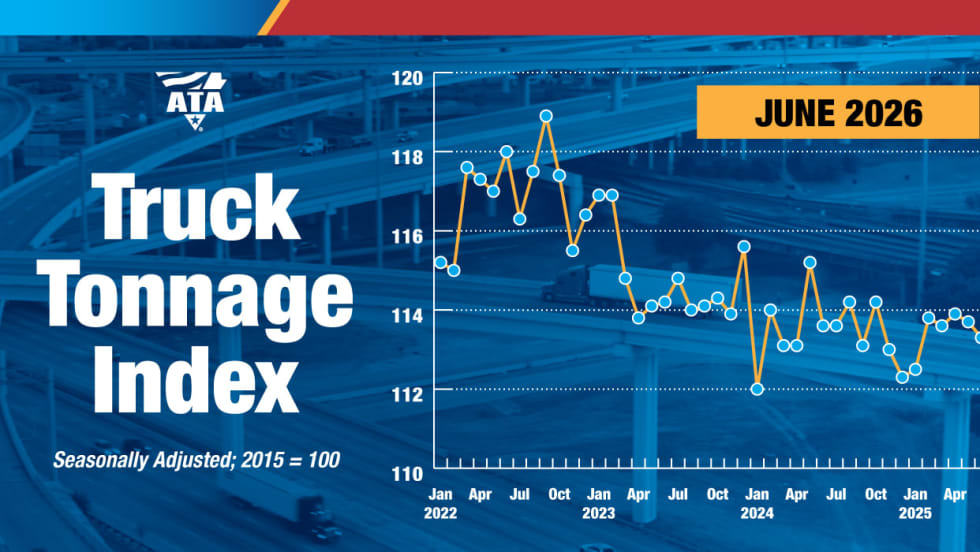
Freight Tonnage Down, Rates up, as Lower Capacity Powers Trucking Recovery
The recovery from the freight recession continues to be driven by reduction in capacity rather than by increased demand.
Read More →
Think Your Trucking Fleet Isn't Using Much AI? Think Again
Shadow AI — the use of unauthorized artificial intelligence tools at work — is becoming increasingly common, putting sensitive company data at risk. Learn how trucking fleets can protect sensitive data while embracing AI.
Read More →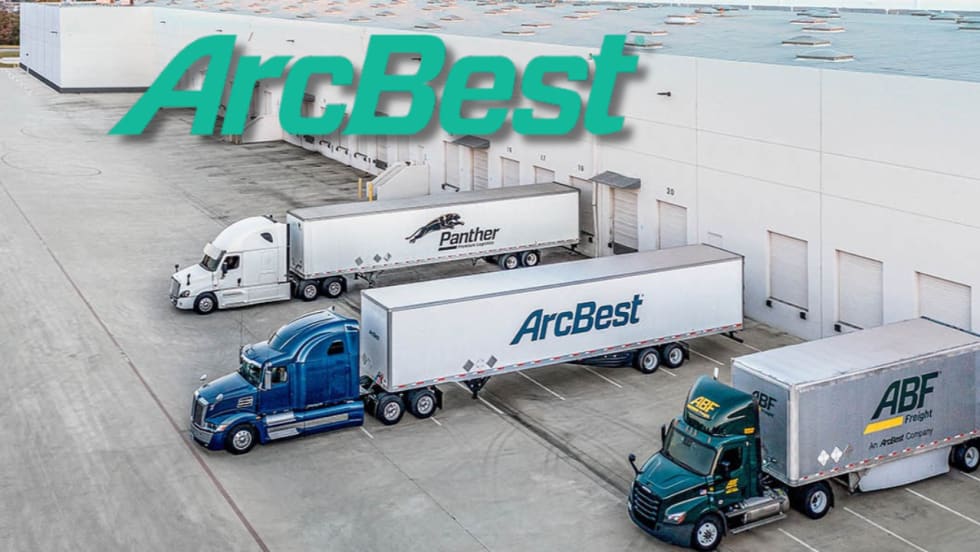
ArcBest Consolidates Brands, Cuts Workforce
The company will bring three business units under the ArcBest brand, eliminate about 2% of positions, and expects the changes to generate $40 million in annual savings.
Read More →
Trucking Fleets Faced Record Operating Costs During Third Year of Freight Recession
ATRI's annual operational cost report shows carriers trimmed fleets, delayed equipment purchases, and ran older trucks as expenses continued to outpace freight rates.
Read More →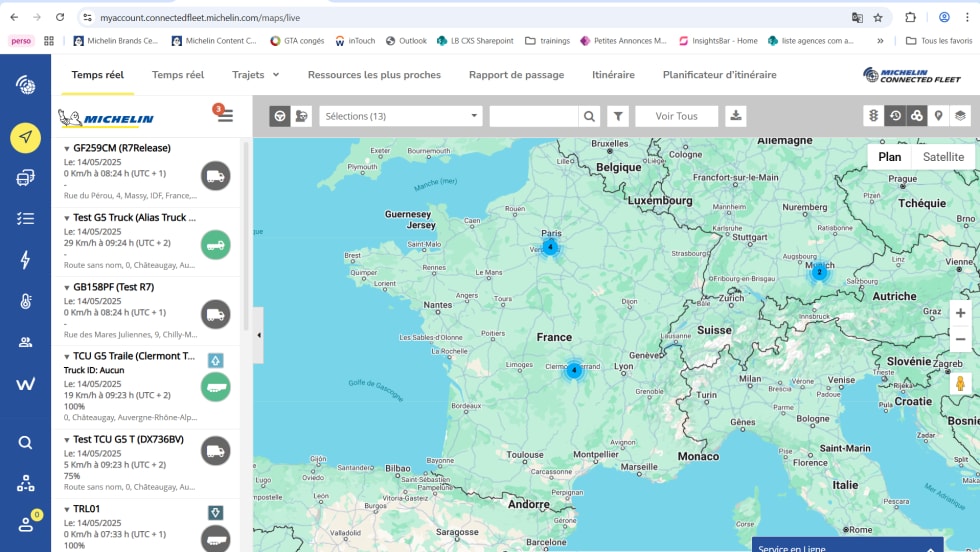
Michelin Adds AI Assistant to MyConnectedFleet Platform
Michelin’s new generative AI tool delivers instant fleet insights, helping managers analyze fuel use, tire maintenance, vehicle status, and operational performance without manually creating reports.
Read More →
LytxOne Platform Now Features AI, Compliance, and Asset Tracking Tools
New enhancements add AI-powered insights, asset tracking, compliance automation, and configurable privacy controls to Lytx's all-in-one fleet management platform.
Read More →