




ATRI: Class 8 Carriers Hesitant of ADAS Adoption
Some of the concerns in implementing advanced driver assistance system technologies were driver control concerns, cost and lack of driver acceptance, according to ATRI.


Some of the concerns in implementing advance driver assistance system technologies were driver control concerns, cost and lack of driver acceptance, according to ATRI.
Illustration: Bosch
While the industry is ready with advanced driver assistance system technologies (like active braking, steering and warning systems), and Class 8 trucks are generally capable of accepting them, adoption of ADAS is lacking today, according to data presented during a virtual session at the ATA Technology & Maintenance Council’s spring meeting.
So what’s stopping motor carriers from adopting ADAS systems that are meant to increase safety and assist drivers?
According to data from the American Transportation Research Institute, the most influential factor for motor carries that have decided not to purchase and use ADAS systems was their belief that a driver’s control could be compromised. This concern came from both drivers and motor carriers alike.
“What you see here is a misunderstanding [in how the systems operate],” said Dan Murray, senior vice president of ATRI, during the session. “We have a lot of work cut out for us … educating, increasing awareness, and most importantly, conveying accurate, real world information to offset a lot of these misunderstandings and concerns.”
The second and third factors, respectively, were the cost of the technology and issues maintaining the technology.
“[Motor carriers] generally look at very forward-looking issues, how am I going to maintain and repair these systems — there’s almost no one out there today in the technician world that knows how to quickly fix at least video optics and radar, and in some instances, even laser lidar,” Murray explained.
Other factors that made the list were reliability concerns, the inability to deactivate the technology, lack of acceptance from drivers, and the possibility of having no return on the investment.
With the driver shortage topping ATRI’s list of industry concerns for four years in a row, Murray said any technology implementation that has the potential to drive away more drivers is going to be last thing that carriers invest in.
“We have to educate carriers on driver acceptance, and to do that we’ve got to educate drivers on the benefits. Motor carriers are astutely aware that driver acceptance is going to make or break this adoption program very quickly,” he said.
A Move to Educate
In order to promote adoption of ADAS systems in Class 8 vehicles, and educate the industry on the technology’s benefits, the Federal Motor Carrier Safety Administration released four videos and guides. The guides provide information on the safety benefits of ADAS, as well as the return on investment expectations.
The program was released through FMCSA’s Tech-Celerate Now initiative, which was developed to increase voluntary adoption of ADAS among fleets and owner-operators in order to reduce fatalities, injures and crashes.
ATRI, the American Trucking Associations, TMC and the Owner-Operator Independent Drivers Association Foundation are leading the program.
More Equipment
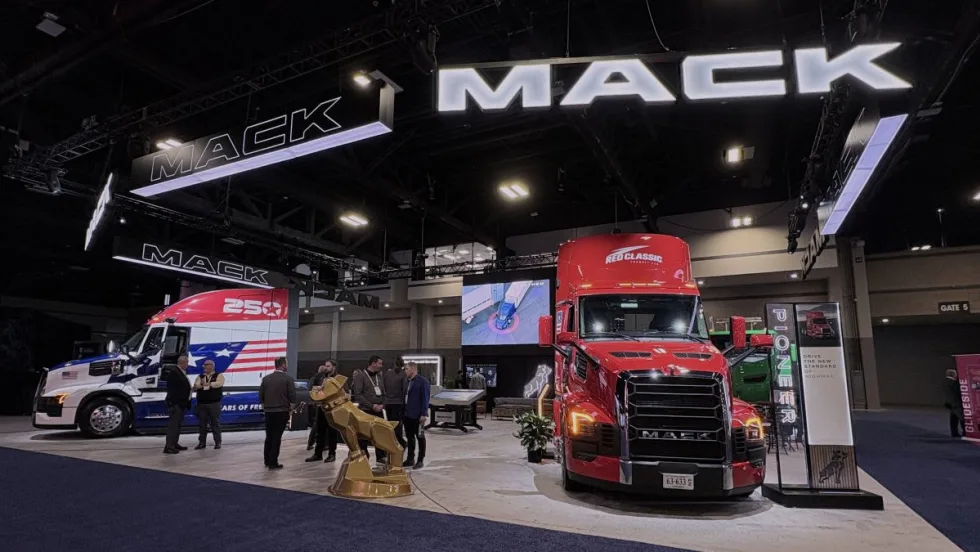
Trucks at ATA's 2026 MC&E in Charlotte, North Carolina [Photos]
From rigs decked out in patriotic America's 250 paint schemes to autonomous trucks and more, check out these photos from ATA's 2026 Management Conference & Exhibition.
Read More →
Help HDT Find Trucking’s Top Products
Have you come across a new product that could make a difference for trucking fleets? Nominate it for HDT’s 2027 Top 20 Products Awards by November 9.
Read More →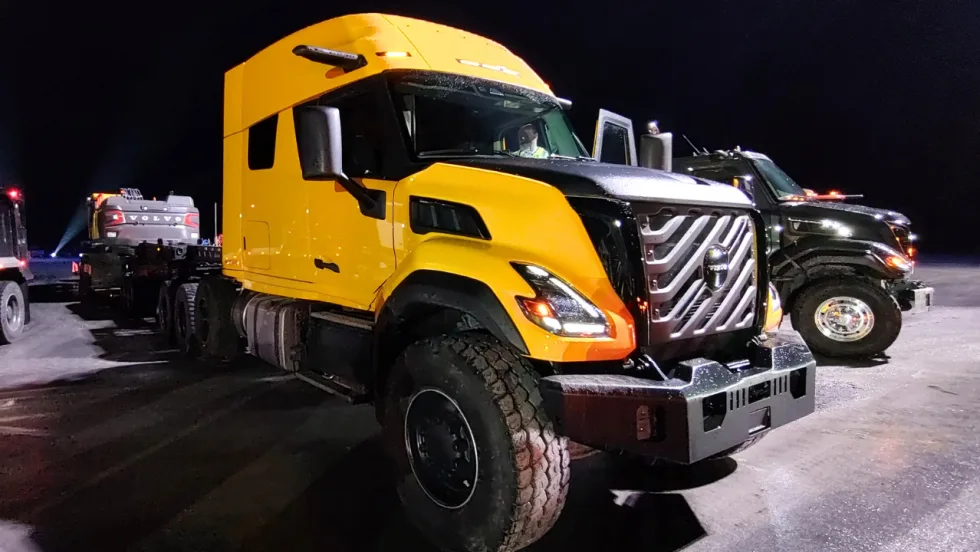
Volvo Unveils New VNX Heavy-Haul and Vocational Truck
Volvo Trucks has launched the VNX, a new vocational truck also available as a tractor in day cab and two sleeper configurations, with one heavy-haul model. The Volvo VNX is powered by Volvo's D13 platform, which delivers up to 540 horsepower and 1,950 pound-feet of torque and is EPA 2027-compliant.
Read More →
How GP Transco Cuts Trucking Fuel Costs, a Tenth of a Gallon at a Time
What’s another tenth of a mile per gallon worth? GP Transco shares how equipment upgrades and driver coaching turn small gains into meaningful fuel savings.
Read More →
Electric Yard Tractors Move Beyond Pilots
Operating-cost savings have overtaken sustainability goals as the leading reason surveyed fleets are adopting battery-electric terminal tractors, according to new NACFE research.
Read More →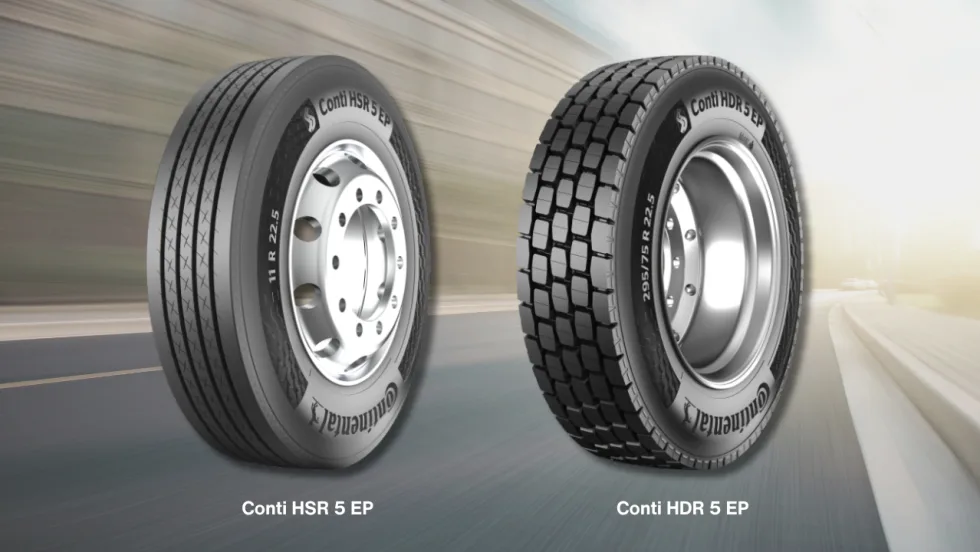
Continental Introduces New Regional Truck Tires
Continental says its new Generation 5 steer and drive tires for regional operations offer longer tread life, with estimated mileage gains of 22% and 19%, respectively.
Read More →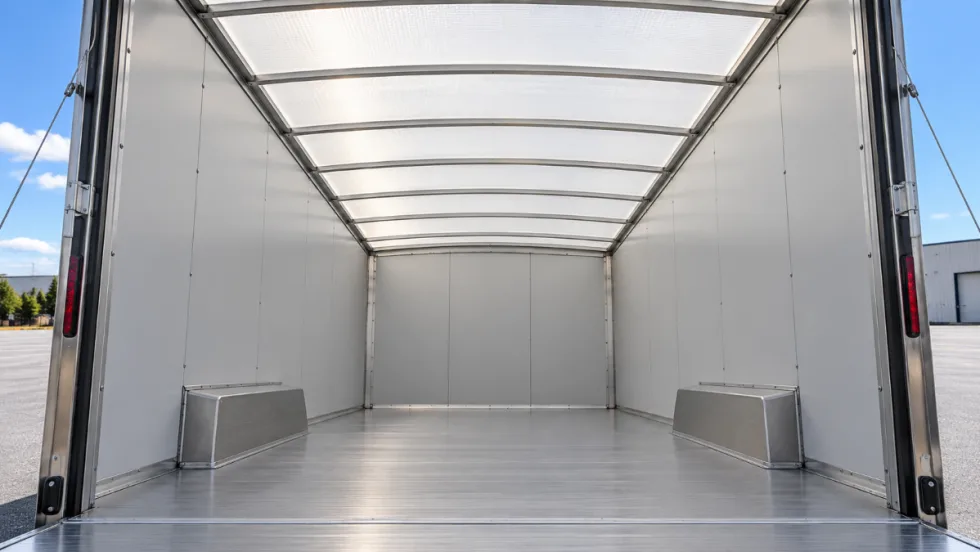
Tekmodo Introduces CargoBright Brand for Translucent Trailer Roofs
CargoBright is designed to diffuse daylight across the cargo area while performing as a working vehicle roof.
Read More →
Fleet Economics Shape Electric Truck Outlook
ACT Research expects costs, charging infrastructure, and technology improvements to drive zero-emission commercial vehicle adoption as federal regulations and incentives retreat.
Read More →
Kodiak Targets Dallas–Houston for Driverless Trucks
The company says its autonomous trucks are completing the I-45 run without a safety observer taking control. It plans to remove the observer by the end of 2026.
Read More →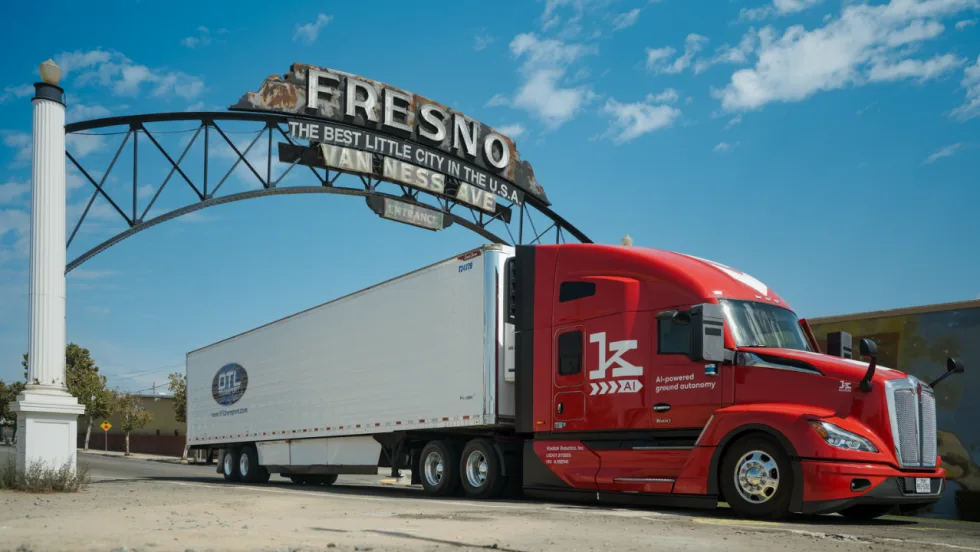
Kodiak Hauls Produce in California Autonomous Truck Pilot
Kodiak AI and DTL Transport have begun hauling produce between Fresno and Los Angeles under California’s new rules for testing heavy-duty autonomous trucks. A safety driver remains behind the wheel.
Read More →