




ATA's Graves Predicts Industry Rebirth Among Challenges
Predicting the trucking industry will soon see a rebirth, much like the magical phoenix bird of legend that gives the Arizona city its name, American Trucking Associations President and CEO Bill Graves offered his views on the state of the industry during ATA's annual management conference this week
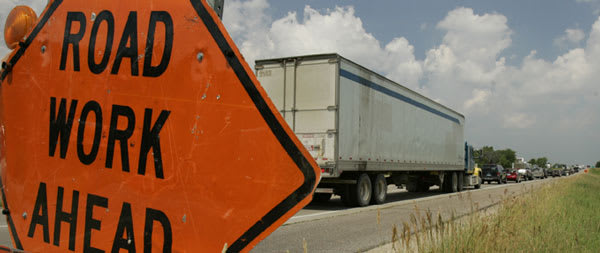
ATA's Bill Graves predicts an industry rebirth among challenges -- including the question of how to pay for infrastructure improvements. (Photo courtesy Michelin)
Predicting the trucking industry will soon see a rebirth, much like the magical phoenix bird of legend that gives the Arizona city its name, American Trucking Associations President and CEO Bill Graves offered his views on the state of the industry during ATA's annual management conference this week.
"In the last two years, we've experienced the worst recession in most of our lifetimes, political gridlock as slowed our nation's democratic process to a snail's pace, creating tremendous unrest by our citizens - many of whom are 'mad as hell and not going to take it anymore,'" Graves said. "And the proposed activist policy and regulatory agendy in Washington is rocking the entire U.S. business community back on its heels. All this positions us for our own phoenix type of moment."
Exactly when that will happen, however, is uncertain. "The timing of that moment has been speculated about for a good portion of this year, and now seems destined to be sometime in 2011. But rest assured: Once our rise from the ashes is under way, we will have something positive to look forward to."
One thing, Graves said, is certain: "The industry will re-emerge during some of the most significant changing times confronting trucking since the deregulation days of the early '80s.
"CSA 2010, hours of service, electronic logging, fuel efficiency standards, a yet-to-be-determined way to pay for infrastructure improvements, a transitional time of shifting to alternative power and fuel for our trucks, continued assault on the independent contractor model, pressure to change the manner in which drivers are paid, how we'll adapt to our nation's growing need for freight capacity; the list of issues that we're expected to manage our way through is greater than at any time in the history of trucking."
In Washington
Graves also chided politicians in Washington, D.C., for putting political expediency ahead of the needs of the nation, particularly when it comes to addressing highway infrastructure.
He cited President Obama's Labor Day call for a burst of spending on transportation infrastructure projects, using a $50 billion infrastructure bank. In pushing that idea, the president said, "There's no reason we can't do this; all we need is the political will."
Graves said the reason it can't be done is called political expediency. "The political will that's needed to get this done is stuck in a bottleneck," he said, an old-fashioned political bottleneck that is the result of both political parties pandering shamelessly to voters - selling the notion that one of the nation's most pressing problems, one of the key elements of our nation's ability to be economically competitive with the rest of the world, can be solved by 'thinking outside the box' or by using 'creative financing.'"
Our politicians, Graves said, have made it clear that getting votes is more important than addressing this issue. Politicians don't want to address the tough questions of how to pay for it.
"You can't build world-class infrastructure without money," Graves said. "Roads aren't free and they're not cheap."
He had harsh words as well for those who tout privatization as the solution to the problem, because that means collecting tolls.
"Tolling is nowhere close to being as economically efficient as the tried and true, old fashioned fuel tax. To my Republican friends I say, 'Tolling is not the conservative solution for building roads and bridges.'"
While Obama's $50 billion infrastructure plan has everything to do with the upcoming elections, Graves said, because of the focus on adding much-needed jobs to the economy, "it's certainly not completely without merit," Graves said. "Regardless of what happens at the polls, the proposal keeps the importance of national investment in infrastructure before the American public and offers us a glimpse at one of the financing mechanisms being considered - a national infrastructure bank. As an initial step by the administration toward a long-overdue, comprehensive six-year plan, it's part of a continuing, lengthy dialogue that ATA stays very involved in."
State of the Industry?
Other trends ATA is watching that were highlighted by Graves during his address:
* The ban of owner-operators at the Port of Los Angeles. "It is critically important that local units of government not be allowed to dictate the flow of commerce on a whim."
* Legislation aimed at encouraging the use of natural gas in trucks. Graves recently had a chance to sit down with T. Boone Pickens, who is advocating conversion of the nation's truck fleet to domestically produced natural gas in an effort to reduce U.S. dependence on foreign oil. "While we may have different perspectives on the efficacy of this initiative or the timing of the transition, it's something we need to watch closely and understand," Graves said.
Although Graves' speech was billed as the "State of the Industry" address, he admitted that "figuring out how to describe that has been difficult. In all my travels and all my conversations, I have yet to find any consensus on what our condition is. I can only say that the state of the industry is best described like beauty - right now, it's truly in the eyes of the beholder."
More Aftermarket
What Three Fleets Are Doing Differently When Buying Truck Parts in 2026
With freight improving but costs still climbing, fleet maintenance executives explain how they're balancing price, quality, and supplier relationships.
Read More →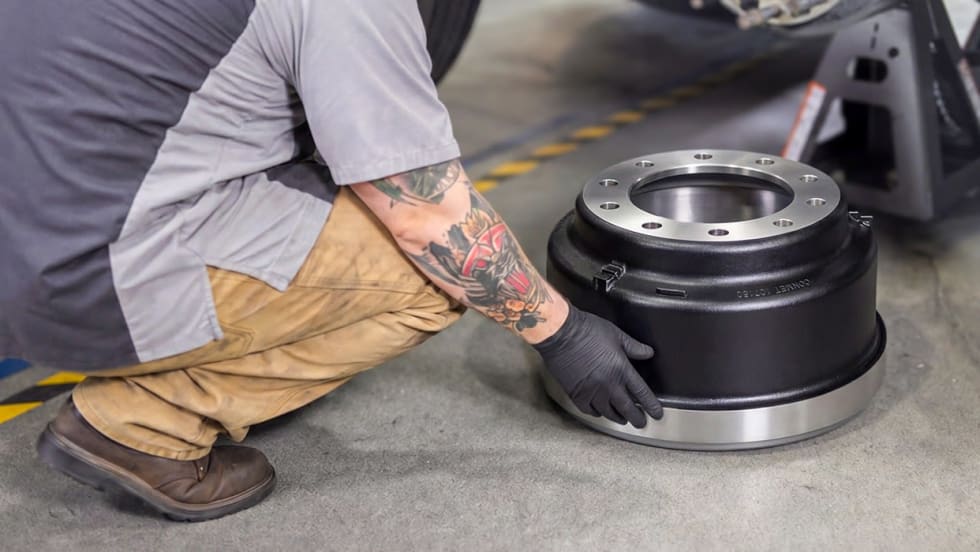
ConMet Expands Aftermarket Brake Drum Lineup With TruCast
A new heavy-duty truck brake drum option in the aftermarket gives customers more flexibility within the ConMet product family.
Read More →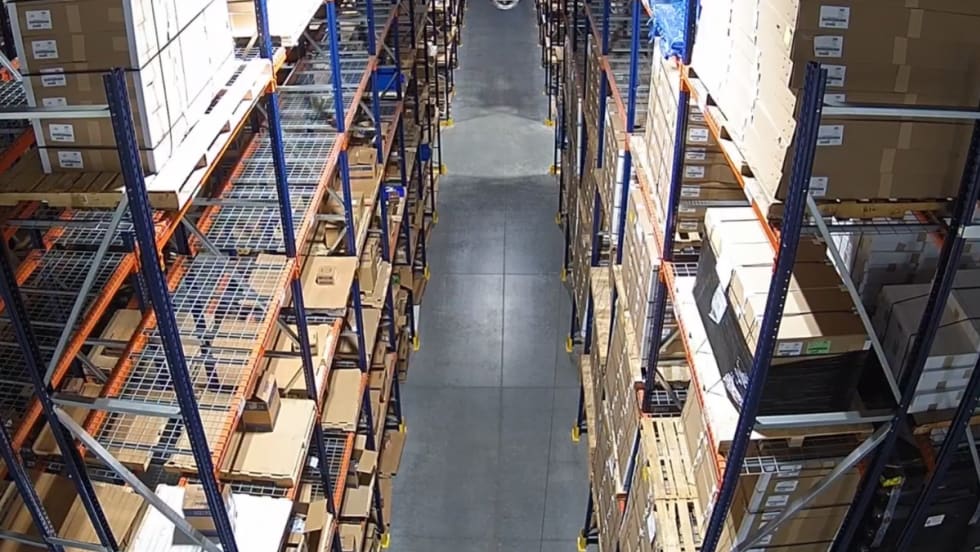
Phillips Opens High-Tech Distribution Center for Faster Parts Delivery
Phillips Industries’ new Cincinnati-area distribution center is now shipping aftermarket trucking parts nationwide, aiming to speed up delivery times for customers.
Read More →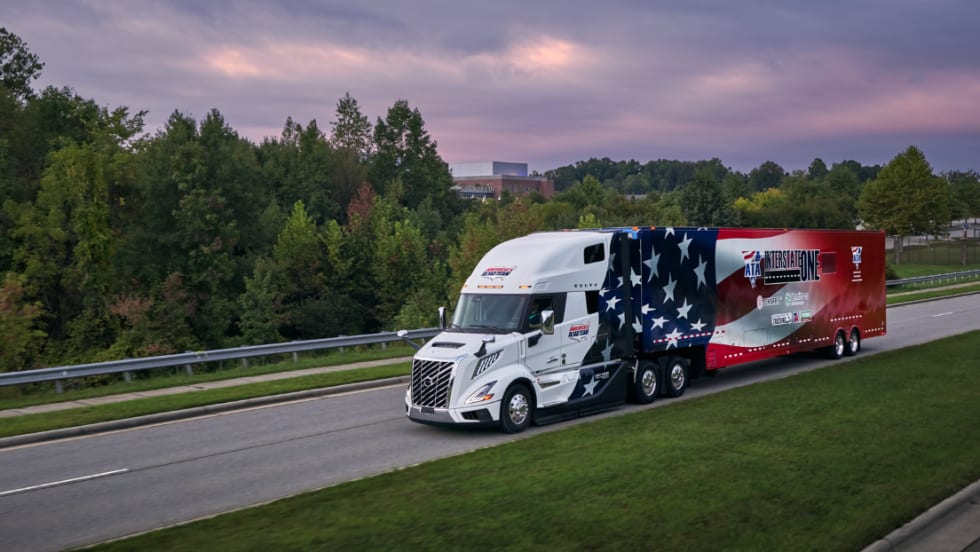
Volvo to Sponsor America’s Road Team for 2025
Volvo Trucks announced that it is extending its exclusive sponsorship of America’s Road Team for 2025.
Read More →
Webb to Start Taking Orders for UltraSet Pre-Adjusted Wheel Hubs
Webb, which recently acquired the Stemco Trifecta pre-adjusted hub program, will soon start taking orders for its replacement pre-assembled hub, the UltraSet.
Read More →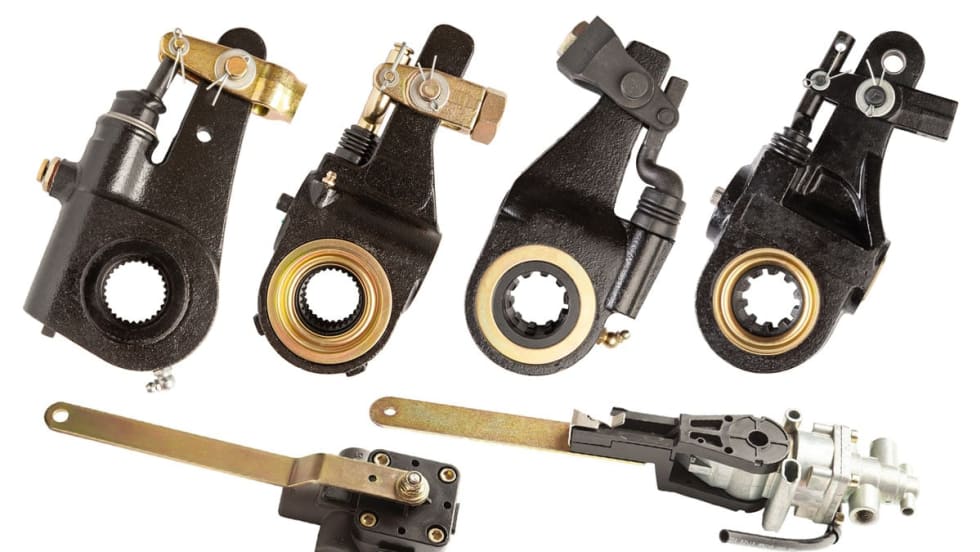
All-Makes Automatic Brake Adjusters, Ride Height Control Valves from Midland
SAF-Holland has added automatic brake adjusters and ride height control valves to its Midland All-Makes Program.
Read More →
ZF Aftermarket Expands [pro]Academy Training
ZF Aftermarket said it is expanding its ZF [pro]Academy training and will be adding 40 new modules this year.
Read More →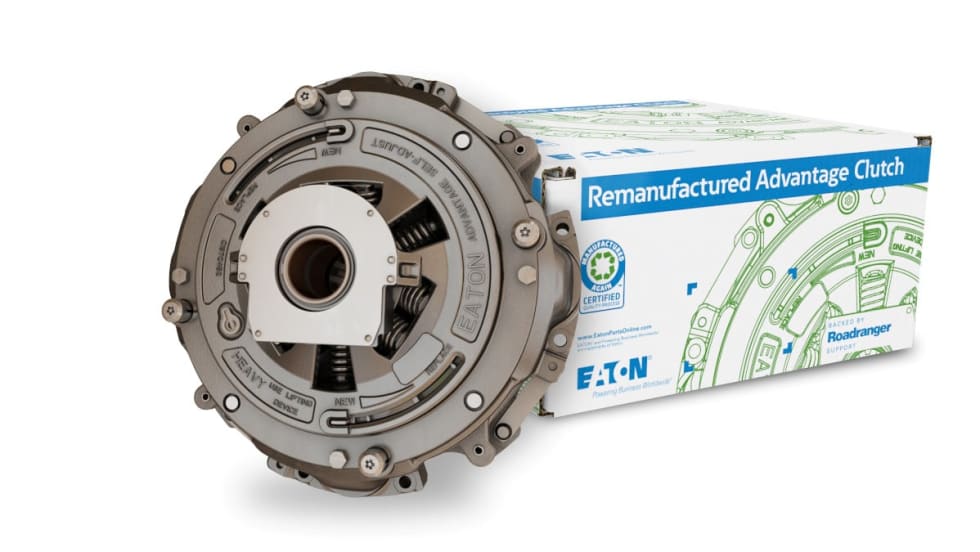
Eaton Adds Remanufactured Advantage Line of Clutches
Eaton has added its Advantage clutches to its remanufactured product line. The clutches feature a unique strap drive intermediate plate designed to allow customers to choose the latest OE specification
Read More →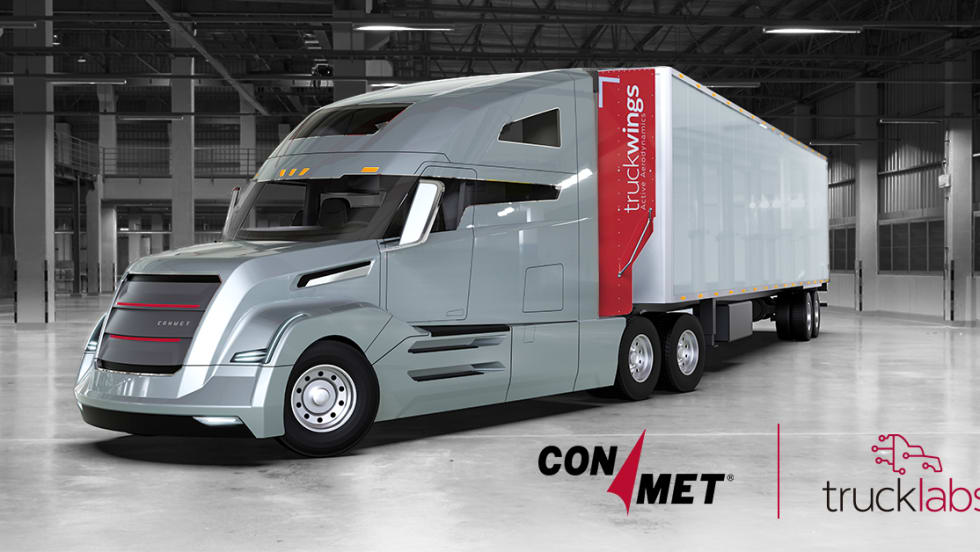
ConMet Acquires TruckLabs, the Creator of TruckWings
Commercial truck and trailer parts provider ConMet acquired TruckLabs, the company that created TruckWings, an aerodynamic device that attaches to truck cabs and deploys to close the gap between truck and trailer. TruckLabs now operates as a subsidiary of ConMet.
Read More →
Diesel Laptops Releases Fault-Code-to-Part-Number Tool
Diesel Laptops said its Truck Fault Codes allows users to input a fault code and immediately identify and order the parts needed to complete repair work.
Read More →