




ATA Questions Impact of Climate Change Legislation on Fuel Prices
Expressing concern over the impact that pending cap-and-trade legislation could have on the economy and the price of fuel, a top trucking industry official Thursday urged Congress to take a cautious approach to climate change initiatives
Expressing concern over the impact that pending cap-and-trade legislation could have on the economy and the price of fuel, a top trucking industry official Thursday urged Congress to take a cautious approach to climate change initiatives.
Testifying on behalf of the American Trucking Associations before the Subcommittee on Energy and Air Quality of the House Committee on Energy and Commerce, Con-Way Inc. Vice President of Government Relations and Public Affairs Randy Mullett also stated that federal climate change policy must avoid encouraging a patchwork of local, state, and regional climate change laws that could hinder the ability of the trucking industry to function in interstate commerce. Mullet said the industry supports federal preemption of local, state and regional climate change laws.
"The trucking industry is concerned over what cap-and-trade legislation will do to the price of fuel we consume," Mullett said. "Our industry can not absorb rapid increases in fuel costs. The trucking industry is extremely sensitive to how climate change legislation may further escalate fuel prices. ATA is urging Congress to carefully evaluate fuel price impacts that result from climate change legislation."
Currently, governmental entities are enacting localized climate change initiatives, which Mullett said is "unworkable and impracticable" given the interstate and diverse nature of trucking. Mullett added that cap-and-trade programs, the primary mechanism being discussed to promote carbon reductions, are more effectively applied to stationary sources. A widely diverse regulatory patchwork would impede the delivery of the nation's goods by creating varied economic and administrative regulations that will serve as barriers to an efficient transportation system.
More Drivers

FMCSA Removes 110 Truck Driver Training Schools from Certified ELDT List
Federal regulators also are targeting more than 160 additional training providers and launching a nationwide audit of third-party CDL skills testers as part of a broader crackdown on trucking fraud.
Read More →
Hours of Service Pilot Programs: FMCSA Readies for 2027 Rollout
Two pilot programs could eventually reshape hours-of-service rules, giving truck drivers options to pause their 14-hour clock or use longer split sleeper rest periods.
Read More →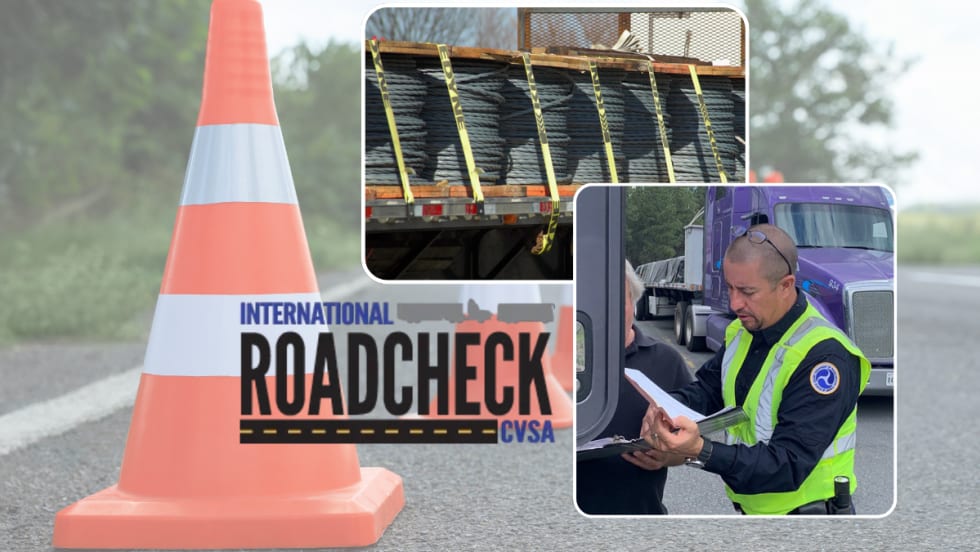
Medical Cards, English Proficiency Reshape Roadcheck Violations
Medical-card violations jumped to the top of the driver out-of-service list during CVSA’s 2026 International Roadcheck, while English-language proficiency violations appeared among the leading violations for the first time.
Read More →
Driver Trust Can Make or Break the Success of Fleet Safety Technology
New Teletrac Navman research suggests that onboarding, transparency about driver data, and positive feedback can play a significant role in how commercial drivers respond to safety and coaching technology.
Read More →
EEOC Sues KLLM Over Alleged Sex Discrimination in Driver Training
KLLM is facing a federal sex-discrimination lawsuit over policies the EEOC alleges put female truck driver trainees at a disadvantage.
Read More →
FMCSA Moves to Codify English Language Requirements for Commercial Drivers
By changing regulations on English-language proficiency requirements for commercial drivers, rather than relying on a guidance memo, the FMCSA said future administrations won't be able to walk back the Trump administration's stricter enforcement with just a memo.
Read More →
Drivers Put Western Star Trucks to the Test at Star Nation Experience
Watch to get an inside look at the Western Star trucks, technology, and community behind the Star Nation Experience 2026!
Read More →
Trump Administration Looks to Put More Veterans Behind the Wheel
The Freedom Haulers program pulls together existing and expanded programs at several federal agencies to recruit veterans to drive commercial heavy-duty trucks and cut the red tape for them to get a CDL, training, and employment.
Read More →
Putting Mack’s Command Steer to the Test
A test drive of Mack’s Command Steer active steering system evaluates how it can make truck driving easier and less tiring.
Read More →
Competition Heating Up for Truck Drivers
New report reveals rising driver hiring costs, the return of sign-on bonuses, growing AI advantages, and the operational factors shaping driver retention.
Read More →