




ATA Opposes Efforts to Regulate Detention Time
The American Trucking Associations says detention time is an issue to be negotiated between carriers and shippers, and the federal government should stay out of it
The American Trucking Associations says detention time is an issue to be negotiated between carriers and shippers, and the federal government should stay out of it.
ATA's Board of Directors voted to oppose efforts at regulating detention time - the time drivers and trucks wait to load or unload their cargo.
"ATA and its members value the time of our drivers," ATA President and CEO Bill Graves said following the board's decision. "However, federal intervention into this area would have significant impacts on the contractual agreements between carriers and shippers."
The call to policymakers appears to be in reaction to recent recommendations by the FMCSA's Motor Carrier Safety Advisory Committee to regulate driver detention and a bill in the U.S. House of Representatives.
In a letter to FMCSA administrator Anne Ferro, David Parker, chairman of the MCSAC, said the agency should seek legal authority over entities that contribute to FMCSA safety violations. According to Parker, an undue detainment can cause drivers to violate hours of service rules.
Earlier this year, Rep. Peter DeFazio, D-Ore., introduced legislation to address the issue. HR 756 would limit the number of hours a driver can be detained. The bill draws form a study conducted by the Government Accountability Office which found, which surveyed 300 drivers. The study found that 68 percent of drivers had been detained in the previous month. Of those, 80 percent had difficulty complying with HOS rules, and 65 percent reported lost revenue.
"The ability of carriers to negotiate rates, routes and service with our shippers is very important to us," said ATA Chairman Barbara Windsor, president and CEO of Hahn Transportation. "Federal regulation in this area would directly affect shipping rates and would significantly change the playing field for carriers and shippers."
"No carrier wants to see our drivers' time wasted," ATA first vice chairman Dan England, chairman and president of C.R. England said. "However, this is not an issue that can be handled with a 'one-size, fits all' regulation and as a result is best addressed in contractual agreements between carriers and shippers."
While the ATA opposes the regulation, the Owner Operator Independent Drivers Association supported DeFazio's bill when it was introduced in February. Todd Spencer, OOIDA executive vice president, said shippers and receivers squander drivers' time.
More Drivers
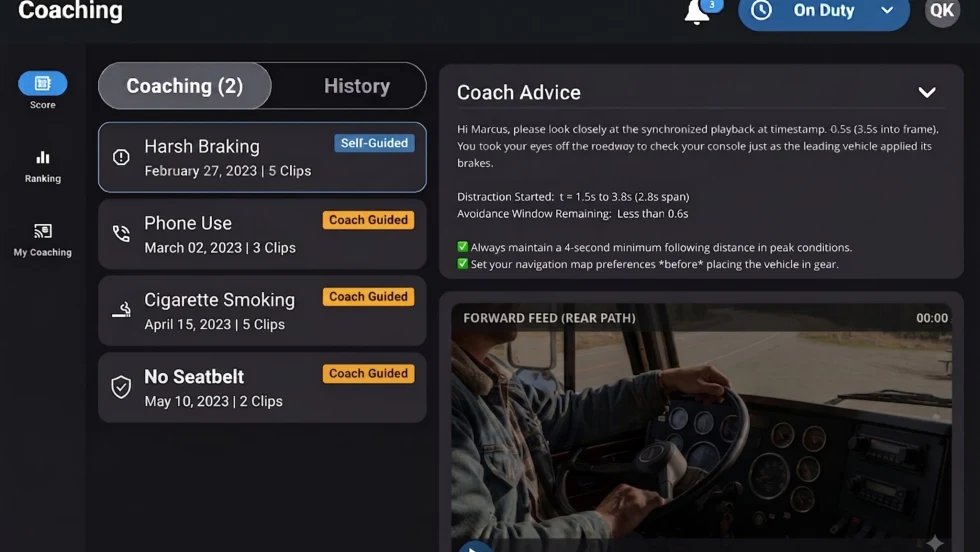
Platform Science Adds Dispatch and Safety Tools
Four additions to PS Fleet help fleets monitor loads, manage driver coaching, share truck locations and adjust video system settings.
Read More →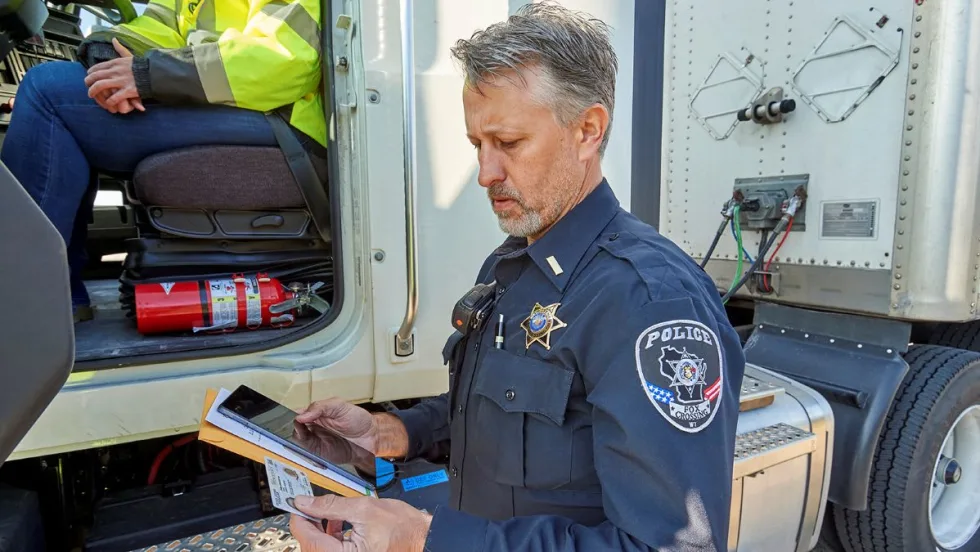
When Language Stops the Truck: The Return of ELP Out-of-Service Orders
English language proficiency rules for commercial drivers aren’t new, but renewed out-of-service enforcement has raised the stakes. Here’s what carriers need to know before a driver reaches a roadside inspection.
Read More →
Samsara Launches Custom AI Agent Builder
Agent Studio lets fleets create AI tools for hours-of-service monitoring, reporting and driver support, including agents that communicate by phone.
Read More →
Trucker Path Expands Reserved Parking Network
Trucker Path has added close to 6,000 more truck parking spaces to its Trucker Path Reserved Parking Network with the addition of Safe Truck Parking.
Read More →
EEOC Sues Texas Trucking Company Over Driver Age Limits
The agency says Trancasa USA rejected applicants over 65 and applied tougher driving-record standards to those over 60.
Read More →
Nussbaum, Roehl Announce Second Driver Pay Increase This Year
This year has seen a swath of major truck driver pay increases as freight capacity has tightened.
Read More →
From One Generation to the Next: How Mentorship Builds Safer Truck Drivers
After three decades in trucking, Harold Perry shares what he's learned about driver safety, mentorship, and helping the next generation build confidence behind the wheel.
Read More →
Truck Drivers Need More Than Another Alert
Fleets have more visibility into truck health, safety events, and driver activity than ever. The next challenge is turning all that information into useful guidance for the person who has to decide what to do next.
Read More →
FMCSA Removes 110 Truck Driver Training Schools from Certified ELDT List
Federal regulators also are targeting more than 160 additional training providers and launching a nationwide audit of third-party CDL skills testers as part of a broader crackdown on trucking fraud.
Read More →
Hours of Service Pilot Programs: FMCSA Readies for 2027 Rollout
Two pilot programs could eventually reshape hours-of-service rules, giving truck drivers options to pause their 14-hour clock or use longer split sleeper rest periods.
Read More →