




ATA Calls Teamsters Report An Attack on Owner-Operators
A new report backed by the Teamsters Union and several environmental interest groups claims the cost of truck maintenance and the financial inability of drivers to maintain their vehicles poses a threat to the clean air goals of the Port of Los Angeles Clean Truck Program
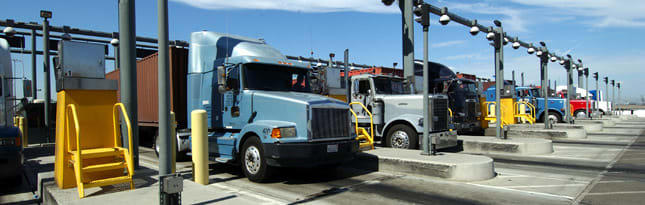
Trucks enter the Port of Los Angeles.
A new report backed by the Teamsters Union and several environmental interest groups claims the cost of truck maintenance and the financial inability of drivers to maintain their vehicles poses a threat to the clean air goals of the Port of Los Angeles Clean Truck Program.
"That salvo is not a research report, as the Teamsters claim, but just a collection of rhetoric that they have used before to attack owner-operator independent contractors," said Clayton Boyce, spokesman for the American Trucking Associations, in reaction to the report. "They falsely allege that owner-operators are not equipped intellectually or financially to properly maintain and service clean diesel engines. That's a huge insult to thousands of owner-operators."
The study, "From Clean to Clunker: The Economics of Emissions Control," is backed by the Sierra Club, BlueGreen Alliance, LAANE, and the Teamsters. It references the ATA's court action against the Port of Los Angeles' Clean Truck Program, specifically the ATA's injunction against the owner-operator ban.
"Because of the ATA's temporary court order blocking implementation of a key provision of the Port of Los Angeles' Clean Truck Program - specifically, the provision that would transfer responsibility of owning and maintaining the trucks to well capitalized trucking companies - independent contract drivers are saddled with greater financial responsibility," the report said. "However, the amount that they are paid per load has not increased to cover their contractual leases and maintenance obligations. In fact, the current economic recession has weakened container volumes at the Ports of Los Angeles and Long Beach, leaving drivers with less cargo to haul."
"The Teamsters continue to understate earnings of owner-operators and continue to falsely suggest that owner-operators are being mistreated because they are drivers who are asked to pay for maintenance of the truck," said Boyce. "These owner-operators are independent contractors who earn money in two ways: for providing the truck, which they own or lease, and for driving the truck. Because of this, owner-operators with business management skills can earn a lot more than company employee drivers."
The report claims the average cost of maintaining a clean truck in its first 12 months of service is $2,200. Typical wear-and-tear repairs can cost $8,500 a year, the report says. The analysis also references a 2009 EPA study, which found that emissions from improperly maintained clean trucks can increase toxic fumes by as much as 80 percent.
Allen Schaeffer, executive director of the Diesel Technology Forum, said he understood where the 80 percent came from. If a driver did not refill the urea tank with the proper diesel exhaust fluid, required as part of selective catalytic reduction technology, this would affect the amount of NOx emissions. However, if a trucker were to stop maintaining a 2010 clean truck, the vehicle would eventually stop working altogether, he said.
To Schaeffer, the study misses the mark, and takes "a case to the extreme to make a point." The fundamental responsibility for clean air and safety lies with the users, the owners, operators and manufacturers of the vehicles, he said. "Any business has a responsibility." That main point, he said, is getting trampled here in the report. It has devolved into a labor and interstate commerce issue. There are complicated issues at play here, and he believes it should be up to a judge to evaluate what's really at hand.
For a full copy of the report, click here.
More Aftermarket

What Three Fleets Are Doing Differently When Buying Truck Parts in 2026
With freight improving but costs still climbing, fleet maintenance executives explain how they're balancing price, quality, and supplier relationships.
Read More →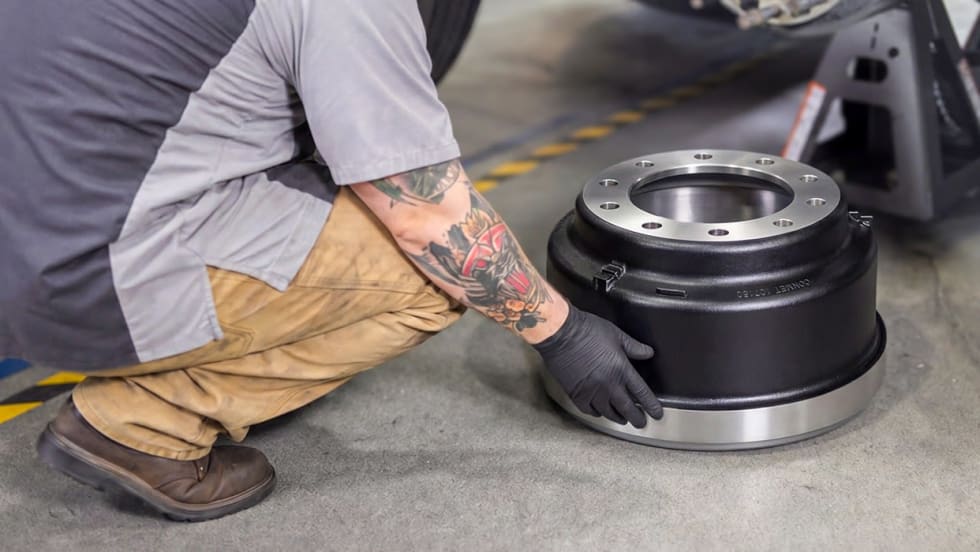
ConMet Expands Aftermarket Brake Drum Lineup With TruCast
A new heavy-duty truck brake drum option in the aftermarket gives customers more flexibility within the ConMet product family.
Read More →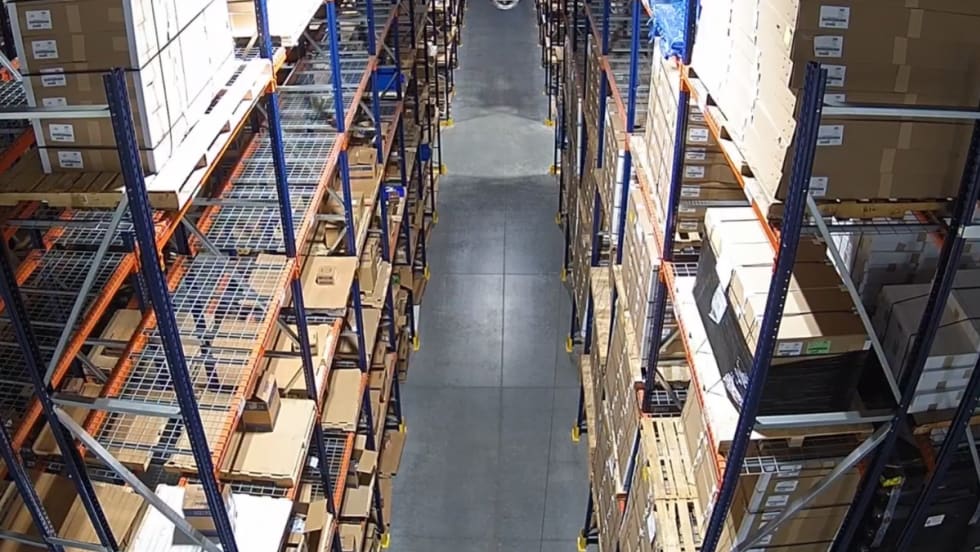
Phillips Opens High-Tech Distribution Center for Faster Parts Delivery
Phillips Industries’ new Cincinnati-area distribution center is now shipping aftermarket trucking parts nationwide, aiming to speed up delivery times for customers.
Read More →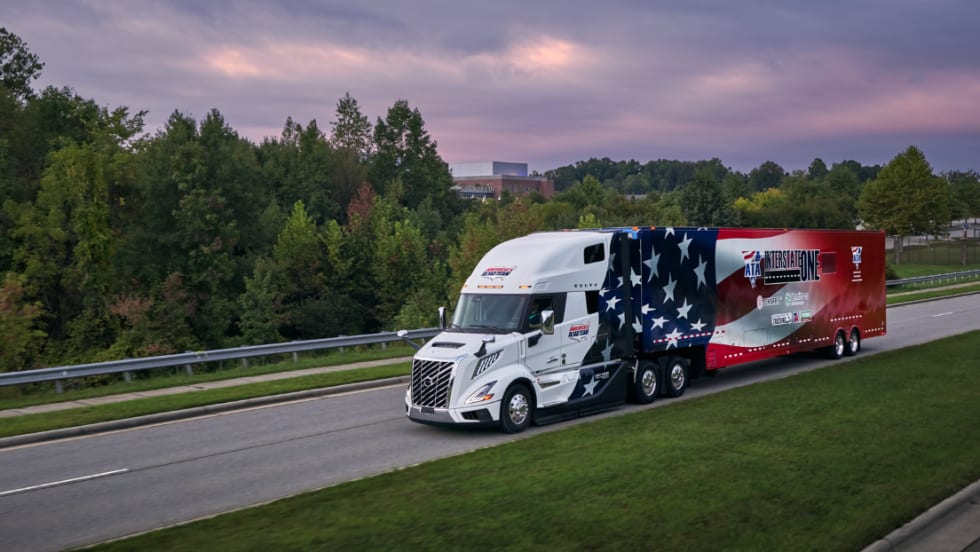
Volvo to Sponsor America’s Road Team for 2025
Volvo Trucks announced that it is extending its exclusive sponsorship of America’s Road Team for 2025.
Read More →
Webb to Start Taking Orders for UltraSet Pre-Adjusted Wheel Hubs
Webb, which recently acquired the Stemco Trifecta pre-adjusted hub program, will soon start taking orders for its replacement pre-assembled hub, the UltraSet.
Read More →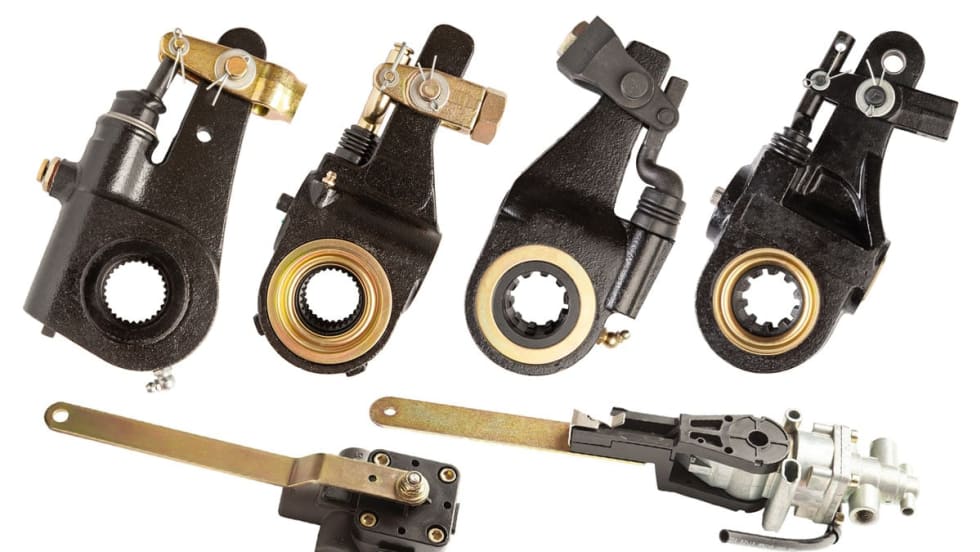
All-Makes Automatic Brake Adjusters, Ride Height Control Valves from Midland
SAF-Holland has added automatic brake adjusters and ride height control valves to its Midland All-Makes Program.
Read More →
ZF Aftermarket Expands [pro]Academy Training
ZF Aftermarket said it is expanding its ZF [pro]Academy training and will be adding 40 new modules this year.
Read More →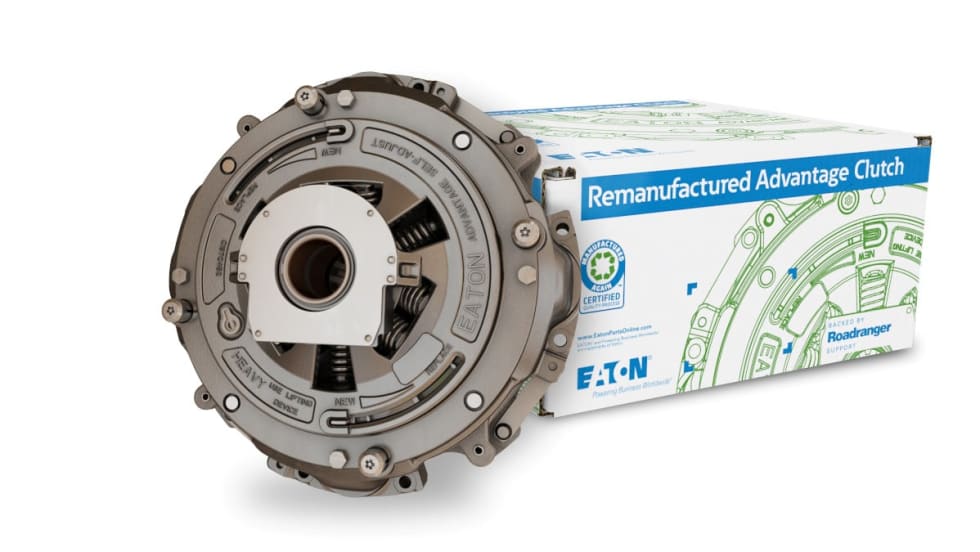
Eaton Adds Remanufactured Advantage Line of Clutches
Eaton has added its Advantage clutches to its remanufactured product line. The clutches feature a unique strap drive intermediate plate designed to allow customers to choose the latest OE specification
Read More →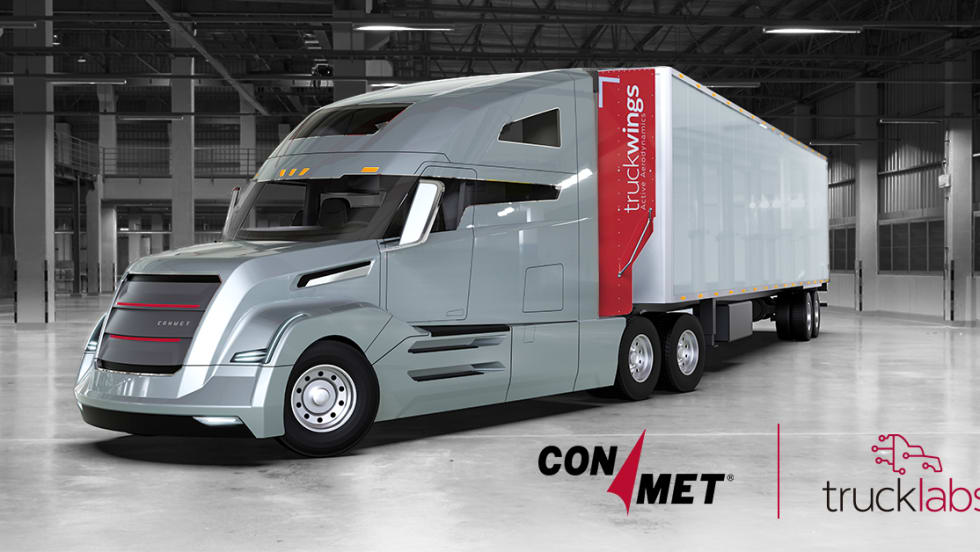
ConMet Acquires TruckLabs, the Creator of TruckWings
Commercial truck and trailer parts provider ConMet acquired TruckLabs, the company that created TruckWings, an aerodynamic device that attaches to truck cabs and deploys to close the gap between truck and trailer. TruckLabs now operates as a subsidiary of ConMet.
Read More →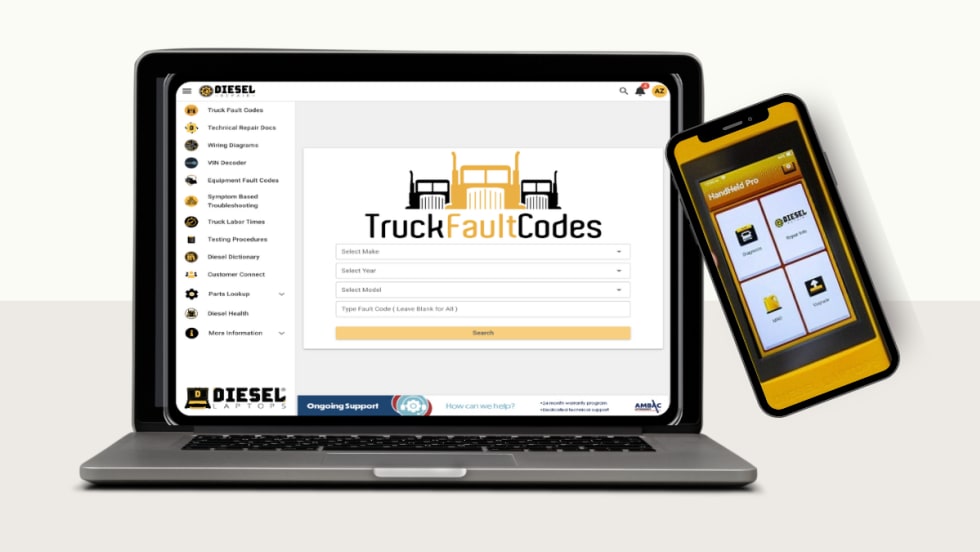
Diesel Laptops Releases Fault-Code-to-Part-Number Tool
Diesel Laptops said its Truck Fault Codes allows users to input a fault code and immediately identify and order the parts needed to complete repair work.
Read More →