




ATA Accuses FMCSA of Manipulating Fatigue Numbers in HOS Proposal
The American Trucking Associations has accused the Federal Motor Carrier Safety Administration of manipulating its own crash numbers to make driver fatigue seem like a more significant cause of truck crashes so its new hours of service proposal could pass the required cost/benefit analysis
The American Trucking Associations has accused the Federal Motor Carrier Safety Administration of manipulating its own crash numbers to make driver fatigue seem like a more significant cause of truck crashes so its new hours of service proposal could pass the required cost/benefit analysis.
"Since the current HOS rules were introduced in 2003, the trucking industry has achieved a continually improving safety record, reaching the lowest fatality and injury rate levels in recorded history," said ATA President Bill Graves "It is troubling that this complex, restrictive set of proposed rules is founded on what appears to be incorrect analysis and inflated math."
In the HOS proposal's Regulatory Impact Analysis (the cost/benefit justification), ATA says, FMCSA inflated its estimation of the percentage of fatigue-related crashes in two ways. First, it overstated the percentage of single-vehicle truck crashes (which are more likely to be fatigue-related) compared to multi-vehicle crashes. More specifically, FMCSA approximately doubled the weight given to single-vehicle truck crashes in its large truck crash causation study.
Second, FMCSA appears to be treating any crash in which fatigue is listed as an "associated factor" as a fatigue-caused crash. "That approach is not just contrary to prior research methods, it is also at odds with the Agency's own report to Congress," ATA contends, "in which it stated that for associated factors: 'No judgment is made as to whether any factor is related to the particular crash, just whether it was present.'"
Examples of "associated factors" in the Large Truck Crash Causation Study include emotion/experience, traffic, vehicle, roadway, weather and speed/distance. The FMCSA's report to Congress on the LTCCS in 2006 notes that each of these "associated factors" has a higher prevalence as a factor than does "fatigue" but should not be read as a "principal cause" of a crash.
ATA says these data manipulations have allowed FMCSA to nearly double its analysis of the number of truck-involved crashes that are likely caused by fatigue.
In past rulemakings, the agency consistently has found fatigue to be a causal factor in just 7 percent of crashes, ATA says. As recently as 2008, the FMCSA noted that while the best data on fatigue as a factor in fatal truck accidents showed only a 2.2 percent relationship, it remained confident that its "7 percent figure is accurate."
"Now, apparently to assist it in reaching a desired result the Agency has ignored the real world data and its past pronouncements and adopted a 13 percent fatigue factor," ATA said in a news release.
More Aftermarket
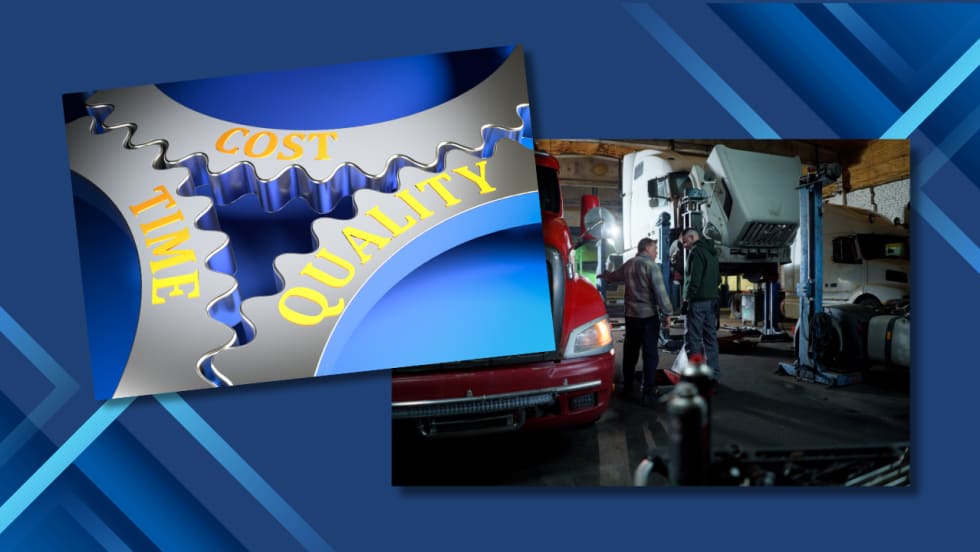
What Three Fleets Are Doing Differently When Buying Truck Parts in 2026
With freight improving but costs still climbing, fleet maintenance executives explain how they're balancing price, quality, and supplier relationships.
Read More →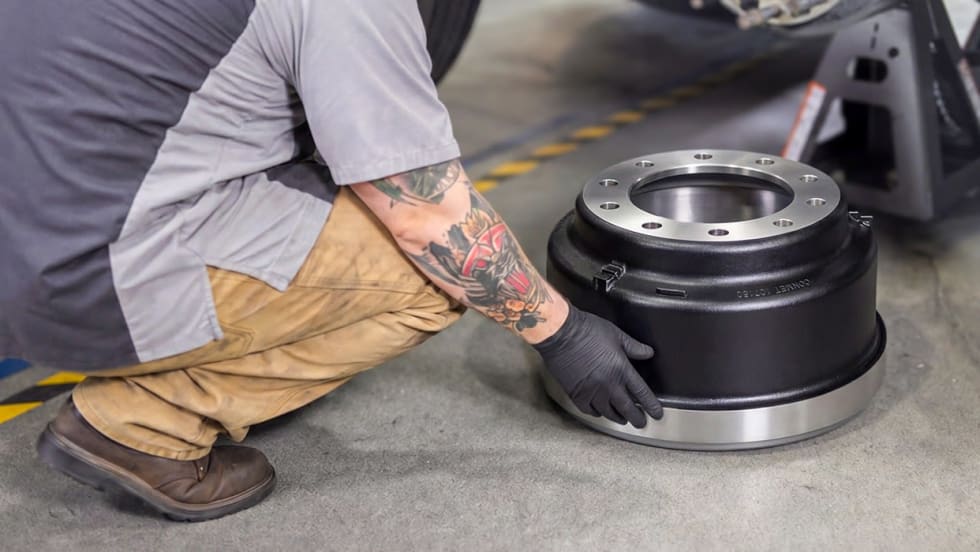
ConMet Expands Aftermarket Brake Drum Lineup With TruCast
A new heavy-duty truck brake drum option in the aftermarket gives customers more flexibility within the ConMet product family.
Read More →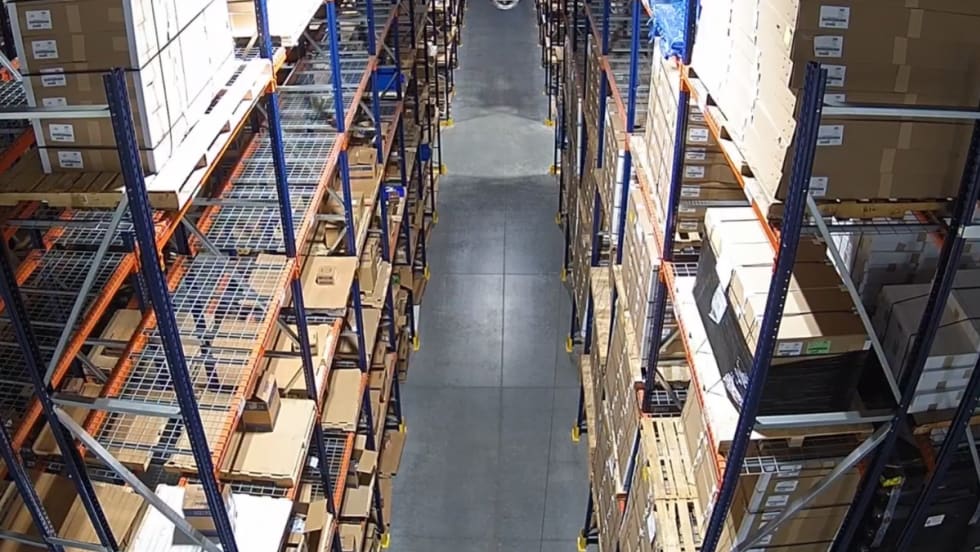
Phillips Opens High-Tech Distribution Center for Faster Parts Delivery
Phillips Industries’ new Cincinnati-area distribution center is now shipping aftermarket trucking parts nationwide, aiming to speed up delivery times for customers.
Read More →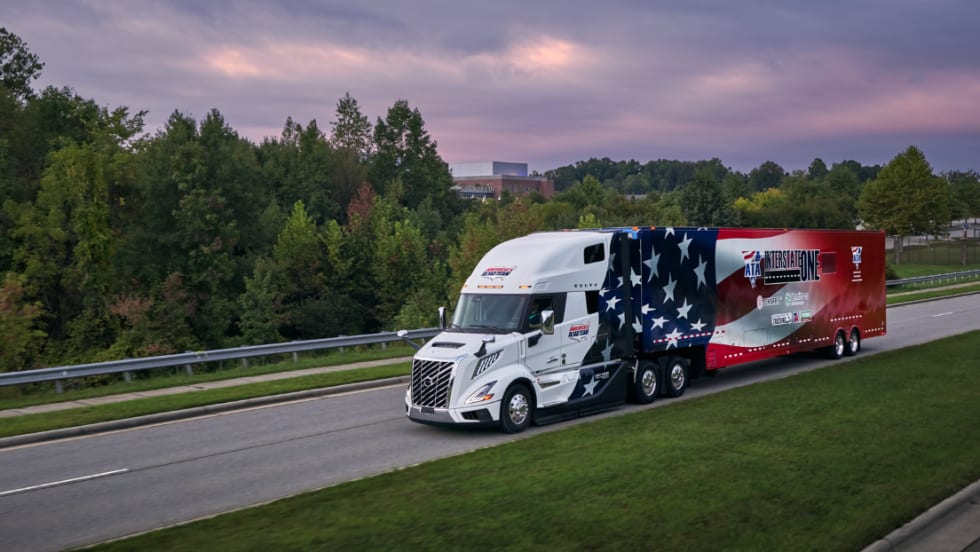
Volvo to Sponsor America’s Road Team for 2025
Volvo Trucks announced that it is extending its exclusive sponsorship of America’s Road Team for 2025.
Read More →
Webb to Start Taking Orders for UltraSet Pre-Adjusted Wheel Hubs
Webb, which recently acquired the Stemco Trifecta pre-adjusted hub program, will soon start taking orders for its replacement pre-assembled hub, the UltraSet.
Read More →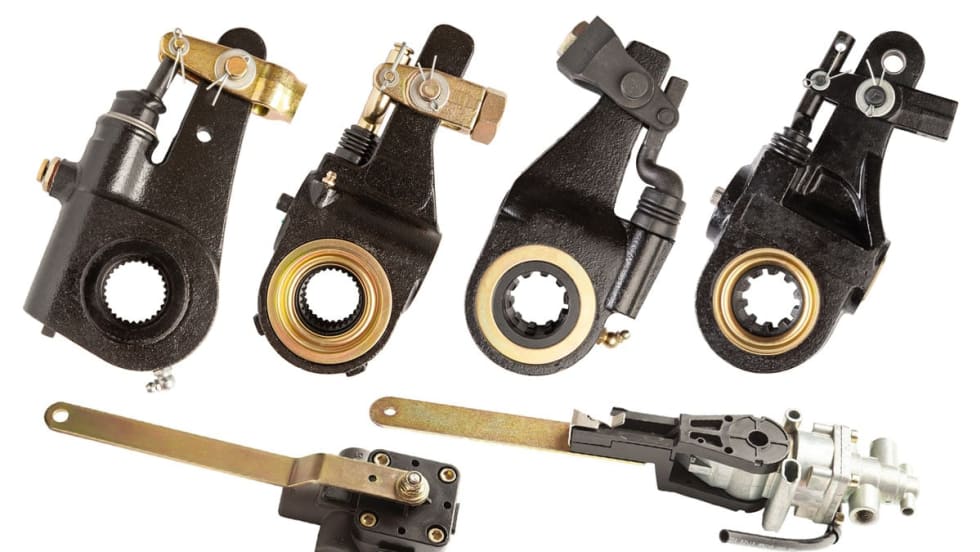
All-Makes Automatic Brake Adjusters, Ride Height Control Valves from Midland
SAF-Holland has added automatic brake adjusters and ride height control valves to its Midland All-Makes Program.
Read More →
ZF Aftermarket Expands [pro]Academy Training
ZF Aftermarket said it is expanding its ZF [pro]Academy training and will be adding 40 new modules this year.
Read More →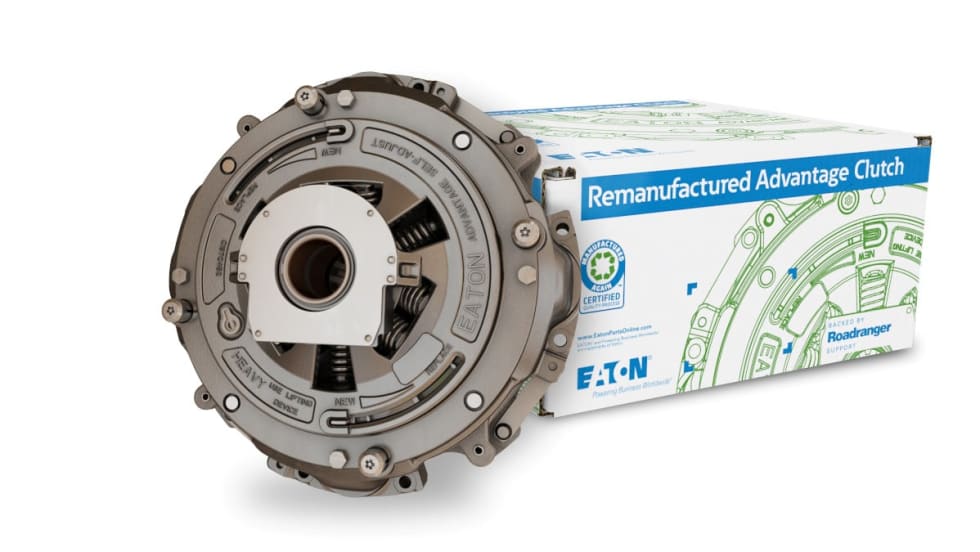
Eaton Adds Remanufactured Advantage Line of Clutches
Eaton has added its Advantage clutches to its remanufactured product line. The clutches feature a unique strap drive intermediate plate designed to allow customers to choose the latest OE specification
Read More →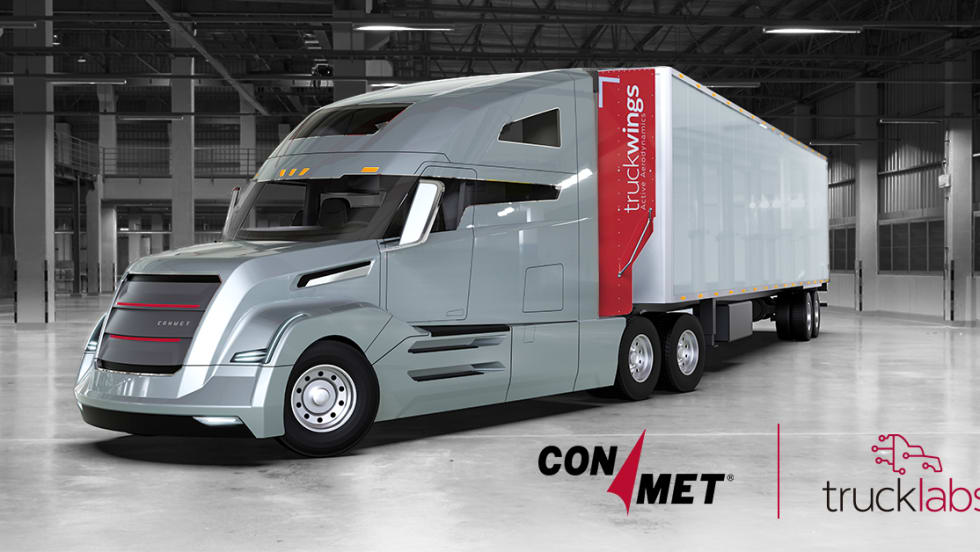
ConMet Acquires TruckLabs, the Creator of TruckWings
Commercial truck and trailer parts provider ConMet acquired TruckLabs, the company that created TruckWings, an aerodynamic device that attaches to truck cabs and deploys to close the gap between truck and trailer. TruckLabs now operates as a subsidiary of ConMet.
Read More →
Diesel Laptops Releases Fault-Code-to-Part-Number Tool
Diesel Laptops said its Truck Fault Codes allows users to input a fault code and immediately identify and order the parts needed to complete repair work.
Read More →