




Are Fleets Heading Toward Electric Trucks?
While electrification has potential to grow into a possible reality down the road, many in the industry remain devoted to improving output of quality returns found in diesel.
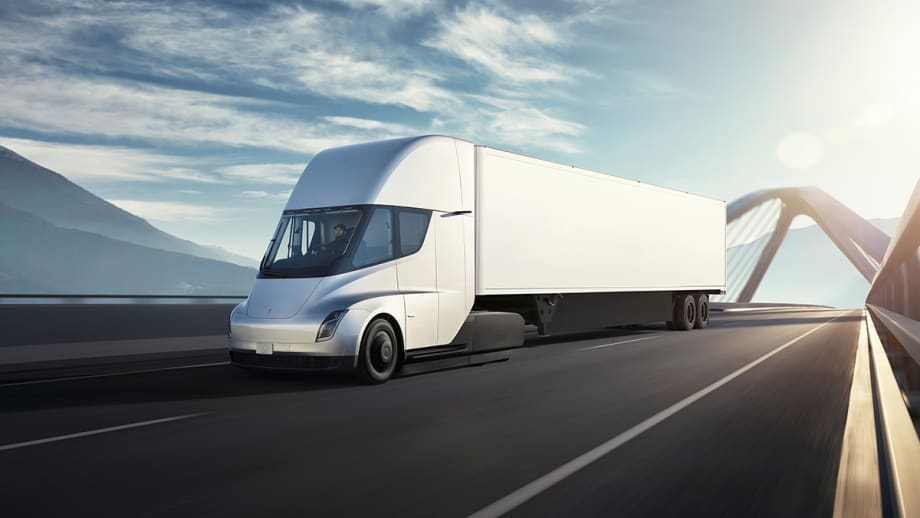
While electrification has potential to grow into a possible reality down the road, many in the industry remain devoted to improving output of quality returns found in diesel.
Photo: Tesla
The Class 8 heavy-duty truck and fleet industry held a prolonged dialogue throughout 2018 regarding the prospects of electrification of vehicles and where they stack up against diesel counterparts. While electrification has potential to grow into a possible reality down the road, many in the industry remain devoted to improving output of quality returns found in diesel.
There are copious reasons why electric trucks may continue to take a backseat when private transportation fleets and for-hire carriers are developing their truck procurement strategies. Items ranging from fuel economy, cost of investment, range and charging station organization are at the top of the list of trepidations for fleet managers.
In a recent industry benchmark survey, fuel economy ranked second (36.7%) as a top motivator overall for truck replacement. This is especially important since 86% said they’ve experienced a consistent increase in fuel economy in model years 2013 through 2018. This perspective is further underscored by the fact that the recent price of diesel has increased above what industry forecasts projected. According to the latest North American Council for Freight Efficiency (NACFE) and its 2018 Annual Fleet Fuel Study, diesel recently increased to $3.28 per gallon, surpassing its projection of reaching just $2.72 in 2018.
In terms of electric or hydrogen fuel-cell trucks, only 4% of respondents said they are currently procuring these types of trucks, and 53% said they neither see the value nor will they consider the technology for at least another 10 years. Nearly a quarter of respondents (21%) also said they believe electric or hydrogen fuel-cell trucks will never be widely used for over-the-road operations. As for their reasons, 39.4% said they will not consider the technology because of limited fueling or charging station infrastructure; and 33.3% have concerns over the vehicle’s range or distance.
Proponents of electrification point to the technology’s environmental benefits. However, many do not fully realize the substantial gains diesel has made in these areas as well. Private fleets and for-hire organizations realize these benefits when they upgrade to the latest truck equipment available. An analysis of Class-8 truck utilization from Fleet Advantage saw that these companies can realize a first-year savings of $26,687 when upgrading from a 2012 sleeper model-year truck to a 2019 model*. This represents a 15.5% increase in savings compared with a similar analysis a year ago upgrading to a 2018 model when diesel prices registered $2.57.
In addition to realizing significantly better cost savings from fuel economy gains, fleets will also achieve an estimated 18% reduction in CO2 emissions and 46% reduction in NOx output when upgrading from a 2012 model-year sleeper to a new 2019 unit.
Sleeper-"All In" Cost Comparison
Model Year | Approximate All In Cost | 2019 Model Year All in Cost | Savings | 2019 MY Year One Fuel Cost | MY Fuel Expense | Fuel Savings | Fuel/CO2 Saved |
2012 | $92,606 | $65,919 | $26,687 | $41,125 | $50,076 | $8,951 | 18% |
2013 | $87,977 | $65,919 | $22,058 | $41,125 | $48,886 | $7,761 | 16% |
2014 | $82,215 | $65,919 | $16,296 | $41,125 | $47,681 | $6,556 | 14% |
2015 | $80,953 | $65,919 | $15,034 | $41,125 | $46,469 | $5,344 | 12% |
2016 | $76,433 | $65,919 | $10,514 | $41,125 | $46,469 | $4,254 | 9% |
2017 | $70,493 | $65,919 | $4,574 | $41,125 | $44,280 | $3,155 | 7% |
2018 | $69,391 | $65,919 | $3,472 | $41,125 | $43,176 | $2,051 | 5% |
*based on diesel prices at $3.29
The industry will continue to calculate electrification as a possible asset for the transport of goods in support of the economy – and they should take a hard look. However, the data continues to support diesel as the primary option for transportation, as newer truck technology makes great strides in improving fuel economy and lowering emissions. Coupled with lifecycle asset management strategies that leverage flexible lease models that help reduce the total cost of ownership and help upgrade into newer technology every three-to-four years, diesel will remain the most economically viable option for the foreseeable future.
Editor’s Note: Brian Holland is President and Chief Financial Officer at Fleet Advantage, a leading innovator in truck fleet business analytics, equipment financing and lifecycle cost management. For more information visit www.FleetAdvantage.com.
More Fuel Smarts

How Volvo Updated Its D13 for EPA 2027 [Watch]
Volvo’s updated D13 promises lower emissions without sacrificing performance or fuel economy. Take a closer look at what changed inside the engine in this HDT Spotlight video.
Read More →
Diesel Price Spike Shortens Payback for Natural Gas Trucks, Report Says
Energy Vision estimates fleets could recover the higher purchase price of an RNG-fueled Class 8 tractor in 1.3 to 2.8 years under current fuel-price scenarios.
Read More →
Calstart Becomes Catalyst Mobility, Reflecting Broader Focus
Calstart is now Catalyst Mobility, reflecting the nonprofit’s growing national role in clean transportation, including zero-emission trucks, infrastructure and incentive programs.
Read More →

Record Diesel Prices Squeeze Trucking Fleets
Average U.S. diesel prices have climbed to nearly $6 a gallon, surpassing the 2022 record as tight refinery capacity and Middle East disruptions keep fuel costs elevated.
Read More →
How Fuel Delivery Shapes Engine Performance
Fuel delivery depends on more than what happens at the injector. For fleet, maintenance and technical professionals, looking at the full path from pump to injector can provide useful context for understanding engine performance.
Read More →
East Coast Port Launches $45M Electric Truck Push
The Port Authority of New York and New Jersey announced millions in incentives for zero-emission drayage trucks, yard tractors, and new charging hubs near the port.
Read More →
California Bill Could Shed Light on Electric Truck Prices
Why do battery-electric Class 8 trucks remain so expensive? A California bill headed to Gov. Gavin Newsom would give fleets and state agencies more visibility into what manufacturers charge.
Read More →
Detroit Opens Orders for EPA 2027 Engines
Detroit isn’t starting from scratch to meet EPA 2027 diesel emissions standards. Its Gen 6 DD13 and DD15 engines keep much of today’s platform while updating the fuel and aftertreatment systems.
Read More →
Zero-Emission Truck Corridor Planned for West Coast
California, Oregon, Washington, British Columbia and Baja California are coordinating plans for truck charging and hydrogen fueling from Canada to Mexico.
Read More →
A Closer Look at Kenworth’s Electric T880E Vocational Truck [Video]
Learn more about Kenworth's T880E battery-electric vocational truck at the Paccar Technical Center, including its range, applications, upfitting considerations, and PTO options, in this HDT Spotlight video.
Read More →