




AMSA Asks DOT For Rules Against Internet Moving Scams
The American Moving and Storage Assn., Alexandria, Va., has urged the U.S. Department of Transportation to crack down on scammer
The American Moving and Storage Assn., Alexandria, Va., has urged the U.S. Department of Transportation to crack down on scammers
who represent themselves as professional movers on the Internet and rip off consumers. The AMSA wants the DOT to promulgate rules against the web-based crooks.
“As consumers become increasingly more dependent on the Internet as their primary source of information on transportation service providers, the need for household goods broker regulatory boundaries becomes acute. Unscrupulous brokers continue to prey on unsuspecting consumers at an accelerated pace,” the AMSA said.
The proposed regulations will address a compelling public need, AMSA President Joe Harrison told DOT in comments the association filed on Feb. 22. “Delay in their prescription will allow unacceptable operating conditions to continue to plague the household goods shipping public.”
Earlier this year, the Federal Motor Carrier Safety Administration opened a rulemaking proceeding on whether it should establish regulations for Internet household goods brokers. FMCSA opened the proceeding in response to an AMSA petition filed several years ago.
AMSA asked the agency to act when became evident that crooks were scamming the public.
According to the AMSA, websites lure unsuspecting customers to illegal moving companies that typically offer unrealistically low estimates and then at destination extort additional money from victims by refusing to unload a family’s belongings – in effect holding the shipments hostage -- until they are paid for inflated charges.
The scam isn’t new, but the Internet has given the scammers new reach.
The AMSA says the crux of the problem is that website operators fail to identify themselves as brokers of moving services, which is required under the law. But they have not been forced to adhere to laws and regulations governing brokers.
AMSA told regulators that when it engaged in an Internet search for a hypothetical move from Florida to Washington, D.C., it turned up eight Internet broker sites that recommended 51 different movers, 37 of which were not licensed by FMCSA as interstate movers or brokers.
For more information, visit www.promover.org.
More Drivers
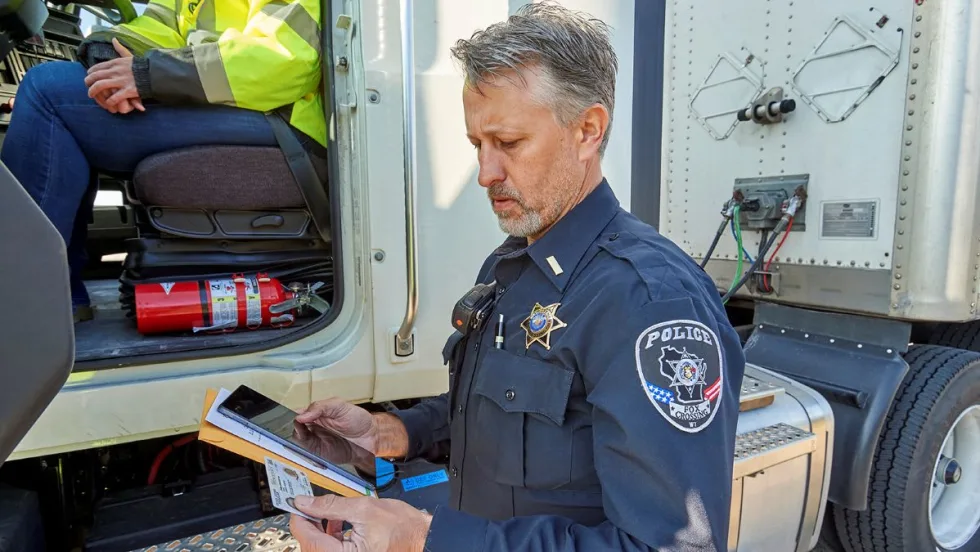
When Language Stops the Truck: The Return of ELP Out-of-Service Orders
English language proficiency rules for commercial drivers aren’t new, but renewed out-of-service enforcement has raised the stakes. Here’s what carriers need to know before a driver reaches a roadside inspection.
Read More →
Samsara Launches Custom AI Agent Builder
Agent Studio lets fleets create AI tools for hours-of-service monitoring, reporting and driver support, including agents that communicate by phone.
Read More →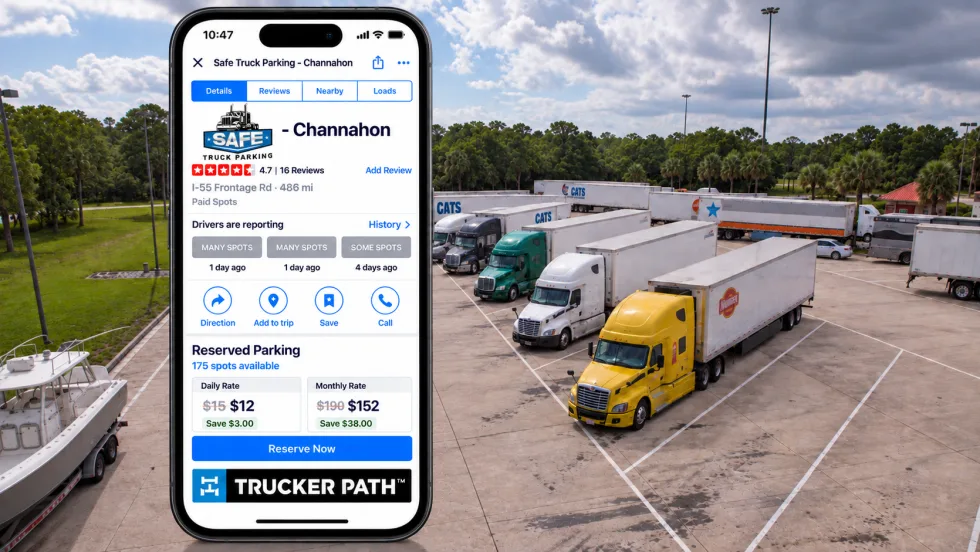
Trucker Path Expands Reserved Parking Network
Trucker Path has added close to 6,000 more truck parking spaces to its Trucker Path Reserved Parking Network with the addition of Safe Truck Parking.
Read More →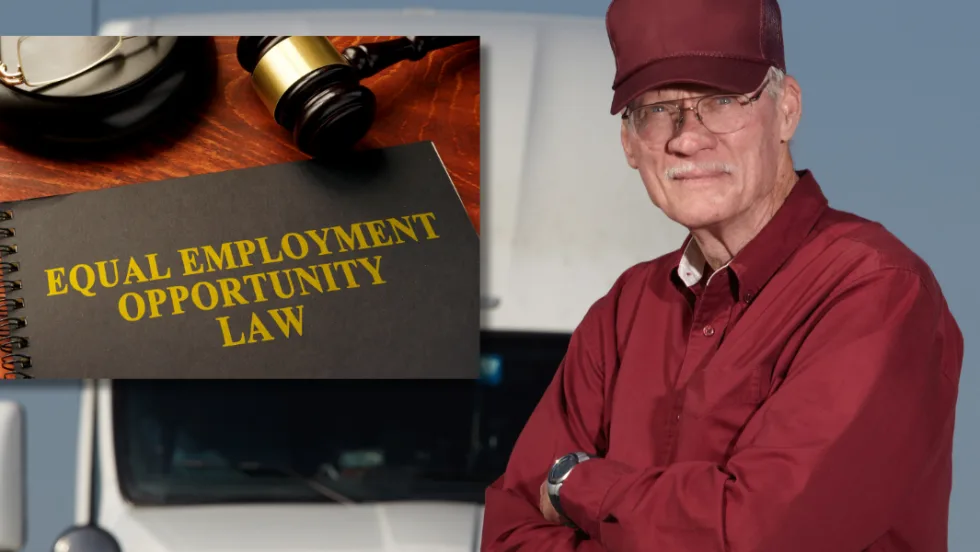
EEOC Sues Texas Trucking Company Over Driver Age Limits
The agency says Trancasa USA rejected applicants over 65 and applied tougher driving-record standards to those over 60.
Read More →
Nussbaum, Roehl Announce Second Driver Pay Increase This Year
This year has seen a swath of major truck driver pay increases as freight capacity has tightened.
Read More →
From One Generation to the Next: How Mentorship Builds Safer Truck Drivers
After three decades in trucking, Harold Perry shares what he's learned about driver safety, mentorship, and helping the next generation build confidence behind the wheel.
Read More →
Truck Drivers Need More Than Another Alert
Fleets have more visibility into truck health, safety events, and driver activity than ever. The next challenge is turning all that information into useful guidance for the person who has to decide what to do next.
Read More →
FMCSA Removes 110 Truck Driver Training Schools from Certified ELDT List
Federal regulators also are targeting more than 160 additional training providers and launching a nationwide audit of third-party CDL skills testers as part of a broader crackdown on trucking fraud.
Read More →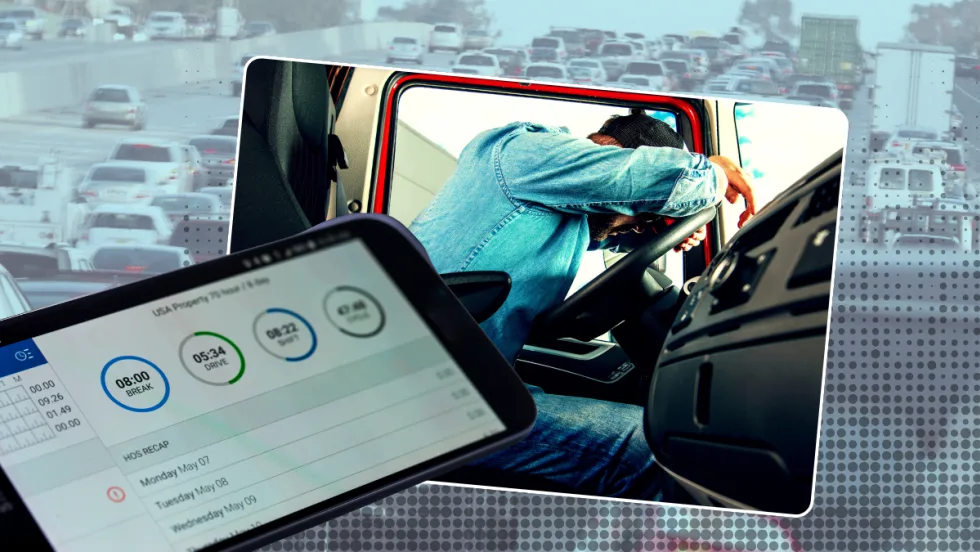
Hours of Service Pilot Programs: FMCSA Readies for 2027 Rollout
Two pilot programs could eventually reshape hours-of-service rules, giving truck drivers options to pause their 14-hour clock or use longer split sleeper rest periods.
Read More →
Medical Cards, English Proficiency Reshape Roadcheck Violations
Medical-card violations jumped to the top of the driver out-of-service list during CVSA’s 2026 International Roadcheck, while English-language proficiency violations appeared among the leading violations for the first time.
Read More →