




About 50 Pilot Flying J Customers Opt Out of Settlement
Tuesday was the deadline for carriers to opt out of a settlement reached in July between some trucking companies and Pilot Flying J over allegations the truckstop chain cheated customers out of fuel purchase rebates. About 50 of the truckstops’s 6,000 customers said they want no part of the agreement.

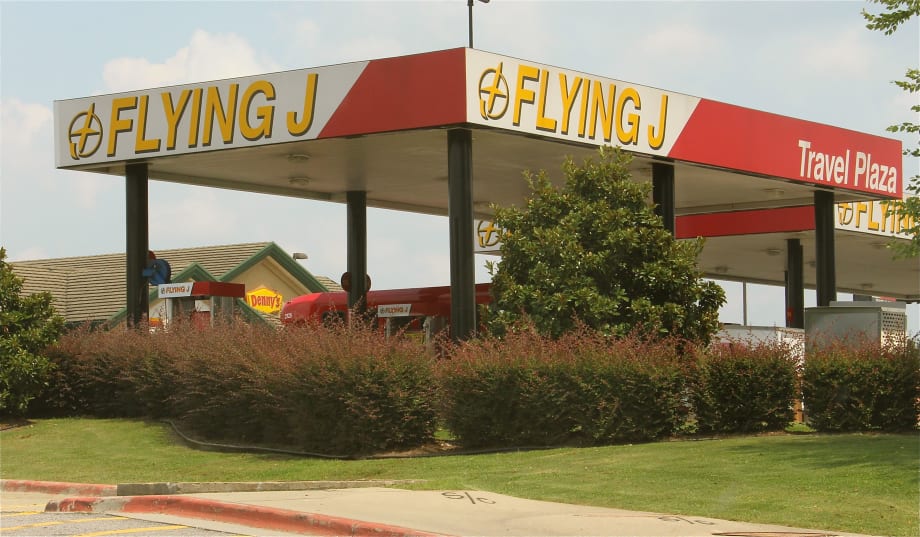
About 50 companies have opted out of a settlement with Pilot Flying J over fuel rebates. Photo: Evan Lockridge
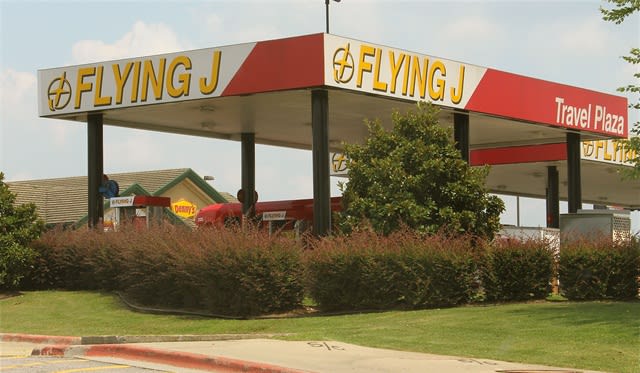
About 50 companies have opted out of a settlement with Pilot Flying J over fuel rebates. Photo: Evan Lockridge
Tuesday was the deadline for carriers to opt out of a settlement reached in July between some trucking companies and Pilot Flying J over allegations the truckstop chain cheated customers out of fuel purchase rebates. About 50 of the truckstops’s 6,000 customers said they want no part of the agreement.
According to the Associated Press, Knoxville attorney Drew McElroy, who has filed suits against Pilot Flying J on behalf of seven clients, says the main problem he sees with the settlement is that it doesn't allow his clients to collect punitive damages against what he called “bad actors.”
"For someone to treat their customers the way these have been treated here and then just say, 'Here's your money back' — we don't think that's a full measure of compensation," he was quoted as saying by AP.
In contrast, attorney David Guin of Birmingham, Ala., who represents a trucking company that decided to accept the settlement, says he is confident his clients will get what they are owed, AP reports.
Customers who don’t opt out will be automatically included in the settlement. Under the settlement, Flying J will pay back customers the full amount they are owed, along with interest. Those who are not included in the settlement will continue their litigation.
On April 15 federal agents raided Pilot Flying J headquarters in Knoxville, Tenn., as part of an investigation into whether the company cheated trucking customers. Since that time seven company employees have pleaded guilty for their roles, but have yet to be sentenced. Others have been fired or put on administrative leave.
A criminal investigation continues, where some have reportedly pleaded guilty. Some employees have been given immunity by federal prosecutors for agreeing to cooperate in the investigation, and there have been recent hints that more indictments could be on the way.
CEO Jimmy Haslam continues to adamantly deny he knew anything about the alleged scheme or any wrongdoing by the company. He also has said Pilot Flying J wants to amicably resolve any situation with customers who feel they are owed money.
Since the raid, more than two dozen lawsuits have been filed by trucking operations against Pilot Flying J, some of them after the settlement was reached. The deal received tentative approval from a judge. A fairness hearing is set for late November.
It’s estimated if the settlement is approved, it will cost the nation’s largest diesel retailer at least $40 million, plus legal fees.
More Drivers

From One Generation to the Next: How Mentorship Builds Safer Truck Drivers
After three decades in trucking, Harold Perry shares what he's learned about driver safety, mentorship, and helping the next generation build confidence behind the wheel.
Read More →
Truck Drivers Need More Than Another Alert
Fleets have more visibility into truck health, safety events, and driver activity than ever. The next challenge is turning all that information into useful guidance for the person who has to decide what to do next.
Read More →
FMCSA Removes 110 Truck Driver Training Schools from Certified ELDT List
Federal regulators also are targeting more than 160 additional training providers and launching a nationwide audit of third-party CDL skills testers as part of a broader crackdown on trucking fraud.
Read More →
Hours of Service Pilot Programs: FMCSA Readies for 2027 Rollout
Two pilot programs could eventually reshape hours-of-service rules, giving truck drivers options to pause their 14-hour clock or use longer split sleeper rest periods.
Read More →
Medical Cards, English Proficiency Reshape Roadcheck Violations
Medical-card violations jumped to the top of the driver out-of-service list during CVSA’s 2026 International Roadcheck, while English-language proficiency violations appeared among the leading violations for the first time.
Read More →
Driver Trust Can Make or Break the Success of Fleet Safety Technology
New Teletrac Navman research suggests that onboarding, transparency about driver data, and positive feedback can play a significant role in how commercial drivers respond to safety and coaching technology.
Read More →
EEOC Sues KLLM Over Alleged Sex Discrimination in Driver Training
KLLM is facing a federal sex-discrimination lawsuit over policies the EEOC alleges put female truck driver trainees at a disadvantage.
Read More →
FMCSA Moves to Codify English Language Requirements for Commercial Drivers
By changing regulations on English-language proficiency requirements for commercial drivers, rather than relying on a guidance memo, the FMCSA said future administrations won't be able to walk back the Trump administration's stricter enforcement with just a memo.
Read More →
Drivers Put Western Star Trucks to the Test at Star Nation Experience
Watch to get an inside look at the Western Star trucks, technology, and community behind the Star Nation Experience 2026!
Read More →
Trump Administration Looks to Put More Veterans Behind the Wheel
The Freedom Haulers program pulls together existing and expanded programs at several federal agencies to recruit veterans to drive commercial heavy-duty trucks and cut the red tape for them to get a CDL, training, and employment.
Read More →