




70 MPH Speed Limit Taking Effect in Illinois
The Illinois Department of Transportation and the Illinois Tollway have announced the locations where Interstate speed limits will increase from 65 to 70 miles-per-hour following a new law that took effect the first of 2014.
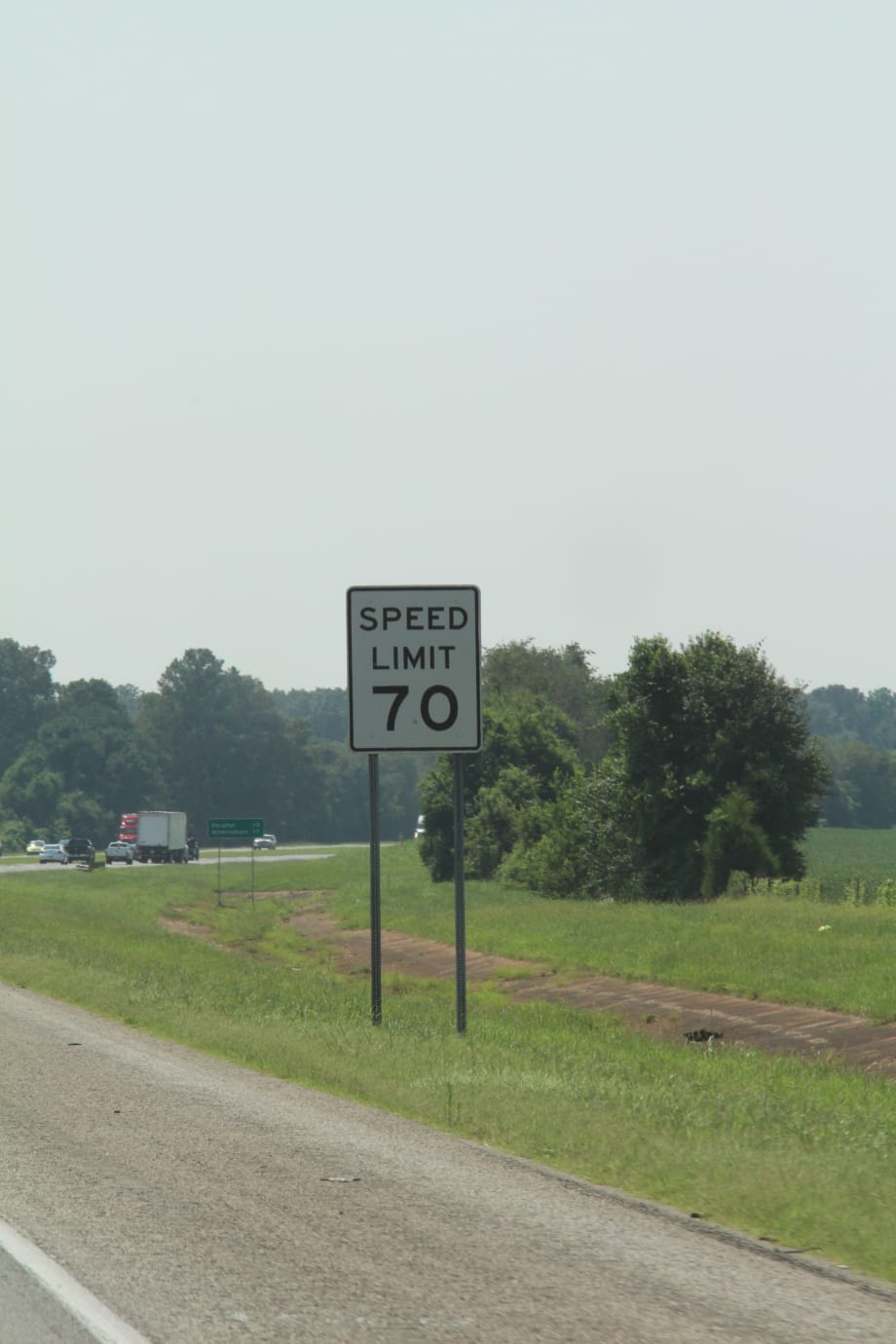
Photo: Evan Lockridge
Photo: Evan Lockridge
The Illinois Department of Transportation and the Illinois Tollway have announced the locations where Interstate speed limits will increase from 65 to 70 miles-per-hour for both trucks and four-wheelers, following a new law that took effect the first of 2014.
Legislation signed into law in August increased the maximum speed limit on Illinois Interstates from 65 to 70 mph, where deemed reasonable and safe, outside the Chicago metro area.
“Illinois Department of Transportation crews will begin to remove the old 65 mph signs and install the new 70 mph signs in the designated areas early January to comply with the new law,” said Illinois Transportation Secretary Ann L. Schneider.
Once all of the new signs are in place approximately 87% of Interstate highways and 98% of rural Interstates under IDOT’s jurisdiction will be increased to 70 mph.
Approximately 28% of the Illinois Tollway’s 286-mile system will be increased to 70 mph.
New speed limit signs have been distributed throughout the state and will be installed through Jan. 17, weather permitting.
The higher speed limit is in effect only in areas where the new signs have been installed.
For the Illinois Tollway, new 70 mph signs will be installed between Jan. 7 and Jan. 14, weather permitting, on a 64-mile segment of the Reagan Memorial Tollway (I-88) and on a 15-mile portion of the Jane Addams Memorial Tollway (I-90).
The new law includes an additional safety provision, which lowers the limit by five mph at which drivers may be charged by law enforcement with excessive speeding. Currently, the threshold for penalties is 31 mph over the limit. The new law lowers that threshold to 26 mph over the limit.
More Drivers

Why Hiring Truck Drivers Is Getting Harder
Higher recruiting costs, a shrinking driver pool, and renewed pay competition are raising the stakes for fleets heading into 2027.
Read More →
Roehl Offers Truck Drivers $10,000 Retention Incentive
Payments begin after the first load and continue in mileage-based installments for eligible experienced drivers joining the fleet.
Read More →
Platform Science Adds Dispatch and Safety Tools
Four additions to PS Fleet help fleets monitor loads, manage driver coaching, share truck locations and adjust video system settings.
Read More →
When Language Stops the Truck: The Return of ELP Out-of-Service Orders
English language proficiency rules for commercial drivers aren’t new, but renewed out-of-service enforcement has raised the stakes. Here’s what carriers need to know before a driver reaches a roadside inspection.
Read More →
Samsara Launches Custom AI Agent Builder
Agent Studio lets fleets create AI tools for hours-of-service monitoring, reporting and driver support, including agents that communicate by phone.
Read More →
Trucker Path Expands Reserved Parking Network
Trucker Path has added close to 6,000 more truck parking spaces to its Trucker Path Reserved Parking Network with the addition of Safe Truck Parking.
Read More →
EEOC Sues Texas Trucking Company Over Driver Age Limits
The agency says Trancasa USA rejected applicants over 65 and applied tougher driving-record standards to those over 60.
Read More →
Nussbaum, Roehl Announce Second Driver Pay Increase This Year
This year has seen a swath of major truck driver pay increases as freight capacity has tightened.
Read More →
From One Generation to the Next: How Mentorship Builds Safer Truck Drivers
After three decades in trucking, Harold Perry shares what he's learned about driver safety, mentorship, and helping the next generation build confidence behind the wheel.
Read More →
Truck Drivers Need More Than Another Alert
Fleets have more visibility into truck health, safety events, and driver activity than ever. The next challenge is turning all that information into useful guidance for the person who has to decide what to do next.
Read More →