




1st Guard Corp. Safeguards Customers by Eliminating Storage of Credit Card Information
1st Guard Corporation, a specialty insurer for long-haul truckers, recently implemented a monumental change in the way they store policyholder credit card information
1st Guard Corporation, a specialty insurer for long-haul truckers, recently implemented a monumental change in the way they store policyholder credit card information.
This change eliminates the storing of all credit card numbers onsite and drastically reduces [if not eliminates] the exposure to a security breach and the liability associated with it.
It is all too common these days to hear about companies that have lost hundreds of thousands of customer credit card numbers in a single devastating event. "1st Guard's priority is to protect our policyholders," commented Daniel Ribar, chief information officer at 1st Guard Corp. "People count on us to provide reliable insurance services and it is our duty to deliver just that," added Ribar.
For each customer that pays their premium electronically, only one primary card will be stored on file. 1st Guard will no longer store multiple credit cards for a single customer. This change immediately reduces the exposure to a security breach. Additionally, only the last four digits of the credit card with the expiration date will appear on the payment screen at 1st Guard. All sensitive numbers that make up the entire credit card will be stored at merchant services which are kept on file for a maximum of 90 days.
Ed Campbell III, chairman of 1st Guard Corporation stated, "The hacker stories on television have made everyone cognizant that security is a huge issue in daily business operations. 1st Guard took the initiative to make sure the best security measures are in place to protect our policyholder's financial information."
More Aftermarket
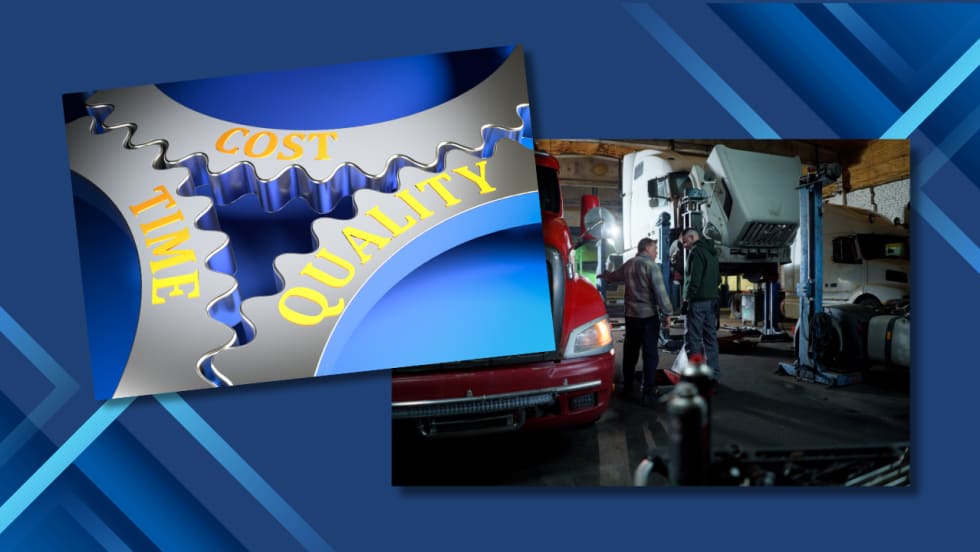
What Three Fleets Are Doing Differently When Buying Truck Parts in 2026
With freight improving but costs still climbing, fleet maintenance executives explain how they're balancing price, quality, and supplier relationships.
Read More →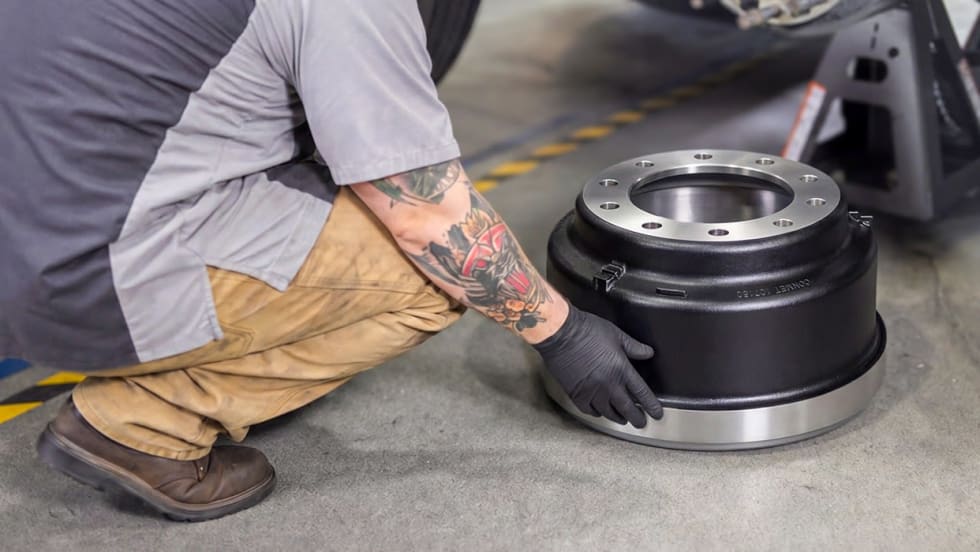
ConMet Expands Aftermarket Brake Drum Lineup With TruCast
A new heavy-duty truck brake drum option in the aftermarket gives customers more flexibility within the ConMet product family.
Read More →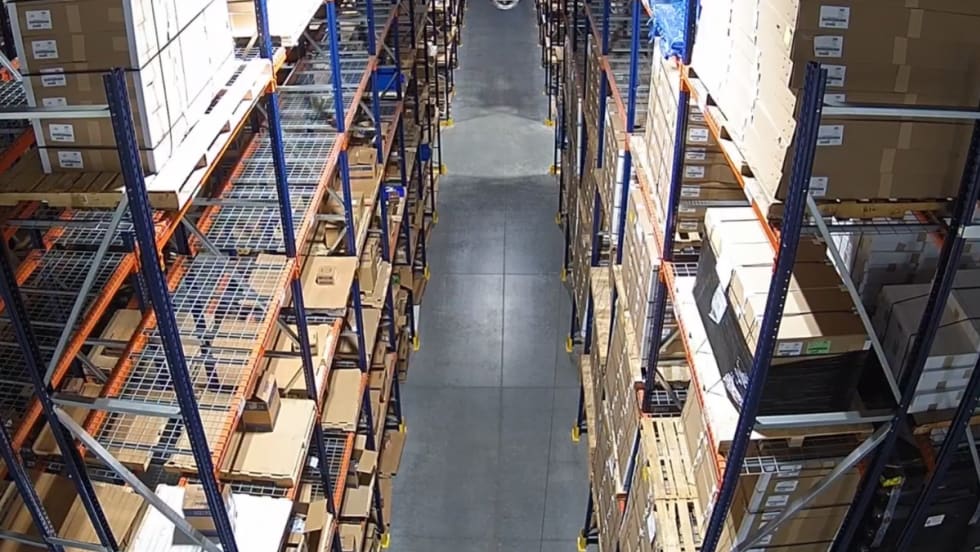
Phillips Opens High-Tech Distribution Center for Faster Parts Delivery
Phillips Industries’ new Cincinnati-area distribution center is now shipping aftermarket trucking parts nationwide, aiming to speed up delivery times for customers.
Read More →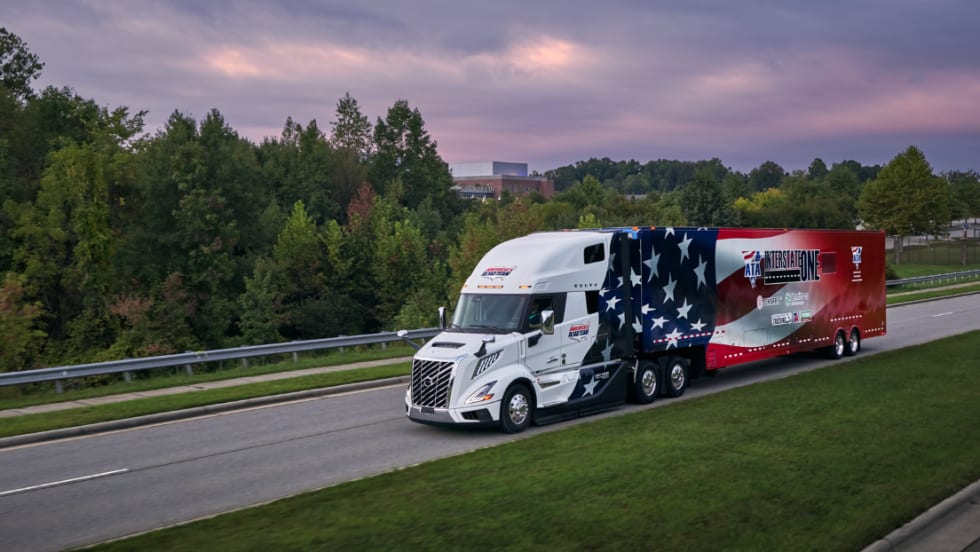
Volvo to Sponsor America’s Road Team for 2025
Volvo Trucks announced that it is extending its exclusive sponsorship of America’s Road Team for 2025.
Read More →
Webb to Start Taking Orders for UltraSet Pre-Adjusted Wheel Hubs
Webb, which recently acquired the Stemco Trifecta pre-adjusted hub program, will soon start taking orders for its replacement pre-assembled hub, the UltraSet.
Read More →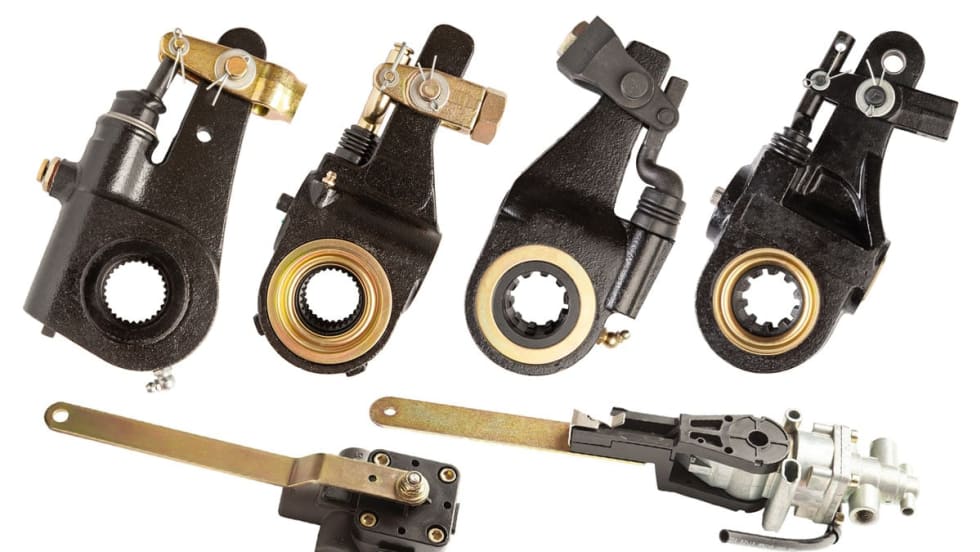
All-Makes Automatic Brake Adjusters, Ride Height Control Valves from Midland
SAF-Holland has added automatic brake adjusters and ride height control valves to its Midland All-Makes Program.
Read More →
ZF Aftermarket Expands [pro]Academy Training
ZF Aftermarket said it is expanding its ZF [pro]Academy training and will be adding 40 new modules this year.
Read More →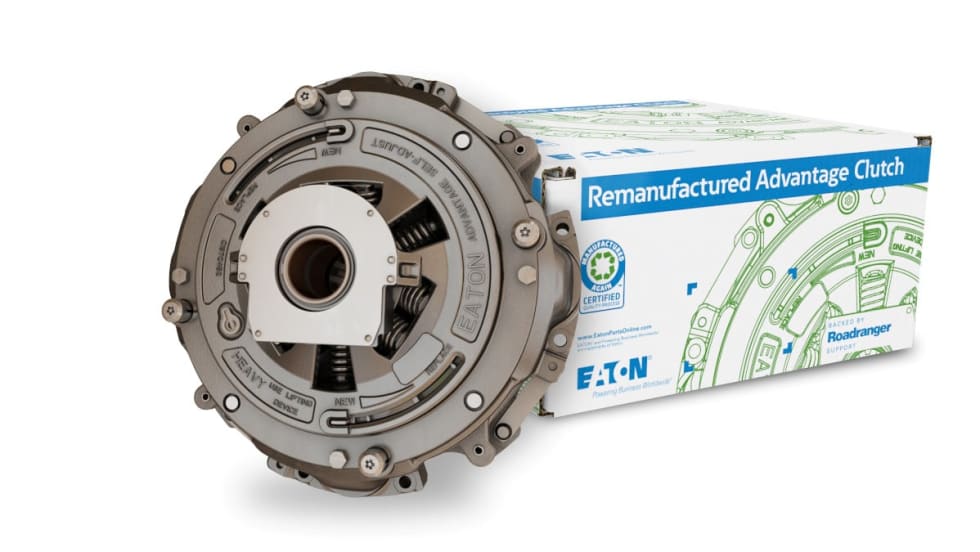
Eaton Adds Remanufactured Advantage Line of Clutches
Eaton has added its Advantage clutches to its remanufactured product line. The clutches feature a unique strap drive intermediate plate designed to allow customers to choose the latest OE specification
Read More →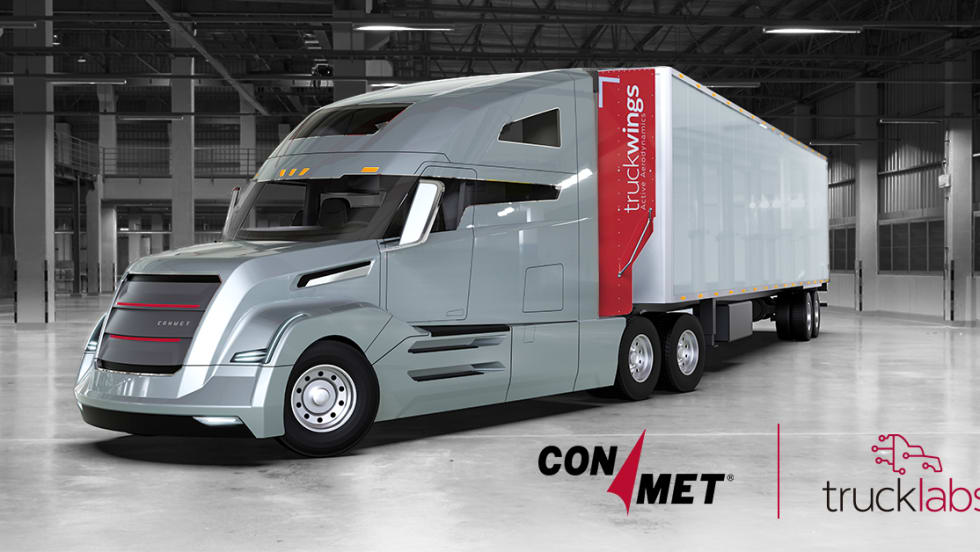
ConMet Acquires TruckLabs, the Creator of TruckWings
Commercial truck and trailer parts provider ConMet acquired TruckLabs, the company that created TruckWings, an aerodynamic device that attaches to truck cabs and deploys to close the gap between truck and trailer. TruckLabs now operates as a subsidiary of ConMet.
Read More →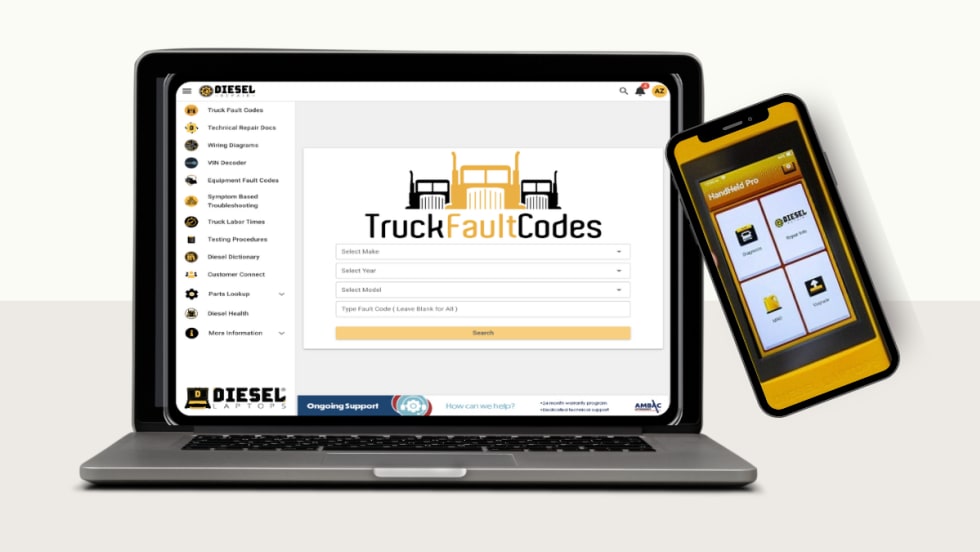
Diesel Laptops Releases Fault-Code-to-Part-Number Tool
Diesel Laptops said its Truck Fault Codes allows users to input a fault code and immediately identify and order the parts needed to complete repair work.
Read More →