




Uber, Otto Talk About Plans to Transform Trucking
The term "Uber for trucking" is at risk of becoming a generic term, being used for a variety of new apps aimed at automating the load booking process, but Uber is making big plans to make "Uber for trucking" a reality, according to a new report from Reuters.

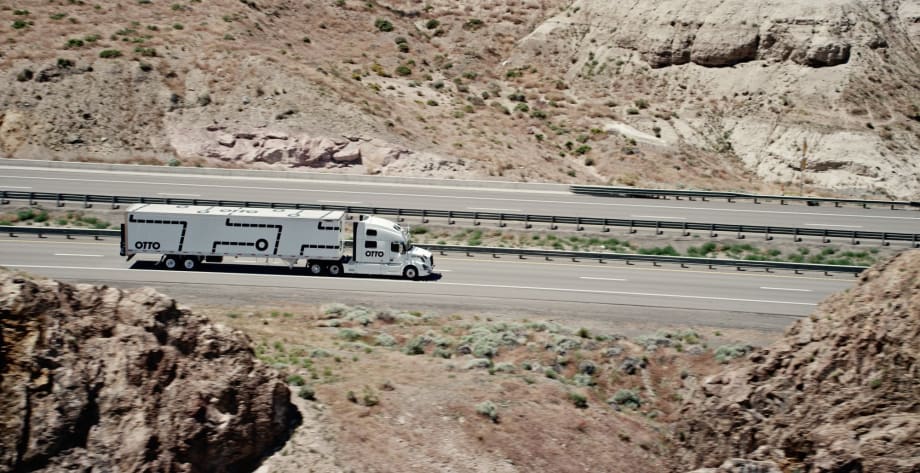
Photo via Otto blog
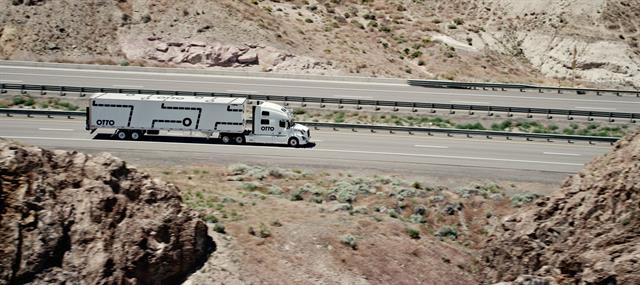
Photo via Otto blog
The term "Uber for trucking" is at risk of becoming a generic term, being used for a variety of new apps aimed at automating the load booking process – but Uber is making big plans to make "Uber for trucking" a reality, according to a new report from Reuters.
With its recent acquisition of self-driving truck startup Otto, Reuters notes, "Uber Technologies Inc. is plotting its entry into the long-haul trucking business, aiming to establish itself as a freight hauler and a technology partner for the industry.... Uber aims to ultimately transform the competitive and fragmented $700 billion-a-year trucking industry, which is notorious for low margins."
Otto, for instance, plans to expand its fleet of trucks from six to about 15, Reuters reports, and is reaching out to independent truckers and fleets, Otto co-founder Lior Ron told Reuters in an interview. Ron told Reuters that "thousands" of owner-operators have reached out to the company.
"Starting next year, Otto-branded trucks and others equipped with Otto technology will begin hauling freight bound for warehouses and stores, he said."
There's been a lot of skepticism within the industry about "driverless trucks," although there does seem to be a lot of potential to use autonomous technologies for fuel-saving truck "platoons" and as advanced driver assist systems to make driving easier and safer. The recent IAA commercial vehicles show in Germany that I attended last week highlighted many of these up-and-coming technologies.
But truly autonomous trucks are not realistic in the near future. It's not so much the technology itself (which is nothing short of amazing stuff from my teenage sci-fi dreams), but addressing questions about liability, regulations, and public attitudes.
However, retrofitting trucks with Otto's autonomous driving technology is only part of Uber's long-term plan. For the short term, it's also pitching services that will have it competing with brokers and third-party logistics companies, Reuters reports. "The Uber-Otto efforts include a host of other technologies involving navigation, mapping and tracking, which can be deployed even as work continues on self-driving systems."
People in the trucking industry are often skeptical of the feasibility of outsiders truly being able to make "Uber for trucking" technologies work in a widespread way. When you're booking a ride to the airport for a person, the load, a person, generally fits into a range of parameters that is fairly standard. But that's not the case for freight at all, making it's a much more complex and sophisticated process. Is the load hazmat? Does it have to be kept at a specific temperature? Does it need specialized equipment or handling? Security clearance? What about fleet sustainability requirements?
There seems to be some realization that real-world trucking experience will be needed to turn the Uber dreams into reality. As Reuters reports, Otto recently hired Bill Driegert, a logistics veteran who helped found Coyote, a leading freight broker, and served as its chief innovation officer, according to his LinkedIn profile.
"Self-driving trucks may eventually ease the driver shortage facing the trucking industry," write the Reuters reporters. "But even absent autonomous technology, Otto says it could help decrease the cost of trucking goods by more quickly finding freight, mapping more efficient routes and reducing fuel consumption."
Uber and Otto are hardly the only ones working on that. At this week's TMW/PeopleNet In.sight user conference in Nashville, TMW President David Wangler opened the first joint conference of the two Trimble-owned companies emphasizing the fact that by working together, “we can transform the way the transportation industry works,” and that by leveraging the two companies’ combined experience, they could deliver solutions that “no one else can.”
I'd say Uber and Otto will have some tough competition in transforming the industry. But there's no doubt that transformation is indeed afoot.
More Blog Posts
Beyond the Central Transport Settlement: Lessons on Hiring and Risk
The $5.5 million discrimination settlement raises broader questions about hiring practices, safety performance, and the hidden risks that can lurk in a fleet's recruiting process.
Read More →
Are Diesel Shortages Something to Worry About Again?
There’s a certain déjà vu when tensions flare in the Middle East and diesel price spikes can give you panic attacks. What parallels are there between the current situation and the 1970s energy crisis?
Read More →
NOx Isn’t Laughing Gas. Let’s Clear That Up.
A recent EPA reference mixed up NOx and nitrous oxide. It’s an easy mistake. Just not one you expect to see in emissions policy. Let’s look at the difference.
Read More →
TMC 2025 Takeaway 2: Buy... or Subscribe?
TaaS. Does that mean trucks as a service, trailers as a service, or tires as a service? HDT's Deborah Lockridge has another takeaway from the Technology & Maintenance Council meeting in her blog.
Read More →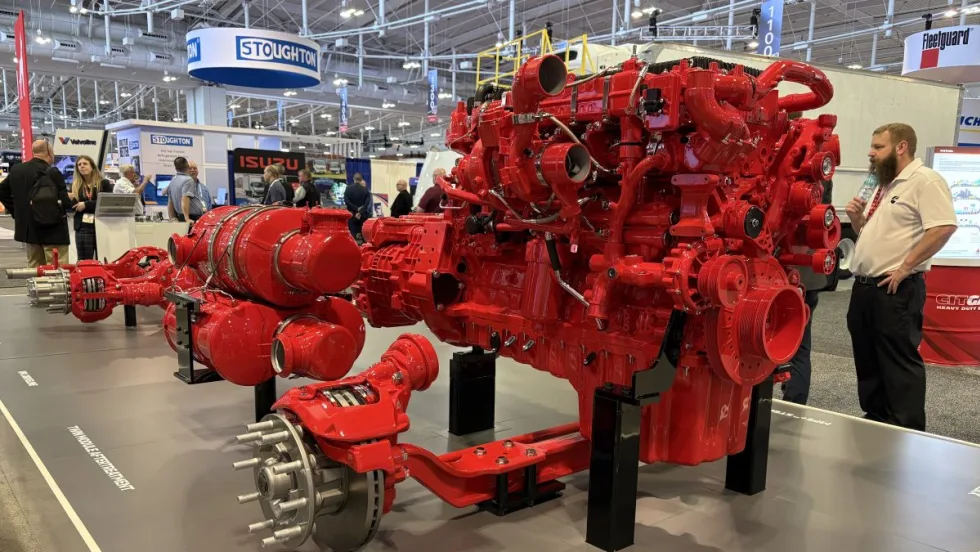
TMC 2025 Takeaway: The Journey Toward Vertical Integration
HDT's Deborah Lockridge on how the trucking industry has moved toward "vertical integration" over the past 25 years.
Read More →
Trucks Are For Girls!
HDT Editor and Associate Publisher Deborah Lockridge is a longtime Girl Scout leader and loves to connect her passion for inspiring girls with her love of the trucking industry.
Read More →
Trucking Advocacy: Impact Beyond the 2024 Elections
No matter who wins the election, trucking continues to work to educate the people who pass the laws and make the rules that affect the industry. HDT's Deborah Lockridge shares insights from two major trucking associations in her All That's Trucking blog.
Read More →
Recharge Your Brain for Better Business
Skimping on vacation may be the worst thing you can do for your business, your career, and your mental health. In her All That's Trucking blog, Deborah Lockridge writes about the importance of giving your brain what it needs to be innovative.
Read More →
Trucker Pre-Trip Leads to Mission 'Im-paw-sible'
See what happened when a truck driver found an unexpected stowaway during his pre-trip inspection.
Read More →
HDT Editor: 2023's Most Important Trucking Topics
Read Deborah Lockridge's picks for the most significant stories we covered at HDT in 2023: freight recession, zero-emission trucks, drivers and marijuana, and more.
Read More →