




There's more to trucking than black smoke and taillights
Equipment Editor, Jim Park, shares his thoughts and experiences about the fund raising truck convoys that happen in the fall. He says these events show a side of drivers the public and some in the industry rarely see.

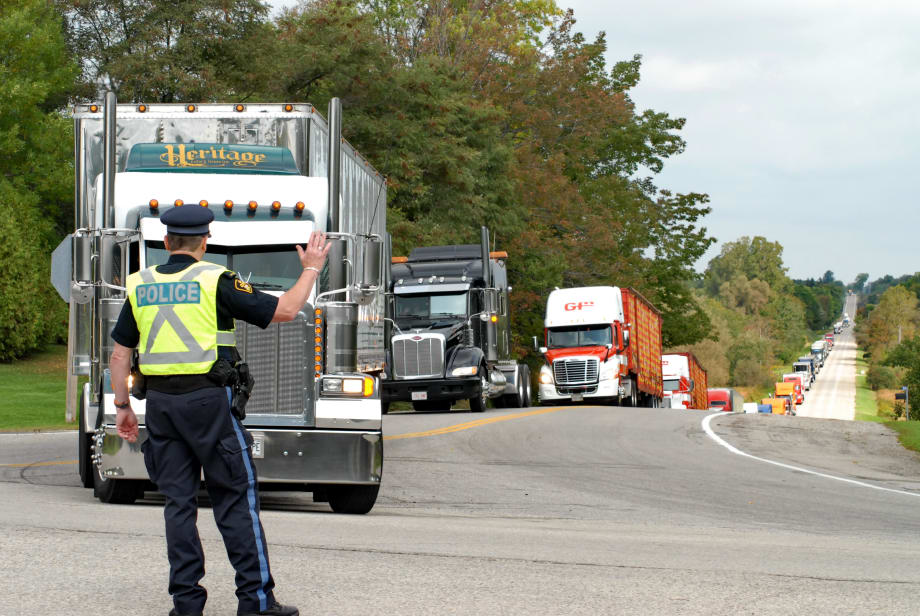
Photo by Jim Park
Following Editor Deb Lockridge's lead, here's a good trucking story. I have had the privilege of being the emcee at one of the World's Largest Truck Convoy for Special Olympics events for the past nine years. Over that time that one event, among dozens of others held each September, has raised more than half a million dollars for these very special athletes.
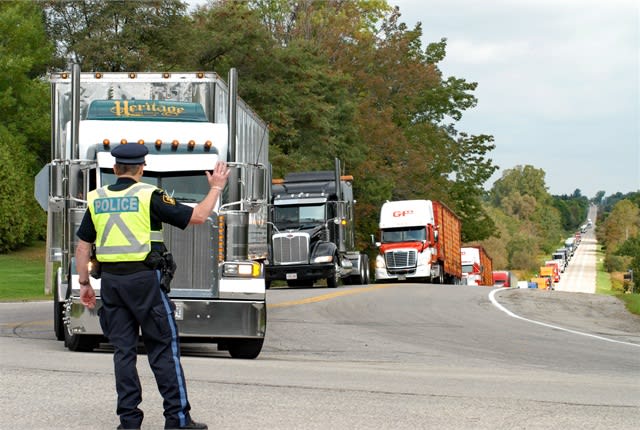
Photo by Jim Park
The Special Olympics Convoy is probably the signature fund raising event for truck drivers, and they pour their hearts and souls into it every year. They book that weekend off weeks or months in advance, get permission from their carriers to participate, and then spend months raising personal pledges, contributions and sponsorships from friends and family, business associates and anyone else from whom they can extort a little cash.
I've seen individual drivers bring in collected contributions of more than $10,000. That's a year's work. The Convoy is pretty big deal to these folks.
The Special Olympics Convoys began rolling in 2001, when Cpl. Norm Schneiderhan, special project coordinator for the Orange County Sheriff’s Office in Florida, brought together his relationships in trucking with his participation in the Law Enforcement Torch Run for Special Olympics. The result was a convoy of a few dozen trucks.
In 2004, the Convoy earned its place in the "Guinness Book of World Records" when 1,136 truck drivers formed 24 convoys across the U.S. and Canada. By 2010, the number of convoys had more than doubled and participation was over 5,000 trucks. According to "Corporal Norm's" Linkedin page, the various Convoys held over the years have collectively raised over $5 million as of 2012.
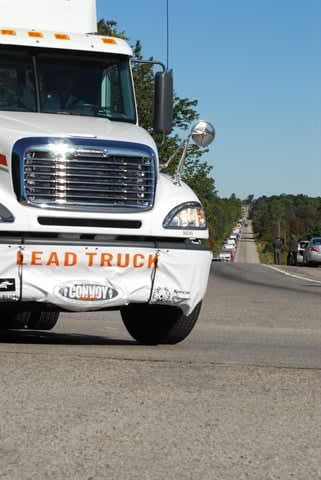
Lead truck honors usually go to the driver that brings in the most pledges and sponsorships. That competition leads to some incredible generosity. Photo by Jim Park
My role in all this has been a small one. Reporting on them, obviously, and promoting them. And my role as emcee at one particular convoy is about rallying the troops and keeping the schedule more or less on track. It's truly an honor be a part of the Convoy helping these folks, the drivers and the volunteers, who do so much work in the months leading up the events.
I think the general impression these Convoys make on the public is positive. Sure, a few horns blare when the police escorts close an intersection for a few minutes to let a Convoy pass, but with the lead and last trucks adorned with Convoy logos, there's a recognition that something good is happening. There much horn tooting and thumbs up from passing cars.
Building Bridges
I think in the nine years I have been involved with that one particular Convoy they have had television coverage three times. The press is always invited but they don't always show up. Sometimes they do, but something bigger on the editorial radar screen bumps the coverage off the nightly news. Though scarce, the coverage has always been positive.
I think it's interesting that these Convoys have brought law enforcement and truckers together -- maybe only for a day, but I've seen some lasting friendships come if it. To their immense credit, the drivers and cops set their differences aside and focus on the Special Olympics athletes. What happened at the scale on Friday, stays at the scale. And having said that, drivers are a lot more comfortable talking with enforcement officers and trying to work out differences in a constructive way away from the heat of the front lines.
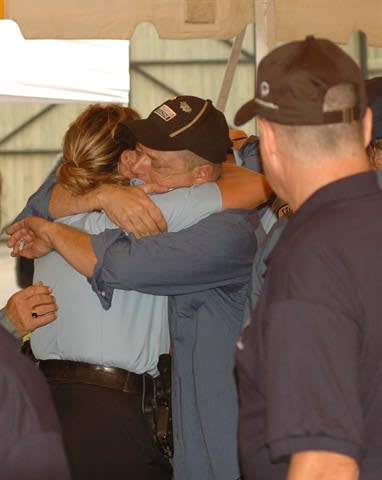
How often do you see a trucker and a DOT officer like this? Photo by Jim Park
In a press release I read online, Tom Reasoner, the assistant director of the Illinois Law Enforcement Torch Run has this to say about the Truck Convoys.
"Special Olympics has a way of bringing everyone together, setting aside differences and building atmospheres of acceptance. The fact that Special Olympics can bring together law enforcement and truckers is a testament to how the athletes of Special Olympics are a true inspiration."
In recent years, several other groups have taken to convoying as a fundraiser, such as Trucking for a Cure, a breast cancer fundraiser, and others.
I think these truck convoys are one of trucking's finer moments. It's a true outpouring of generosity and done in the spirit of giving. I think it shows what drivers are made of and demonstrates to the community there's much more to trucking and truckers than black smoke and taillights.
While I have your attention, check out our photo gallery from some of the Convoy events I have taken part in over the years.
Here's to all the good in Truckers' hearts!
More Blog Posts
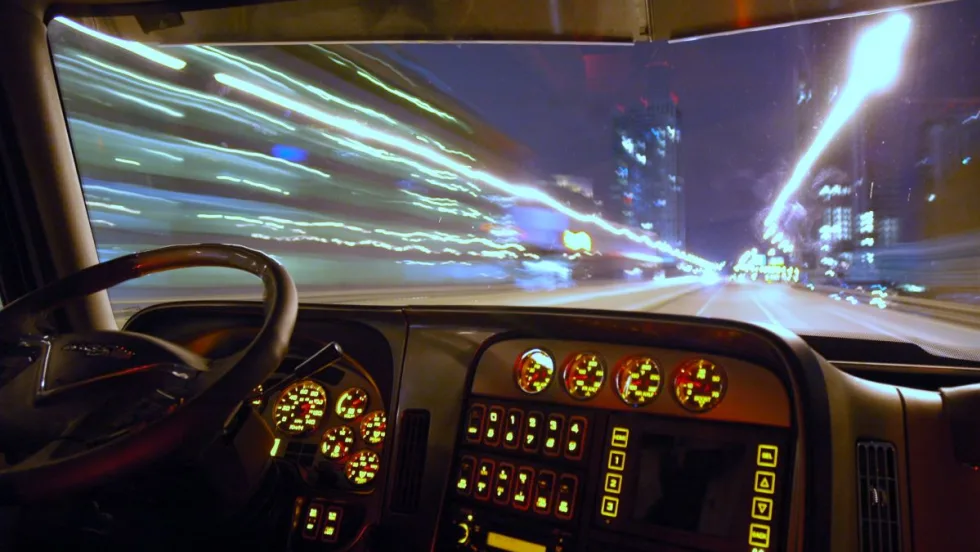
Truck Driver’s Dilemma: Click, Twist or Swipe?
Whether 'tis safer to twist a knob or press a button than to swipe right then swipe down to scan the menu for your favorite playlist...? That's a question for the age.
Read More →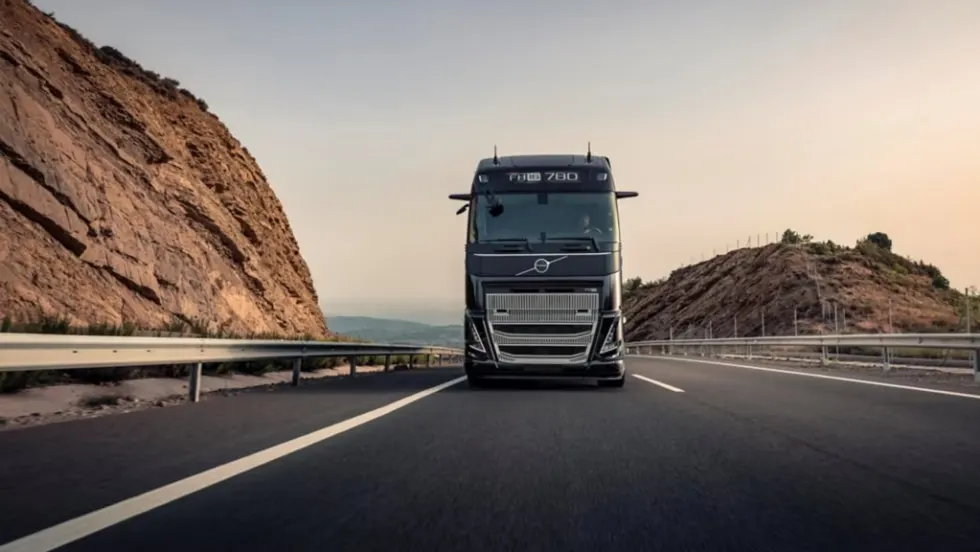
Even the Swedes are Doing Turnpike Doubles
The government doesn't seem to mind asking trucking to invest a trillion dollars toward a greener future. But they won't let us pull turnpike doubles making 30% less CO2. Which is insanity, says HDT's Jim Park in his On the Road blog.
Read More →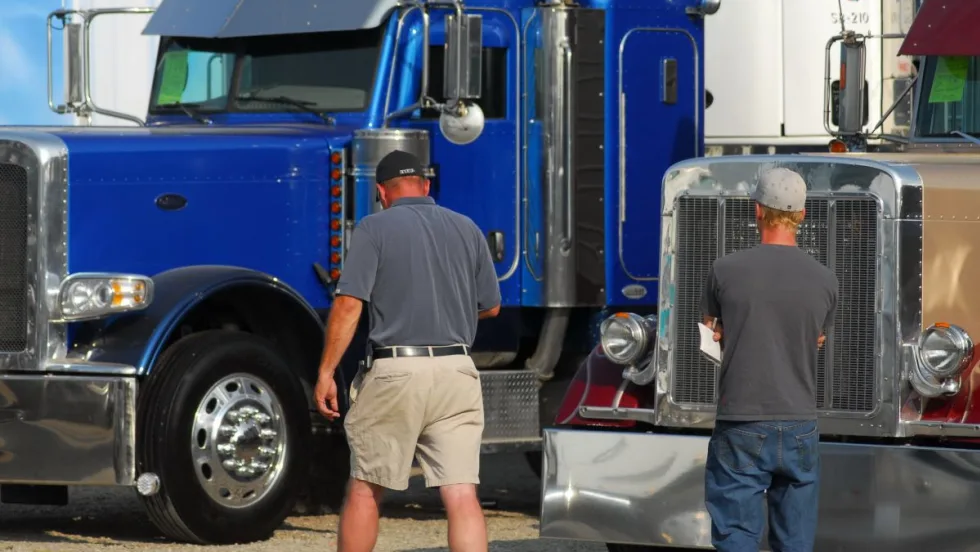
Is Your Recruiting Message on Point?
How does your recruiting and retention messaging compare with the reality at your company? Would your drivers agree with your own assessment? Jim Park explores those questions in his On the Road blog.
Read More →
You Can’t Blame Trucks for the Highland Rest Area Bus Crash [Commentary]
The causes of the Highland Park rest area crash go far beyond the parking shortage and the need for flexibility in hours of service — but those issues must be addressed, too, says Jim Park in his On the Road blog.
Read More →
Electric Trucks Seem Far Down the Road for Fleets Dealing with Today's Maintenance Challenges
While the push for zero-emissions trucks rings clear for regulators, advocates and even a small crowd of suppliers, ZEVs seem to have run out of steam down on Main Street, says HDT Equipment Editor Jim Park in his latest On the Road blog.
Read More →
Guinea Pigs 2.0: Can Trucking Comply with a Near Impossible NOx Reduction?
The EPA’s Final Rule on NOx reduction will be incredibly difficult if not nearly impossible for trucking to comply with. Rather than endure another round of equipment failures, downtime and loss of customer faith, industry needs to rally ‘round the OEMs and seek a solution to this wrong-headed rule.
Read More →
Is Downspeeding Bad for Brakes?
Is there a connection between downsped drivetrains and increased brake wear? There shouldn’t be. Downsped fleets seeing increased brake wear are probably not letting the technology do its job, explains HDT Equipment Editor Jim Park.
Read More →
Dig for the Gold Behind CVSA’s Out-of-Service Numbers
Published out-of-service rates don’t mean much until you dig into the why. With brake problems consistently placing in two of the top five spots, maybe we’re missing something in brake maintenance, writes HDT Equipment Editor Jim Park.
Read More →
Things That Go Poof in the Night
We’re in electric-truck heydays now. But like another famous heyday, the 1849 California Gold Rush, there will be a lot fewer winners than losers, says Jim Park in his On the Road blog.
Read More →
Do Your Truck Drivers Know How to Descend a Mountain Grade?
Where do drivers learn mountain-driving techniques? It's sure not from the typical state CDL manual. Jim Park shares what he learned following a deadly 2019 Colorado crash.
Read More →