





Related: Starsky Robotics Takes its Final Bow
The Buzz is all Electric, But I Like Combustion Engines
Electric trucks are getting all the headlines right now, notes HDT executive contributing editor Rolf Lockwood. But there are still plenty of viable internal combustion options still on the table, too.
March 23, 2020
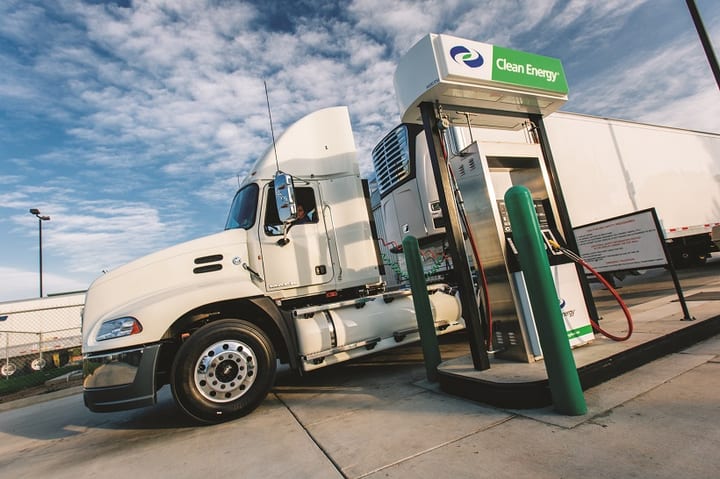
There are still plenty of cost-effective fuels on the market for internal combustion engines, writes Executive Contributing Editor Rolf Lockwood.
Photo: Clean Energy Fuels
3 min to read
Few trucking subjects fascinate me more than the sources of motive power we’ll use in the future, and not just the distant future. The combustion engine will be with us for a very long time to come, I’m convinced, but the fuel it drinks… well, that’s open to a ton of questions and possibilities.
Diesel will be king for ages, but not necessarily in fossil-fuel form. A few years back I might have said that biodiesel – ordinary diesel blended with as much as 20 percent biomass-based fuel -- was going to come on strong, and it looked that way at the time. I wrote a story 10 years ago on a 20-truck farm fleet that switched to biodiesel and had great success with its road equipment and also its huge combines and tractors. Fuel economy rose by 10% or even more right across the board, and the company was downright gleeful. They began with a 5% blend, then moved on to 20 in the summer with no ill effects.
But I went back to visit them last year, having heard that they’d abandoned the biodiesel idea. Seems their engine supplier told them if they continued, their engine warranties would be in jeopardy. So much for their glee. The issue was essentially the lack of refining standards and the possibility of large variations in fuel quality, or so the engine maker said. To my mind the idea still has merit, and I’ll investigate this further.
We may be past that sort of blending and into direct-replacement renewables on a large scale before too long, anyway. New York City is doing exactly that. A user of biodiesel for both fueling its fleet and heating its buildings for the last dozen years, in 2019 it started moving to renewable diesel for its sanitation trucks and some others. Made of plants and animal fats, the fuel is produced by Renewable Energy Group.
“Renewable diesel is an exciting next step which holds the prospect of completely replacing regular diesel with no impact to operations,” said Keith Kerman, NYC chief fleet officer.
Another good example is the City of Oakland, California, where waste feedstock is being converted to renewable diesel to fuel the entire municipal fleet. San Francisco, San Diego, and Eugene, Oregon are doing the same.
Oakland and its partners gather waste cooking oils from restaurants and other businesses in the metropolitan area and convert it to fuel. It’s a low-carbon fuel that cuts engine-out emissions of nitrogen oxides by 9%, those of carbon monoxide by 24%, and fine particulates by 33%, compatible with all diesel engines. The city says it reduces greenhouse gas emissions by 74% compared to conventional fossil diesel.
Renewable diesel costs more per gallon than biodiesel -- some $1.65 more when New York made its switch -- so it won’t be attractive to for-hire fleets at present. Could be a bigger difference nowadays. Some private freight fleets may be better able to justify it, but in the future…
And then there’s renewable natural gas (RNG) soon to be fuelling most of the 170 garbage trucks in the City of Toronto. Slated to start about now, the project will take food scraps and other organic waste and, by way of things called anaerobic digesters, turn all that into biogas. The city is working with natural gas supplier Enbridge to accomplish this.
It’s not the first example of such a beautiful circular solution, with garbage trucks being refuelled by the waste they collect. What makes it unique, I believe, is that the gas will also be injected into the natural gas ‘grid’ and can thus be used by anyone. Toronto is planning to build three more such waste-to-fuel conversion plants.
The point in all this is that, while billions are being spent on battery electric and hydrogen fuel cell electric trucks, there are other short- and long-term options for fleets in cities and out on the highways.
Subscribe to Our Newsletter
More Blog Posts
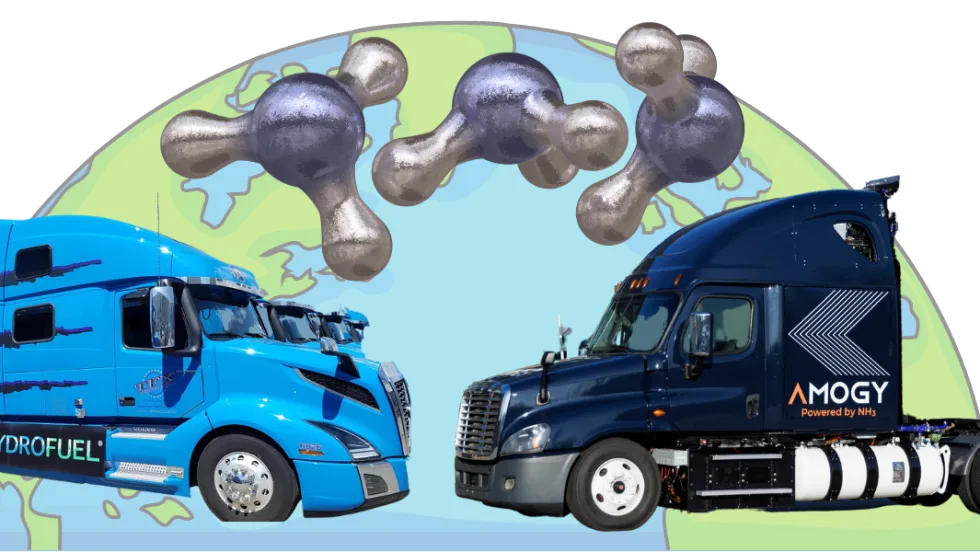
Zero-Emissions Trucking: Saved by Ammonia?
That nasty smell could bring good news in the effort to decarbonize the supply chain. Rolf Lockwood explains why in his Locking it In blog.
Read More →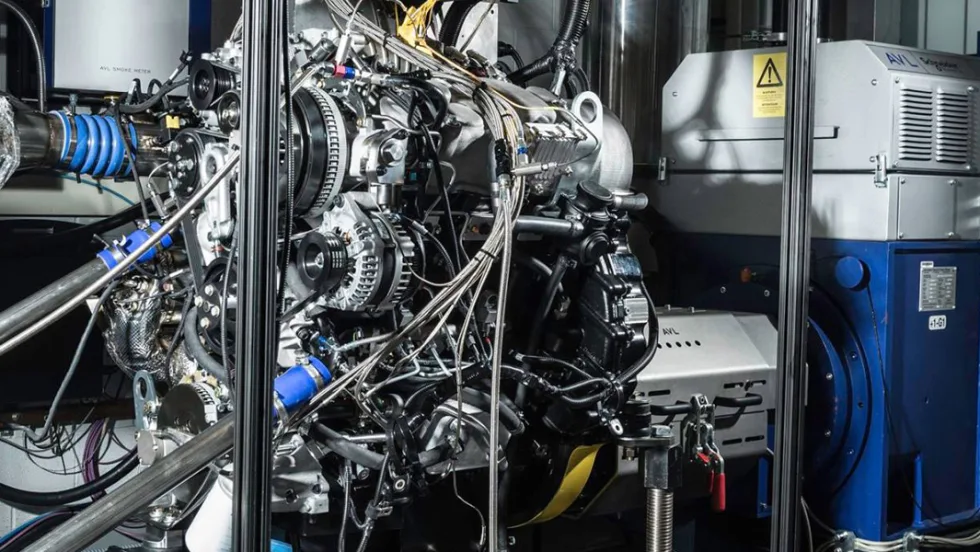
The Achates: A New Old Engine
The diesel is nowhere near dead, but its possible future may surprise you.
Read More →
How Poor Training Contributes to the Driver Shortage
When we don’t prepare new drivers properly, we set them up to fail — and quit, says Rolf Lockwood in his Locking it In blog.
Read More →
Autonomous Origins: Did it All Start With Cruise Control?
“This gives me about 65 mph and my ankle never gets sore.” Rolf Lockwood muses on the evolution of autonomous technology in his "Locking it In" blog.
Read More →
Electric is Big, but Hydrogen will be Bigger
Find out why Rolf Lockwood says no to owning a battery-electric car but is optimistic about the future of fuel-cell electric trucks in his Locking it In blog.
Read More →
The Driver Shortage: We're Not Alone
The challenges facing truck drivers and the trucking companies trying to hire them share commonalities around the globe, says Rolf Lockwood in his latest Locking it In blog post.
Read More →
What Exactly is Torque in a Truck Engine, Anyway?
Is there anything better than having gobs of pounds-feet at your beck and call? Rolf Lockwood talks about what torque is and why it's important in his Locking it In blog.
Read More →
Fuel Cells Really Are on the Way to Trucking
Hydrogen fuel cells are coming on strong, and maybe sooner than you think, says Rolf Lockwood in his Locking it In blog.
Read More →
In Praise of NACFE
The North American Council for Freight Efficiency is an invaluable resource, and its expertise is free, says Rolf Lockwood in his Locking it In blog.
Read More →
Daimler, Volvo Venture a Breakthrough for Hydrogen Trucks
Rolf Lockwood thinks a significant corner has been turned in the quest to bring hydrogen to the highway in heavy trucks. Read more in his Locking it In blog.
Read More →