





From the blog archives (2013)
Coming to a Highway Near You: Driverless Vehicles
Autonomous Origins: Did it All Start With Cruise Control?
“This gives me about 65 mph and my ankle never gets sore.” Rolf Lockwood muses on the evolution of autonomous technology in his "Locking it In" blog.
April 6, 2022
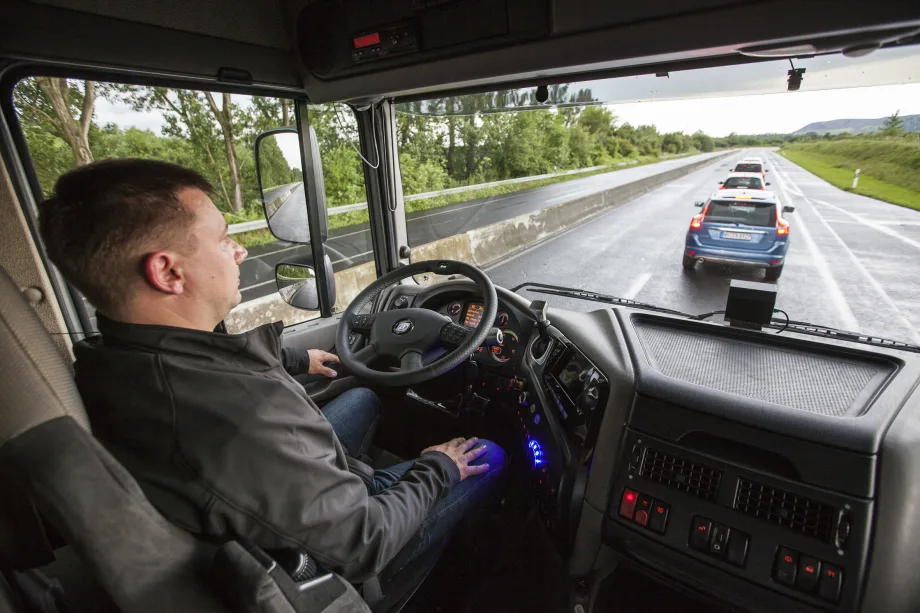
A Daimler autonomous-tech demonstration in 2017.
Photo: Daimler Truck
4 min to read
Do we really want autonomous trucks? Or need them? I’m not a big fan, but it doesn’t matter what I think, because the engineering effort behind autonomy is huge. It’s pretty much a done deal — at least for some trucks in some operations and in some places at some times.
I’m stretching the point a bit, but my first experience with a “semi-autonomous” truck took place 35 years ago in the yard of a major western fleet.
That was a long time before Daimler showed me a Mercedes Actros cabover driving itself on a German autobahn in 2014, with a driver who did not have his hands on the wheel or his foot on the throttle. He was on an iPad ordering pizza from the next truckstop.
A couple of years later, I rode shotgun in the last of a three-truck platoon, again on a German highway in real traffic. The driver had set his speed at 50 mph, following distance 40 feet or so, and then relaxed, arms across his chest. I was soon amazed when the truck “saw” a car about to merge from the right, automatically slowed down to let the car in, then increased its speed to regain the 40-foot gap. The driver did nothing. One smart truck.
But what on earth was going on 35 years ago out on the prairies?
'Prairie Cruise Control'
I was visiting that big, well-respected carrier in learning mode, talking to the big cheeses, to the middle managers, and eventually to a white-haired veteran lease operator who had obviously run a few miles. A good guy, and we got along instantly.
“Come on out and see my new truck,” he said with a big smile, so we trudged across the dusty yard to a shiny Peterbilt 362 cabover and climbed in. He proudly reeled off the specs — Cummins this, Fuller that — while reaching under his seat and asking, “Ever seen prairie cruise control?”
“Nope,” said I, looking at the short piece of 2x4 he’d just retrieved. I noticed it was artfully notched at both ends, and then I understood why as my new friend wedged it between his seat frame and the go pedal.
“I’ve got a six-hour run at night and it’s pretty quiet,” my driver friend said. “This gives me about 65 mph and my ankle never gets sore.”
I think I hid my reaction, but I immediately thought about the danger I saw there. Giving that much control to the truck — that much autonomy — in such a crude manner seemed to be all sorts of wrong. You veterans out there might tell me it was pretty common.
Non-wooden cruise control was invented in 1948 by Ralph Teetor, a blind engineer from Indiana, who eventually became president of the family business, Perfect Circle Corp. A leader in piston-ring technology, it’s been owned by Dana since 1963. Anyway, Teetor’s invention, originally called Speedostat, was first offered as an automotive option by American Motors in 1965 (or perhaps Chrysler in 1958, stories differ). It was cable-actuated. Later, of course, it was electronically operated, and I suppose that was the beginning of the advanced driver assistance systems we see today. Next, antilock brakes spawned traction control and stability control, and we were off to the races.
Today's Autonomous Technology
Advanced, you say? The technology that sits behind an autonomous truck today is truly astonishing, with redundancies and safeguards built in as the development continues. For example…
“What you see coming out of winter testing are advancements that… help pave the way for more of the future of advanced braking and driver assistance systems and beyond,” says Richard Beyer, Bendix vice president – technical sales and vehicle systems. “For instance, one such advancement is improving the way a system compensates for a failed steering actuator in Level 4 [L4, driverless autonomy] functions, using the electronic braking system [EBS]… to steer the vehicle even on snow or ice while keeping the vehicle on the intended path. These redundancies… are necessary for the vehicle to complete the maneuver.”
EBS controls brake pressure electronically, unlike ABS where that control signal is pneumatic from the pedal to the foundation brake. It’s been in use in Europe for almost three decades and it’s a foundational building block for L4 automation.
OK, that’s comforting… so why am I not convinced about all this?
Operationally, among my worries is that nobody has proven to me that an autonomous truck’s electronic systems can’t be hacked. In that event, I can envision all manner of mayhem.
I also don’t buy the notion that driving jobs won’t be lost. Highway runners won’t be at risk for many years, but in some places, local and short-haul jobs will be in jeopardy sooner or later – prime jobs, the very ones that a lot of present-day long-haulers want in order to get home every night.
The proof that all this will bring a net benefit is going to be in the pudding, as they say.
Let me know what you think.
Subscribe to Our Newsletter
More Blog Posts
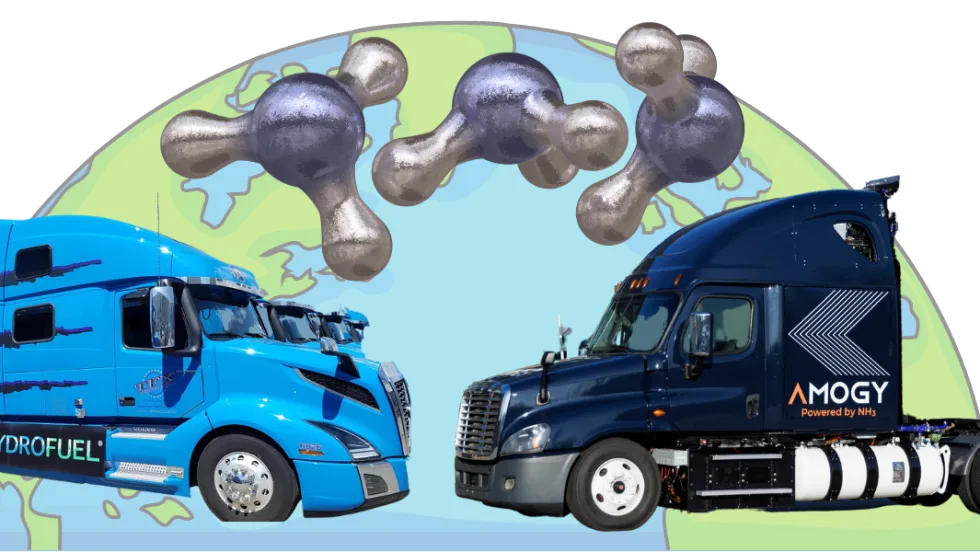
Zero-Emissions Trucking: Saved by Ammonia?
That nasty smell could bring good news in the effort to decarbonize the supply chain. Rolf Lockwood explains why in his Locking it In blog.
Read More →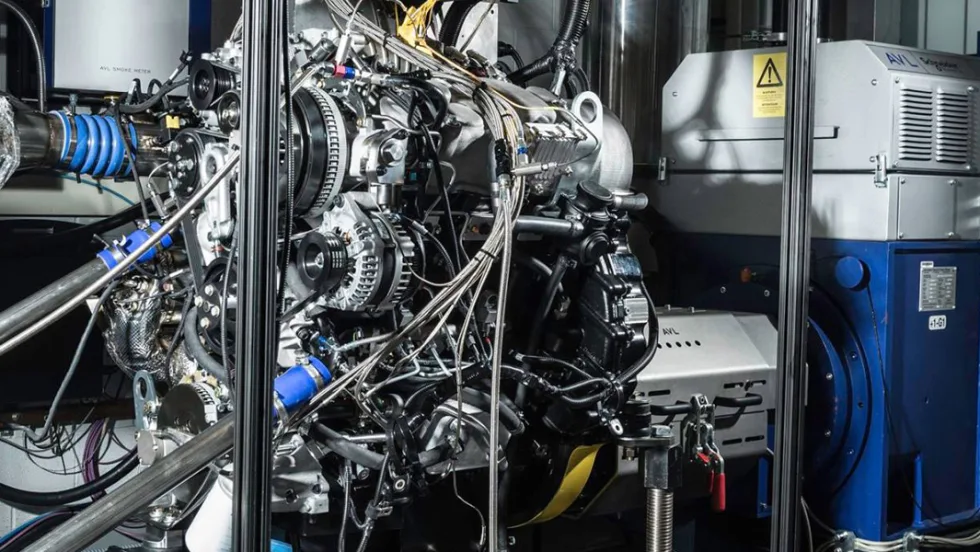
The Achates: A New Old Engine
The diesel is nowhere near dead, but its possible future may surprise you.
Read More →
How Poor Training Contributes to the Driver Shortage
When we don’t prepare new drivers properly, we set them up to fail — and quit, says Rolf Lockwood in his Locking it In blog.
Read More →
Electric is Big, but Hydrogen will be Bigger
Find out why Rolf Lockwood says no to owning a battery-electric car but is optimistic about the future of fuel-cell electric trucks in his Locking it In blog.
Read More →
The Driver Shortage: We're Not Alone
The challenges facing truck drivers and the trucking companies trying to hire them share commonalities around the globe, says Rolf Lockwood in his latest Locking it In blog post.
Read More →
What Exactly is Torque in a Truck Engine, Anyway?
Is there anything better than having gobs of pounds-feet at your beck and call? Rolf Lockwood talks about what torque is and why it's important in his Locking it In blog.
Read More →
Fuel Cells Really Are on the Way to Trucking
Hydrogen fuel cells are coming on strong, and maybe sooner than you think, says Rolf Lockwood in his Locking it In blog.
Read More →
In Praise of NACFE
The North American Council for Freight Efficiency is an invaluable resource, and its expertise is free, says Rolf Lockwood in his Locking it In blog.
Read More →
Daimler, Volvo Venture a Breakthrough for Hydrogen Trucks
Rolf Lockwood thinks a significant corner has been turned in the quest to bring hydrogen to the highway in heavy trucks. Read more in his Locking it In blog.
Read More →
The Buzz is all Electric, But I Like Combustion Engines
Electric trucks are getting all the headlines right now, notes HDT executive contributing editor Rolf Lockwood. But there are still plenty of viable internal combustion options still on the table, too.
Read More →