




How Poor Training Contributes to the Driver Shortage
When we don’t prepare new drivers properly, we set them up to fail — and quit, says Rolf Lockwood in his Locking it In blog.

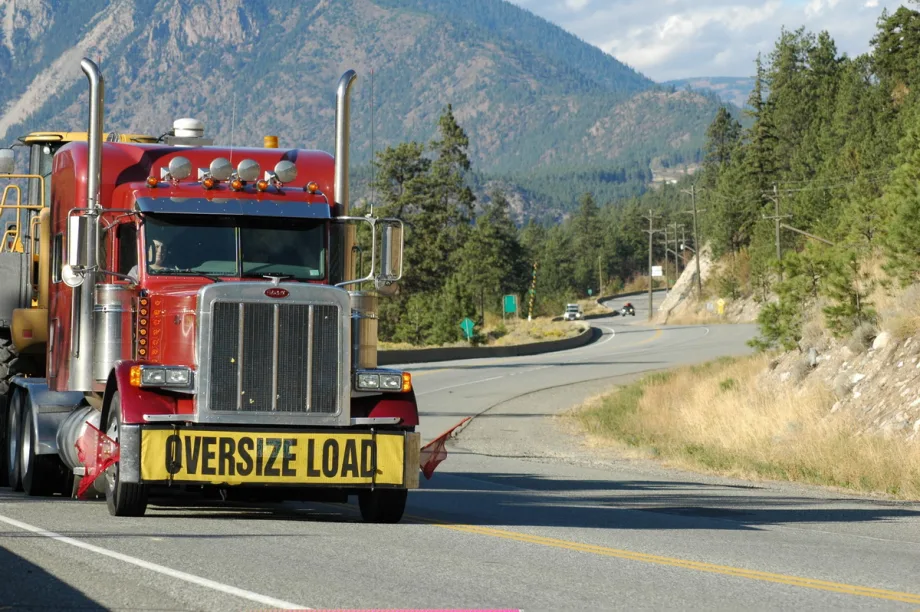
If a driver's not trained properly, nerves and stress and poor performance will follow. And that’s not conducive to job satisfaction.
Photo: Jim Park
There are a zillion reasons to improve trucking’s driver-training system (if it can actually be called a “system” at all). One of those reasons may not be obvious, but I’m convinced it’s real. That’s driver retention, and I think proper training is an almost sure-fire way to keep people at the wheel.
Make drivers comfortable with what they’re doing, on the road and off, by ensuring that they feel confident in traffic and weather, and above all that they understand the truck and its various mechanical and electronic components. There’s more to a driver’s role, of course, but if he or she is unsure about those basics, nerves and stress and poor performance will follow. And that’s not conducive to job satisfaction.
If we don’t prepare truck drivers well, for what is not an easy job, we just set them up to fail — or at the very least become unsure of themselves and then disgruntled. Not the way to start any career.
How many truck-driving schools teach newbies the practical meaning of center of gravity, for instance? I’ll bet it’s a tiny minority. You sure as hell won’t see that in the cheapo schools that flourish because all they do is prepare people for a road test. But send a rookie with such minimal training on his first trip from the flatlands to driving in the mountains and the result could well be catastrophe (or at the very least soiled jeans). Just ask any mountain-area highway cop about that scenario and you’ll get an earful.
On a much simpler level, the veterans amongst you will remember people complaining years ago about suddenly being given a truck with a Fuller 13-speed to drive when they’d been accustomed to a 10-speed or some other simpler gearbox. No instruction, no access to a manual (and probably no time to read it anyway). Missed shifts and attention gaps surely followed. And the complainers weren’t always new drivers.
The same holds true for the abundance of technologies that must be learned today. Training on that front, from what I hear, is scanty.
Throwing New Truck Drivers in the Deep End Before They’re Ready
Pardon me if I’ve told this tale before, but my own nephew was a victim of lousy preparation, and it helped to cut his driving career short. He was a natural for the job, a skilled driver with good mechanical senses, and he paid serious money for training at a good school where he excelled. I immediately got him an interview with what I thought was a top-notch fleet and he signed on.
But two weeks later — a raw rookie — he was dispatched to pull 140,000-lb B-train flatbeds into seriously hilly territory. He was thrown into the deep end with nowhere near enough experience or training to handle it. Some may say that’s the best way to learn. Once upon a time when the roads were much emptier, that notion might have had at least a little merit. Not today.
To his credit, while admitting that he was scared sh**less more than once, he hit nothing, killed nobody, and ran that route nervously but successfully for another couple of months. Still, he launched his career on a very sour note and quit trucking not long afterward. Our industry lost a good one.
So much for a top-notch fleet.
Proper Training = Driver Retention
No matter what you say, there is a shortage of truck drivers, especially long-haulers. You can re-state that fact as a shortage of people willing to do the job, for all manner of well-understood reasons, but the end result is the same: not enough folks to put behind the wheel. A recruitment problem that seems to defy solution.
These scenarios also affect the job satisfaction and retention of more experienced drivers, who don’t want to share the road with poorly trained rookies. More and more often, for example, I hear and read veteran drivers say they’re frightened to drive certain roads in winter. Not that they can’t handle the conditions — rather that so many others can’t.
And there you have a double-edged retention issue. The new drivers aren’t trained to feel comfortable at the wheel, and the old ones are just plain scared.
We simply have to get serious about training.
The Biden administration recently announced that it’s following through on its Trucking Action Plan commitment by awarding more than $44 million in grants to enhance road safety and make the process to obtain a CDL more efficient. Great, but that’s not much money, and it misses the mark anyway. It’s just a tune-up when we should actually be launching an overhaul.
Sorry, Mr. President, we don’t need a more efficient process half as much as we need a very tough and comprehensively rigorous one.
More Blog Posts
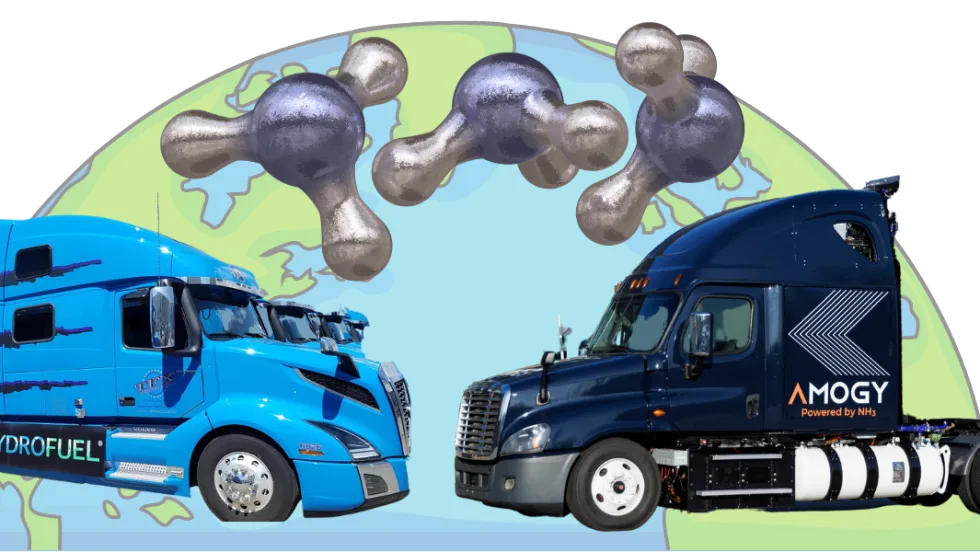
Zero-Emissions Trucking: Saved by Ammonia?
That nasty smell could bring good news in the effort to decarbonize the supply chain. Rolf Lockwood explains why in his Locking it In blog.
Read More →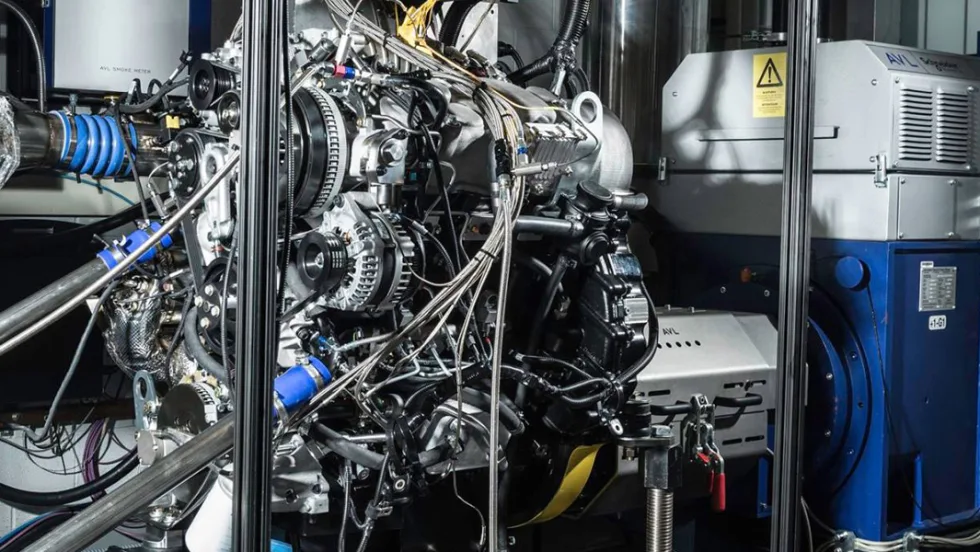
The Achates: A New Old Engine
The diesel is nowhere near dead, but its possible future may surprise you.
Read More →
Autonomous Origins: Did it All Start With Cruise Control?
“This gives me about 65 mph and my ankle never gets sore.” Rolf Lockwood muses on the evolution of autonomous technology in his "Locking it In" blog.
Read More →
Electric is Big, but Hydrogen will be Bigger
Find out why Rolf Lockwood says no to owning a battery-electric car but is optimistic about the future of fuel-cell electric trucks in his Locking it In blog.
Read More →
The Driver Shortage: We're Not Alone
The challenges facing truck drivers and the trucking companies trying to hire them share commonalities around the globe, says Rolf Lockwood in his latest Locking it In blog post.
Read More →
What Exactly is Torque in a Truck Engine, Anyway?
Is there anything better than having gobs of pounds-feet at your beck and call? Rolf Lockwood talks about what torque is and why it's important in his Locking it In blog.
Read More →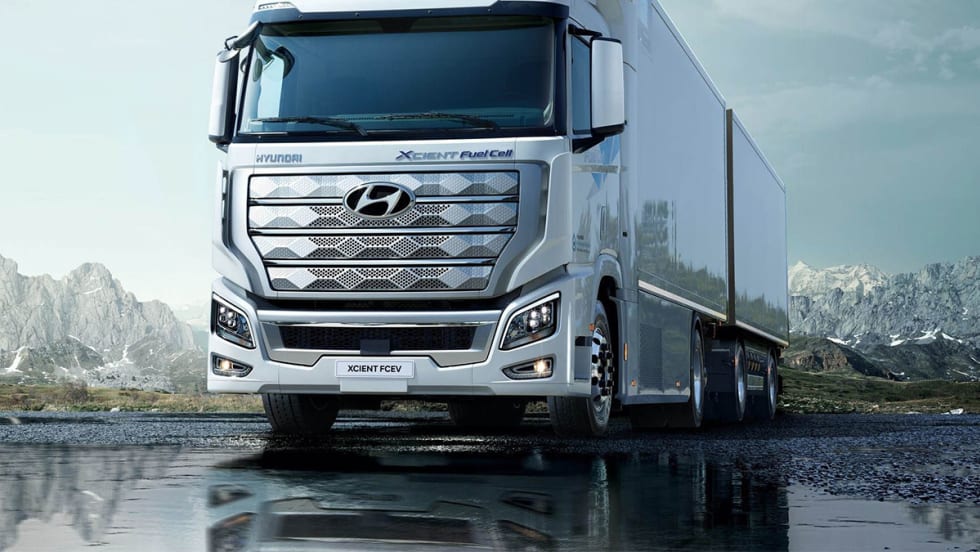
Fuel Cells Really Are on the Way to Trucking
Hydrogen fuel cells are coming on strong, and maybe sooner than you think, says Rolf Lockwood in his Locking it In blog.
Read More →
In Praise of NACFE
The North American Council for Freight Efficiency is an invaluable resource, and its expertise is free, says Rolf Lockwood in his Locking it In blog.
Read More →
Daimler, Volvo Venture a Breakthrough for Hydrogen Trucks
Rolf Lockwood thinks a significant corner has been turned in the quest to bring hydrogen to the highway in heavy trucks. Read more in his Locking it In blog.
Read More →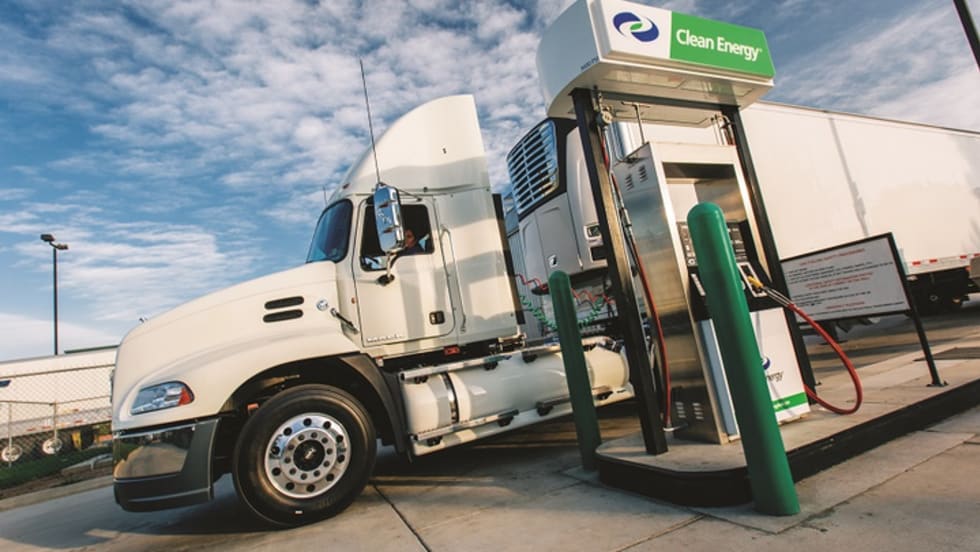
The Buzz is all Electric, But I Like Combustion Engines
Electric trucks are getting all the headlines right now, notes HDT executive contributing editor Rolf Lockwood. But there are still plenty of viable internal combustion options still on the table, too.
Read More →