




For Whom the Bridge Is Tolled…
The question, agree those on both side of the truck-tolling divide, is how to pay for the extensive repairs and improvements needed to keep Rhode Island competitive with its New England neighbors.

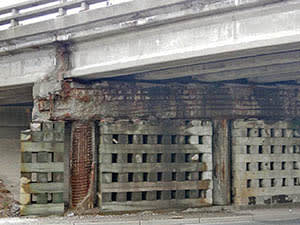
Image via www.dot.ri.gov
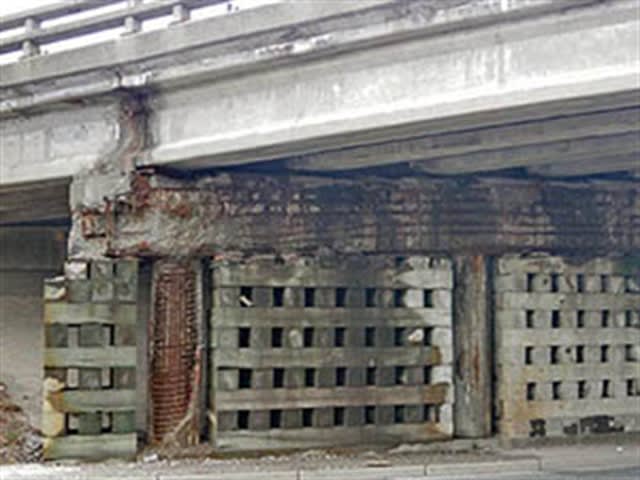
Image via www.dot.ri.gov
The Rhode Island General Assembly is in session only from the beginning of January to the end of June. But last summer is no distant memory for its part-time lawmakers.
Members of the House and Senate returned to Smith Hill in Providence on Jan. 5 to a full plate of unfinished business. Arguably, the least appetizing item they face is a hotly contested truck-only toll plan to fund bridge repairs.
No one in the General Assembly or the Governor’s Office-- and no doubt pretty much anyone who lives or works in the Ocean State-- disputes the deplorable conditions of its highway infrastructure.
The question, agree those on both side of the truck-tolling divide, is how to pay for the extensive repairs and improvements needed to keep the state competitive with its New England neighbors, including maintaining its stretch of the most critical north-south artery on the East Coast— I-95.
Rhode Island DOT has this to say about the state of the highways:
“Rhode Island ranks last in the nation, 50th out of 50 states, in overall bridge condition-- about 22% of the 1,162 bridges in Rhode Island are structurally deficient.”
“We do not have a reliable, sustainable funding source-- we're tied with one other state (Montana) as the most reliant on federal dollars to fund our infrastructure.”
“Rhode Island lags other states along the I-95 corridor in how it finances road and bridge repairs-- we're among the few states in the Northeast that does not charge user fees to large commercial trucks.”
The RhodeWorks plan calls for fixing more than 150 structurally deficient bridges and making repairs to another 500 bridges “to prevent them from becoming deficient.” It would invest an additional $1 billion above current plans in transportation infrastructure.
Part of the funding would be derived from truck tolls, to be used to finance $500 million in repairs and replacements of aging bridges, for the state’s aging bridge infrastructure. The state expects the tolls to raise between $60 million and $100 million a year.
It should be noted that when the plan was first rolled out, national and local trucking groups raised enough of a hue and cry about the tolls hitting only commercial trucks that the proposal was amended so it would only apply to vehicles of Class 8 and above.
Language was also added that would allow RI DOT to establish a program that would limit the assessment of tolls on a single vehicle within one day. Individual large commercial vehicles would only be subject to tolls once per location, per day in each direction.
The scheme had been proposed in 2015 by Gov. Gina Raimondo (D). On Jun. 23, just before adjourning for the year, the Democratic-controlled Senate passed the bill by a 33-4 vote along party lines. While the Democrats (63-11-1) also hold the majority (63-11-1) in the House, it appears the tolling measure won’t pass that chamber quickly or easily.
Back in June, the Providence Journal reported that the bill “went flying to the Senate floor for a same-day vote, winning the unanimous approval of the Senate Finance Committee moments after the latest version” was introduced.
Remarkably on that very day, RI DOT closed a bridge in Cranston near the law office of House Speaker Nicholas Mattiello (D). The newspaper report noted that the Senate pushed the truck-only toll bill ahead “despite repeated statements of concern by Mattiello about the potential consequences for Rhode Island businesses that rely on highway shipments.”
So much for the perceived advantage of one-party rule.
On the other hand, the Journal reported this week that Mattiello said he now expects “a final version of an infrastructure bill will most likely have a tolling provision."
However, he added that to make that happen, the Raimondo administration “has to do a lot of disclosing very, very quickly because until that is done, the House of Representatives will not take anything up."
The Speaker’s vote, of course, is not the only one that counts. Lawmakers up for reelection this year will have to ponder how much grass-roots campaigning against truck tolling— chiefly by the StopTollsRI coalition— may build public support against the proposal.
If indeed “all politics is local,” it could be argued that you can’t get more local than a broken-down bridge. Except deciding on who should pay to fix it.
More Blog Posts
Congress Dancing on the Ceiling. Again.
It’s time once more on Capitol Hill to battle over the debt ceiling, rather than conduct the nation’s urgent business, says HDT Business/Washington Contributing Editor David Cullen.
Read More →
Infrastructure on Capitol Hill: On Two Tracks to Somewhere
It’s likely an infrastructure bill will pass. But how big it will be, and who will pay for it, rides on lots of politicking.
Read More →
Gaming Out The Biden Infrastructure Proposal on Capitol Hill
The Biden Administration's American Jobs Act, the core of which is infrastructure funding, is on a long road to becoming law – replete with more twists and turns than a mountain highway.
Read More →
4 Ways Washington May Change Trucking Laws and Regulations
As the balance of power in Washington has shifted, trucking likely will see changes in laws and regulations. But how that happens isn't just like the Schoolhouse Rock version of "I'm Just a Bill."
Read More →
Regulatory Outlook 2020: Keep an Eye on Hours of Service
What's in store for trucking from the regulators in Washington, D.C., this year? Executive Editor David Cullen says the government wheels move slowly, but hours-of-service is among those to watch in 2020.
Read More →
Logistics Ain't What it Used to Be
You can no longer expect to run a motor carrier of any size without at least a glancing appreciation for the impact logistics— in one way or another-- has on every link in the supply chain.
Read More →
Will Dustup over Cleanup of Car Emissions Gut Truck GHG Rules?
What does Trump's revocation of California's vehicle emission waiver mean for the federal Phase 2 GHG emission rules already in place for commercial vehicles? Commentary by Executive Editor David Cullen.
Read More →
Some Sober Advice on the Drug & Alcohol Clearinghouse
The Federal Motor Carrier Safety Administration's prep work for the Drug & Alcohol Clearinghouse includes amassing an impressive amount of informational guidance online that can be accessed at a dedicated website. Commentary by Executive Editor David Cullen.
Read More →
Here's to Our Winners
The managers, executives, and owners of truck operations who are honored each year by Heavy Duty Trucking with our Truck Fleet Innovator awards so often seem to be moving at a fast clip in how they think about things. Blog Commentary by Executive Editor David Cullen.
Read More →
ATA Takes Madison Avenue to Pitch Highway Funding on Capitol Hill
A new advertising and grassroots campaign by ATA might just sell Congress on fixing our roads. Commentary by David Cullen, Executive Editor.
Read More →