





Related: SuperDuty Pickups Ably Tow, and Back, Heavy Trailers
For Tankers, 'Vapor Recovery' Works Two Ways
He stood at an open pipe at the tanker and held his hand in front of it, checking air as it flowed inside. During product loading, vapor-laden air is drawn out of the tanker to keep it from bursting.
October 14, 2016
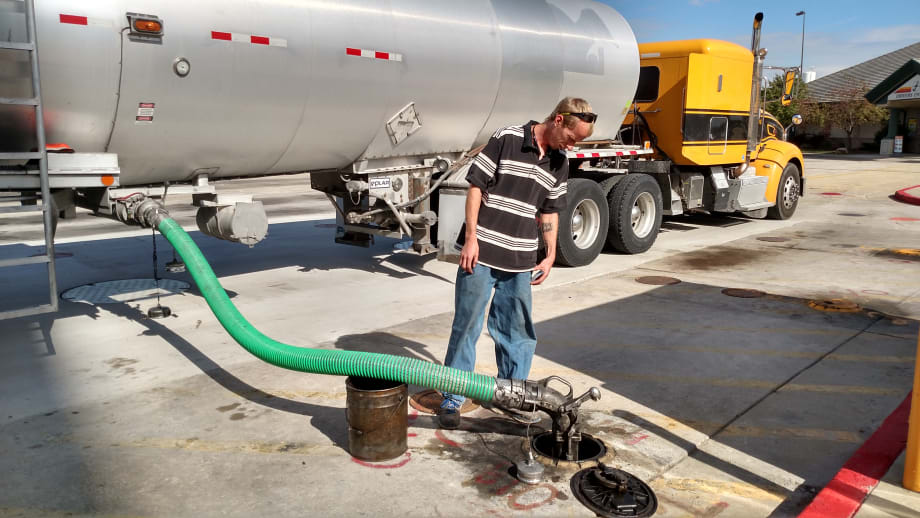
Driver Jeff McMannus checks progress as he delivers a load of biofuel through an appropriately green hose. He was careful to avoid spills. Photos: Tom Berg
3 min to read

Driver Jeff McMannus checks progress as he delivers a load of biofuel through an appropriately green hose. He was careful to avoid spills. Photos: Tom Berg
It’s good to get out on the road and see what’s going on. While driving across northern Illinois the other day, I pulled off I-80 and into a Flying J truck stop and, after using the facilities and buying a bottle of pop, walked out to the fueling area to photograph some of the more colorful rigs.
In that few minutes, a tanker moved along one side of the complex and stopped. Its driver laid down a hefty green hose and connected it to the wet line beneath the tanker. He had put a bucket under the connecting point to catch any spillage. There wasn’t any, but I thought, this guy’s being careful.
He dropped the hose’s nozzle into place where he had removed a cover in the pavement. Then he returned to the tanker, twisted a valve handle, and the unseen product began flowing into the underground tank. I thought was a shipment of diesel fuel.
“Not diesel,” said driver Jeff McMannus. “Biofuel.”
"You mean biodiesel?" I asked.
“No, just bio,” he said. “They mix it with diesel with equipment they have here.”
"What kind of bio?" I inquired.
“I don’t really know,” he said, shrugging. “I just haul it.” He’d been driving for this company, Kane Transport, for just a few weeks and liked it. He’d spent seven years hauling freight containers, and it was a pain dealing with the loads and the customers. While the money was good, too often the containers were too heavy and that led to fines.
“One day I got a fine for $2,700 for being too heavy for the bridge,” he related, pointing to the area between the tractor’s and trailer’s tandems (that distance is called the inner bridge by authorities). “The container weighed 63,000 pounds, but the chassis was too short. This was right outside the terminal. They were waiting there,” with a portable scale. “I had just come out.”
The shipping documents said the container weighed just 50,000, but too bad. He got to pay the fine out of his own pocket. “I could make $2,700 a week,” he added, “so there went a whole week’s pay.”
There are no such problems with this type of work, hauling biofuel and whatever else Kane had him load. “I know I’m legal, and I just have to deliver it. No hassles.”

McMannus feels to be sure air is flowing into the emptying tanker to keep it from being crushed by atmospheric pressure. During loading, air is drawn out to keep the tank from bursting.
I paused to snap some photos, then noticed him standing at an open pipe just ahead of the trailer's tandem and holding his hand in front of it. "What are you doing?" I asked.
“Checking air flow,” he explained. A blower pushed air into the tanker as its load flowed out “to keep the tank from getting crushed” by atmospheric pressure. “When you load, you pull the air out to keep it from exploding.” That part’s called “vapor recovery,” he added.
Oh, sure. I recalled a story I had done way back in 1973 about vapor recovery equipment being installed at the loading rack of an oil refinery in Philadelphia. The then-new Environmental Protection Agency had decreed that fume-laden air pushed out of tankers no longer could be expelled into the atmosphere but had to be sucked out and cleansed before venting. And loading had to be done from the bottom so fewer fumes were generated than when petroleum products were dumped aboard from above.
I had watched that operation how many years before? – 43! – and now I saw that vapor recovery works two ways. Time passes, but learning continues.
Subscribe to Our Newsletter
More Blog Posts
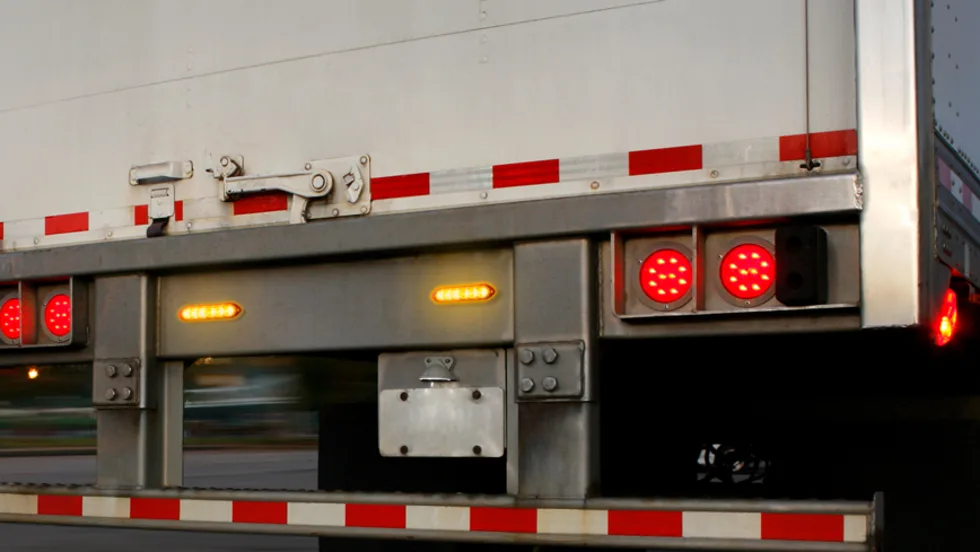
Pulsing Back-of-Trailer Lamps Aim to Prevent Crashes
Can the addition of a pulsing brake lamp on the back of a trailer prevent rear-end collisions? FMCSA seems to think so, if its exemptions are any indication.
Read More →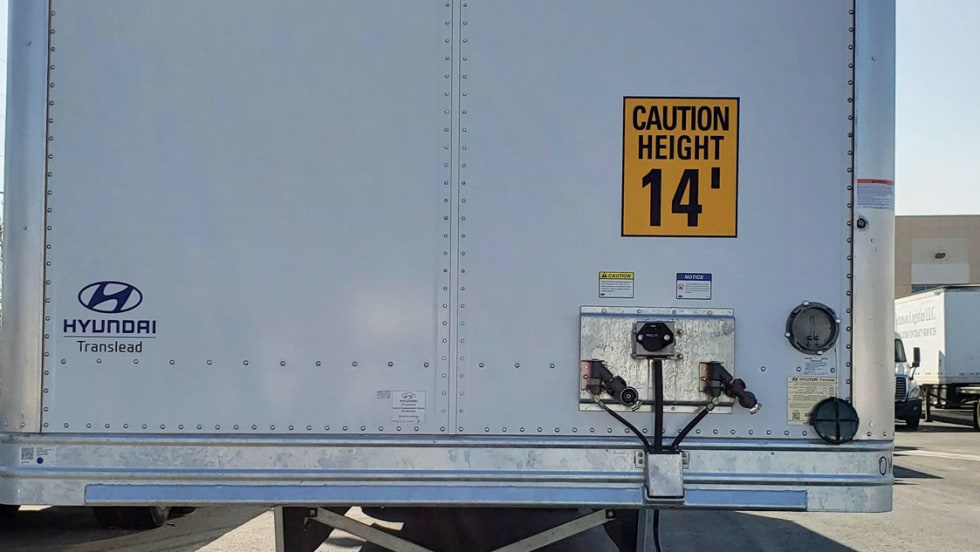
Designing a 14-Foot Trailer
Trailers are 13 feet, 6 inches high, right? Not for Hub Group, which developed a special 14-foot-high trailer spec for a dedicated customer based in California. Learn more in the Trailer Talk blog.
Read More →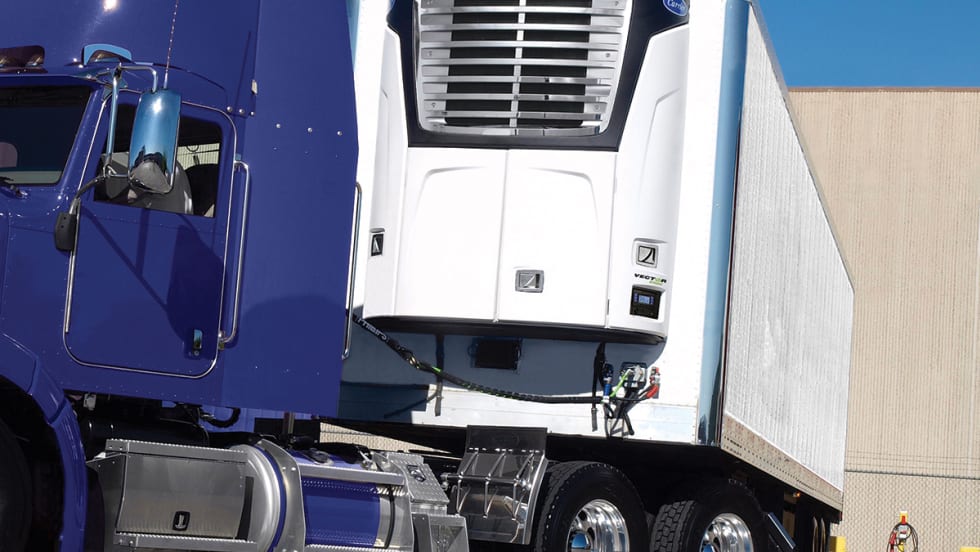
CARB Comes for Reefer Trailers
A new round of emissions control regulations decreed by the California Air Resource Board will begin affecting refrigerated trailer and TRU design and operations next year.
Read More →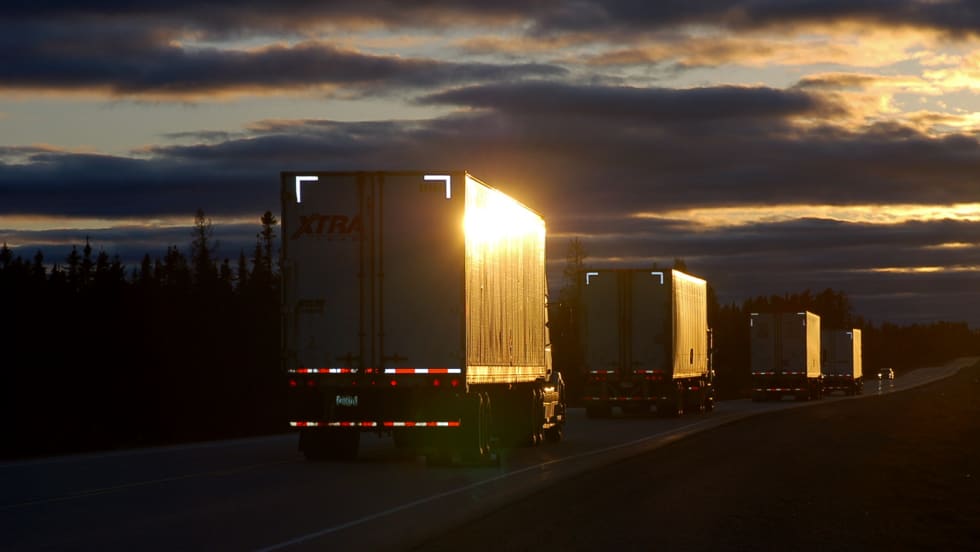
5 Ways Data Analysis Maximizes the Value of Trailer Telematics
Are you getting the most out of your trailer telematics investment?
Read More →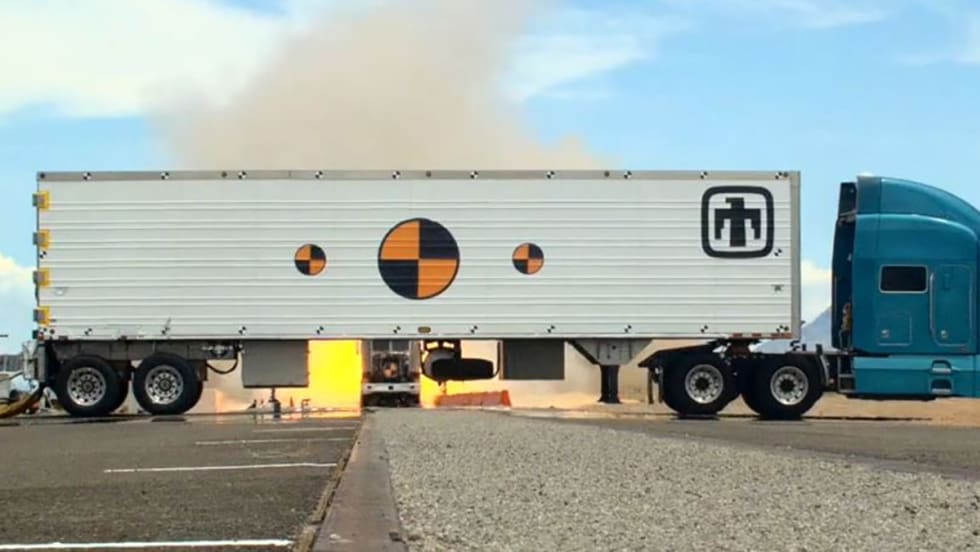
Can You Guess What's in That Trailer?
You don’t always know what’s in the trailers that pass you on the road. But some of those trailers are carrying something a little more dangerous that frozen food or new bedding…like, maybe, a nuclear weapon. But this isn’t an ordinary trailer; this is a trailer specifically made to not only carry this type of payload, but protect it at all costs.
Read More →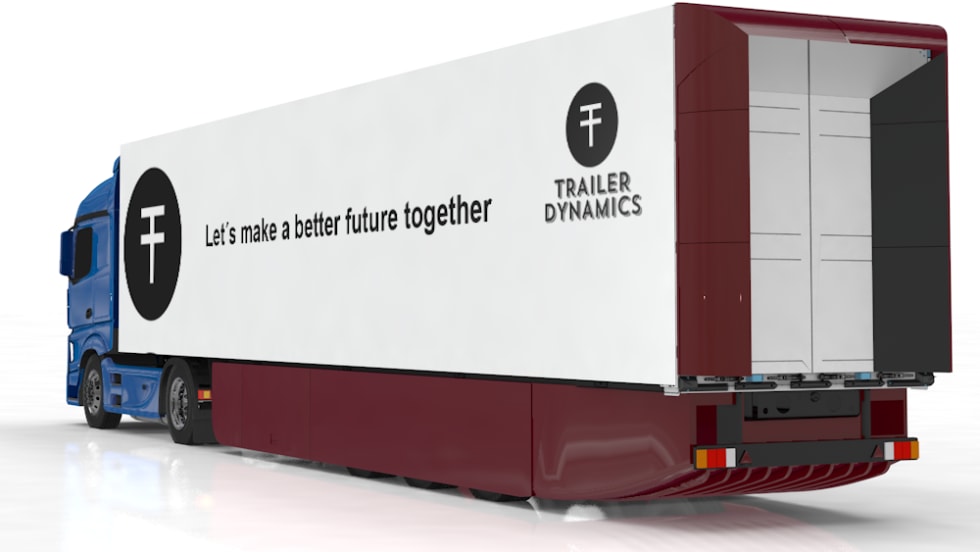
How Trailers Are Harnessing 'Free' Energy
Can trailers play a more active role in sustainable transport beyond aerodynamic add-ons or low-rolling-resistance tires? Some companies think so.
Read More →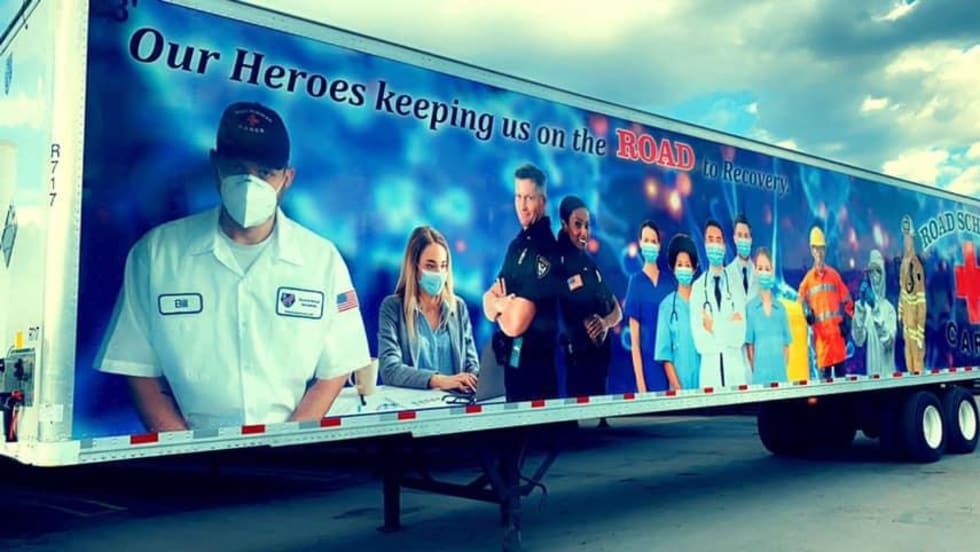
Wrapping a Trailer for COVID’s Everyday Heroes
“We don’t only deliver freight. We deliver awareness.” That’s what Jim Barrett, president and CEO of Road Scholar Transport, likes to say about the Dunmore, Pennsylvania-based carrier’s “awareness fleet.” Its latest trailer wrap honors the everyday heroes of the pandemic.
Read More →
How a Tanker Fleet is Using Unorthodox Trailer Lighting to Fight Rear-End Collisions
Groendyke Transport watched the number of rear-end collisions with its trailers rise steadily until it tried an unorthodox and then unapproved method of alerting following drivers that its trucks were applying brakes and slowing down.
Read More →
The Role Trailers are Playing in COVID-19 Funerals
In places such as New York City and Detroit, overwhelmed hospitals and mortuaries are using refrigerated trailers to store the bodies of people killed by COVID-19.
Read More →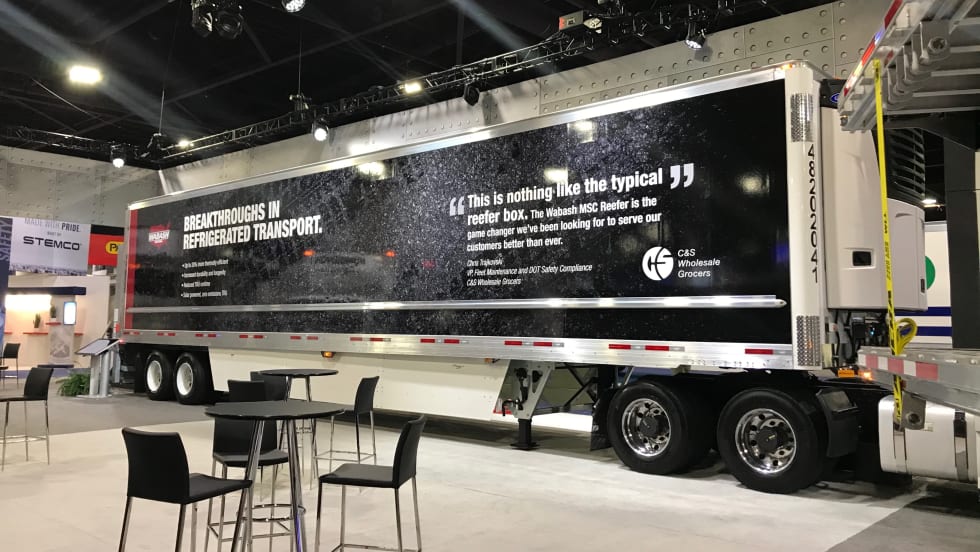
Reefer Trailer Aims to Help Reach Zero Emissions
Wabash National is partnering with C&S Wholesale Grocers to test a new type of zero-emissions refrigerated trailer.
Read More →