




EPA Engine Report Card: the rest of the story
Getting through EPA 2002 through 2010 has been tough for everyone. Occasionally fleets share their experiences with the likes of me, who report them when we can. But there's an entire sub-set of sufferer we seldom hear from, or take seriously when we do: owner-operators
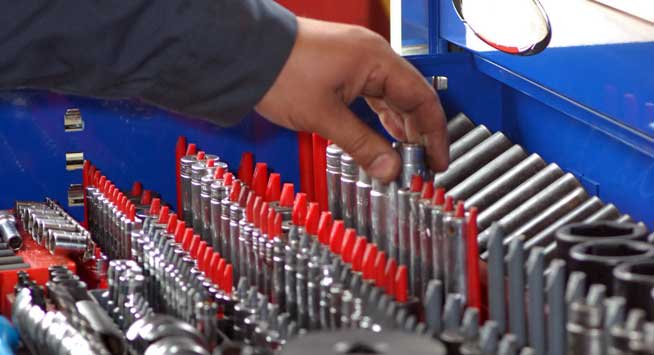
Every time a technician picks up a wrench, somebody has to pay, especially after the warranty expires on your emissions equipment. -- Photo by Jim Park
Getting through EPA 2002 through 2010 has been tough for everyone. Occasionally fleets share their experiences with the likes of me, who report them when we can. But there's an entire sub-set of sufferer we seldom hear from, or take seriously when we do: owner-operators.
On the last day of the Technology and Maintenance Council's annual meeting in Tampa, Fla., attendees got a bird's-eye view of the performance of a number of engine brands and models built and put into service since the EPA's emissions rules came into effect in October 2002. As Senior Editor Tom Berg reported at the end of February, "Some clean diesels of the 2000s have been disruptively unreliable and most are discouragingly expensive, but performance has improved as manufacturers try hard to fix them."
Tom outlined comments made by a handful of fleets about those engines. It was a sort of 40,000-foot view of the issue. Being big fleets, they had reasonable access to advanced expertise from the truck and engine makers, and they had other trucks they could rely on while the troubled engines were down, or on a hook somewhere. They weren't left high and dry when a truck or engine tanked. EPA 2002-2007 was a different experience for owner-operators.
They faced the same challenges fleets did, but often had to go it alone. To give credit where it's due, most of the reports I've heard say the OEs and the dealers did a reasonably good job at honoring warranty, and getting things patched up, but certain unrecoverable costs such as towing, downtime, and the inevitable out-of-warranty situations have already pushed a number of owner-ops out to pasture.
To illustrate the difficulty this crowd experienced at the hands of the EPA's rushed emissions rules, I'd like to introduce you to Greg. He's an owner-operator based in western Canada, and a good one by all accounts. He's a safe operator, a fuel-economy zealot, an exceptional record keeper, and, as far as I can tell, with the help of his life partner, is fairly good at running a business.
Greg bought a model-year 2008 truck for $156,000 (CDN) and put it into service on August 17, 2007. As of the end of February 2012, Greg estimates the truck has actually cost him in excess of $610,000, including out-of-pocket repairs, finance charges on repairs, towing and lost revenue. His estimate includes, by his own reckoning based on shop prices and labor rates, some $250,000 in warranty work paid for by the manufacturer.
To date, his maintenance and repair records show his personally funded maintenance and repair costs on that truck are north of 15 cents per mile -- and that doesn't include work done under warranty.
As I said, he keeps very detailed records. He recently sent me his maintenance spreadsheets, which show, as of Feb 16, 2012, 300 separate maintenance and repair events. Many are repeated failures, warrantied at first, but now on his tab, and most are related to 2007 emissions technology -- EGR valves, cooling system, and exhaust system and DPF-related problems.
His collection of work orders reads more like a parts list of a typical 2007-generation diesel engine.
He samples his oil regularly, and he began getting abnormal sample as early as February 2008, just six months after putting the truck on the road. One spreadsheet shows 13 sample events over a 26-month period. Eight showed elevated levels of certain metals in the oil.
He is also so diligent that he tracks regen events. Over an 18-month period, he logged 209 automatic and manually induced active-regen events, many lasting up to 20 minutes. And as you might expect, he is also equally diligent about tracking fuel economy. His average over the life of the truck is in the mid-fives. He shows a considerable improvement following the installation of a set of trailer fairings almost two years ago. Without that addition, his fuel economy would barely be above 5 mpg. He tells me his is currently averaging 4.3 mpg pulling a tri-axle drop-deck hauling heavy equipment.
The next big shock he is bracing himself for is the loss of trade-in value. He has already shopped the truck around to several dealers and none will take it on a trade. It's not worthless, but he told me that he could not -- in good conscience -- sell it privately without disclosing its sorry history.
Sadly, this tale doesn't -- or won't -- end happily. Greg says that aside from his intense dissatisfaction with the reliability of the truck and particularly the injection, exhaust, cooling, and emissions systems, he was grateful for the level of dealer/OE support he got while the truck was under warranty. But that was then. Today he's totally on his own, and the problems aren't going away.
To make matters worse, he approached the OE and his dealer on several occasions seeking to trade out of that truck into a newer, more reliable model -- hoping he'd be offered something of a premium on the trade in exchange for his pain and suffering. Instead, the OE wanted to discount the value of the trade because of the difficulty experienced over its service life. I guess they'd know.
During the final year of its warranty period, Greg tried negotiating with the dealer for a fairer trade, and has spent many hours on the phone and in person with the dealer in this regard. The dealer wouldn't budge, nor would the OE come through on requests to extend warranty for the oft-failed-and-replaced components.
Once on a whim, while driving near the company's corporate headquarters, he decided to drop in for a visit to speak in person to the company official in "customer support" he had often spoken with over the phone. After introducing himself to the receptionist and stating the reason for his visit, he waited in the lobby for the official to appear.
When the official's assistant arrived, she was accompanied by, in Greg's words, "a big burly security guard who politely escorted me off the property."
"In retrospect, maybe a drop-in wasn't the appropriate thing to do," Greg says. "I guess I should have called first."
I can't help thinking that if Steve Duley, vice president of purchasing at Schneider National, or Brian Baker, a fleet maintenance specialist for FedEx Freight -- both presenters at the TMC Engine Report Card session -- were to pay an OE a similar visit, the outcome would have been a little different.
In truth, I've heard dozens of similar stories from various owner-operators regarding their experiences with all brands of 2007-generation engines. For the most part, they aren't pretty. None, though, are as well documented and supported as Greg's, and that's why I'm comfortable sharing his story here. I'm pretty confident that he is telling the truth and not exaggerating his plight for the sake of impact.
EPA 2007 was tough on everyone, including the truck and engine makers. I believe they struggled mightily to get compliant product on the road by EPA's ridiculous and unnecessarily stringent deadline -- advanced some 16 months by the signing of the Consent Decree.
Denied the opportunity to fully test and evaluate their designs, the engine makers met the deadline, but at the apparent expense of the customer. I'll stop short of suggesting the OEs threw their customers under the bus on this one, because -- if Greg's case is any example -- the OEs paid dearly too in terms of warranty and non-recoverable engineering and development costs getting up to and past January 1, 2007. That's something we'll all pay for in the end, but that's another story. Thanks for that extra 16 months of cleaner air, EPA. I don't know how we would have managed without it.
At this point, a question still lingers in my mind. With fleets now decrying the scarcity of drivers, particularly owner-operators,
More Blog Posts

Truck Driver’s Dilemma: Click, Twist or Swipe?
Whether 'tis safer to twist a knob or press a button than to swipe right then swipe down to scan the menu for your favorite playlist...? That's a question for the age.
Read More →
Even the Swedes are Doing Turnpike Doubles
The government doesn't seem to mind asking trucking to invest a trillion dollars toward a greener future. But they won't let us pull turnpike doubles making 30% less CO2. Which is insanity, says HDT's Jim Park in his On the Road blog.
Read More →
Is Your Recruiting Message on Point?
How does your recruiting and retention messaging compare with the reality at your company? Would your drivers agree with your own assessment? Jim Park explores those questions in his On the Road blog.
Read More →
You Can’t Blame Trucks for the Highland Rest Area Bus Crash [Commentary]
The causes of the Highland Park rest area crash go far beyond the parking shortage and the need for flexibility in hours of service — but those issues must be addressed, too, says Jim Park in his On the Road blog.
Read More →
Electric Trucks Seem Far Down the Road for Fleets Dealing with Today's Maintenance Challenges
While the push for zero-emissions trucks rings clear for regulators, advocates and even a small crowd of suppliers, ZEVs seem to have run out of steam down on Main Street, says HDT Equipment Editor Jim Park in his latest On the Road blog.
Read More →
Guinea Pigs 2.0: Can Trucking Comply with a Near Impossible NOx Reduction?
The EPA’s Final Rule on NOx reduction will be incredibly difficult if not nearly impossible for trucking to comply with. Rather than endure another round of equipment failures, downtime and loss of customer faith, industry needs to rally ‘round the OEMs and seek a solution to this wrong-headed rule.
Read More →
Is Downspeeding Bad for Brakes?
Is there a connection between downsped drivetrains and increased brake wear? There shouldn’t be. Downsped fleets seeing increased brake wear are probably not letting the technology do its job, explains HDT Equipment Editor Jim Park.
Read More →
Dig for the Gold Behind CVSA’s Out-of-Service Numbers
Published out-of-service rates don’t mean much until you dig into the why. With brake problems consistently placing in two of the top five spots, maybe we’re missing something in brake maintenance, writes HDT Equipment Editor Jim Park.
Read More →
Things That Go Poof in the Night
We’re in electric-truck heydays now. But like another famous heyday, the 1849 California Gold Rush, there will be a lot fewer winners than losers, says Jim Park in his On the Road blog.
Read More →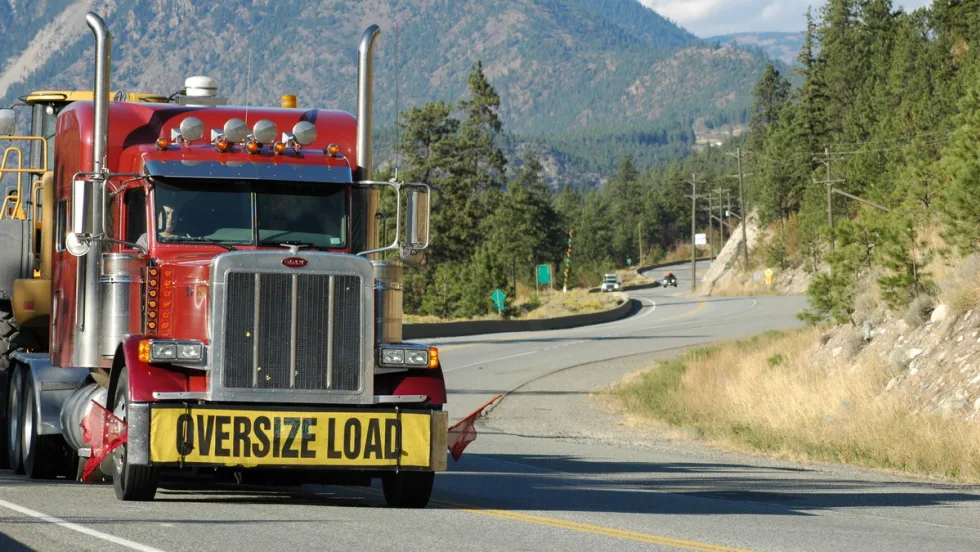
Do Your Truck Drivers Know How to Descend a Mountain Grade?
Where do drivers learn mountain-driving techniques? It's sure not from the typical state CDL manual. Jim Park shares what he learned following a deadly 2019 Colorado crash.
Read More →