




Done Properly and Legally, Supplemental Signal Lights Enhance Safety
The Transportation Safety Equipment Institute reports that its member companies are seeing an increase in requests to add innovative lighting devices, and questions arise about their legality. Senior Editor Tom Berg takes a closer look in his Trailer Talk blog.

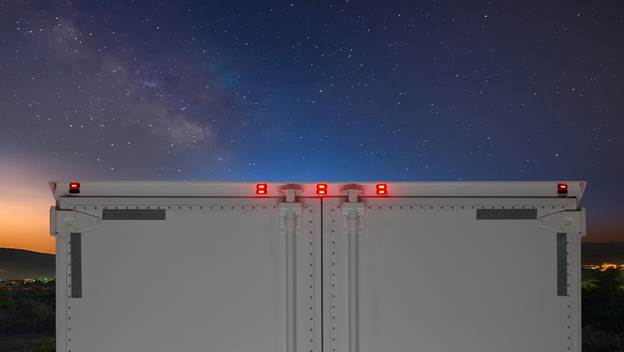
Most people agree that high-mounted turn and stop lights on trailers and truck bodies are a good idea because they tell drivers behind what the truck driver’s up to. That’s particularly true in heavy street traffic, when a flashing light cues motorists to react early by slowing down or moving over to avoid being delayed.
But sometimes lights are installed in a way that creates confusion, according to the Transportation Safety Equipment Institute, made up of firms that produce lighting and other safety devices.
TSEI reports that its member companies are seeing more requests from trucking fleets and trailer builders to add innovative lighting devices, and questions arise about their legality.
The group says it’s actively working with regulators and the industry to ensure that everyone understands what's permissible in supplemental lighting.
Additional high-mounted auxiliary turn and stop lamps on trailers are fine if they comply with certain federal regulations governing lighting, says Brad Van Riper, chairman of the Government Relations Committee at TSEI and senior vice president and chief technology officer at Truck-Lite.
TSEI has summarized the criteria applicable to high mounted auxiliary turn and stop lamps:
1.Required lighting devices are installed per the requirements of the standard (Federal Motor Vehicle Safety Standard 108 and sections 393.9 - 393.30 of Federal Motor Carrier Safety Regulations);
2.The installed supplemental or auxiliary lighting adds to or supplements the required lighting devices;
3.The supplemental lighting does not impair the effectiveness of the required devices; and
4.The supplemental lighting is not installed in a manner that would cause confusion (for instance, strobing or other supplemental red stop lamps in jurisdictions that do not allow them).
An example of an auxiliary stop configuration is shown below with the center marker lamps also serving as auxiliary stop lamps. Here they’re activated:
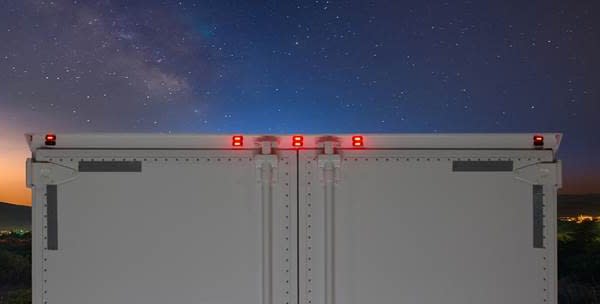
The corner clearance lamps can also double as turn signals if their clearance function continues when signals are off. This is done with converters working through dual-voltage LEDs or dual-filament incandescent lamps.
“It's critical that in meeting this request for better visibility during the stop function, we do not reduce the effectiveness of the primary function for the device at its particular location,” said Kristen Goodson, TSEI president and director of product management at Peterson Manufacturing.
Is supplemental lighting accepted by roadside inspectors? Yes, the institute says.
“TSEI learned that roadside enforcement is well versed in the limitation set by FMCSR 393.9 and only required lamps must be operational,” the group said in a statement. With respect to Part 393.3, roadside inspection officers consider three guidelines that say a lamp may be used if:
1. It is not prohibited by regulation (such as amber tail/stop lamps, though amber turn signals are legal).
2. It is not inconsistent with regulations (such as purple/green lights)
3. It does not decrease the safety of operation (as referenced in FMCSA’s 393.11 Interpretation)
TSEI said that properly installed and working auxiliary turn or stop lamps are safety enhancements, and “their presence on vehicles should not negatively impact the good CSA scores of conscientious drivers and fleets.”
It added, “Being able to properly inspect and maintain the vehicle lighting and wiring system is one of the most important ways to ensure that vehicles operate safely.”
More Blog Posts
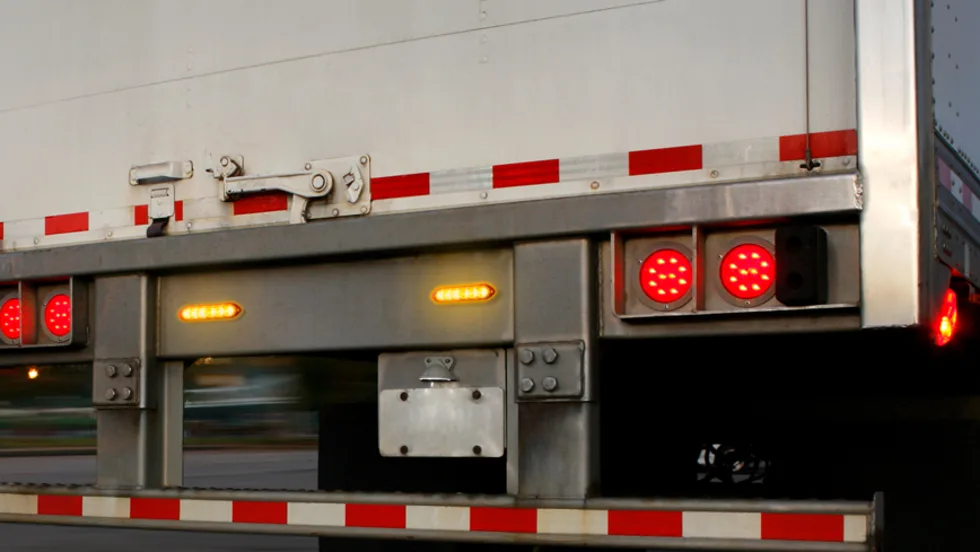
Pulsing Back-of-Trailer Lamps Aim to Prevent Crashes
Can the addition of a pulsing brake lamp on the back of a trailer prevent rear-end collisions? FMCSA seems to think so, if its exemptions are any indication.
Read More →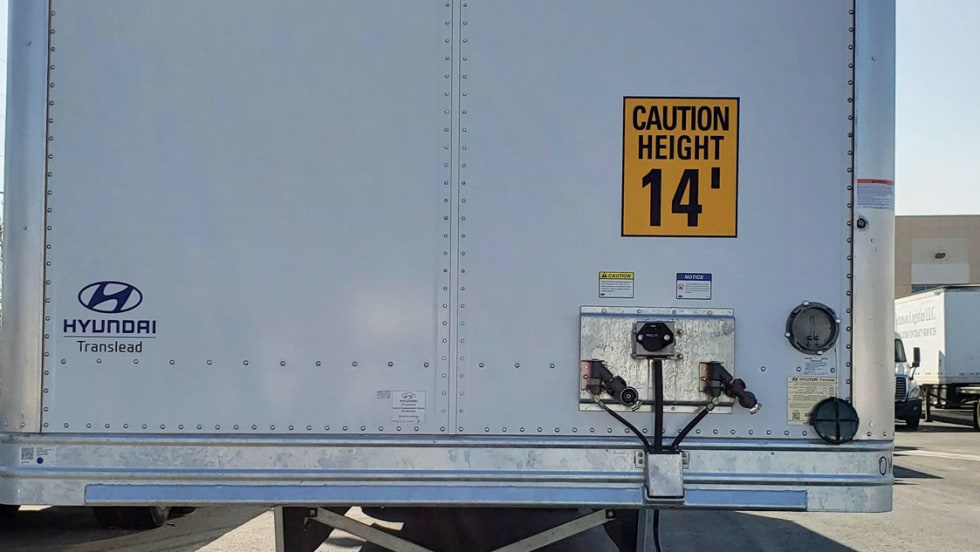
Designing a 14-Foot Trailer
Trailers are 13 feet, 6 inches high, right? Not for Hub Group, which developed a special 14-foot-high trailer spec for a dedicated customer based in California. Learn more in the Trailer Talk blog.
Read More →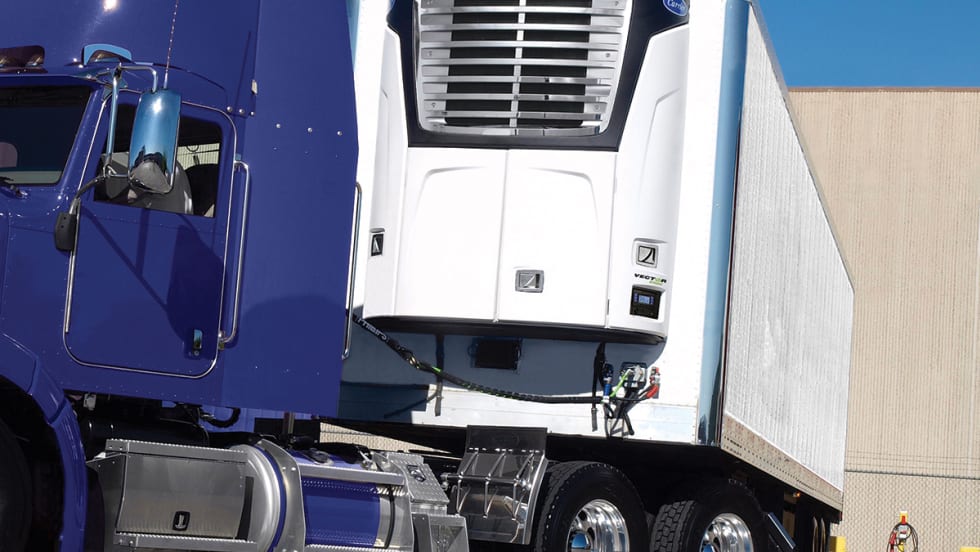
CARB Comes for Reefer Trailers
A new round of emissions control regulations decreed by the California Air Resource Board will begin affecting refrigerated trailer and TRU design and operations next year.
Read More →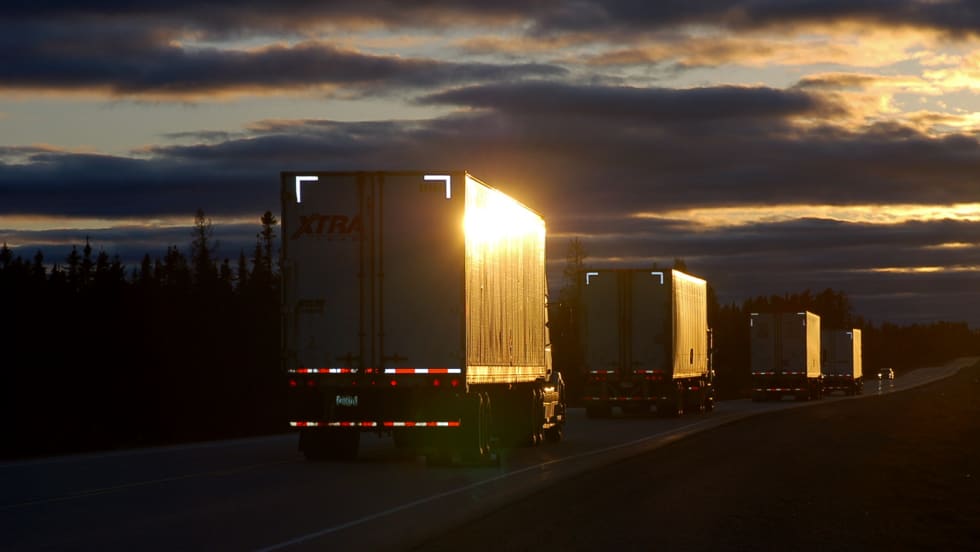
5 Ways Data Analysis Maximizes the Value of Trailer Telematics
Are you getting the most out of your trailer telematics investment?
Read More →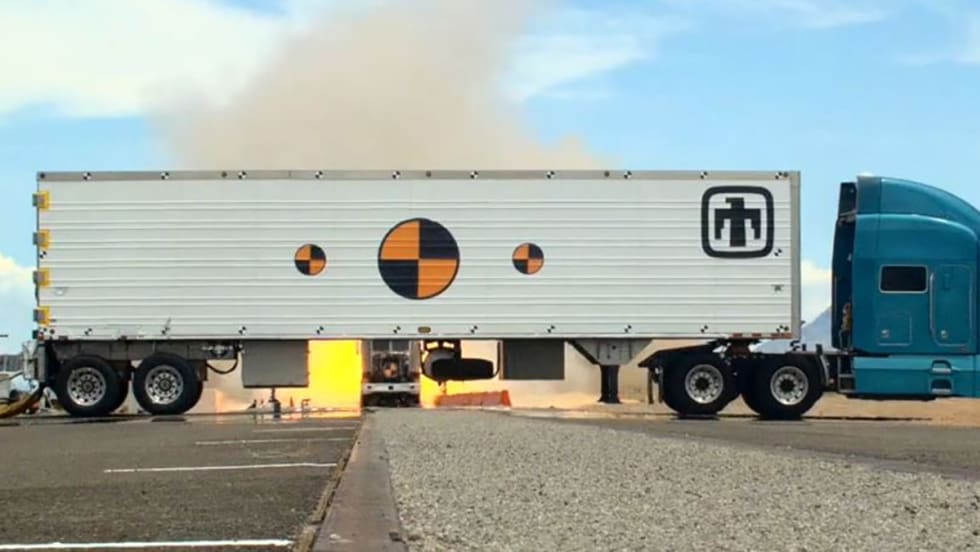
Can You Guess What's in That Trailer?
You don’t always know what’s in the trailers that pass you on the road. But some of those trailers are carrying something a little more dangerous that frozen food or new bedding…like, maybe, a nuclear weapon. But this isn’t an ordinary trailer; this is a trailer specifically made to not only carry this type of payload, but protect it at all costs.
Read More →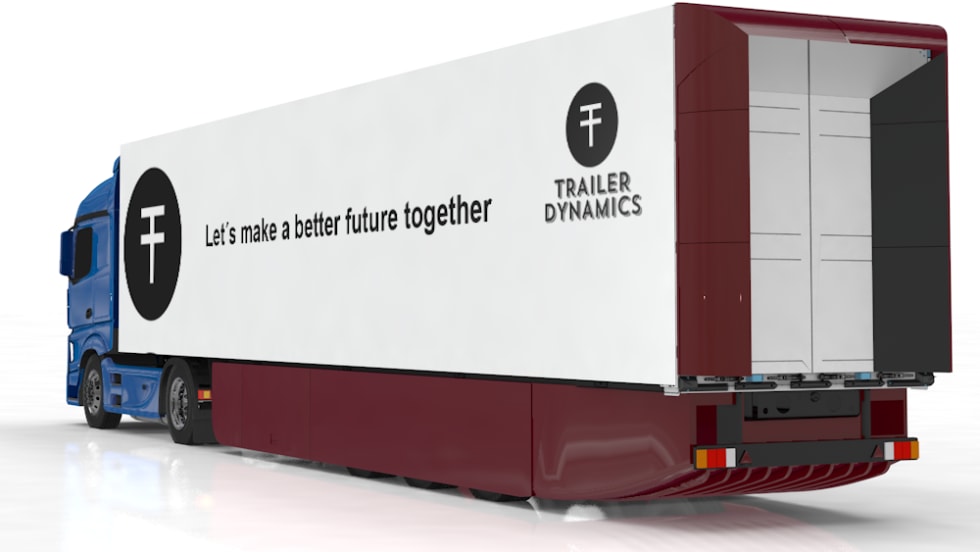
How Trailers Are Harnessing 'Free' Energy
Can trailers play a more active role in sustainable transport beyond aerodynamic add-ons or low-rolling-resistance tires? Some companies think so.
Read More →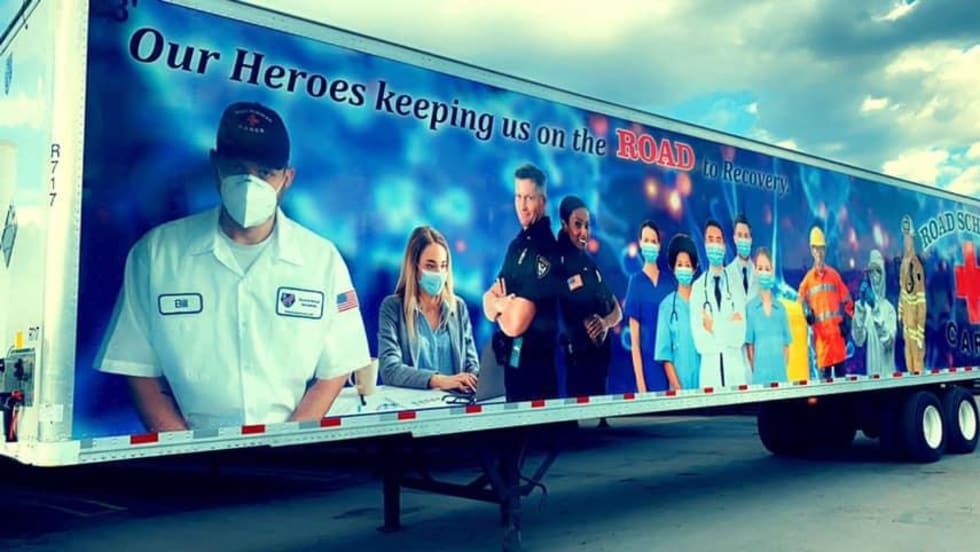
Wrapping a Trailer for COVID’s Everyday Heroes
“We don’t only deliver freight. We deliver awareness.” That’s what Jim Barrett, president and CEO of Road Scholar Transport, likes to say about the Dunmore, Pennsylvania-based carrier’s “awareness fleet.” Its latest trailer wrap honors the everyday heroes of the pandemic.
Read More →
How a Tanker Fleet is Using Unorthodox Trailer Lighting to Fight Rear-End Collisions
Groendyke Transport watched the number of rear-end collisions with its trailers rise steadily until it tried an unorthodox and then unapproved method of alerting following drivers that its trucks were applying brakes and slowing down.
Read More →
The Role Trailers are Playing in COVID-19 Funerals
In places such as New York City and Detroit, overwhelmed hospitals and mortuaries are using refrigerated trailers to store the bodies of people killed by COVID-19.
Read More →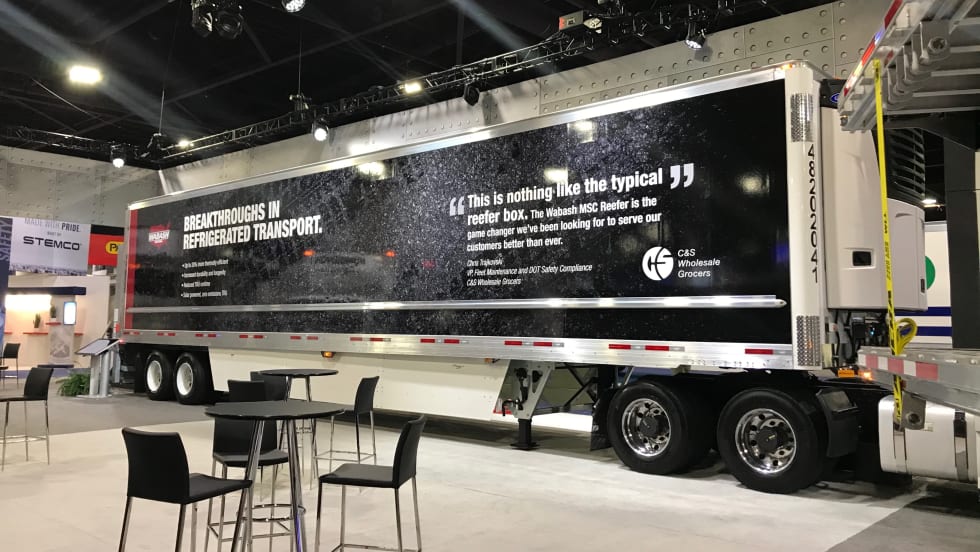
Reefer Trailer Aims to Help Reach Zero Emissions
Wabash National is partnering with C&S Wholesale Grocers to test a new type of zero-emissions refrigerated trailer.
Read More →