





Related: Are Drivers Sitting Ducks?
Do You Have a Will?
Without a clear statement of your intentions in the form of a will, the state might make these decisions for you, or decide how to divvy up your assets – possibly including your truck if you're an owner-operator. Jim Park blogs about why drivers (and others) need to give this some thought.
February 10, 2017
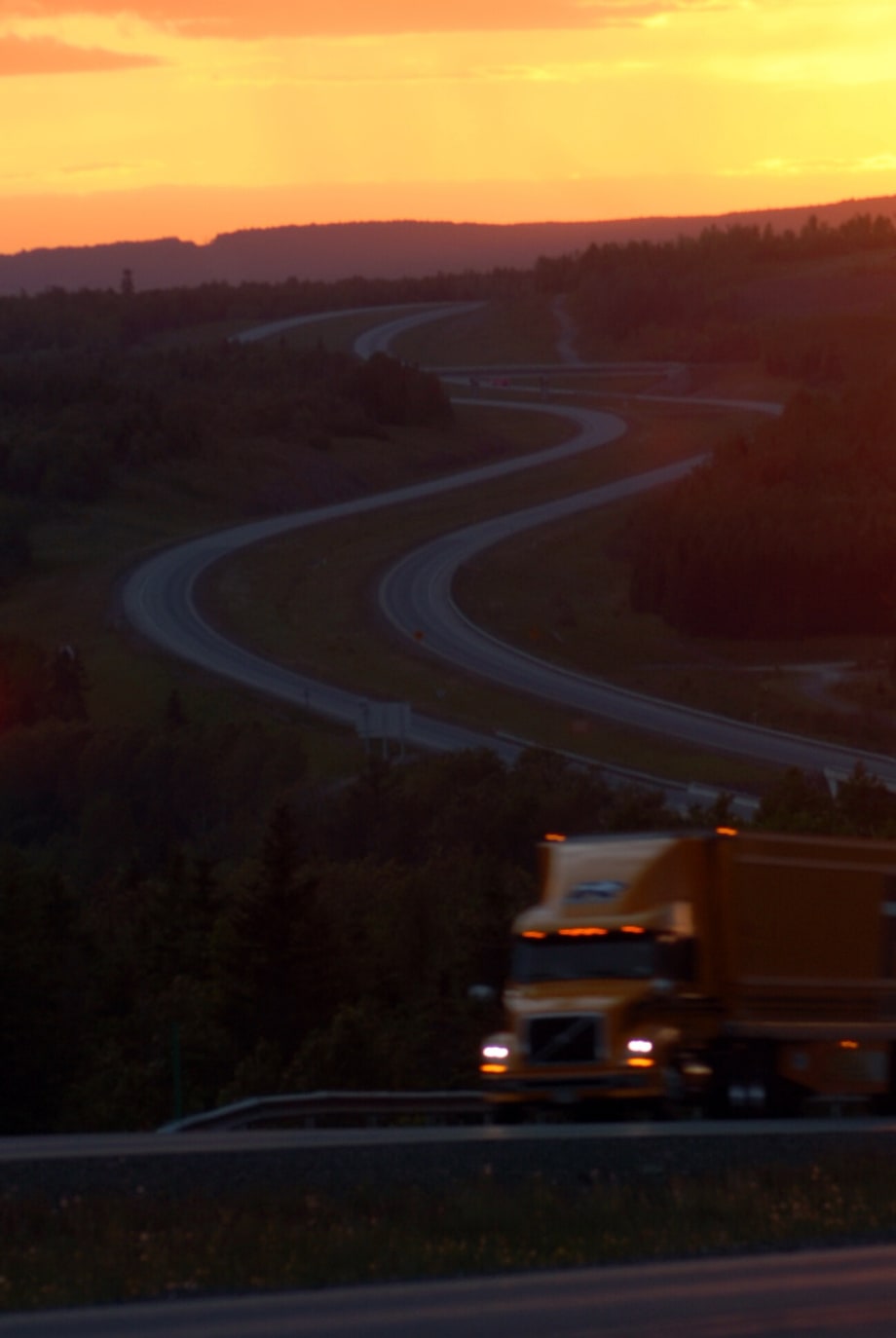
It's far easier to get your will in order than it will be for your family to figure out your wishes after your gone without a will. Photo by Jim Park
5 min to read

It's far easier to get your will in order than it will be for your family to figure out your wishes after your gone without a will. Photo by Jim Park
I hope this doesn't come across like an admonishment from a reformed smoker, but I just lost my father, and I'm happy to say he died with a will. That will make the next few months much easier on me and my sister. Dad had it all in place, right down to phone numbers and email addresses for those that held his important papers. Unfortunately, statistics suggest that anywhere from one-half to two-thirds of Americans do not have a will or even any written instructions or last wishes to guide their next of kin.
Dad was in his mid-80s and had terminal brain cancer, so he knew the end was inevitable. However, he put his affairs in order when he was in his 30s. That's just the kind of man he was. He didn't want my mother to have to deal with the problems associated with his passing while keeping the mortgage paid and food on the table. My grandfather, too, was pretty well organized in this regard. It took me a while longer to get my affairs in order. It was not until my daughter was 9 that my wife convinced me to visit the lawyer and have something drawn up.
A story in USA Today from June 2015 notes that according to a 2015 Rocket Lawyer estate-planning survey by Harris Poll, 64% of Americans don't have a will. Of those without a plan, about 27% said there isn't an urgent need for them to make one — and 15% said they don't need one at all.
A poll conducted by Gallup in May of 2016, just two weeks after the passing of pop singer Prince, who did not have a will, showed he was not alone in that regard. The poll revealed that 68% of those aged 65 and older have a will, compared with just 14% of those younger than age 30. Of Americans whose annual household income is $75,000 or greater, 55% have a will, compared with 31% of those with incomes of less than $30,000. And while 61% of those with a postgraduate education have a will, only 32% with a high school education or less do.
I write this today thinking mostly about truck drivers, but it applies to anyone in any line of work. Considering that driving a truck is one of the riskiest occupations in the country, it behooves drivers to consider their final will and testament at their earliest opportunity. The will is a legal document that not only determines who gets your money and property when you die, it can also determine who gets guardianship of your minor children, or in whose care an aging parent might wind up. Without a clear statement of your intentions in the form of a will, the state might make these decisions for you, or decide how to divvy up your assets – possibly including your truck if you're an owner-operator.
When I was driving, back in my 20s, 30s, and 40s, I had some property, I had a little money in the bank and a few investments. But I never had the time (or saw the value) to commit my final wishes to paper. Back then dying was the furthest thing from my mind, despite driving past at least one fatal collision nearly every day. The reminders were there, but I managed to ignore them.
I was lucky, I suppose, in that nothing serious ever happened to me. I was never even badly injured on the job or in civilian life. Once my daughter came along, my outlook changed. I continued to think of myself as bullet-proof, but I finally understood what it would cost my wife if she had to get by without my income, and how unlikely it would be that my daughter would ever go to college without a portion of that income shaved off for a school fund.
I had previously set up a life insurance policy, but it would provide little more than what was needed to cover a pauper's funeral. Of course I wanted more for my family, and they needed the protection of a much more comprehensive policy. As for the will, in addition to naming my wife and daughter as beneficiaries, it also addressed my desire that my sister become my daughter's guardian (along with sufficient resources to pay for her upkeep and education) in the event my wife and I both died prematurely.
I survived the risky years, and my daughter has graduated from college. If I keel over tomorrow, that same policy will now provide enough to set her up in a first home and pay for her kids to at least start college. The value of the policies have been building, while other policies will cover my funeral expenses (which are considerable, let me assure you), and pay for all the services my family is likely to need if I suddenly disappear.
I'm in my late 50s now and fairly healthy, and statistically still have a few years left in me. I recently updated my will to include recently acquired assets, changes in the financial needs of my next of kin and wishes for my funeral arrangements.
When you're gone, it's not you who makes such decisions; in the worst case, the state can step in and make them for you. Those decisions might not be in your survivors' best interests. So, if you haven't already done so, please consider talking with a lawyer and getting your affairs in order. Death and wills are strange things to talk about when you're 20 or 30, but every day you put it off increases the chances that somebody else might wind up making some very important choices for you.
Subscribe to Our Newsletter
More Blog Posts

Truck Driver’s Dilemma: Click, Twist or Swipe?
Whether 'tis safer to twist a knob or press a button than to swipe right then swipe down to scan the menu for your favorite playlist...? That's a question for the age.
Read More →
Even the Swedes are Doing Turnpike Doubles
The government doesn't seem to mind asking trucking to invest a trillion dollars toward a greener future. But they won't let us pull turnpike doubles making 30% less CO2. Which is insanity, says HDT's Jim Park in his On the Road blog.
Read More →
Is Your Recruiting Message on Point?
How does your recruiting and retention messaging compare with the reality at your company? Would your drivers agree with your own assessment? Jim Park explores those questions in his On the Road blog.
Read More →
You Can’t Blame Trucks for the Highland Rest Area Bus Crash [Commentary]
The causes of the Highland Park rest area crash go far beyond the parking shortage and the need for flexibility in hours of service — but those issues must be addressed, too, says Jim Park in his On the Road blog.
Read More →
Electric Trucks Seem Far Down the Road for Fleets Dealing with Today's Maintenance Challenges
While the push for zero-emissions trucks rings clear for regulators, advocates and even a small crowd of suppliers, ZEVs seem to have run out of steam down on Main Street, says HDT Equipment Editor Jim Park in his latest On the Road blog.
Read More →
Guinea Pigs 2.0: Can Trucking Comply with a Near Impossible NOx Reduction?
The EPA’s Final Rule on NOx reduction will be incredibly difficult if not nearly impossible for trucking to comply with. Rather than endure another round of equipment failures, downtime and loss of customer faith, industry needs to rally ‘round the OEMs and seek a solution to this wrong-headed rule.
Read More →
Is Downspeeding Bad for Brakes?
Is there a connection between downsped drivetrains and increased brake wear? There shouldn’t be. Downsped fleets seeing increased brake wear are probably not letting the technology do its job, explains HDT Equipment Editor Jim Park.
Read More →
Dig for the Gold Behind CVSA’s Out-of-Service Numbers
Published out-of-service rates don’t mean much until you dig into the why. With brake problems consistently placing in two of the top five spots, maybe we’re missing something in brake maintenance, writes HDT Equipment Editor Jim Park.
Read More →
Things That Go Poof in the Night
We’re in electric-truck heydays now. But like another famous heyday, the 1849 California Gold Rush, there will be a lot fewer winners than losers, says Jim Park in his On the Road blog.
Read More →
Do Your Truck Drivers Know How to Descend a Mountain Grade?
Where do drivers learn mountain-driving techniques? It's sure not from the typical state CDL manual. Jim Park shares what he learned following a deadly 2019 Colorado crash.
Read More →