




A. Duie Pyle Bolsters Fleet of Heated, Insulated Vans for Winter
Some carriers turn away temperature-sensitive freight during cold snaps. But Pyle has equipment and facilities to handle it, and the business has grown.

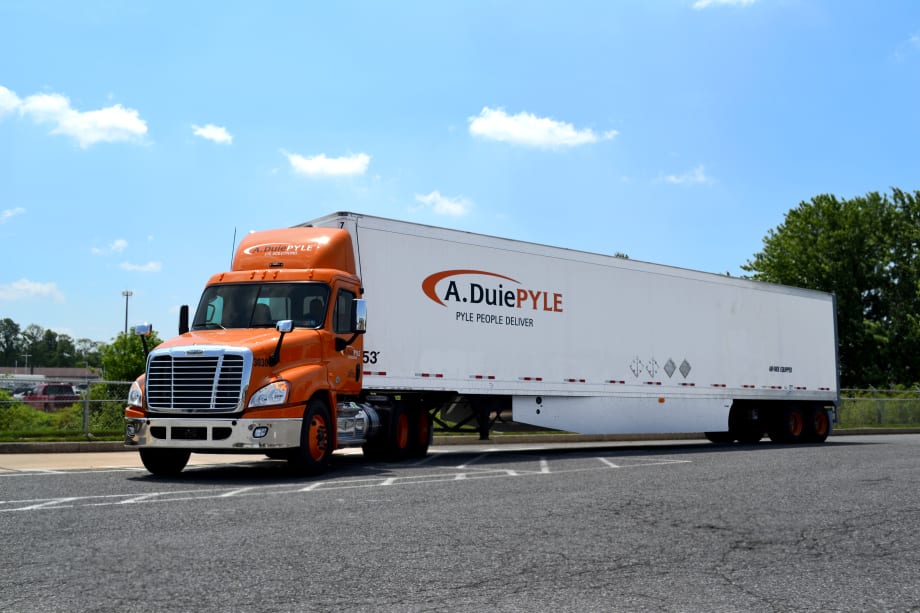
Great Dane built Pyle's latest heated and insulated vans, like the one shown here in warmer days.
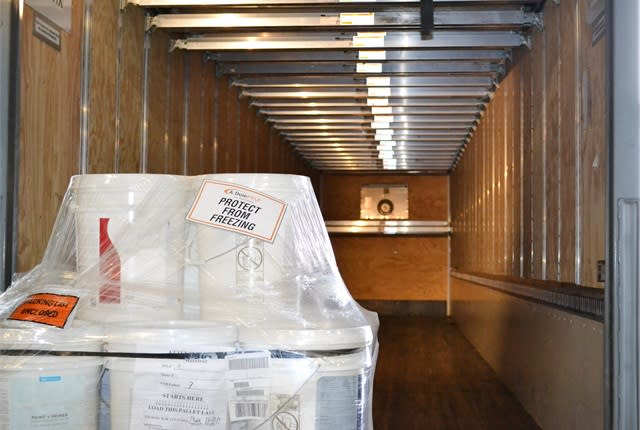
During sub-freezing temps, water-based products like paint are protected in Pyle's heated and insulated vans, and in heated areas at terminals.
‘Tis the season to be wary... of cold weather. And with the last winter's Polar Vortex invasions in mind, A. Duie Pyle, the old-line freight carrier operating in the Northeast, has expanded its Protect from Freeze, or PFF, service.
Pyle has added 80 new heated and insulated trailers, augmenting its existing pool of over 400 such units. Most are 48-by-102s for road and city service, according to Randy Swart, the chief operating officer, based at the company’s headquarters in West Chester, Pa., outside of Philadelphia.
Pyle’s PFF service allows customers who ship water-based products to send them in less-than-truckload lots without the fear that they will be damaged by freezing temperatures. And as everyone knows, last winter was a bear – or brrr – with its instances of sub-zero air plunging down from the Arctic.
"We didn’t have problems because of our equipment and facilities, but for the industry it was horrible,” Swart said. “Many businesses that ship and/or receive water-based products will find that freight carriers won’t transport their products during cold snaps.”
Last winter, Pyle delivered over 43,000 temperature-sensitive shipments, he said. Business has grown since word of Pyle’s PFF service has further gotten around. Thus the additional trailers. Great Dane has built them for the past several years, but Wabash Nationals are also in the fleet.
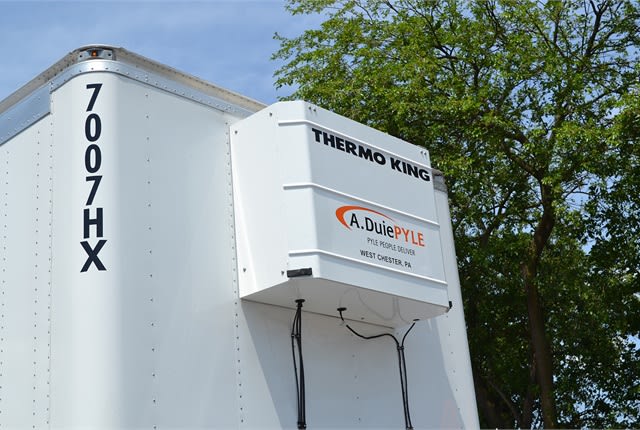
Thermo King heaters blow warm air into trailers, whose noses and walls have foam insulation.
Specifications include 1.5-inch foam insulation in walls, Thermo King nose-mounted heaters that blow warm air inside, and robust weather stripping to seal the roll-up rear doors. Kinedyne load bars are placed every 18 inches; this avoids stacking and keeps cargo separated so heated air flows around the boxed and palletized items.
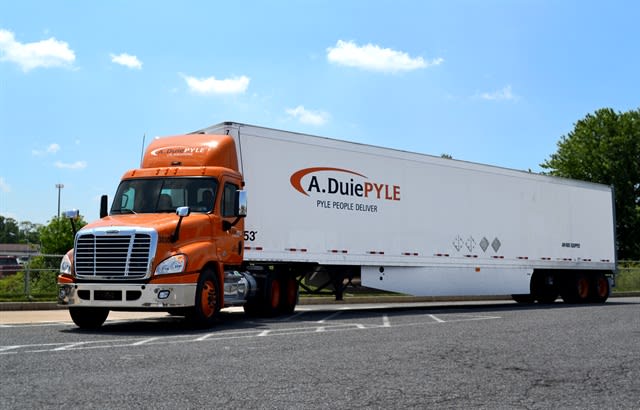
Great Dane built Pyle's latest heated and insulated vans, like the one shown here in warmer days.
While awaiting loading, cargo is protected by heated areas in Pyle’s 17 terminals, and company owned snow plows keep pavement clear during snow storms. Freight handlers and drivers are specially trained to deal with the freezable cargo.
Altogether, the fleet includes 2,150 trailers and 840 tractors, Swart said. This year the company marked 90 years since Alexander Duie Pyle founded it in 1924, and some of his descendants still run it.
More Blog Posts
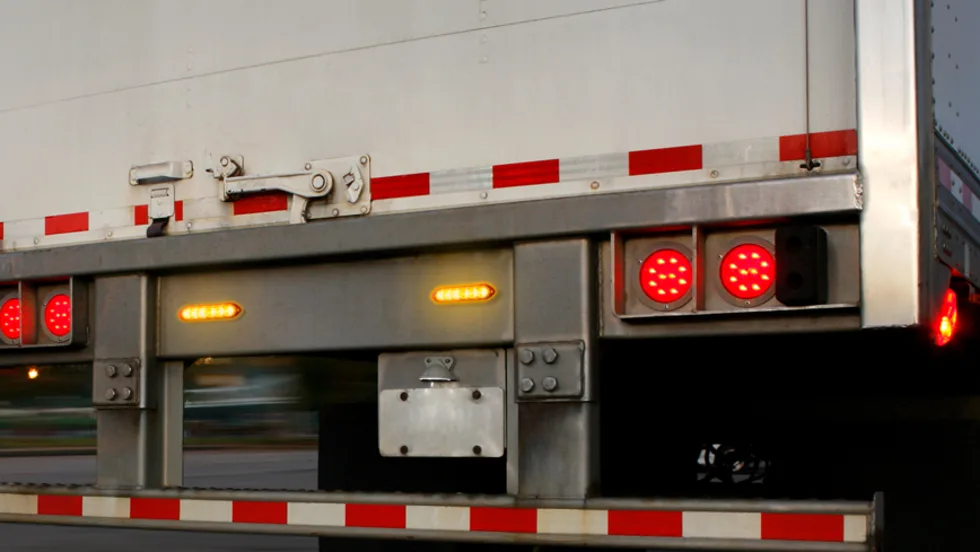
Pulsing Back-of-Trailer Lamps Aim to Prevent Crashes
Can the addition of a pulsing brake lamp on the back of a trailer prevent rear-end collisions? FMCSA seems to think so, if its exemptions are any indication.
Read More →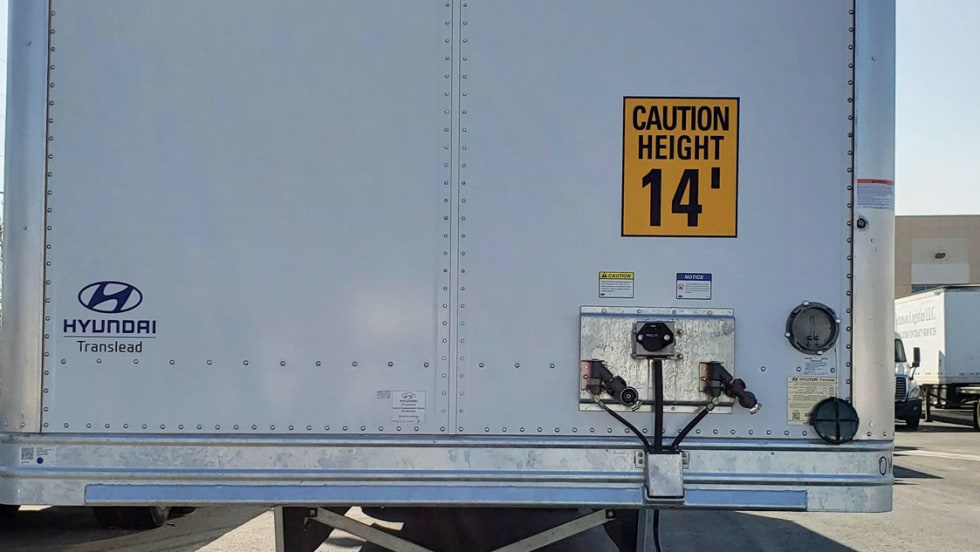
Designing a 14-Foot Trailer
Trailers are 13 feet, 6 inches high, right? Not for Hub Group, which developed a special 14-foot-high trailer spec for a dedicated customer based in California. Learn more in the Trailer Talk blog.
Read More →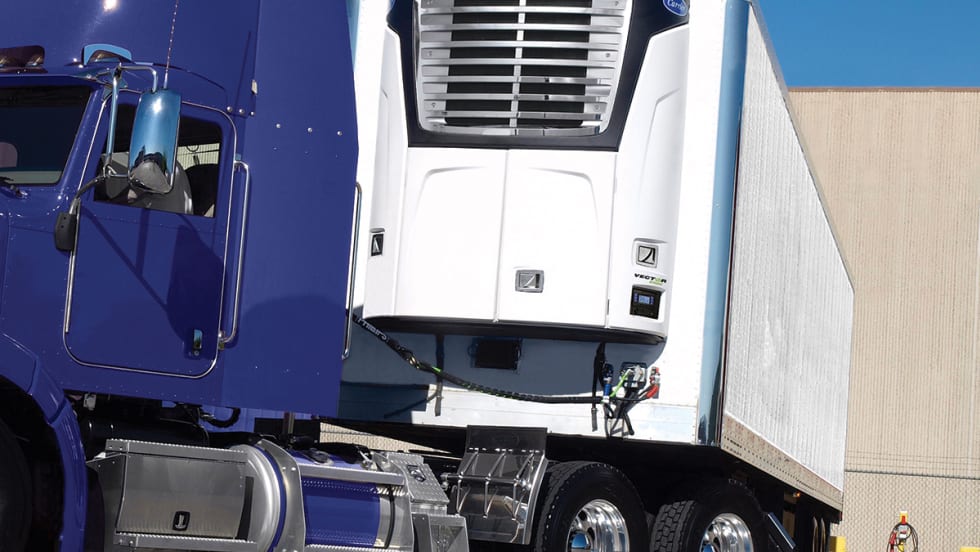
CARB Comes for Reefer Trailers
A new round of emissions control regulations decreed by the California Air Resource Board will begin affecting refrigerated trailer and TRU design and operations next year.
Read More →
5 Ways Data Analysis Maximizes the Value of Trailer Telematics
Are you getting the most out of your trailer telematics investment?
Read More →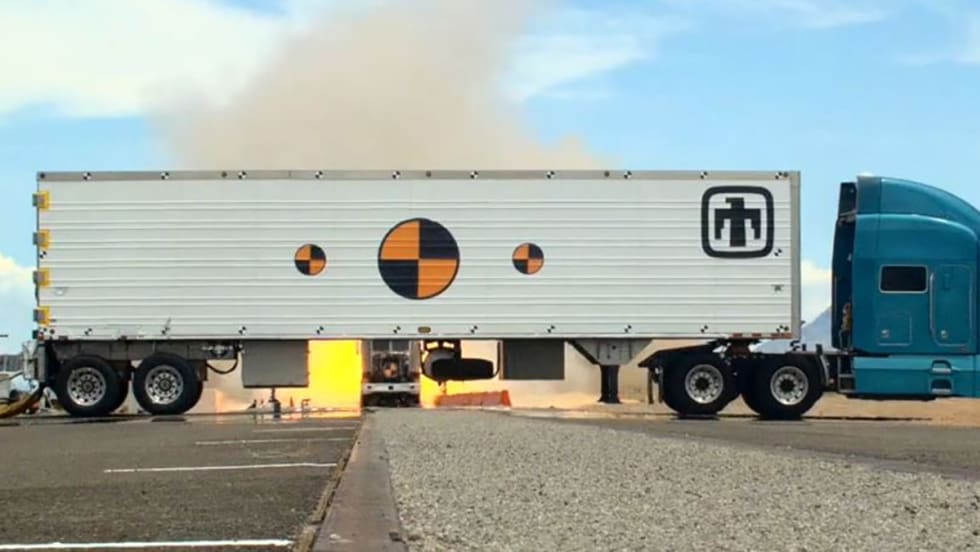
Can You Guess What's in That Trailer?
You don’t always know what’s in the trailers that pass you on the road. But some of those trailers are carrying something a little more dangerous that frozen food or new bedding…like, maybe, a nuclear weapon. But this isn’t an ordinary trailer; this is a trailer specifically made to not only carry this type of payload, but protect it at all costs.
Read More →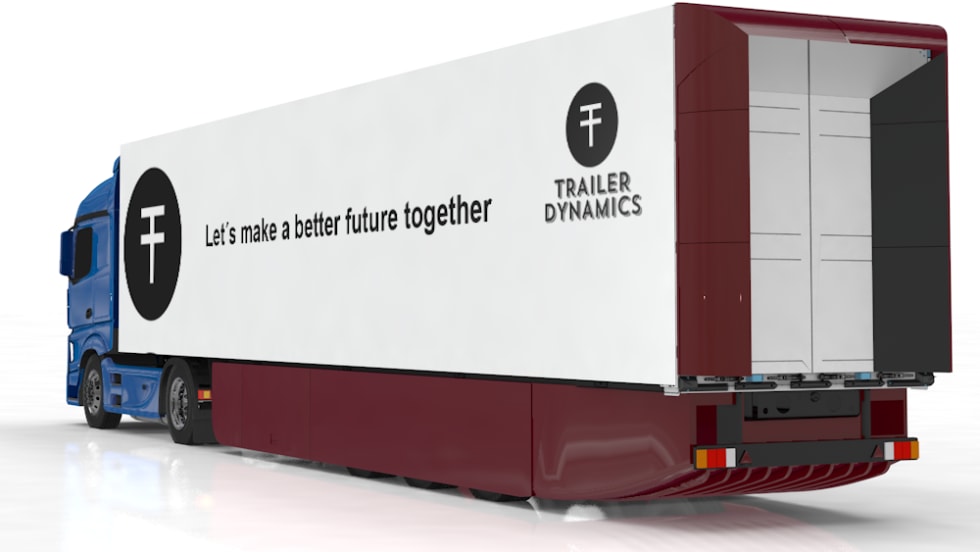
How Trailers Are Harnessing 'Free' Energy
Can trailers play a more active role in sustainable transport beyond aerodynamic add-ons or low-rolling-resistance tires? Some companies think so.
Read More →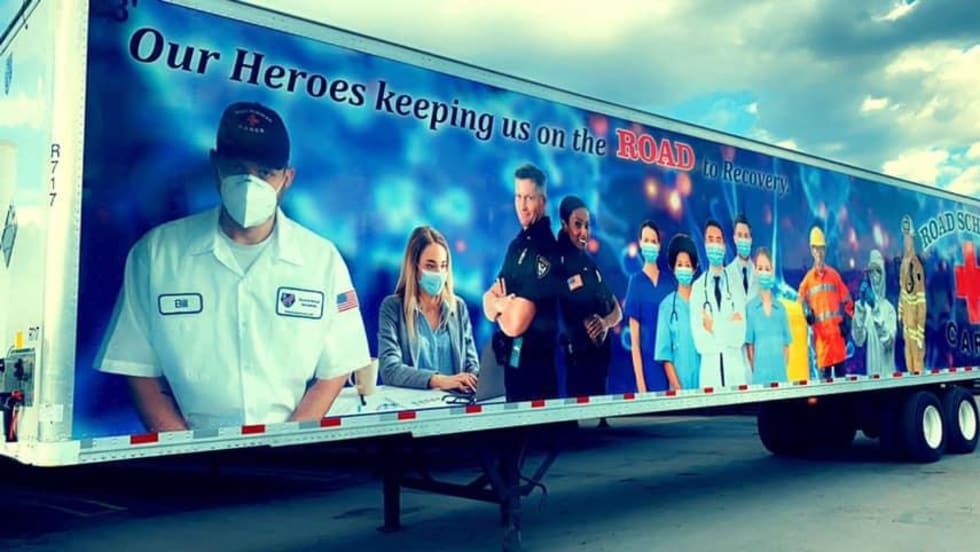
Wrapping a Trailer for COVID’s Everyday Heroes
“We don’t only deliver freight. We deliver awareness.” That’s what Jim Barrett, president and CEO of Road Scholar Transport, likes to say about the Dunmore, Pennsylvania-based carrier’s “awareness fleet.” Its latest trailer wrap honors the everyday heroes of the pandemic.
Read More →
How a Tanker Fleet is Using Unorthodox Trailer Lighting to Fight Rear-End Collisions
Groendyke Transport watched the number of rear-end collisions with its trailers rise steadily until it tried an unorthodox and then unapproved method of alerting following drivers that its trucks were applying brakes and slowing down.
Read More →
The Role Trailers are Playing in COVID-19 Funerals
In places such as New York City and Detroit, overwhelmed hospitals and mortuaries are using refrigerated trailers to store the bodies of people killed by COVID-19.
Read More →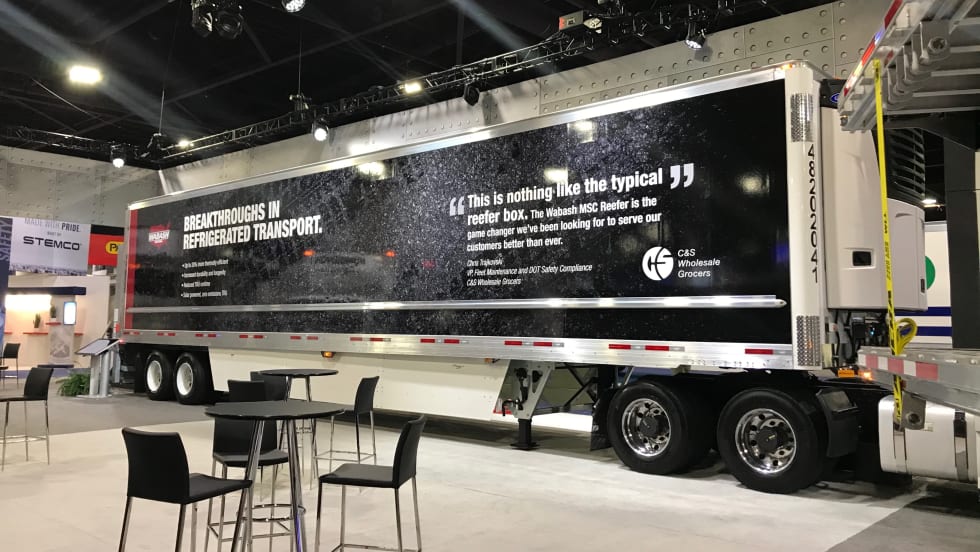
Reefer Trailer Aims to Help Reach Zero Emissions
Wabash National is partnering with C&S Wholesale Grocers to test a new type of zero-emissions refrigerated trailer.
Read More →