




A Dangerous Close-up of a Piggyback Trailer
Train hopping is dangerous – always dangerous – veterans of the pastime say. In his Trailer Talk blog, Tom Berg, from the safety of watching via YouTube, shares one train hopper's experience as he gets up close and personal to a piggyback trailer.
February 20, 2018

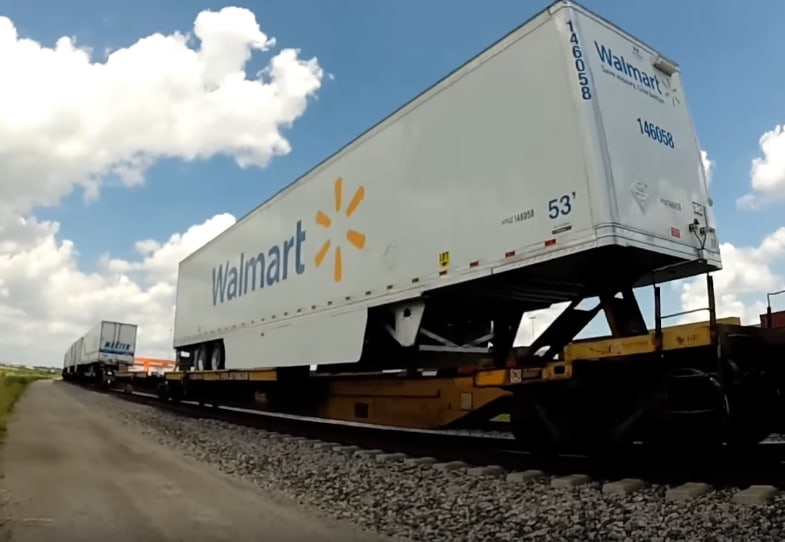
This clean Walmart piggyback van seemed a good place to rest while riding the rails in Kansas for RanOutOnARail, who shot this video. Screen captures from RanOutOnARail via YouTube.com
3 min to read
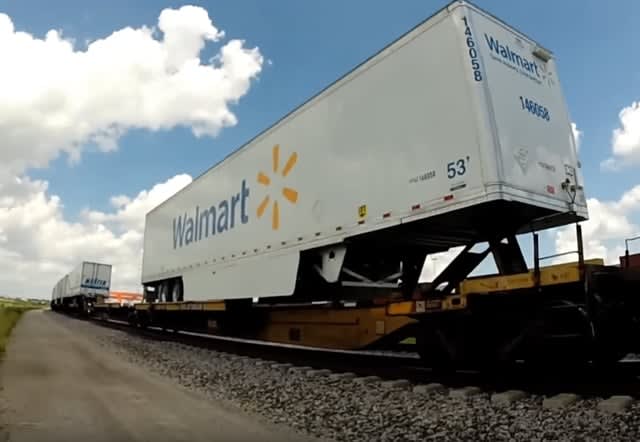
This clean Walmart piggyback van seemed a good place to rest while riding the rails in Kansas for RanOutOnARail, who shot this video.Screen captures from RanOutOnARail via YouTube.com
Hobos “rode the rails” during the Great Depression, catching rides in and on freight cars, looking for work in towns along the way and, in general, searching for escape from hunger and passage to better lives.
Today, in the midst of prosperity, people are still clambering aboard freight trains – not because they have to, but for the fun of it, a very dangerous and illegal pastime known as train hopping.
As I was looking at YouTube videos filmed by these risk-taking outlaws, I found a story about a young woman who was killed when hopping turned bad. I saw warnings about looking both ways before dashing across railroad tracks. I read an admonition against “crossing knuckles,” meaning the knuckle couplers between cars, which can crush your feet as slack widens, then closes suddenly, or simply throw you off, maybe under a car’s steel wheels.
“Iron is not mindful of a human’s well-being,” commented one.
If you want to feel some really heavy iron and get a feel for just how dangerous it might be, walk up to a freight car – while it’s standing still – and examine what it’s made of.
From watching those videos, it appears that one of the easiest rail cars to board is a piggyback flatcar. In this video, a guy with a head-mounted camera begins in Gardner, Kansas. He crosses a creek, runs across a field and into an intermodal terminal, then pulls himself onto a “pig” car and scrambles under a clean, probably near-new Walmart semitrailer. He crawls quickly and hides under the trailer’s tandem, whose wheels conceal him from any officially threatening eyes as the train leaves the yard.

The underside of the van looks factory fresh. What appears to be sealed hardwood forms the floor. The train hopper hid behind the tandem's wheels while leaving the yard in Gardner, Kansas.
The train rolls along and we see details of the trailer’s undercarriage: crossmembers, flooring, swaying air hoses, and shiny aluminum wheels and deep-treaded tires that are kept hard by automatic monitoring and inflation systems. It’s an equipment inspector’s vantage point, but at 50 or 60 mph. We see many fast-passing views of the flat terrain of Kansas (but I can tell you that, after climbing many grassy hills and stumbling through briar-clogged ravines during Army infantry training at Fort Riley, way back in 1964, Kansas ain’t all flat).
Our adventurer, who calls himself RanOutOnARail, hops off as the train stops at another intermodal yard in Kansas City. He sprints toward its perimeter and climbs up and over a tall, barbed wire-topped fence, then scales three more chain-link barriers before he’s clear of the yard and railroad police.
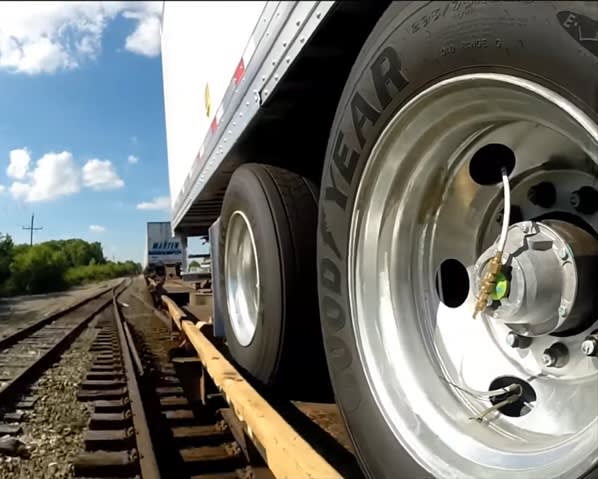
Aluminum wheels are shiny and new, and pressure inflation systems keep the fresh tires firm.
As in the grim 1930s, today’s railroads don’t like people riding their companies’ freight trains and will arrest them if they can. We can hope they’re more professional than the cops of the ‘30s, who sometimes beat up and even shot hobos (at least according to “Bound for Glory,” a poignant film about musician Woody Guthrie’s rail-riding travels and personal travails across the Great Plains, the Rockies, and in California).
Historically, truck driving offered the lure of the open road. And it's a safer way to experience the country than the dangers of train hopping. It's one thing for a trailer to ride atop a piggyback flatcar; it's quite another for a human being, no matter how high the adrenaline rush.
Note: This blog has been edited to further emphasize the dangers of train hopping.
Subscribe to Our Newsletter
More Blog Posts
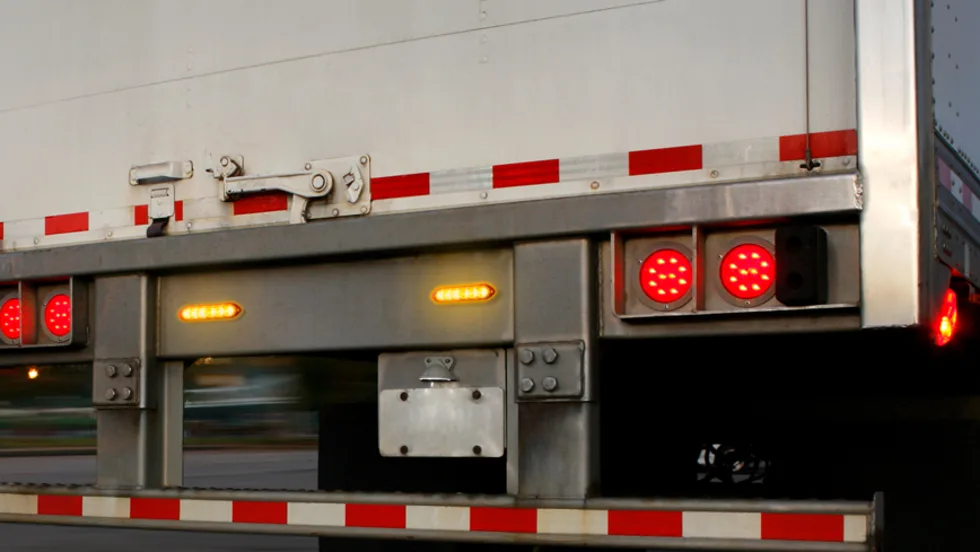
Pulsing Back-of-Trailer Lamps Aim to Prevent Crashes
Can the addition of a pulsing brake lamp on the back of a trailer prevent rear-end collisions? FMCSA seems to think so, if its exemptions are any indication.
Read More →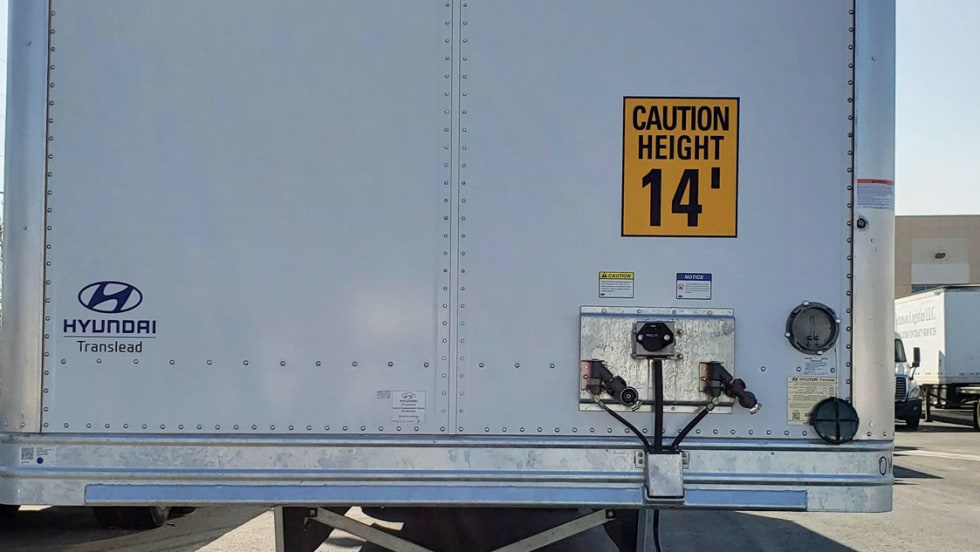
Designing a 14-Foot Trailer
Trailers are 13 feet, 6 inches high, right? Not for Hub Group, which developed a special 14-foot-high trailer spec for a dedicated customer based in California. Learn more in the Trailer Talk blog.
Read More →
CARB Comes for Reefer Trailers
A new round of emissions control regulations decreed by the California Air Resource Board will begin affecting refrigerated trailer and TRU design and operations next year.
Read More →
5 Ways Data Analysis Maximizes the Value of Trailer Telematics
Are you getting the most out of your trailer telematics investment?
Read More →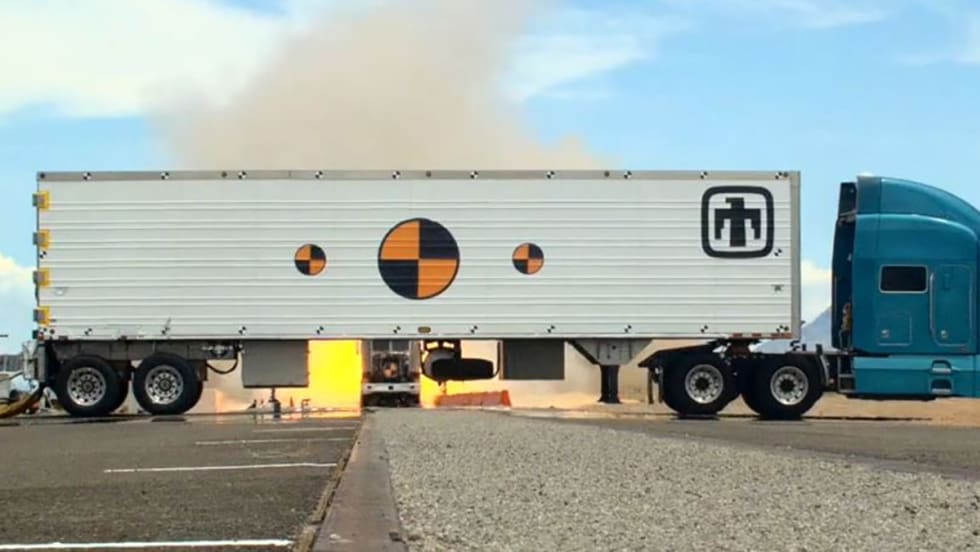
Can You Guess What's in That Trailer?
You don’t always know what’s in the trailers that pass you on the road. But some of those trailers are carrying something a little more dangerous that frozen food or new bedding…like, maybe, a nuclear weapon. But this isn’t an ordinary trailer; this is a trailer specifically made to not only carry this type of payload, but protect it at all costs.
Read More →
How Trailers Are Harnessing 'Free' Energy
Can trailers play a more active role in sustainable transport beyond aerodynamic add-ons or low-rolling-resistance tires? Some companies think so.
Read More →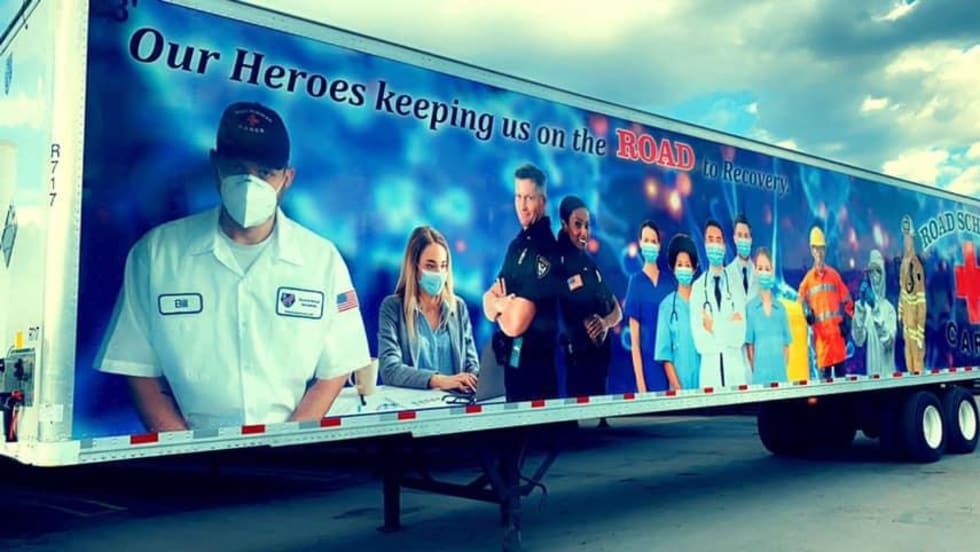
Wrapping a Trailer for COVID’s Everyday Heroes
“We don’t only deliver freight. We deliver awareness.” That’s what Jim Barrett, president and CEO of Road Scholar Transport, likes to say about the Dunmore, Pennsylvania-based carrier’s “awareness fleet.” Its latest trailer wrap honors the everyday heroes of the pandemic.
Read More →
How a Tanker Fleet is Using Unorthodox Trailer Lighting to Fight Rear-End Collisions
Groendyke Transport watched the number of rear-end collisions with its trailers rise steadily until it tried an unorthodox and then unapproved method of alerting following drivers that its trucks were applying brakes and slowing down.
Read More →
The Role Trailers are Playing in COVID-19 Funerals
In places such as New York City and Detroit, overwhelmed hospitals and mortuaries are using refrigerated trailers to store the bodies of people killed by COVID-19.
Read More →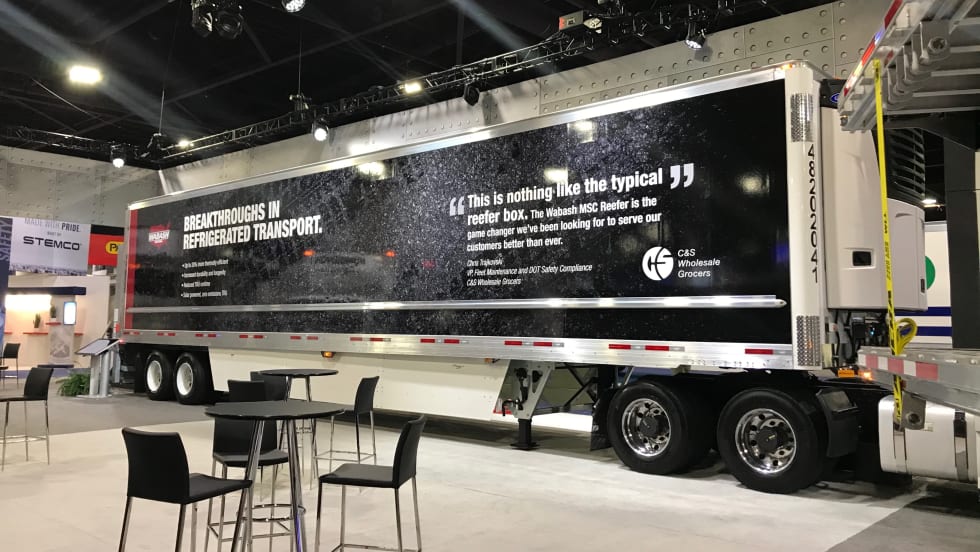
Reefer Trailer Aims to Help Reach Zero Emissions
Wabash National is partnering with C&S Wholesale Grocers to test a new type of zero-emissions refrigerated trailer.
Read More →