


 MENU
MENU SEARCHMENUSEARCH
Diagnostics took a while to become a high art, though for for a long time it was a human one.
Read More →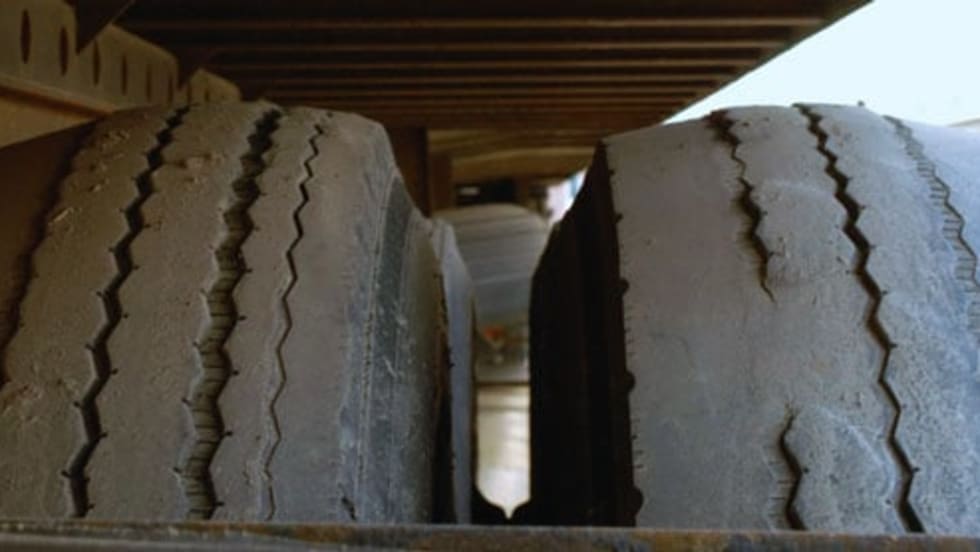
Thousands of tires are cast prematurely onto scrap piles every month. That's hundreds of thousands of miles of operation fleets give up because their tires die untimely, unnatural and often unnecessary deaths. And the tires themselves are rarely to blame
Read More →
The wear demons don't discriminate between standard and wide-base single tires. With a few exceptions, the kinds of irregular wear that standard tires exhibit will appear on wide-base singles, too
Read More →
Diesel particulate filters trap soot from the exhaust and ash from motor oil. Most soot is burned off in the course of a truck's operations, but ash stays in the filter's honeycomb substrate and is removed through periodic servicing.
Read More →
In 1932, the Brown family started National Hauling with one truck. Today the New Jersey-based company, rebranded as NFI, offers regional truckload, drayage, intermodal (including refrigerated containers), dedicated fleets, warehousing, cross-docking operations, packaging, and global logistics
Read More →
When Navistar execs turned the key on one of the first MaxxForce 15 engines at the 2009 Mid-America Trucking Show, there were more than a few doubting Thomases in the audience
Read More →Most fleets consider tire valve stems and valve hardware as an afterthought, but there are many issues associated with valve stem hardware that fleets need to be aware of
Read More →
Kano Laboratories released Kroil anti-corrosion fluid that loosens frozen metal parts
Read More →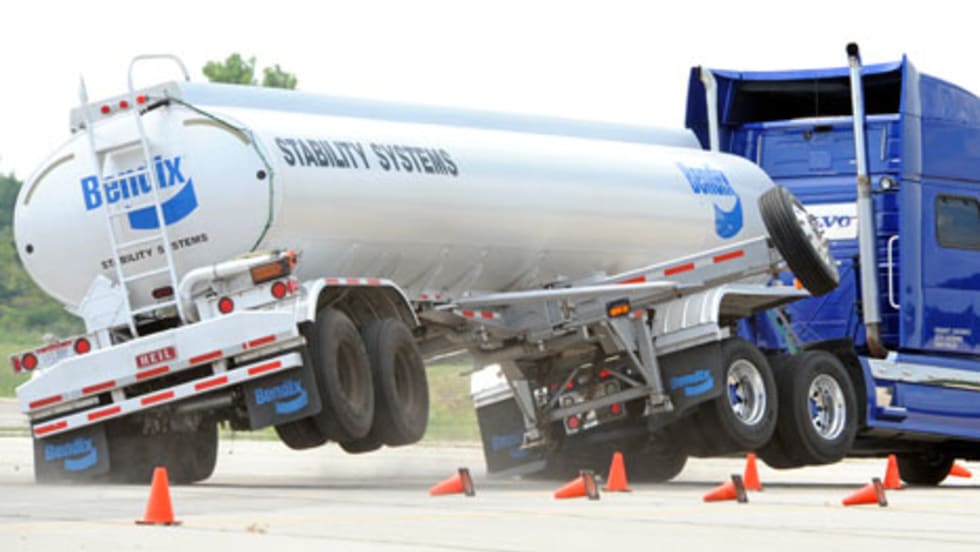
The National Transportation Safety Board says more needs to be done to make tanker trailers less prone to rollovers, including mandatory stability control systems, following its investigation of a 2009 rollover accident involving a tractor and tanker trailer
Read More →
President Obama today announced first-of-their-kind fuel efficiency standards for trucks, buses, and other heavy-duty vehicles, saying the new rules will save American businesses who operate and own these commercial vehicles approximately $50 billion in fuel costs over the life of the program
Read More →