




Which Drivers Make Good Lease-Purchase Candidates?
While capacity is important, the DOT's new CSA enforcement regime and ever-nosier agencies like the IRS make it clear that you simply can't take people that need to be led by the hand into a lease-purchase program.

Many fleets recruiting owner-operators are having a hard time finding enough qualified applicants -- so are turning to grow-your-own tactics with lease-purchase programs. (Read more about such programs in the July issue of HDT.)
But who qualifies as a good prospective lease-purchase candidate? If you said anyone who can fog up a mirror, you're out of touch. While capacity is important, the DOT's new CSA enforcement regime and ever-nosier agencies like the IRS make it clear that you simply can't take people that need to be led by the hand into a lease-purchase program. The oversight required to keep them on track would bear a dangerous resemblance to an employer-employee relationship.
Scheider National, for example, maintains that separation through a company called Schneider Finance Inc. It's operated at arm's length from the carrier. Grailing Jones, the small business owner-operator development manager at SFI, calls the program the Schneider Career Path Option.
"We don't recruit and we don't draft people into the program," he says. "We offer it as an option – like the name says – to people with ambitions of starting a small business with a future."
Most of the clients are referrals, Jones says, but the program accepts clients from several streams. Former military drivers, CDL school graduates, current Schneider National company drivers and literally walk-ins. Depending on the individual, Jones is looking for six months to a year's experience as a company driver, or previous owner-operator experience.
"It's not something we offer to everyone," he says. "The individual has to have the desire and then explain to us why they want to be an owner before we'll consider them. We're not being elitist; it's our money. If we're going to take a risk, we're going to do it on our terms."
Jones says it's important that the client fits the company and vice versa. They usually insist on a minimum six-month period for each party to get comfortable with each other – a familiarization period and on-the-job training rolled into one.
"That gives us time to look at them and them to look at us," he says. "We're not in this to make money from leasing trucks; we're in this to provide capacity. The last thing we want to do is waste our company assets on an individual who is not sure."
Both Grailing and David Strand, president of Wholesale Truck & Finance, say one of the traditional barriers to truck ownership, credit scores, isn't critically important, but it is considered.
"We look at what the whole person is about," Strand says. "I can think of a dozen reasons why good people get stuck with bad credit. As long they are not in open bankruptcy, and they don't owe back child support, we'll look at them."
What Strand wants to see is some personal commitment – a $4,000 down payment. When they have some skin in the game, they tend to take ownership more seriously, he says.
"We often have carriers asking if they can make the down payment for the driver, but my very simple answer is it doesn't work. We will take $2,000 from the sign-on bonus, but the driver has to have at least $2,000 of his or her own money in the deal."
Strand also looks at employment history. He won't look at anyone with more than two jobs in the past three years. "We want to see some evidence that they've tried to work with carriers rather than just bailing at the first sign of trouble or anytime the grass starts looking greener somewhere else."
More Fleet Management

How Telematics Improves Visibility, Control, and Performance in Refrigerated Fleets
Explore how telematics help refrigerated fleets improve visibility, uptime, efficiency, compliance, and cargo protection across connected cold chain operations.
Read More →
What the U.S.-Canada Trade War Means for Trucking
Escalating U.S.-Canada tariffs could disrupt cross-border freight, reduce truck volumes, raise costs, and create new uncertainty for carriers on both sides of the border.
Read More →
What Are Trucking’s Top Concerns for 2026?
The American Transportation Research Institute wants to know what's worrying trucking fleet managers, drivers, and other stakeholders in its annual Industry Issues survey.
Read More →

American Trucking Associations Looks for a New Leader
ATA President and CEO Chris Spear abruptly left his job at the association on August 21, at a pivotal time for the trucking industry.
Read More →
Public Wi-Fi Cybersecurity Risks: How Truck Drivers and Fleets Can Protect Their Data
Public Wi-Fi can expose truck drivers and fleets to credential theft, malware, and other cyber threats. Here’s how to reduce the risk on the road.
Read More →
For Nicky Cupp, Fleet Innovation Starts With Frustration
HDT Truck Fleet Innovator Nicky Cupp turns everyday pain points at Fraley & Schilling into opportunities for better technology and smarter processes.
Read More →
Adam Buttgenbach’s Approach to Electric Trucks: Start With Where They Fit
HDT Truck Fleet Innovator Adam Buttgenbach helped PepsiCo build one of North America’s largest EV fleets by focusing on where electric trucks make operational sense.
Read More →
Deen Albert: Let Automation Do the Math, People Make the Decisions
HDT Truck Fleet Innovator Deen Albert makes sure people are still at the heart of operations at Grand Island Express, even while adopting artificial intelligence tools. AI-assisted dispatch helped boost revenue 25% with the same number of trucks.
Read More →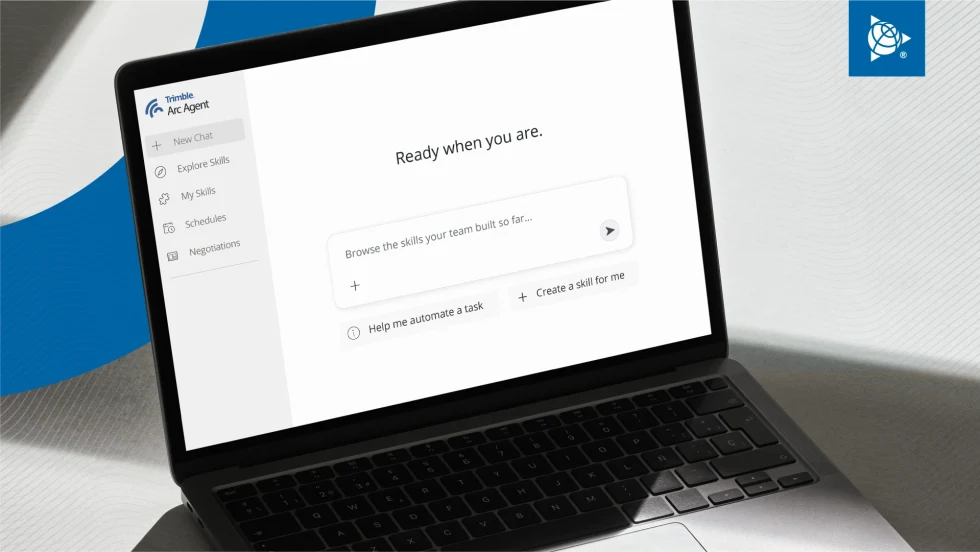
Trimble’s New AI Agent Takes Aim at Fleet Back-Office Busywork
Arc Agent works across Trimble TMS products to automate repetitive tasks such as freight orders, maintenance, invoices, fuel costs and more.
Read More →
How HDT’s 2026 Truck Fleet Innovators Are Rethinking Fleet Operations
Meet five trucking leaders who are challenging assumptions, solving operational problems, and putting innovative ideas to work.
Read More →