




FTR's Trucking Outlook: What the Numbers Say About Freight, Rates, and Drivers
What Do New Small Carriers Mean For Trucking Capacity?
Strong market conditions and extraordinary financial assistance from Washington have sparked an unprecedented surge in the number of newly authorized trucking companies — especially small ones.
by Avery Vise, FTR
December 3, 2021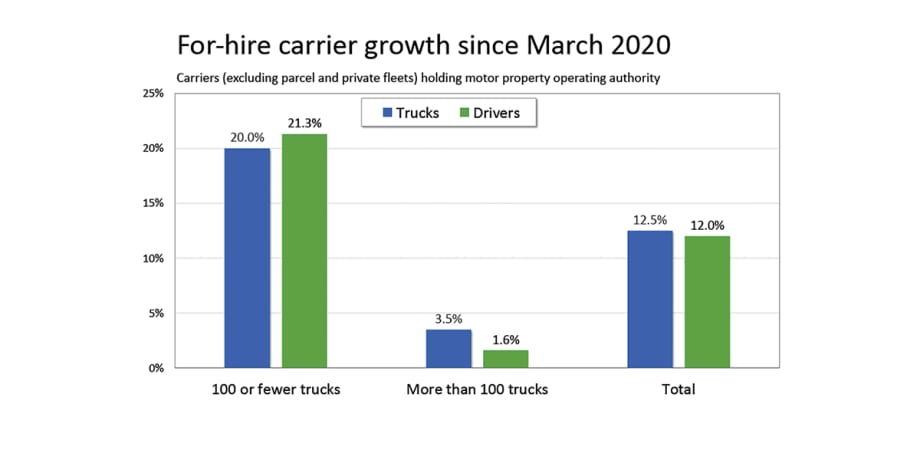
High spot freight rates, and the availability of apps to easily book freight, have likely fueled the rise in new small fleets.
Source: FTR Analysis of FMCSA MCMIS Data Snapshots from March 2020 and September 2021
3 min to read
For more than a year, strong market conditions and extraordinary financial assistance from Washington, among other factors, have sparked an unprecedented surge in the number of newly authorized trucking companies — especially small ones.
From July 2020 through September 2021, the Federal Motor Carrier Safety Administration approved more than 104,000 new for-hire trucking companies, and that’s excluding private fleets that have added authority. These are huge numbers, but they do not account for the other side of the ledger. Even during periods of robust market conditions like today, many carriers exit the market for a variety of reasons.
To understand how the profile of for-hire trucking has changed during the pandemic, FTR compared a snapshot of data filed with FMCSA as of September 2021 to data filed as of March 2020 for carriers that held operating authority as of those two months. The number of purely for-hire carriers (excluding private fleets with authority) holding authority rose by more than 78,000, or nearly 39%, during the period. The number of one-truck for-hire carriers jumped 52%.
More important than the change in the number of carriers is the change in truck and driver capacity. This analysis is a bit more complicated, because carriers are required to update their profile data only once every two years on a staggered schedule. Therefore, the March 2020 snapshot includes carriers that had not updated their data during the industry’s growth in 2018 and 2019. However, 85% of the carriers in the March 2020 snapshot filed in 2019 or 2020. The staggered reporting also affects the September 2021 snapshot, of course, but two-thirds of carriers have filed this year. So while a comparison is far from precise, it should be a reasonable approximation.
One development that arguably distorts capacity changes is the extraordinary growth in parcel and local delivery during the pandemic. This capacity is an essential part of freight transportation, but these operations — UPS, FedEx, FedEx Ground Package, and Amazon Logistics — are fundamentally different and, arguably, are more competitors for driver capacity than sources of it. Together, those operations added about 11% to their truck fleets and 23% to their driver forces between the two snapshots.
If we exclude the parcel operations, the number of trucks rose 12.5% and the number of drivers increased 12% between the March 2020 and September 2021 snapshots.
For carriers struggling to find enough drivers, these figures might sound preposterous. The comparison probably does overstate the growth somewhat due to the reporting timeframes described above. However, FTR believes that the driver supply issues many truckload carriers face have more to do with supply chain distortions that are keeping spot market volume and rates high than they do with the overall supply of drivers.
Owing to the surge in new entrants, the greatest capacity growth has been among the smallest carriers. But to simplify the discussion, we bundled carriers into two groups: 100 or fewer trucks and more than 100 trucks. Carriers with 100 or fewer trucks saw a 20% increase in truck capacity and a 21.3% increase in driver capacity. Excluding the parcel operations, carriers with more than 100 trucks posted gains of 3.5% in trucks and 1.6% in drivers.
Smaller carriers have increased their market share modestly during the pandemic. Carriers with 100 or fewer trucks now represent about 58% of trucks and 57% of drivers, up from about 55% and 53% previously. This share could grow further if spot rates remain robust, and more fuel could be coming soon owing to the Biden administration’s proposal to require vaccinations or weekly COVID testing for workers at companies with 100 or more trucks.
This column first appeared in the November 2021 issue of Heavy Duty Trucking.
Subscribe to Our Newsletter
More Fleet Management
Why This Trucking Recovery Is Different
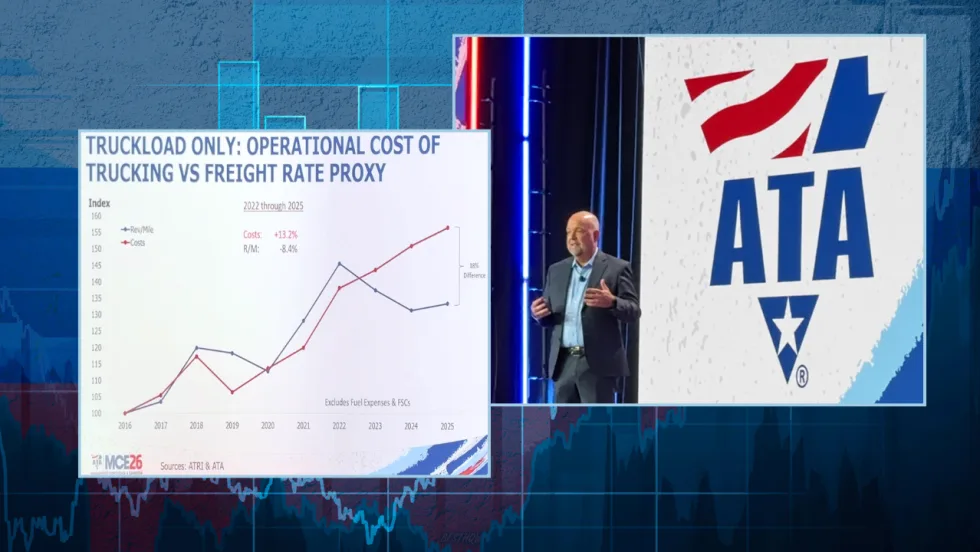
Freight demand remains sluggish, but rising costs and tougher enforcement have taken enough capacity out of the market to change the outlook for motor carriers.
Read More →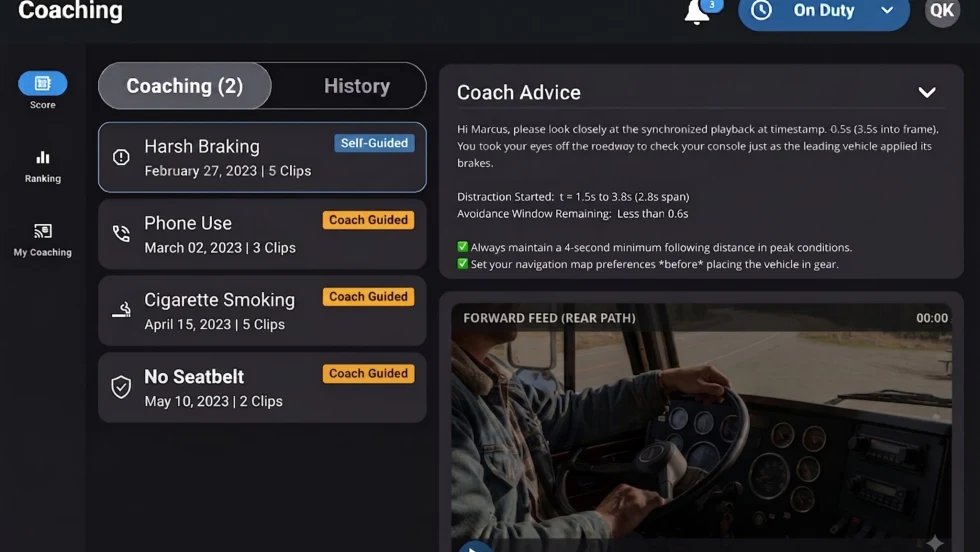
Platform Science Adds Dispatch and Safety Tools
Four additions to PS Fleet help fleets monitor loads, manage driver coaching, share truck locations and adjust video system settings.
Read More →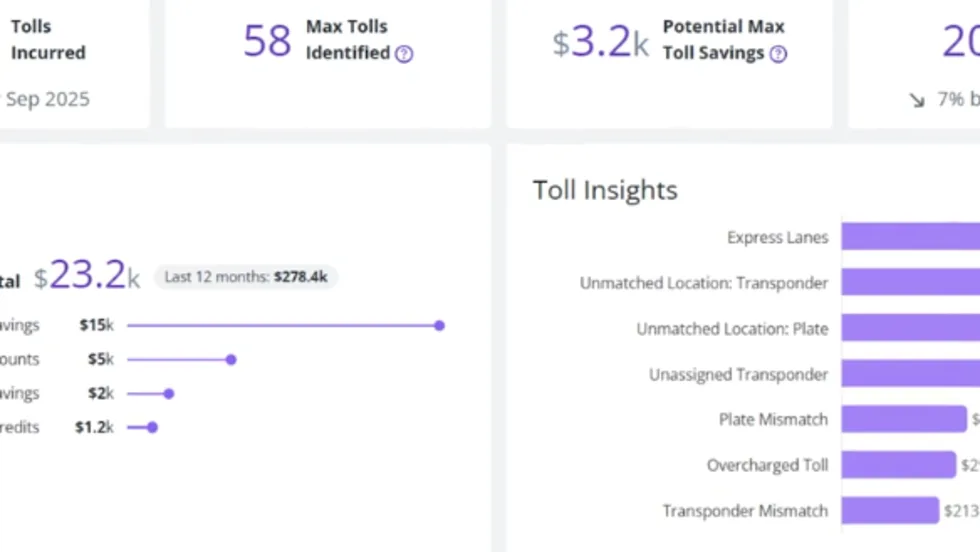
PrePass Intelligence Mines Fleet Bypass, Toll and Safety Data
PrePass Intelligence helps fleets measure bypass savings, flag potential toll overcharges, and spot suspicious transactions by combining data from separate systems.
Read More →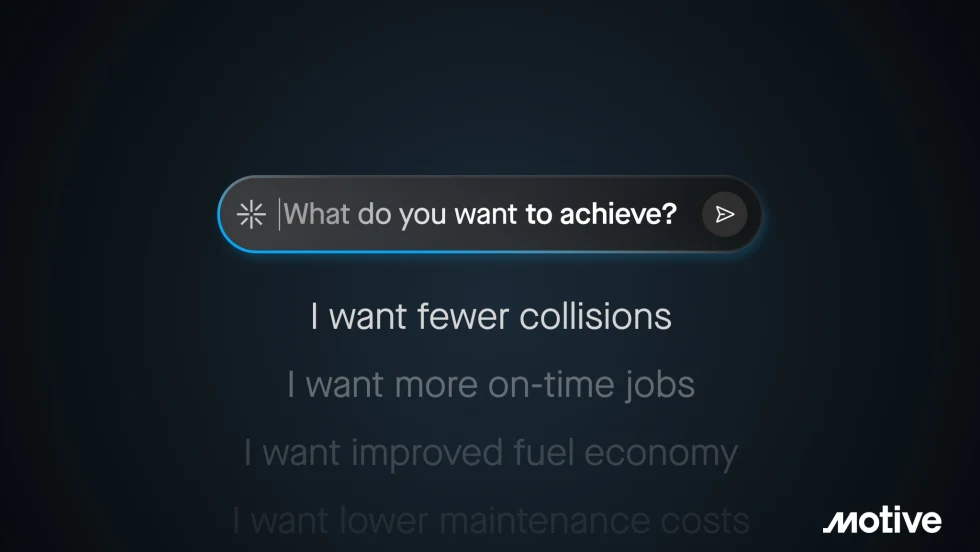
Motive Adds AI Agents for Fleet Operations
New tools automate follow-up on fleet data, from maintenance work orders to driver alerts, with two-way voice conversations planned for later this year.
Read More →
Can You Beat Our Trucking Trivia Challenge?
Test your truck knowledge with 19 trivia questions from Heavy Duty Trucking Exchange. Can you keep up with the fleet pros?
Read More →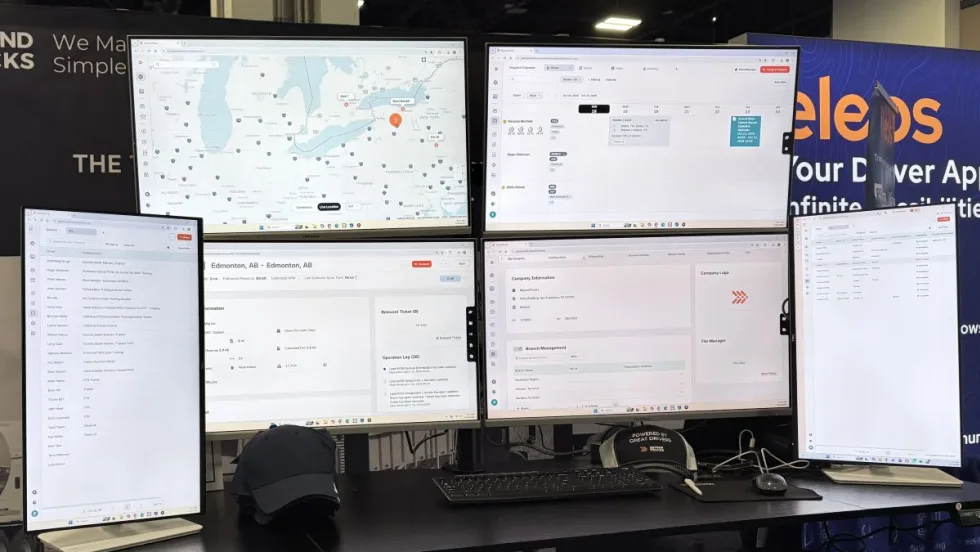
BeyondTrucks Adds Rules Checks to Dispatch
New Compatibility Engine checks driver qualifications, equipment requirements and fleet policies before loads are dispatched.
Read More →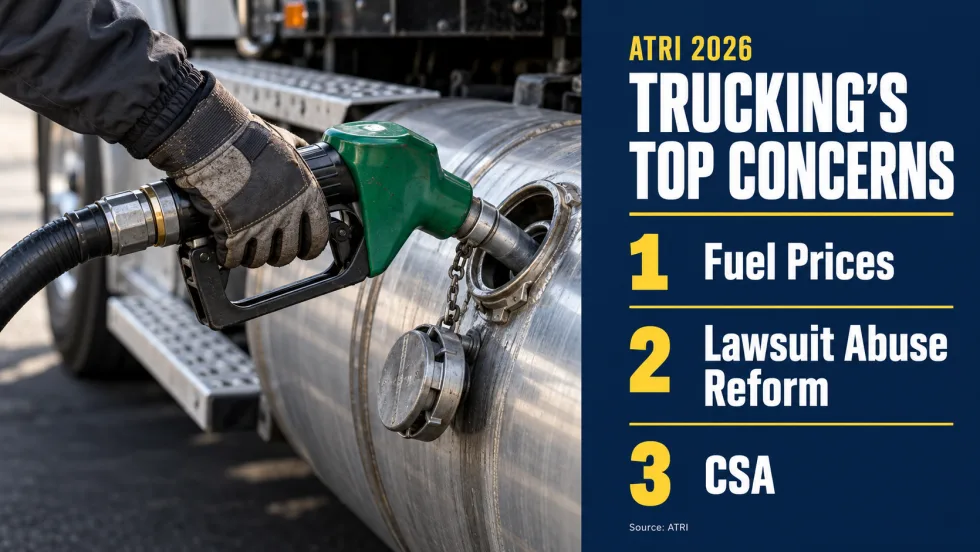
Diesel Prices Hijack Trucking’s Worry List
ATRI’s annual survey finds cautious optimism about freight, but diesel costs, litigation, and insurance continue to squeeze fleets. Drivers have different priorities on several issues.
Read More →
Nomination Deadline Extended for HDT Emerging Leaders
Just a few more days to nominate accomplished trucking fleet professionals under 40 who are making an impact and helping lead the industry forward for the HDT Emerging Leaders award. Deadline extended to October 20!
Read More →
What Will ATA’s New Leader Bring to Trucking's Table?
Incoming President and CEO Mark Colson’s record in Alabama offers clues about his priorities and approach following Chris Spear’s abrupt departure as the head of the American Trucking Associations.
Read More →
Volvo, Waabi Start Commercial Autonomous Operations in Texas
Volvo VNL Autonomous trucks, powered by the Waabi Driver, are hauling freight directly to third-party facilities for a customer in Texas.
Read More →