




Warranty Woes
It offers simplicity and savings, but TMC's universal equipment claim process languishes.

Bharat Thacker, a fleet consultant who runs RapidWarranty in Southfield, Mich., tells of visiting a large fleet and being taken to an office area where 30 people worked on nothing but filing warranty claims. "Five only filed claims with OEMs, three only filed claims for transmissions, another three only did claims for engines, and so on," he says. "All of these people are highly trained on the specific codes used by the individual manufacturers, and they can't move from one area to another. If one gets sick, they have to wait until he or she gets back to continue work in that area."
What the trucking industry needs is a standardized warranty procedure that's simple to use and can be accepted by any original equipment manufacturer or supplier, Thacker believes. And there is one - the Universal Equipment Claim Process developed eight years ago by members of the Technology and Maintenance Council of the American Trucking Associations. It's been TMC's Recommended Practice 807 since 2000, has been slightly modified since then and is now numbered 807B, but still sees little use.
Inertia - the reluctance to change - has kept fleets from implementing it and manufacturers from accepting it, Thacker complains. He says he has participated in meetings with industry figures who continue to delay the system's implementation because it would require them to make changes in their present procedures. Some insist that any claims be filed through their dealers, even though fleets would rather file directly with manufacturers using electronic data interchange (EDI) procedures. And companies that sell maintenance software don't want the standardization, including a two-page form that TMC members designed and included in their RP.
But there's progress. The Automotive Industry Action Group, a non-profit organization composed of manufacturers and dealers, pushed for an EDI version of the TMC system. Now that there is one, AIAG has agreed to try to partner a fleet with an OEM and suppliers to see how it works, says Jack Poster, TMC's service manager for Vehicle Maintenance Reporting Standards (VMRS).
One OEM that has begun using TMC's brief Universal Claim Form is Daimler Trucks North America, parent of Freightliner, Sterling and Western Star. It has incorporated the form in its new system, Online Warranty Link, according to Ron Bush, DTNA's senior manager, warranty.
"The form, as included in this software product, has the majority of the AIAG-designed content intact, with individual elements deleted as not meeting our business requirements," Bush says. "In this format, DTNA is committed to support and use the Universal Claim Form for its warranty transactions with fleets, dealers, and distributors."
AIAG is trying to gain industry acceptance of an extendable markup language (XML) standard, which enables EDI transactions, for the form. But this does not completely align with the STAR standard that DTNA has committed to, Bush adds. DTNA is a "very interested participant" in continuing meetings with all interested parties in an attempt to reach one format that can be accepted by all users of the Universal Claim Form.
Talk of competing formats suggests why adoption of the TMC process and claim form has been neither simple nor quick, and helps explain the eight years of languishing since it was first published. But when agreement comes, the rewards in saved time might be great. Instead of various warranty claim forms gathering the same information in different ways, and clerks having to learn them all, the single TMC form collects all the data in a standardized manner. And the info is all that a manufacturer could want, Poster says.
"In reading this I have to wonder, how much more information do they need?" Poster says. "To me it covers all the bases." And it is simple. The TMC form uses just 15 VMRS codes, Thacker explains, "so instead of having highly skilled people you can take people off the street and do it." VMRS, which goes back more than 30 years, is used and understood by maintenance people at all major truck fleets and many smaller ones, so is a sound method on which to base the TMC process, Poster and Thacker believe.
The status of the Universal Equipment Claim Process has been discussed in sessions of most TMC meetings since 2000, and will come up again at the group's Fall Meeting in September.
One of the problems with a lot of fleet people who file warranty claims is that they assume something is covered when it might not be. And even if it is, they fill out the claims wrong, and if they do it right they include unrealistic demands, and don't check later to see if the claims have been paid.
Those are some of the errors that Darry Stuart, a fleet-management consultant and past general chairman of the Technology and Maintenance Council of ATA, says he has seen over the years. Human nature being what it is, ignorance is never stamped out, but he tries his best to counter it, often with stories from the shops he's managed and visited.
One example Stuart offers is a typical problem of drive-belt shredding noticed by a shop technician, who points it out to his foreman. The foreman scratches his chin as he looks at one of the shot belts, then tells mechanics to change all the pulleys and idlers on this group of trucks because that's probably the problem, and "it's under warranty." But the manufacturer won't pay for any of it, because there is no evidence that the pulleys and idlers caused it, and a simple adjustment or maybe just an application of soap might have cleared up the belt damage. Lesson: Check with the manufacturer to see what it's willing to cover in any situation.
Let's say, though, that the belts and pulleys are causing belts to fail and the manufacturer is willing to cover some or all of the replacement costs. The warranty clerk fills out the form but misses some blocks and inserts incomplete or incorrect information in some others, then sends it in. If it's not an electronic system that automatically spits it back with an error message, the claim goes in, and is eventually bounced back by a sharp-eyed clerk at the manufacturer. That might be days or weeks later, and when the fleet clerk has to redo it, he or she has to again round up all the pertinent information and try to fill out the form correctly. That delays cash flow that the fleet could really use.
Now let's say that the clerk filled out the form correctly and, because the fleet does its own warranty work, he's used a dollar amount for shop time that was specified by the fleet's maintenance manager. The manager or maybe someone higher up in the company computed the shop's per-hour rate based on actual costs along with a profit he feels the company's entitled to - $65, for instance. Dealers make money on their shops, he figures, so why can't his shop?
Two reasons, Stuart says: The fleet is not a dealer and the manufacturer is not willing to consider him one. Moreover, the manufacturer has set the reimbursable hourly rate, maybe at $40, and the fleet can take it or leave it. The maintenance manager can get huffy and complain about the manufacturer's "refusal to pay," but he's fighting reality. "Be fair," Stuart emphasizes, and you'll get a fair warranty payment with minimal heartburn.
Well, let's say that the clerk has correctly filled out the form and none of the figures are disputed. It's now been weeks or even months since the claim form went in, but the manager has no idea if the manufacturer has paid the claim. And he has no way to find out, because there's no function in his software to keep track of it. Sadly, Stuart says, many fleet maintenance operations have no procedures to follow up on warranty claims, which can get delayed or lost in a big manufacturer's electronic system or human bureaucracy.
But there's an easy way to follow up: Send in the claim with an invoice, he suggests. Most accounting programs will remember it and treat it as part of a normal billing function, and will keep that invoiced claim in your accounts receivable file. And the software can automatically remind you after 30, 60 and 90 days of a non-payment so you can act on it.
Now, how do manufacturers pay their claims? Sometimes it's cash and sometimes it's credit. Try to get cash, because it's money you and your company can spend any way you need to. If a manufacturer issues you a credit, you have to spend more money with him to get it, and it's likely that he will net a healthy profit on the amount. Why should he? Insist on cash, and hope the manufacturer complies.
More Fleet Management
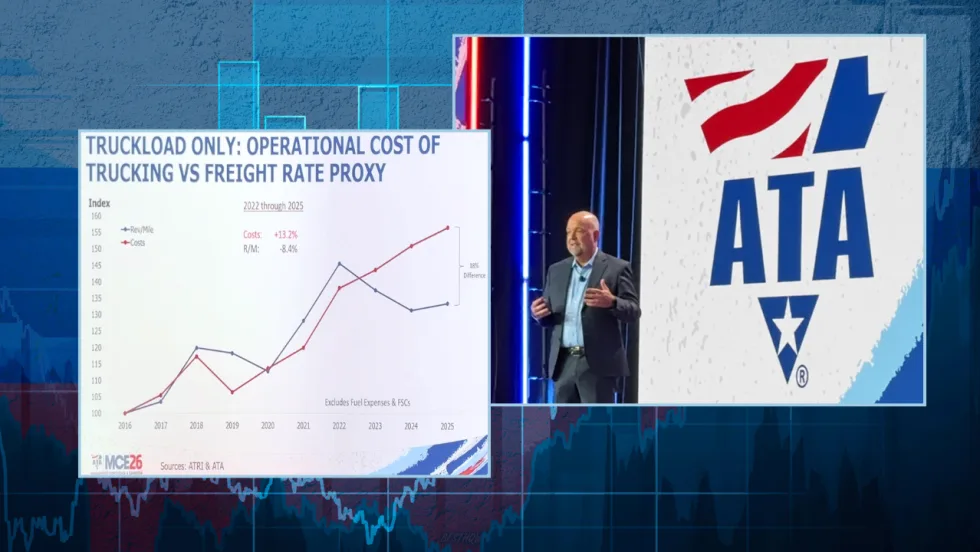
Why This Trucking Recovery Is Different
Freight demand remains sluggish, but rising costs and tougher enforcement have taken enough capacity out of the market to change the outlook for motor carriers.
Read More →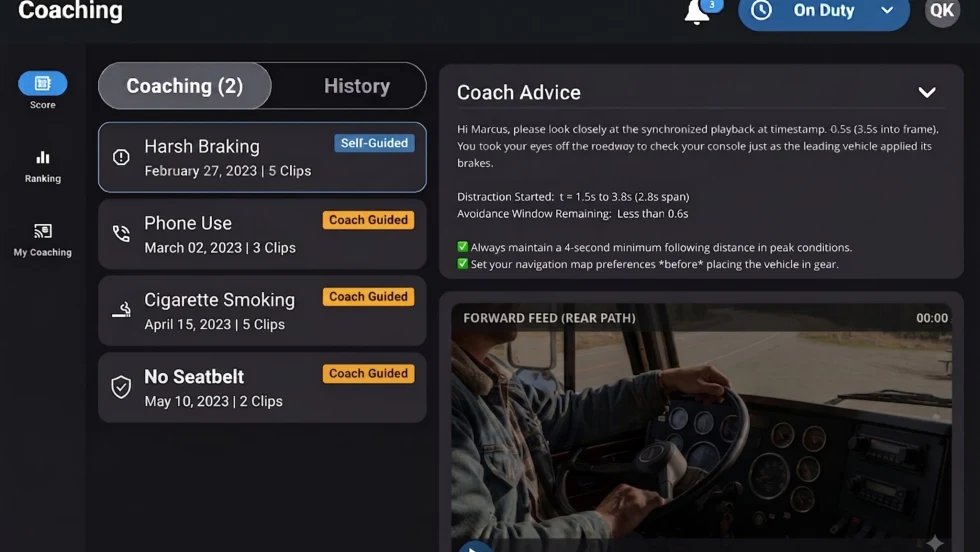
Platform Science Adds Dispatch and Safety Tools
Four additions to PS Fleet help fleets monitor loads, manage driver coaching, share truck locations and adjust video system settings.
Read More →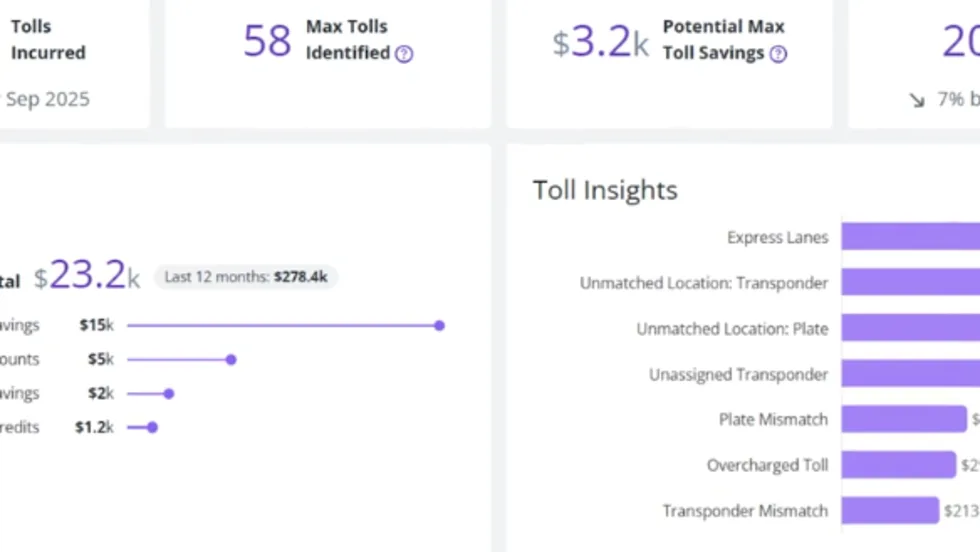
PrePass Intelligence Mines Fleet Bypass, Toll and Safety Data
PrePass Intelligence helps fleets measure bypass savings, flag potential toll overcharges, and spot suspicious transactions by combining data from separate systems.
Read More →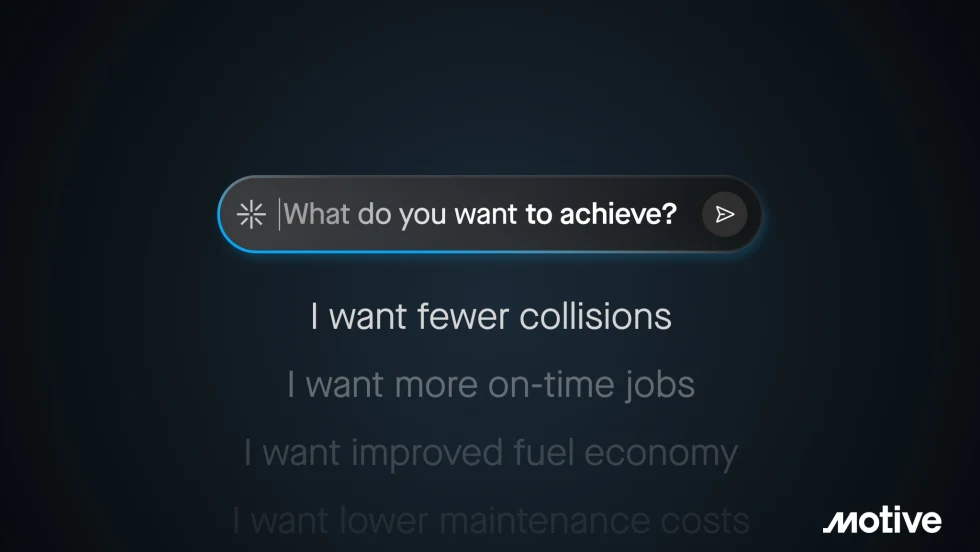
Motive Adds AI Agents for Fleet Operations
New tools automate follow-up on fleet data, from maintenance work orders to driver alerts, with two-way voice conversations planned for later this year.
Read More →
Can You Beat Our Trucking Trivia Challenge?
Test your truck knowledge with 19 trivia questions from Heavy Duty Trucking Exchange. Can you keep up with the fleet pros?
Read More →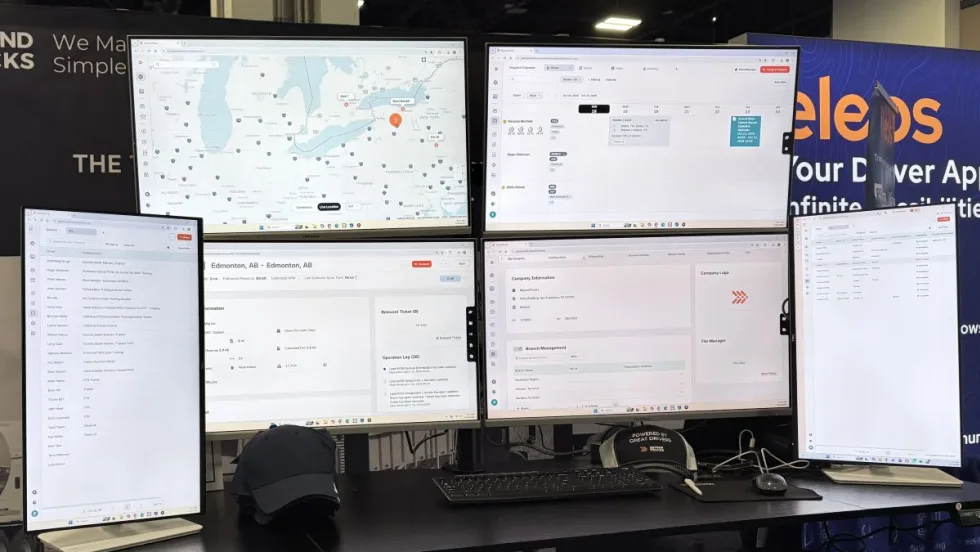
BeyondTrucks Adds Rules Checks to Dispatch
New Compatibility Engine checks driver qualifications, equipment requirements and fleet policies before loads are dispatched.
Read More →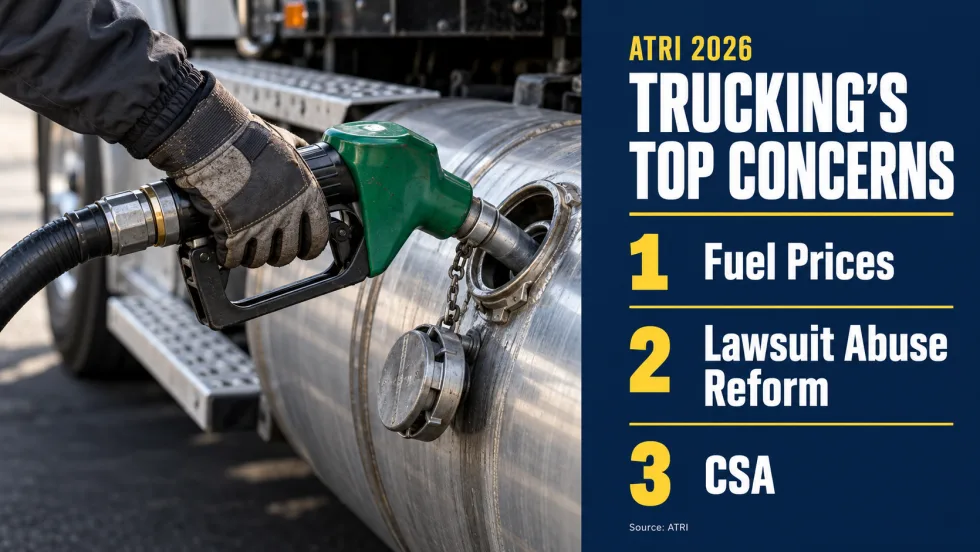
Diesel Prices Hijack Trucking’s Worry List
ATRI’s annual survey finds cautious optimism about freight, but diesel costs, litigation, and insurance continue to squeeze fleets. Drivers have different priorities on several issues.
Read More →
Nomination Deadline Extended for HDT Emerging Leaders
Just a few more days to nominate accomplished trucking fleet professionals under 40 who are making an impact and helping lead the industry forward for the HDT Emerging Leaders award. Deadline extended to October 20!
Read More →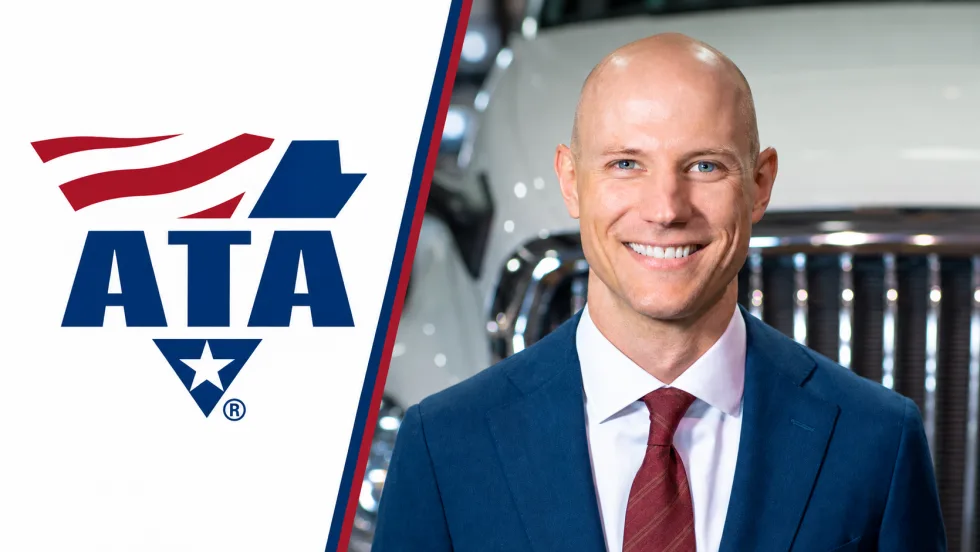
What Will ATA’s New Leader Bring to Trucking's Table?
Incoming President and CEO Mark Colson’s record in Alabama offers clues about his priorities and approach following Chris Spear’s abrupt departure as the head of the American Trucking Associations.
Read More →
Volvo, Waabi Start Commercial Autonomous Operations in Texas
Volvo VNL Autonomous trucks, powered by the Waabi Driver, are hauling freight directly to third-party facilities for a customer in Texas.
Read More →