




More from FTR: Ukraine Invasion Increases Downside Risks to Trucking Conditions
Trucking’s Inflation Worries Go Beyond Fuel
For trucking companies, the biggest single threat from inflation arguably is not in their own costs, but in what higher costs will mean for consumer spending.
by Avery Vise, FTR
March 29, 2022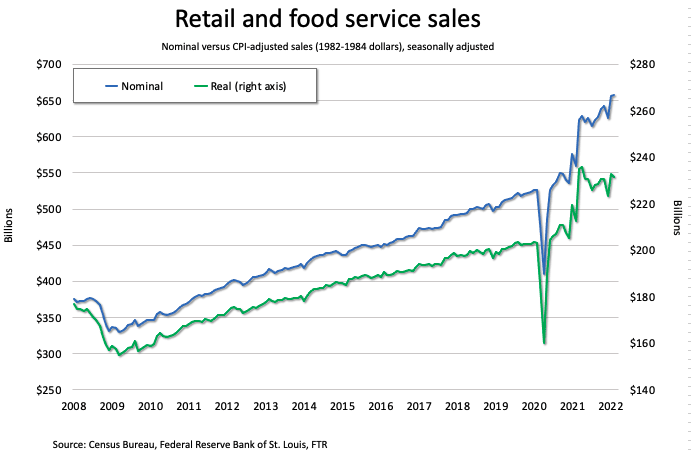
Some economists are skeptical that the Fed’s moves to address inflation will work, because the inflationary pressures are not normal.
Source: FTR
3 min to read
March’s unprecedented surge in diesel prices was one more indication that costs for truck fleets are rising sharply. Of course, the same is true for everyone. Consumer inflation is running at the highest levels in 40 years, prompting the Federal Reserve to raise the target federal funds rate for the first time since 2018 in a bid to cool things down a bit and return the economy to a long-run inflation rate of around 2%.
Inflation currently is running close to 8% annualized, and it’s still more than 6% if we exclude the volatile food and energy sectors. One reason economists exclude those sectors is that they tend to fall outside of usual pricing pressures. Food costs often vary because of weather-related issues such as droughts, floods, or freezes. Meanwhile, petroleum is a global economy that moves for a host of supply, demand, and political reasons or — as is currently the case — because the world’s third largest supplier of crude decided to start a war.
Some economists are skeptical that the Fed’s moves to address inflation will work, because the inflationary pressures are not normal. Much of it is driven by supply chain disruptions causing scarcity — a dynamic that we historically had seen just in food or a few other limited products at any given time. During the rebound from pandemic, however, these disruptions have become widespread.
How is inflation affecting trucking companies?
For motor carriers, inflation is showing up in places besides driver wages and fuel. Perhaps the most dramatic example is trailers. The Producer Price Index (essentially a measure of business-to-business inflation) for truck trailers and chassis has been surging for a year. February saw the second-largest monthly increase (6.3%) in the trailer PPI, after the third-largest increase (5.5%) in January. The largest one-month gain (10.5%) occurred in October. Surging trailer costs are not surprising given the price surges we have seen in key trailer materials, such as aluminum, steel, and lumber.
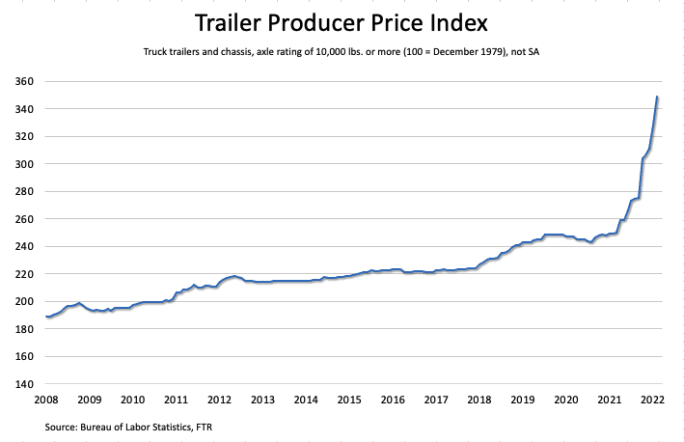
The Producer Price Index (essentially a measure of business-to-business inflation) for truck trailers and chassis has been surging for a year.
Source: FTR
For trucking companies, the biggest single threat from inflation arguably is not in their own costs, but in what higher costs will mean for consumer spending. If consumers buy fewer goods because each item they purchase costs more, that’s a loss of freight. That weakening of freight, in turn, would be compounded by the fact that retail inventory levels (except in the automotive industry) have risen sharply.
In February, retail and food service sales edged up to a record, but there are some nuances that should concern carriers. First, gasoline station sales were by far the strongest retail sector, and that was all due to rising prices. That obviously continued in March, although we do not have the data yet. If we exclude gas station sales, retail sales declined.
Pricing is a broader concern. Adjusted for the Consumer Price Index, retail and food service sales fell 0.5% in February, according to the St. Louis Federal Reserve. February sales in current, or nominal, dollars in February were 25.2% higher than February 2020. Real retail and food service sales were 14.1% higher than February 2020, according to St. Louis Fed figures. Both comparisons are well ahead of trend.
Higher costs clearly are a concern at any time, but robust rates have dampened those concerns some. The worry is that the negative effects of inflation on consumer spending could lead to less volume and, ultimately, weaker freight rates.
This article appears in the April 2022 issue of Heavy Duty Trucking.
Subscribe to Our Newsletter
More Fleet Management
Can You Beat Our Trucking Trivia Challenge?
Test your truck knowledge with 19 trivia questions from Heavy Duty Trucking Exchange. Can you keep up with the fleet pros?
Read More →
BeyondTrucks Adds Rules Checks to Dispatch
New Compatibility Engine checks driver qualifications, equipment requirements and fleet policies before loads are dispatched.
Read More →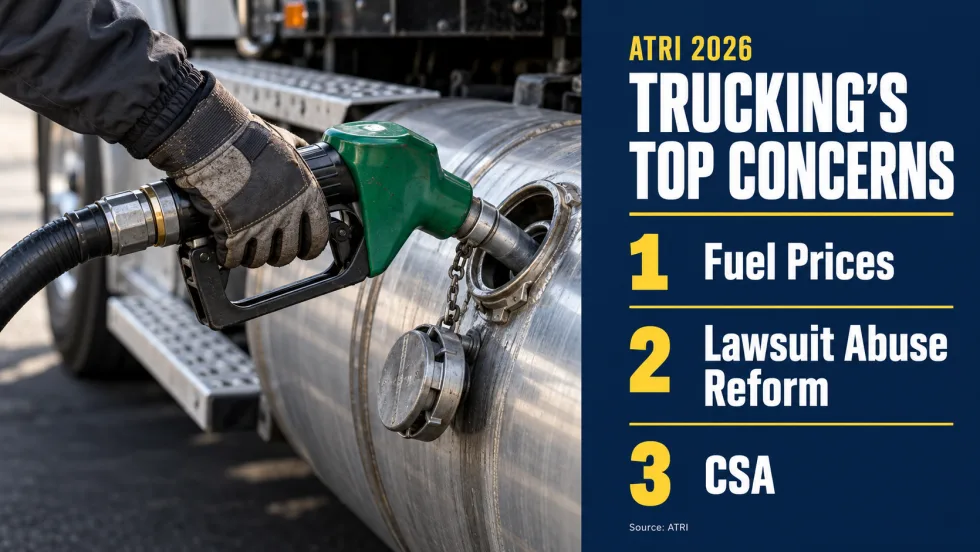
Diesel Prices Hijack Trucking’s Worry List
ATRI’s annual survey finds cautious optimism about freight, but diesel costs, litigation, and insurance continue to squeeze fleets. Drivers have different priorities on several issues.
Read More →
Nomination Deadline Extended for HDT Emerging Leaders
Just a few more days to nominate accomplished trucking fleet professionals under 40 who are making an impact and helping lead the industry forward for the HDT Emerging Leaders award. Deadline extended to October 20!
Read More →
What Will ATA’s New Leader Bring to Trucking's Table?
Incoming President and CEO Mark Colson’s record in Alabama offers clues about his priorities and approach following Chris Spear’s abrupt departure as the head of the American Trucking Associations.
Read More →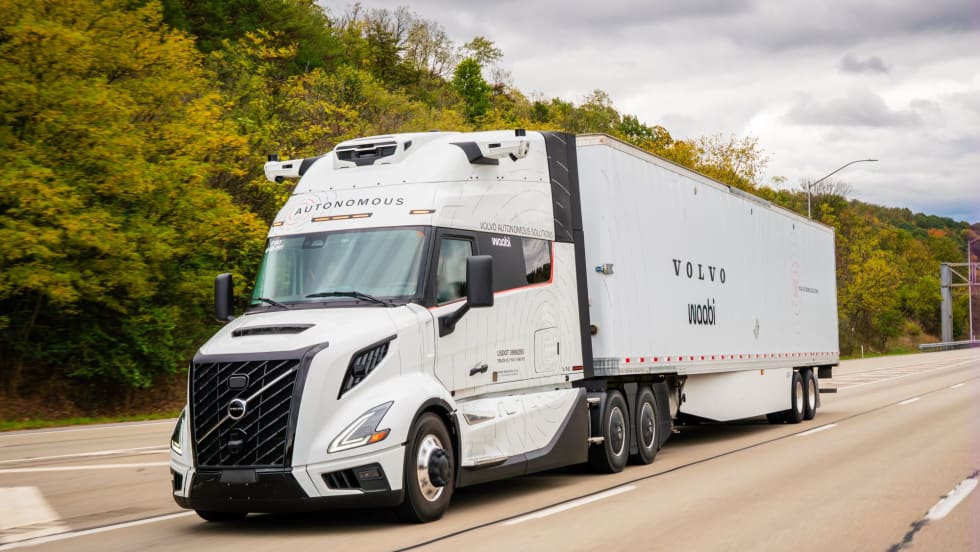
Volvo, Waabi Start Commercial Autonomous Operations in Texas
Volvo VNL Autonomous trucks, powered by the Waabi Driver, are hauling freight directly to third-party facilities for a customer in Texas.
Read More →
Samsara Launches Custom AI Agent Builder
Agent Studio lets fleets create AI tools for hours-of-service monitoring, reporting and driver support, including agents that communicate by phone.
Read More →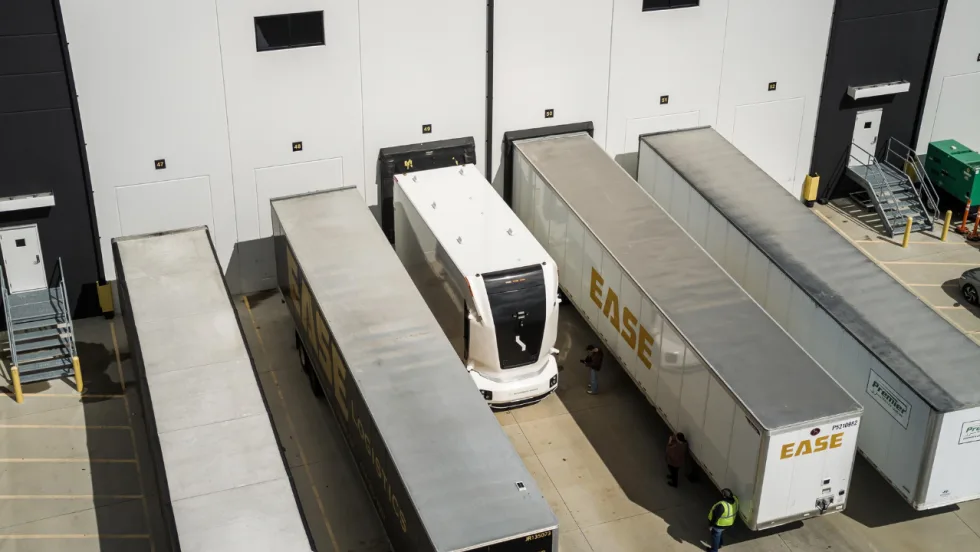
Einride Driverless Electric Trucks Begin Daily Freight Operations in Ohio
Two cabless electric trucks are hauling freight between EASE Logistics facilities in Marysville, Ohio, as part of a multi-state truck automation project.
Read More →
Geotab Links Fleet Card to Vehicle Data
The new card combines fuel discounts with telematics-based purchase controls. Geotab’s analysis also points to potential savings from choosing lower-priced fuel stops.
Read More →
How MFA Helps Protect Trucking Fleets
Multi-factor authentication adds protection when passwords are stolen. Here’s how it works and where fleets should start.
Read More →