




Treating Drivers Right Keeps Nussbaum Turnover Low
How does a trucking company with a 500-plus-mile average length of haul keep its driver turnover down around 30% when the industry average is over 100%

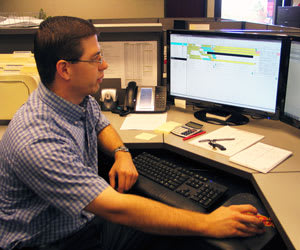
Nussbaum Operations Manager Doug Bradle demonstrates the company's dispatch system. The company's IT staff customized TMW solutions to give it more insight and help drivers get home more.
How does a trucking company with a 500-plus-mile average length of haul keep its driver turnover down around 30% when the industry average is over 100%?
When we went looking for this year's HDT Truck Fleet Innovators, we were focusing on fleets that are saving money on fuel. In a follow-up visit to one of our Innovators last week, I discovered that fuel economy is only the tip of the iceberg.
Nussbaum Transportation in Normal, Ill., whose Vice President of Operations, Phil Braker, was a 2012 HDT Truck Fleet Innovator, seems to be getting it right when it comes to driver retention - despite a move to longer length of hauls in the past few years.
CEO Brent Nussbaum explained that when many big fleets started cutting back their length of hauls and adding more regional runs in order to have jobs more appealing to drivers who wanted to be home more often, some of their customers were left in the lurch. Customers came to Nussbaum asking for help, so the company added more long-haul lanes.
This helped the company grow by 28% last year (actually more than they had planned), and they've been at the same level of growth this year. In fact, they recently broke ground on a new facility just down the road from the current one.
Today its business is about 40% dedicated and about 60% irregular-route. This gives the company more flexibility to meet driver needs. A driver who typically runs long haul but needs to be home for a special event can be dispatched on a regional or dedicated run to accomplish that. Nussbaum makes getting drivers home for weekends a priority, even if it means doing relays. The company has been on PeopleNet electronic logs for four or five years, so it's better able to manage drivers' time.
Nussbaum knows pay is important. It raised pay three times last year and once so far this year, and gives drivers a minimum weekly pay guarantee. If drivers lose on-duty time while stuck loading or unloading, or lose productivity due to being stuck in traffic, they still know they can depend on a certain amount each week. That helps not only in household budgeting, but also when trying to get a loan. Drivers also get paid holidays and vacation time.
On top of that, late last year, Nussbaum switched from paying drivers on the industry-standard, "short miles" pay system to calculating pay using practical miles. "This pay system had been sought after by our driving force, and Nussbaum is proud to more closely match our drivers' paid and driven miles," Brent Nussbaum explained in a blog post late last year.
On average, drivers are paid for 4% more miles when their routes are based on practical, rather than short miles, Nussbaum said. In addition, it simply appeals to a driver's sense of fairness.
The average age of the power equipment in the fleet is less than two years old, another plus.
The company spent several years developing a comprehensive driver scorecard, which rolls a number of measures such as fuel efficiency, safety items such as sudden stops, productivity items such as late deliveries and compliance items such as logbooks, into a single measurement.
The scores translate into bronze, silver and gold levels, and the higher drivers go on the scale, the more those points translate into higher earnings. Braker and Brent Nussbaum say it has really helped in improving driver satisfaction.
Driver managers are also expected to coach their assigned drivers in their weak areas and benefit along with those high-performing drivers. A Driver Manager of the Month program promotes improved driver performance scores through collaboration between drivers and their managers.
One of the most important keys to driver satisfaction is the interaction between drivers on the road and the people in the office and in the shop. Drivers are known by name; the dispatch system pulls up a photo of a driver onscreen when driver managers go to look at their information. Nussbaum identifies itself a Christian company, but you'll see it in how its people conduct themselves rather than bible verses splashed on trailers or websites. Hang around very long and you'll hear a lot of use of the word "blessed." As one driver points out in an online testimonial video, nobody cusses and screams at drivers.
In the shop, the staff in charge of taking driver calls about mechanical problems are former drivers themselves. The last thing the company wants is a mechanic berating or belittling a driver, or just not listening. If that happens, drivers are less likely to report problems, which then may get worse and lead to a breakdown or a bad inspection and a drag on CSA scores.
Brent Nussbaum says the company would rather hire for character and attitude and train for skills.
"Open communication based on honesty, integrity, respect and personal attention is what all drivers can expect when they are a part of the Nussbaum team," he says in his blog.
Related Stories:
2012 Truck Fleet Innovators: Phil Braker -- Setting New Ideas in Motion
All That's Trucking Blog 11/11/2011: How We Pay Drivers
More Fleet Management

How Telematics Improves Visibility, Control, and Performance in Refrigerated Fleets
Explore how telematics help refrigerated fleets improve visibility, uptime, efficiency, compliance, and cargo protection across connected cold chain operations.
Read More →
What the U.S.-Canada Trade War Means for Trucking
Escalating U.S.-Canada tariffs could disrupt cross-border freight, reduce truck volumes, raise costs, and create new uncertainty for carriers on both sides of the border.
Read More →
What Are Trucking’s Top Concerns for 2026?
The American Transportation Research Institute wants to know what's worrying trucking fleet managers, drivers, and other stakeholders in its annual Industry Issues survey.
Read More →

American Trucking Associations Looks for a New Leader
ATA President and CEO Chris Spear abruptly left his job at the association on August 21, at a pivotal time for the trucking industry.
Read More →
Public Wi-Fi Cybersecurity Risks: How Truck Drivers and Fleets Can Protect Their Data
Public Wi-Fi can expose truck drivers and fleets to credential theft, malware, and other cyber threats. Here’s how to reduce the risk on the road.
Read More →
For Nicky Cupp, Fleet Innovation Starts With Frustration
HDT Truck Fleet Innovator Nicky Cupp turns everyday pain points at Fraley & Schilling into opportunities for better technology and smarter processes.
Read More →
Adam Buttgenbach’s Approach to Electric Trucks: Start With Where They Fit
HDT Truck Fleet Innovator Adam Buttgenbach helped PepsiCo build one of North America’s largest EV fleets by focusing on where electric trucks make operational sense.
Read More →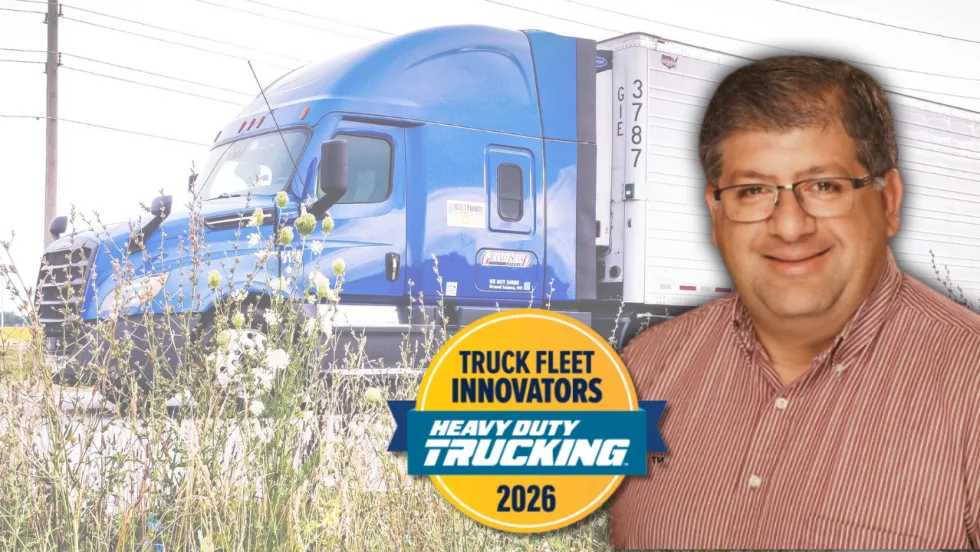
Deen Albert: Let Automation Do the Math, People Make the Decisions
HDT Truck Fleet Innovator Deen Albert makes sure people are still at the heart of operations at Grand Island Express, even while adopting artificial intelligence tools. AI-assisted dispatch helped boost revenue 25% with the same number of trucks.
Read More →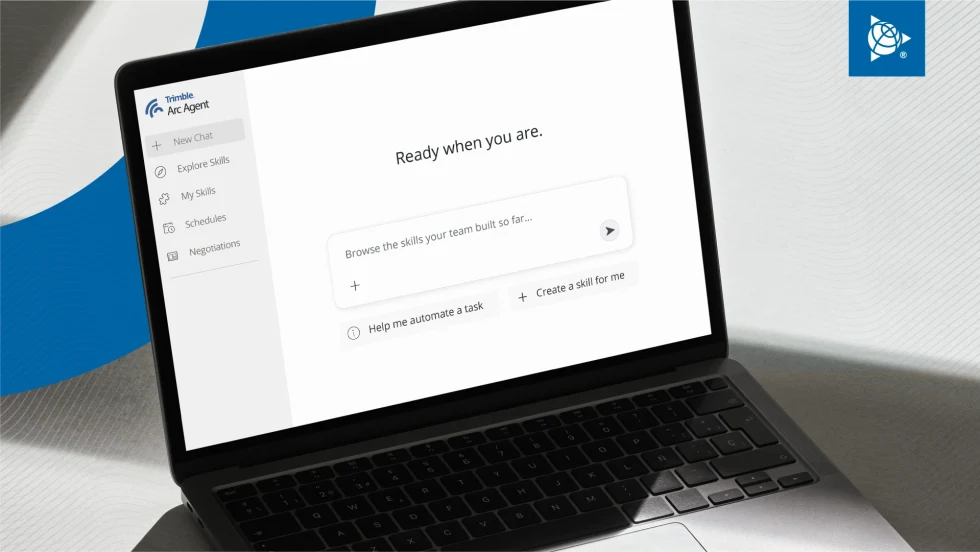
Trimble’s New AI Agent Takes Aim at Fleet Back-Office Busywork
Arc Agent works across Trimble TMS products to automate repetitive tasks such as freight orders, maintenance, invoices, fuel costs and more.
Read More →
How HDT’s 2026 Truck Fleet Innovators Are Rethinking Fleet Operations
Meet five trucking leaders who are challenging assumptions, solving operational problems, and putting innovative ideas to work.
Read More →