




Tire Selection In A New Environment
Give me 10 cents and I'll hand you back a dollar.


It used to be that the cost of fuel for a truck was eight or 10 times the cost of tires. Then, it was more important to get longevity from the tires and minimize their cost. But now that fuel is 25 times the cost of tires, it's a whole new ball game. Tires have to be selected for their overall contribution to the cost of operation, not just for the contribution to the maintenance budget.
That accounts for a change of emphasis in Michelin's sales message. Michelin is saying to customers and dealers that they should no longer look simply at tire cost per mile or per 32nd. The impact on fuel economy - given that tires account for 35 percent of rolling resistance at highway speeds - must be factored in to the equation.
In a traveling road show that has run for three months, customers and dealers have been invited to Utility and Freightliner co-sponsored Michelin mini-seminars that discuss the selection of tires in the whole new environment of five-dollar fuel. And that means a switch from promoting the long-lasting XDA-HT to more fuel-efficient designs, specifically the ultra-low-profile, wide single Michelin X One.
To be sure, there are costs associated with the fuel-efficient tires. But as Marc Leferriere, Michelin's heavy duty tire marketing director, says, Give me 10 cents and I'll give you back a dollar.
To help see how many dollars we are talking about, Michelin has created a new tool that allows users and dealers to plug in real-world numbers to see what a switch to fuel-efficient tires means in today's high-fuel-price environment. And it's not just Michelin's tires that fit into the model: Of the 40 different tire options in the comparisons, only eight are Michelins.
It's a double-edged sword for the company, but as Leferriere says, the comparisons have to be made. And when you plug in the X One - still an exclusive fuel-economy configuration for Michelin despite tires from Bridgestone and Continental in the same sizes - Michelin comes out ahead.
The seminars are part of the current campaign "Go Wide, Save Green," and it is an education for those fleets whose budgets have kept tire costs separate from operational expenses that include fuel. Because tires have such an impact on fuel economy, they have to be factored in to fuel as well as replacement costs.
There are other factors to be considered, too.
Tires are the most fuel efficient in their later life. As the tread wears down, there's less squirming on the tread and less fuel consumed heating up the tires. Michelin's advice is not to remove tires at 10/32 in response to driver concerns about traction. Run them for a further 40,000 miles (in the case of drive tires) and reap fuel economy benefits that are likely as much as 10 percent over the new replacement.
And, says Leferriere, choose wisely when it comes to replacement. Those lug drive tires drivers like so well may serve you poorly when filling the fuel tank. Deep treads may offer more miles to replacement, but factor in more miles per gallon at the same time and you could be surprised at the returns from a more fuel-efficient design.
The EPA SmartWay Transport Partnership is already in this game, treating more fuel-efficient tires as part of the program to gain SmartWay status and the benefits it offers. But the SmartWay stamp of approval goes only part way to the potential savings out there. A switch to the wide single is the most fuel-efficient option, says Michelin.
And right now, Michelin and Alcoa are offering some real incentives to help fleets evaluate the benefits..
There are other benefits, too - like a two-hour guaranteed call-out time if you get stuck with a flat, the biggest fear expressed about the single tire versus a dual.
I have been a booster of the X One since it was introduced eight years ago. More and more I am convinced it is one of the best ways of beating the escalating cost of operation in the new environment.

More Fleet Management
Freight Broker Bonds Just Got Harder to Get. Here's What That Means for Your Fleet.
When it gets harder for a freight broker to prove they are financially sound, the ones who cannot clear that bar get pushed out of the market. And those are exactly the brokers who used to leave motor carriers holding the bag.
Read More →
Long-Awaited Canadian Border Bridge to Open in Detroit
For trucking, the bridge opening should offer immediate improvements in efficiency and reliability, with new customs facilities, expanded inspection capacity, and direct freeway-to-freeway connections.
Read More →
Aurora Rolls Out Next Generation of Driverless Trucks for Commercial Freight
Aurora's latest autonomous trucks it's rolling out with International feature lower-cost hardware designed for a million miles as the company expands commercial driverless freight operations across the U.S. Sun Belt.
Read More →
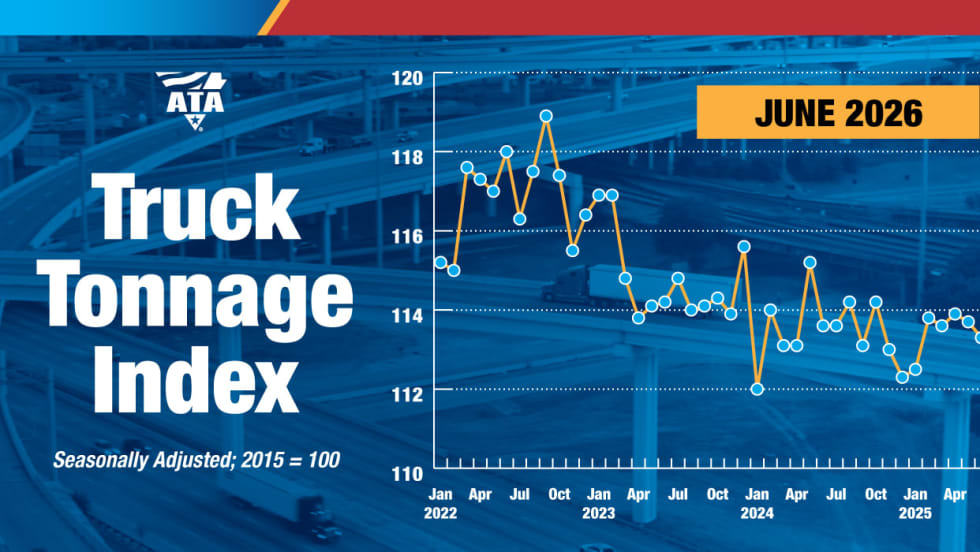
Freight Tonnage Down, Rates up, as Lower Capacity Powers Trucking Recovery
The recovery from the freight recession continues to be driven by reduction in capacity rather than by increased demand.
Read More →
Think Your Trucking Fleet Isn't Using Much AI? Think Again
Shadow AI — the use of unauthorized artificial intelligence tools at work — is becoming increasingly common, putting sensitive company data at risk. Learn how trucking fleets can protect sensitive data while embracing AI.
Read More →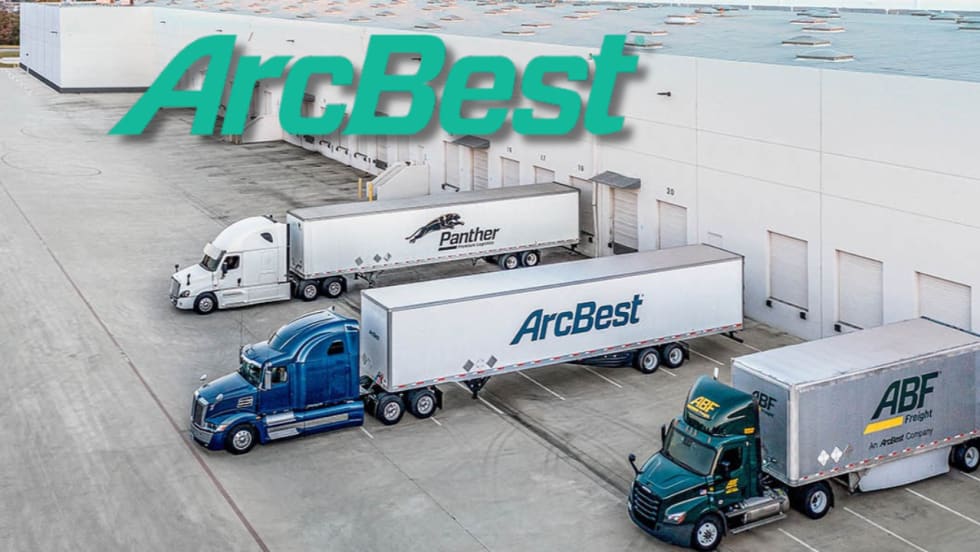
ArcBest Consolidates Brands, Cuts Workforce
The company will bring three business units under the ArcBest brand, eliminate about 2% of positions, and expects the changes to generate $40 million in annual savings.
Read More →
Trucking Fleets Faced Record Operating Costs During Third Year of Freight Recession
ATRI's annual operational cost report shows carriers trimmed fleets, delayed equipment purchases, and ran older trucks as expenses continued to outpace freight rates.
Read More →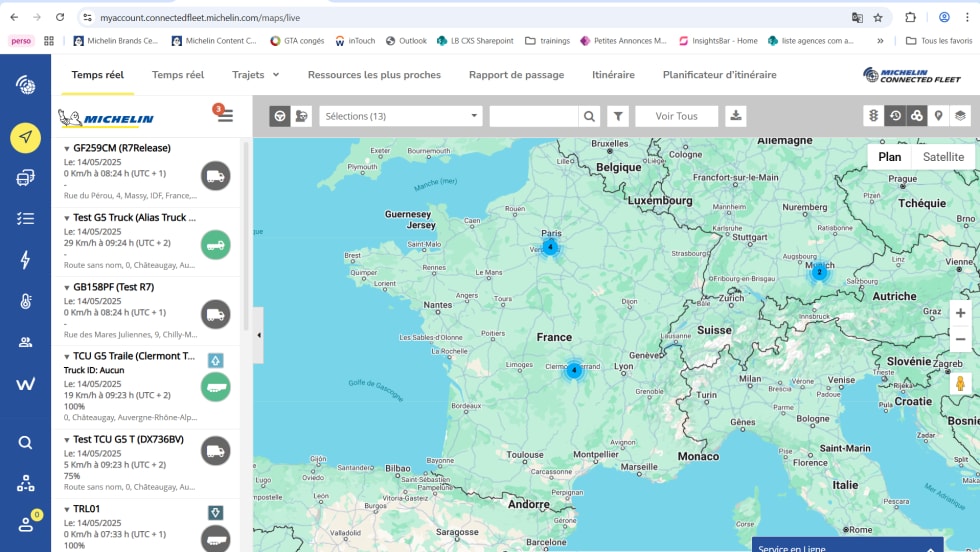
Michelin Adds AI Assistant to MyConnectedFleet Platform
Michelin’s new generative AI tool delivers instant fleet insights, helping managers analyze fuel use, tire maintenance, vehicle status, and operational performance without manually creating reports.
Read More →
LytxOne Platform Now Features AI, Compliance, and Asset Tracking Tools
New enhancements add AI-powered insights, asset tracking, compliance automation, and configurable privacy controls to Lytx's all-in-one fleet management platform.
Read More →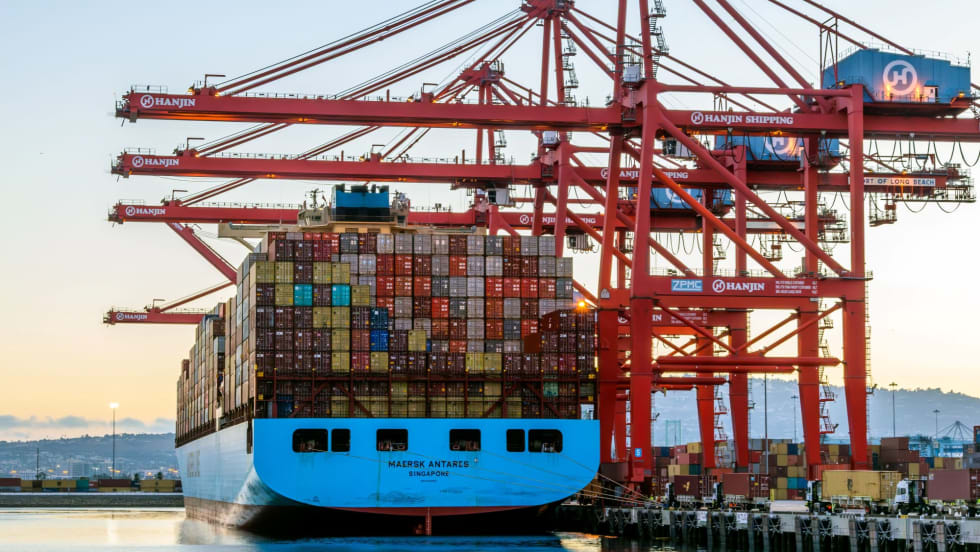
July Imports Poised to Set Container Record
The National Retail Federation projects July container imports will surpass the pandemic-era record as shippers frontload freight ahead of expected August tariff increases.
Read More →