




THUD: Still Pretty Porky
Citizens Against Government Waste www.ccagw.org provides insights into the pork system, and a platform to participate in the movement to change it.
Rumors flew as Congress rushed to construct its omnibus spending bill in December. One was that to avoid a presidential veto, all earmarks-including pork-barrel projects-would be dropped. It didn't happen. Congressional leadership cut other programs instead, and three months into the new fiscal year, the President signed off.
The measure was a $555 billion monster made up of 11 appropriations bills, including Transportation-HUD (THUD), which provides for annual highway spending beyond that guaranteed by SAFETEA-LU, the current highway act. This year the Department of Transportation gets $105.6 billion, up $7.1 billion from 2007.
Of that, $40.2 billion (up $1.25 billion from '07) goes into highway infrastructure, and $1 billion (a 25% increase) is added for bridge repair. Another $195 million goes to reconstruct Minnesota's collapsed I-35W bridge.
So between SAFETEA-LU and THUD, 2008 bridge repair funds are over $3 billion. That's progress, but far short of the $9.4 billion a year the American Society of Civil Engineers says are needed to upgrade our bridge system over the next 20 years.
And what about the earmarks? For the first time, by law, members of both houses were supposed to identify themselves as sponsors of individual projects. Many did, but many others found a loophole and refused.
There were some 9,000 earmarks in the omnibus bill. The Citizens Against Government Waste watchdog group says those projects will cost $7.5 billion, down significantly from the last fiscal budget. Why? Maybe partly due to the new identification law-but probably more because last time around, some Congressmen got caught in secret earmark scandals. One went to jail, two others resigned and others underwent investigation.
But pork still prevails in the new omnibus bill. Earmark projects take up 696 pages of the printed document-a fifth of its total pages. Examples:
- $250,000: wine and culinary center - Washington state.
- $9 million: "rural domestic preparedness" - Kentucky.
- $100,000: fashion district signage - Los Angeles
- $400,000: improve bicycle trails - Indiana
- $700,000: bike and walk trails - Minnesota
- $1.312 million: safety project on environmental effects of dust suppression chemicals on federal lands and highways - Missouri
There's an earmark for a prison museum, and one for a sailing school. Also notable: the watchdog group named Rep. David Hobson (R-Ohio) "Porker of the Month" for adding a $300,000 to THUD to build a comfort station for the Springfield Arts Council.
And there are our two friends from Alaska, Sen. Ted Stevens and Rep. Don Young, Republicans who have both run afoul of federal investigators. Stevens got $7.5 million for "transportation infrastructure projects throughout rural Alaska" earmarked into THUD. Hopefully those will be defined in more detail before construction starts.
But the pair scored biggest by planting a $20 million earmark for an ice-breaking "ferry to nowhere" into the defense spending bill passed prior to the omnibus bill. Critics say it has nothing to do with defense, and a lot to do with land development.
In the end, highways and bridges got a little better deal this year than last, and the pork damage wasn't quite as bad.

In fact, most earmarks do some good for someone somewhere. But in too many cases that's the problem; the money is supposed to go to the common good-not to the individual. Congress has violated-and lost-the public trust.
Now Congress should make earmark sponsorships truly transparent to stop the bad actors. According to watchdogs, Republicans pushed for that transparency last year, but Democratic leaders watered the law down.
Citizens Against Government Waste www.ccagw.org provides insights into the pork system, and a platform to participate in the movement to change it. One of its insights: lifetime ratings of presidential candidates who serve or have served in Congress. The ratings, based on voting records, range from "taxpayer hero" to "hostile."
Some of them may surprise you, and you might want to consider them when picking your candidate.

E-mail Doug Condra at dcondra@truckinginfo.com, or write P.O. Box W, Newport Beach, CA 92658.
More Fleet Management
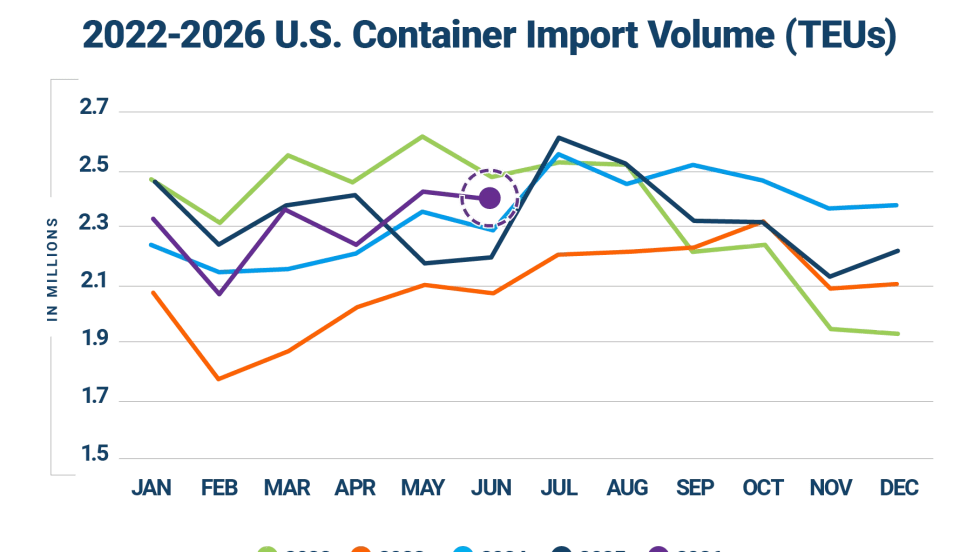
Import Cargo’s Early Peak Season is Winding Down
There was an early start to peak season this year at the nation's gateway ports, as retailers brought in merchandise ahead of tariff changes in late July and responded to other supply chain uncertainties,
Read More →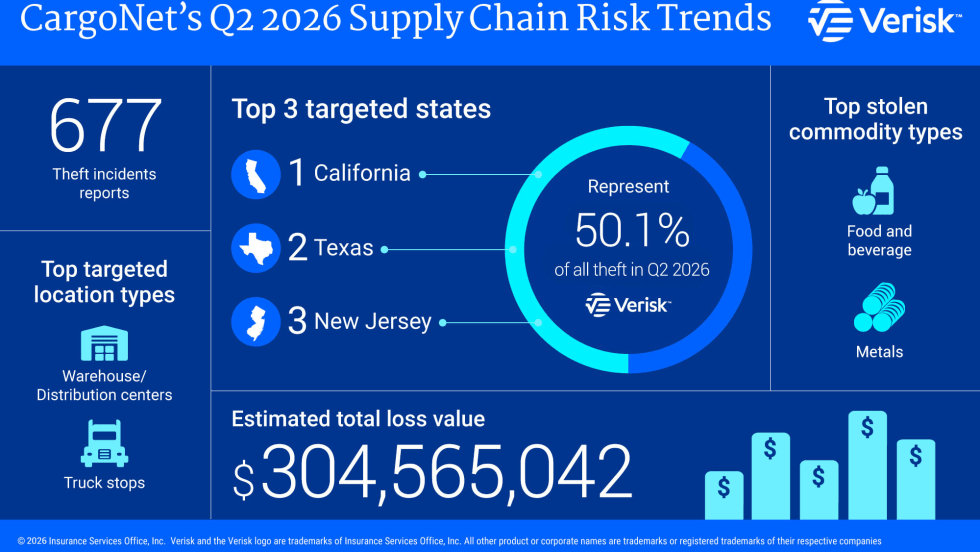
Fewer Cargo Thefts, Bigger Losses: Criminals Target Higher-Value Loads
CargoNet says organized theft rings are stealing fewer shipments but choosing more valuable freight, including metals and technology, resulting in record losses.
Read More →
How Innovative Trucking Leaders Turn Change Into an Advantage
As the pace of change accelerates in trucking, the fleets that adapt best have more than the latest technology. They have cultures that embrace improvement.
Read More →
Freight Broker Bonds Just Got Harder to Get. Here's What That Means for Your Fleet.
When it gets harder for a freight broker to prove they are financially sound, the ones who cannot clear that bar get pushed out of the market. And those are exactly the brokers who used to leave motor carriers holding the bag.
Read More →
Long-Awaited Canadian Border Bridge to Open in Detroit
For trucking, the bridge opening should offer immediate improvements in efficiency and reliability, with new customs facilities, expanded inspection capacity, and direct freeway-to-freeway connections.
Read More →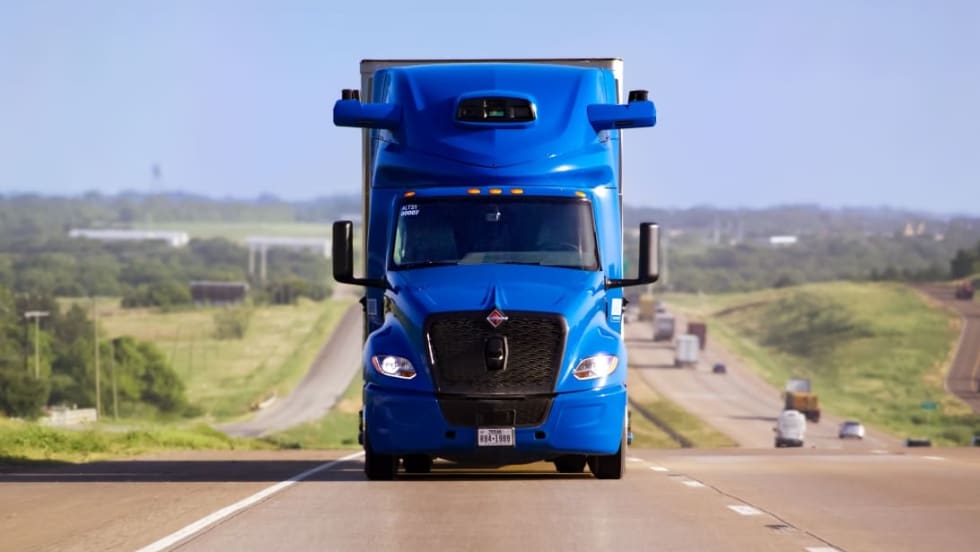
Aurora Rolls Out Next Generation of Driverless Trucks for Commercial Freight
Aurora's latest autonomous trucks it's rolling out with International feature lower-cost hardware designed for a million miles as the company expands commercial driverless freight operations across the U.S. Sun Belt.
Read More →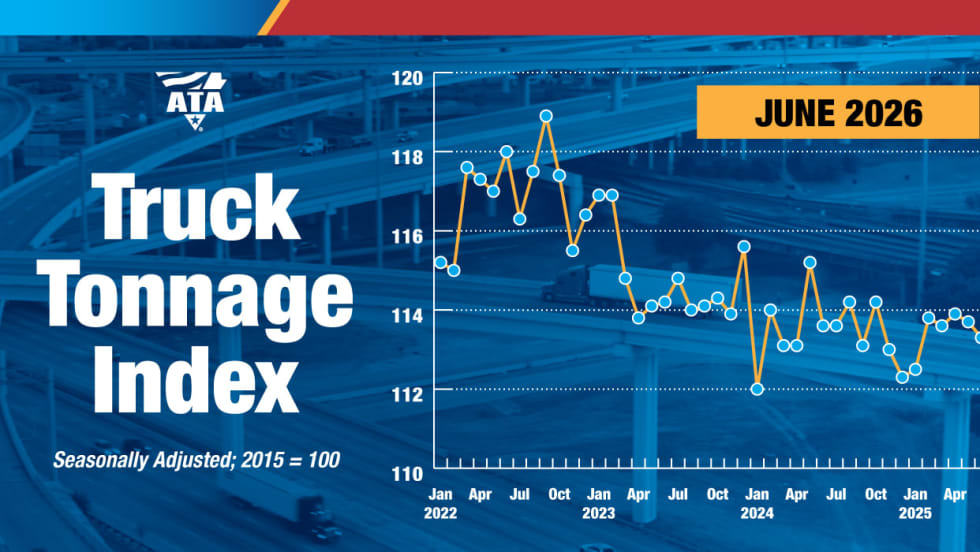
Freight Tonnage Down, Rates up, as Lower Capacity Powers Trucking Recovery
The recovery from the freight recession continues to be driven by reduction in capacity rather than by increased demand.
Read More →
Think Your Trucking Fleet Isn't Using Much AI? Think Again
Shadow AI — the use of unauthorized artificial intelligence tools at work — is becoming increasingly common, putting sensitive company data at risk. Learn how trucking fleets can protect sensitive data while embracing AI.
Read More →
ArcBest Consolidates Brands, Cuts Workforce
The company will bring three business units under the ArcBest brand, eliminate about 2% of positions, and expects the changes to generate $40 million in annual savings.
Read More →
Trucking Fleets Faced Record Operating Costs During Third Year of Freight Recession
ATRI's annual operational cost report shows carriers trimmed fleets, delayed equipment purchases, and ran older trucks as expenses continued to outpace freight rates.
Read More →