




The Shutdown Experience
Did we learn anything from past trucker strikes? Looks like we did.


Up to this writing, scattered trucker demonstrations against high fuel prices have been generally peaceful. And unlike other oil crises, this one seems to have generated public sympathy for the whole trucking industry.
That's a far cry from what's happened in the past. Even the media has taken a kinder, gentler approach to covering trucking's current plight, departing from its traditional demons-of-the-road portrayal of trucks and truckers.
Websites and the CB continue to call for trucker protests, but mostly urge unity and so far have been generally non-combative. That, combined with the public and media's realization that truck owners are harder hit by fuel prices than anyone, may explain the more favorable press we're getting.
That all could change if a big enough group of truckers decides to launch an in-your-face shutdown, as happened in late 1973.
It started when several Arab states halted oil shipments to the U.S. after the Nixon administration sent aid to Israel, which was under attack. Gasoline and diesel supplies here tightened and prices soared; diesel went from 27 cents a gallon to 45 cents, and truckstops began limiting sales.
Owner-operators claimed big carriers could get the fuel they needed, while the independents were held to 50 gallons - sometimes less - per stop.
The CB, just coming into its own as truckers' main line of communication, crackled with angry chatter. The shutdown started with a blockade of I-80 in Pennsylvania and spread through much of the eastern half of the country. In many cases truckers parked on main arteries and just walked away from their trucks.
Nixon's White House retaliated, calling them "thugs" and sending the National Guard to back up police and drag rigs off the roads. The government had no idea who to talk to, so turned to drivers like a guy who called himself "River Rat." He convinced authorities of his leadership status, and even claimed he had a couple of hundred armed, angry truckers headed for Washington, DC.
It wasn't exactly trucking's finest hour.
Finally, cooler heads prevailed. A group of independent leaders formed a unity committee and negotiated for a fuel price rollback. But the best they could do was a 6 percent fuel surcharge and amnesty for shutdown participants. Meantime, two truckers were dead and dozens of others injured.
The most positive result for the owner-operator cause was the emergence of the Owner-Operator Independent Drivers Association as a legitimate force representing their interests.
OOIDA, by the way, wisely does not endorse a new shutdown, saying a strike would not gain anything economically. In addition, any organized group that launched a shutdown could be vulnerable to federal antitrust charges. That could get ugly.
Instead, OOIDA is pushing for legislation to require all shippers' fuel surcharges to be passed on to whoever buys the fuel to deliver the goods. Makes sense to us.
Painful as fuel costs are, there's a positive effect here. Truckers are making real efforts to save fuel - like slowing down - instead of burning tankloads of diesel driving to Washington in hopes Congress will "do something" about fuel prices.

E-mail Doug Condra at dcondra@truckinginfo.com, or write P.O. Box W, Newport Beach, CA 92658.
More Fleet Management
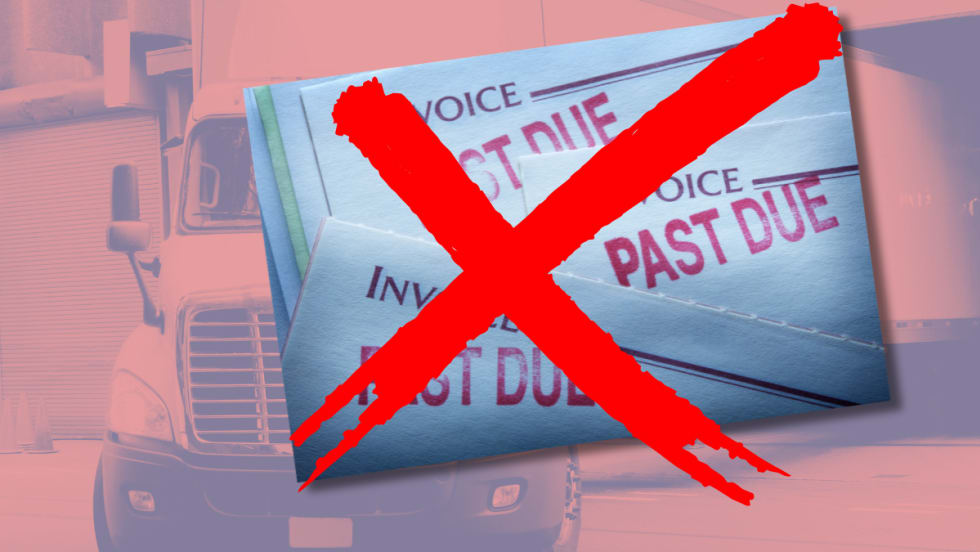
Freight Broker Bonds Just Got Harder to Get. Here's What That Means for Your Fleet.
When it gets harder for a freight broker to prove they are financially sound, the ones who cannot clear that bar get pushed out of the market. And those are exactly the brokers who used to leave motor carriers holding the bag.
Read More →
Long-Awaited Canadian Border Bridge to Open in Detroit
For trucking, the bridge opening should offer immediate improvements in efficiency and reliability, with new customs facilities, expanded inspection capacity, and direct freeway-to-freeway connections.
Read More →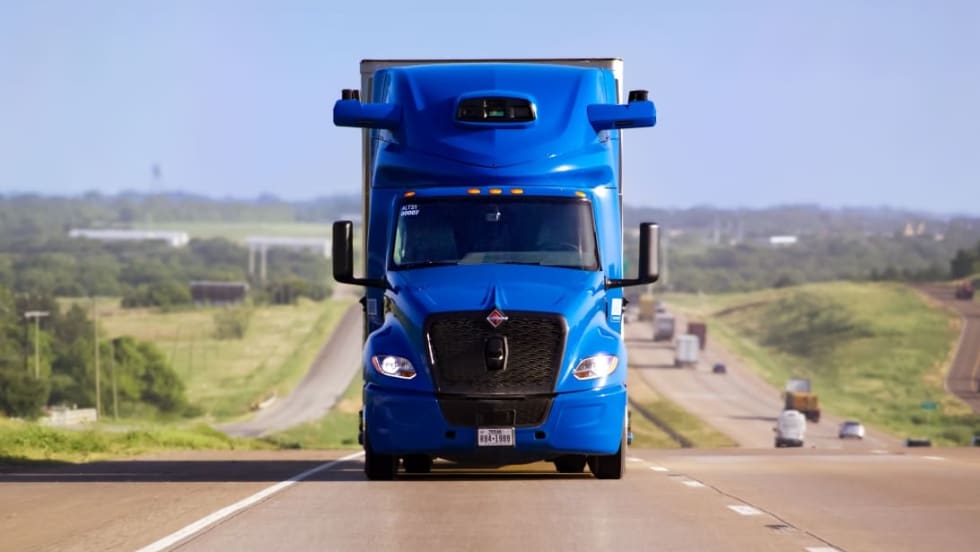
Aurora Rolls Out Next Generation of Driverless Trucks for Commercial Freight
Aurora's latest autonomous trucks it's rolling out with International feature lower-cost hardware designed for a million miles as the company expands commercial driverless freight operations across the U.S. Sun Belt.
Read More →
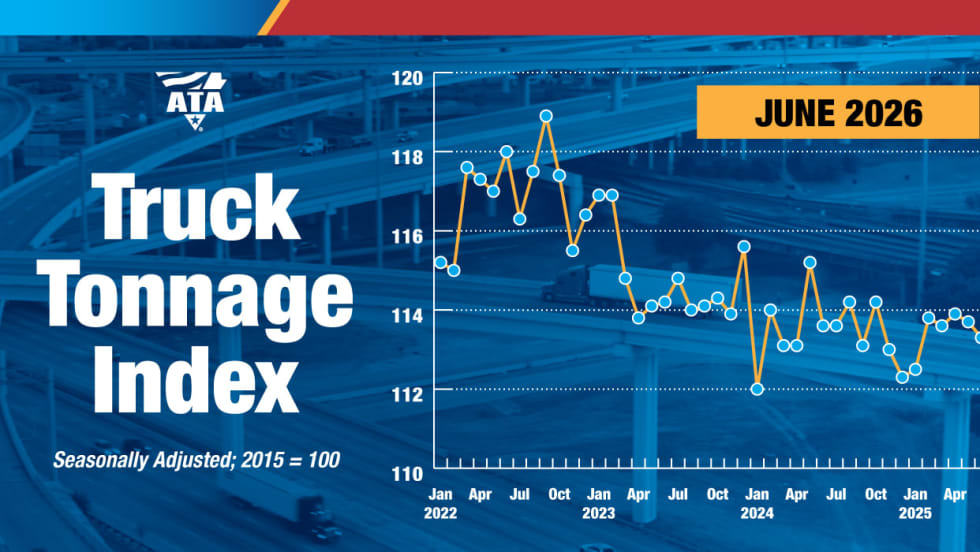
Freight Tonnage Down, Rates up, as Lower Capacity Powers Trucking Recovery
The recovery from the freight recession continues to be driven by reduction in capacity rather than by increased demand.
Read More →
Think Your Trucking Fleet Isn't Using Much AI? Think Again
Shadow AI — the use of unauthorized artificial intelligence tools at work — is becoming increasingly common, putting sensitive company data at risk. Learn how trucking fleets can protect sensitive data while embracing AI.
Read More →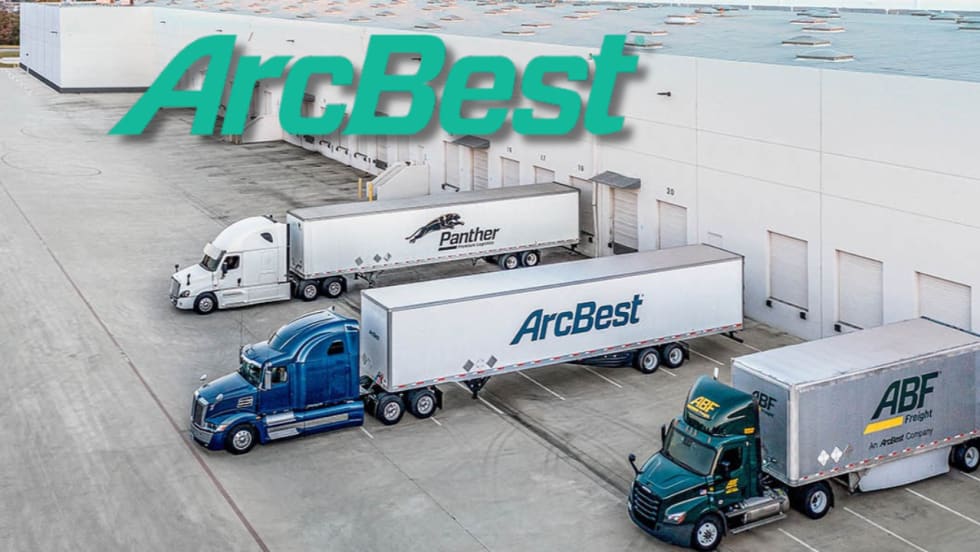
ArcBest Consolidates Brands, Cuts Workforce
The company will bring three business units under the ArcBest brand, eliminate about 2% of positions, and expects the changes to generate $40 million in annual savings.
Read More →
Trucking Fleets Faced Record Operating Costs During Third Year of Freight Recession
ATRI's annual operational cost report shows carriers trimmed fleets, delayed equipment purchases, and ran older trucks as expenses continued to outpace freight rates.
Read More →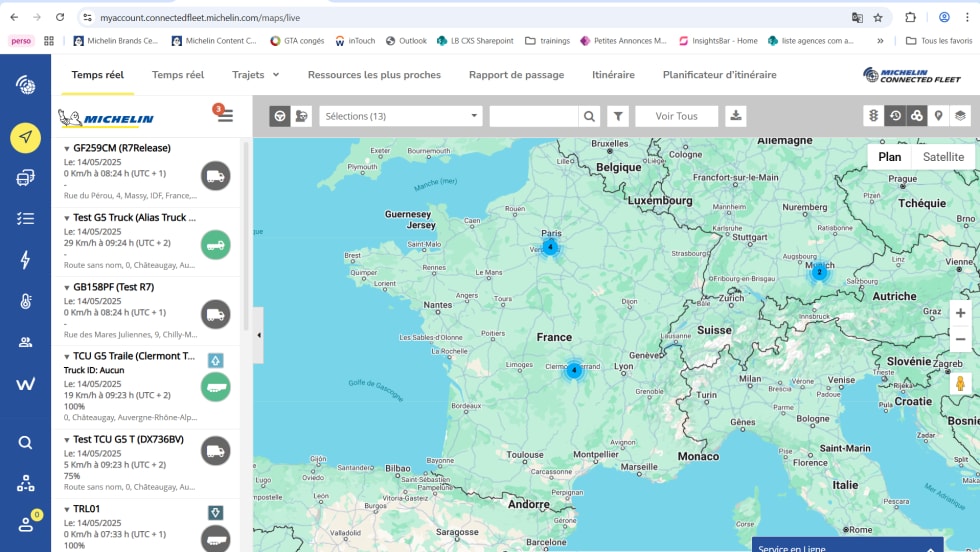
Michelin Adds AI Assistant to MyConnectedFleet Platform
Michelin’s new generative AI tool delivers instant fleet insights, helping managers analyze fuel use, tire maintenance, vehicle status, and operational performance without manually creating reports.
Read More →
LytxOne Platform Now Features AI, Compliance, and Asset Tracking Tools
New enhancements add AI-powered insights, asset tracking, compliance automation, and configurable privacy controls to Lytx's all-in-one fleet management platform.
Read More →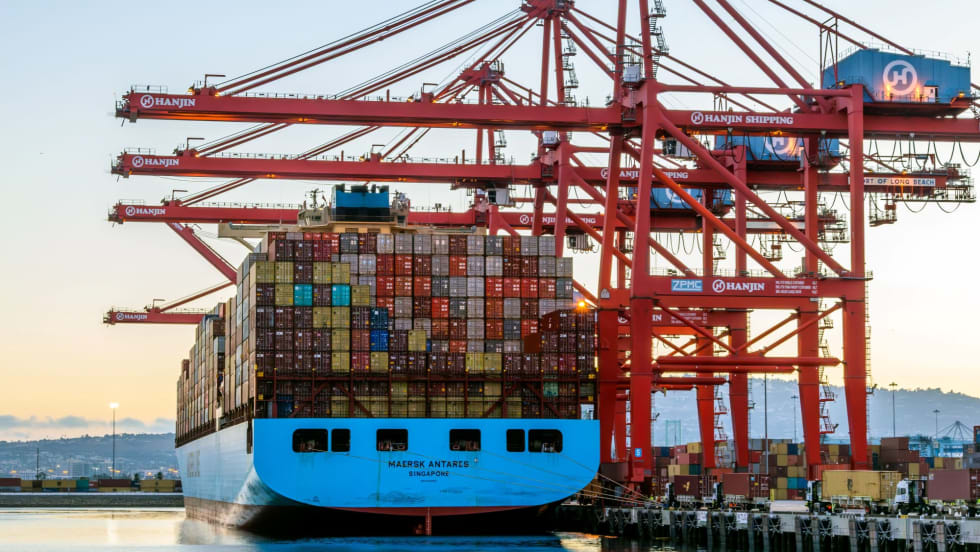
July Imports Poised to Set Container Record
The National Retail Federation projects July container imports will surpass the pandemic-era record as shippers frontload freight ahead of expected August tariff increases.
Read More →