




The High-Tech Shop
In some fleets, shop operations are completely integrated with the computer systems for dispatch, accounting, mobile communications and outside service providers. In other fleets, technology in the shop may be limited to automated systems for tracking work, labor, parts and inventory.

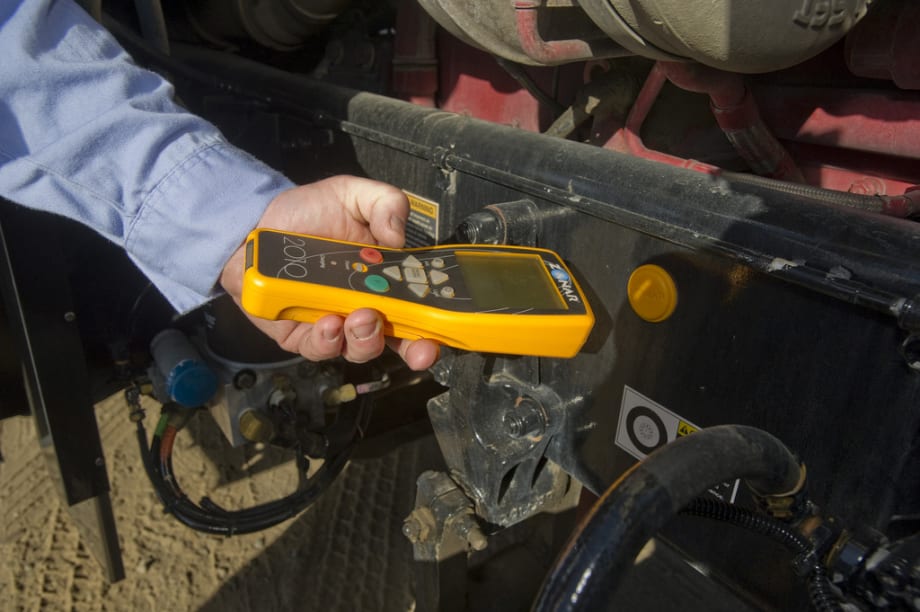
Devices that allow drivers to conduct and record driver vehicle inspection reports electronically, such as those from Zonar, transmit maintenance issues directly to the fleet and maintenance manager for immediate action.
In some fleets, shop operations are completely integrated with the computer systems for dispatch, accounting, mobile communications and outside service providers. In other fleets, technology in the shop may be limited to automated systems for tracking work, labor, parts and inventory.
“In many shops, the service industry has not advanced in the way other parts of our world have advanced,” says Mike Delaney, CEO of WheelTime, a network of nearly 200 service locations in the U.S. and Canada.
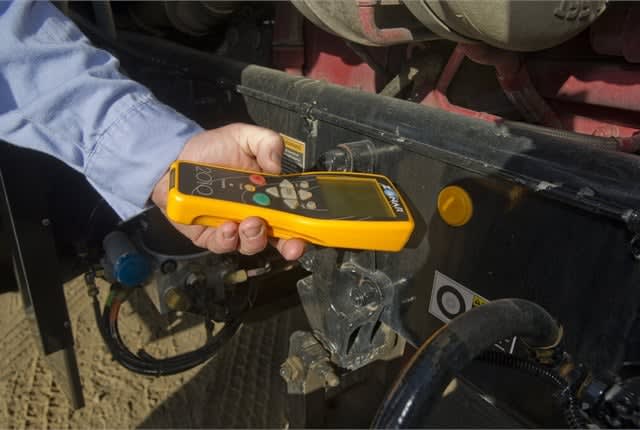
Devices that allow drivers to conduct and record driver vehicle inspection reports electronically, such as those from Zonar, transmit maintenance issues directly to the fleet and maintenance manager for immediate action.
For example, he says, “If you have a flip phone from 10 years ago, you just can’t do what a person with an iPhone can do. Yet many shops are still using old green-screen technology from 1975.”
Technology in the shop generally follows two tracks:
• The technology required to diagnose and repair today’s increasingly complex vehicle systems; and
• Technology to automate workflow processes, inventory control and link into the fleet’s overall enterprise system.
Diagnostics technology
Complex vehicle systems require complex tools. “It is virtually impossible to work on a vehicle today without the proper diagnostic tools, repair information and test procedures,” says Scott DiGiorgio, general manager of the repair solutions group at Mitchell 1, which provides online diagnostic resources.
“It’s a different world now,” he adds, with different skills required. “There is much less mechanical work, much more electronic.”
Regulatory pressures can also drive technology use in the shop. Dave Reed, a fleet management consultant with maintenance software provider Arsenault Associates, says he has seen the Federal Motor Carrier Safety Administration’s new Compliance, Safety, Accountability program drive an increase in the use of existing technologies.
“Fleet and maintenance management systems have taken on a new meaning since fleets have to be responsible as well as responsive,” he says. “Without the proper measurements in place, there is no way to properly manage the processes and improve safety; let alone reduce cost. Since CSA, fleets now have a greater requirement to validate maintenance, verify safety performance and maintain that level of history.”
Andrew Johnson, director of marketing for Zonar Systems, says truck safety initiatives such as CSA increase the complexity and accuracy of information fleets are required to maintain. “It has become imperative that fleets utilize technology to ensure compliance.”
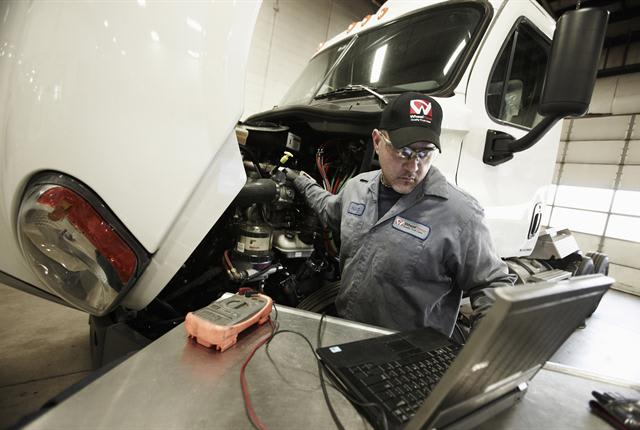
Linking the shop with the telematics system can minimize downtime. Service providers can identify the problem before the truck even gets to the shop.
Becoming more efficient
Making use of technology has helped make shop operations more efficient and productive.
For instance, Mitchell 1 recently launched TruckLabor, a labor time estimating product that lets shop management determine how long a repair will likely take.
This helps determine when the vehicle can be back on the road and helps manage shop workflow. TMW Systems last year added labor times to its TMT Fleet Maintenance-SQL and ServiceCenter software by integrating Motor brand Labor Time Standards.
Some of the most important technology, however, isn’t really even in the shop – it’s on the truck.
“The one technology that I feel is extremely important, that improves operator defect reporting and maintenance response, is advanced telematics with integrated vehicle inspection and problem reporting,” Reed says.
“This allows a driver or operator to electronically pre-inspect his unit, and – with the right maintenance partner – electronically transmit defects to maintenance.”
Many telematics providers offer applications that can transmit electronic driver vehicle inspection reports, monitor fault codes and report diagnostic information or alerts from the vehicle.
Jim Sassen, senior manager product marketing with Omnitracs, says such products provide real-time information on fault codes so fleets can anticipate problems instead of waiting for problems to happen. “The technology allows you to see early warning signs and then deal intelligently with the problem.”
Mitchell 1’s DiGiorgio says linking the shop with the telematics system minimizes downtime. “If you have that telematics link, you can identify the nature of the failure before the shop even sees it. You can know if you need to have the vehicle pull over right away or wait.”
“In the past, if a driver experienced a problem, or if the check engine light turned on they would take the vehicle off the road and into the shop for diagnosis and repair scheduling,” Zonar’s Johnson adds. The driver would have little information available to determine the severity of the problem and would have to make a snap judgment based on how the truck was driving.
Then, once in the shop, a technician would have to pull a fault code, analyze it, then create a work order, order parts and schedule the repair.
Meanwhile, the truck is out of service.
“Today’s telematics capture a wealth of vehicle data,” Johnson says, such as fuel efficiency, operational performance, real-time fault codes and subsystem information.
“By integrating this information stream with a maintenance shop system, technicians can not only remotely diagnose a problem the second it occurs but automate the work order creation process. The end result is a drastic increase in shop efficiency and vehicle uptime.”
At a recent industry panel, a number of fleet operators commented that they use trend data from fault codes reported by their telematics systems to develop maintenance schedules and routines. The goal: reducing progressive damage and on-road repairs while avoiding false diagnostics and towing fees.
While the use of these technologies is growing, telematics systems may still be out of financial reach for some fleets, Reed says.
Integrating with the enterprise system
Fleets can vastly improve shop operations if the systems deployed integrate with the other applications such as dispatch and accounting. Such integration has become expected, according to DiGiorgio. “It’s more of a demand these days. It is critical.”
Arsenault’s Reed says to consider the “touchpoints” between the enterprise/dispatch software and maintenance. “A solid integration will synch asset, vendor, and customer master files, parts and external work costs, and inform dispatch that maintenance is due or in process.”
Without an automated system, all of that information would have to be communicated manually and entered separately into each system, which can lead to delays and errors.
Integration allows for more real-time information to be transmitted.
When a repair or service is scheduled, the maintenance system determines the severity of an issue, locates parts and schedules shop time while the vehicle is on the road.
Integration back to the fleet management system alerts the fleet manager of the repair status and when the vehicle is ready for in-servicing.
“With the integration of data between fleet management and maintenance systems, information flow, communication and decision-making are improved for the benefit of the entire transportation operation,” Johnson says.
Dave Walters, technical sales engineer for asset maintenance software, TMW Systems, says integration between the maintenance and enterprise/dispatch systems provides real-time notification of which units are in or out of the shop.
“Assets requiring maintenance are automatically displayed to the operations departments in an integrated environment within their dispatch tools.”
As new vehicles are added to the fleet’s master equipment file, the information on them is added to all the other systems, eliminating data entry and enhancing data accuracy.
For integrating with outsourced service providers or dealerships, software such as that provided by Decisiv establishes that link.
“There are few instances, historically, of a dealer’s system integrating effectively with a fleet’s management system,” says Michael Reimer, vice president products and channel marketing.
Without such integration, he says, inefficiencies occur in both the fleet and the service provider as estimates and work orders are exchanged. It increases the time vehicles sit waiting to be serviced. With a system that manages this relationship, everything is managed in real-time.
“Cycle times are reduced, which increases bay turns for the service provider and improves truck availability for the fleets.”
Of course, with any technology, it all comes down to return on investment. “How to measure ROI continues to be a topic of discussion,” Reed says.
“Software is sometimes perceived to be expensive, but used correctly, it becomes very inexpensive. There is no substitute for being able to log an equipment complaint, finding the cause, understanding what needs to be done to correct the problem and documenting the cost – all in one simple process.” You can’t do that without technology.
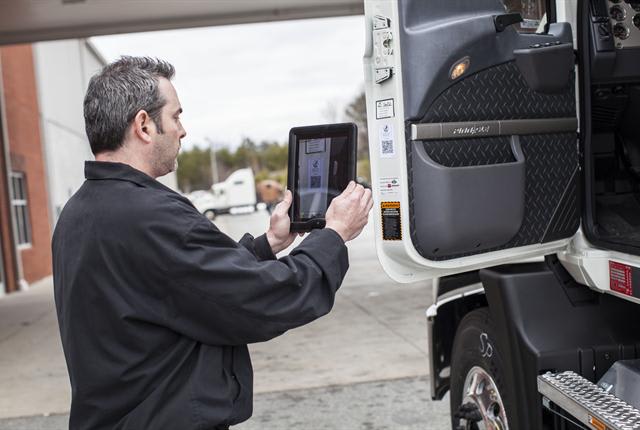
QR codes are now allowing service providers, fleets and drivers to cut time off the front end of the service process.
QR codes for maintenance
Decisiv, along with Mack and Volvo, have been pioneering the use of QR codes in commercial trucking, according to Decisiv’s Michael Riemer.
QR codes, or quick response codes, are matrix bar codes that supply rapid retrieval of information when a tablet or other mobile device scans the code.
In this instance, the QR codes allow service providers and fleets to use any Internet-capable device (phone, tablet or PC), without the need for a bar code or RFID reader, to get access to vehicle history, pending and recommended service operations and customer- and vehicle-specific inspections.
Riemer says customers report cutting 10 to 30 minutes off the front end of the service process. One customer uses the codes on more than 17,000 assets, including trucks, trailers, dollies and forklifts.
More Aftermarket
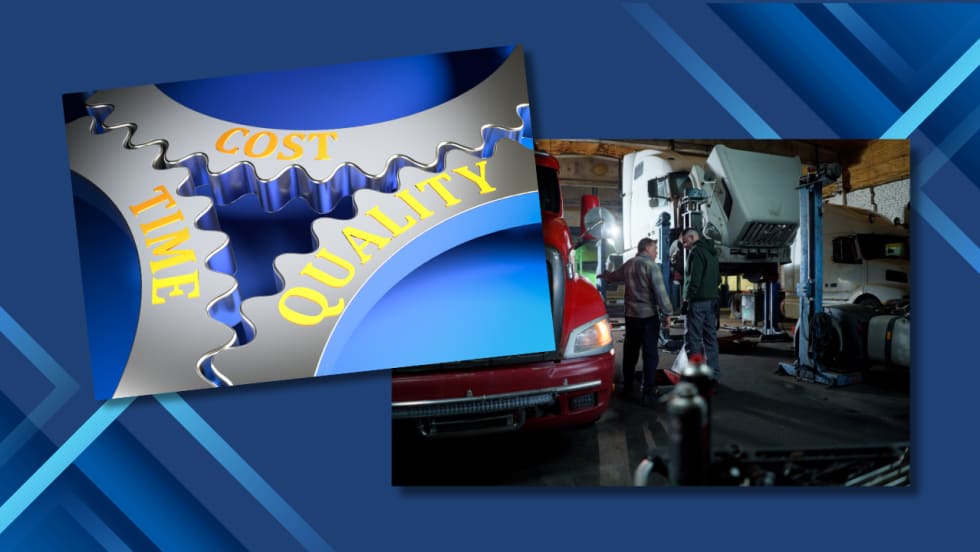
What Three Fleets Are Doing Differently When Buying Truck Parts in 2026
With freight improving but costs still climbing, fleet maintenance executives explain how they're balancing price, quality, and supplier relationships.
Read More →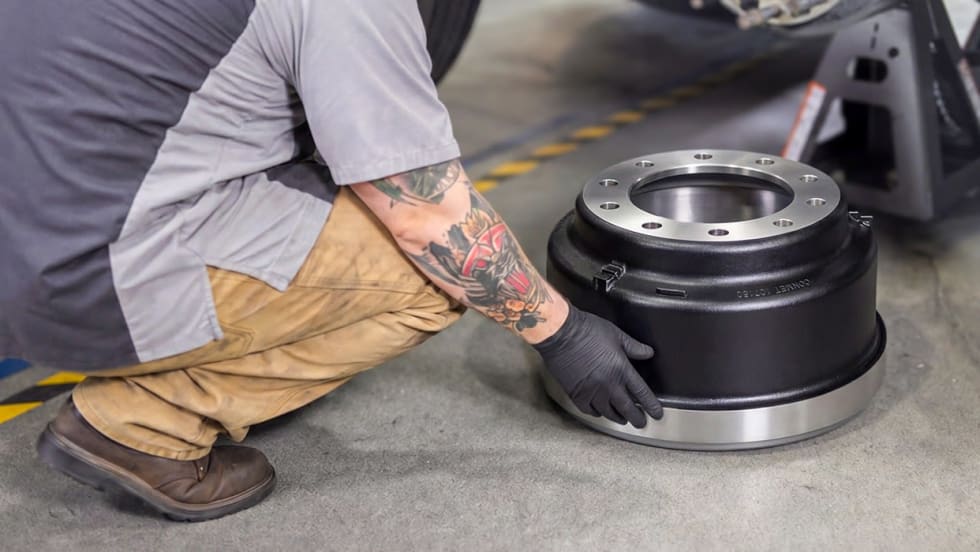
ConMet Expands Aftermarket Brake Drum Lineup With TruCast
A new heavy-duty truck brake drum option in the aftermarket gives customers more flexibility within the ConMet product family.
Read More →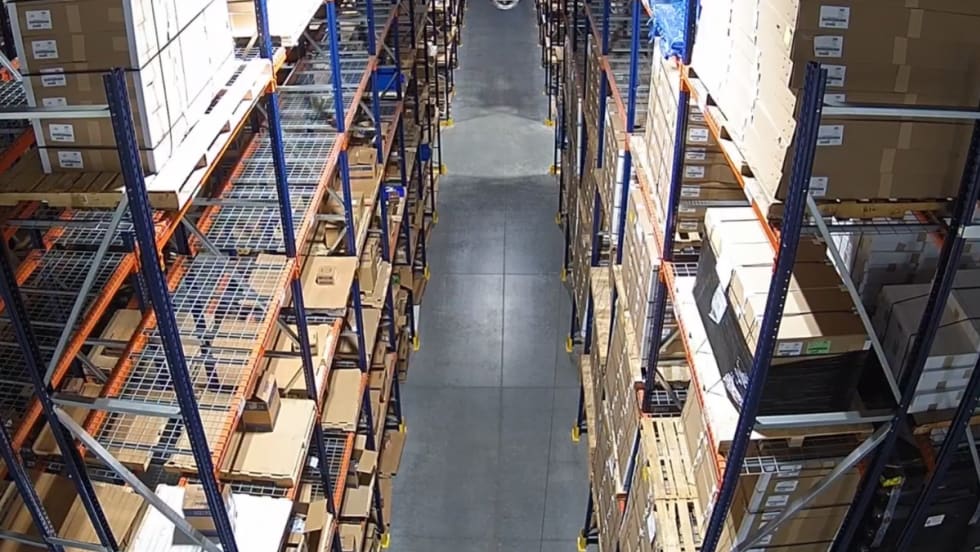
Phillips Opens High-Tech Distribution Center for Faster Parts Delivery
Phillips Industries’ new Cincinnati-area distribution center is now shipping aftermarket trucking parts nationwide, aiming to speed up delivery times for customers.
Read More →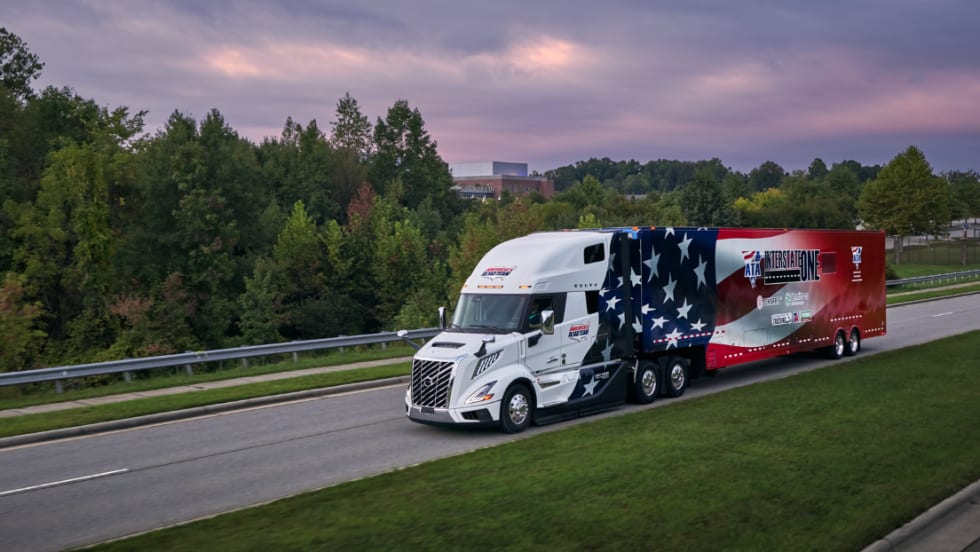
Volvo to Sponsor America’s Road Team for 2025
Volvo Trucks announced that it is extending its exclusive sponsorship of America’s Road Team for 2025.
Read More →
Webb to Start Taking Orders for UltraSet Pre-Adjusted Wheel Hubs
Webb, which recently acquired the Stemco Trifecta pre-adjusted hub program, will soon start taking orders for its replacement pre-assembled hub, the UltraSet.
Read More →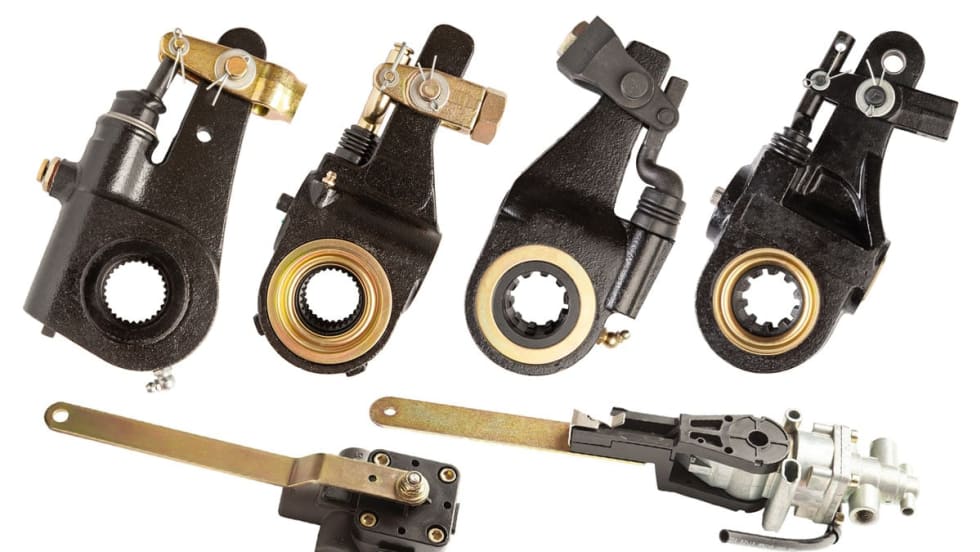
All-Makes Automatic Brake Adjusters, Ride Height Control Valves from Midland
SAF-Holland has added automatic brake adjusters and ride height control valves to its Midland All-Makes Program.
Read More →
ZF Aftermarket Expands [pro]Academy Training
ZF Aftermarket said it is expanding its ZF [pro]Academy training and will be adding 40 new modules this year.
Read More →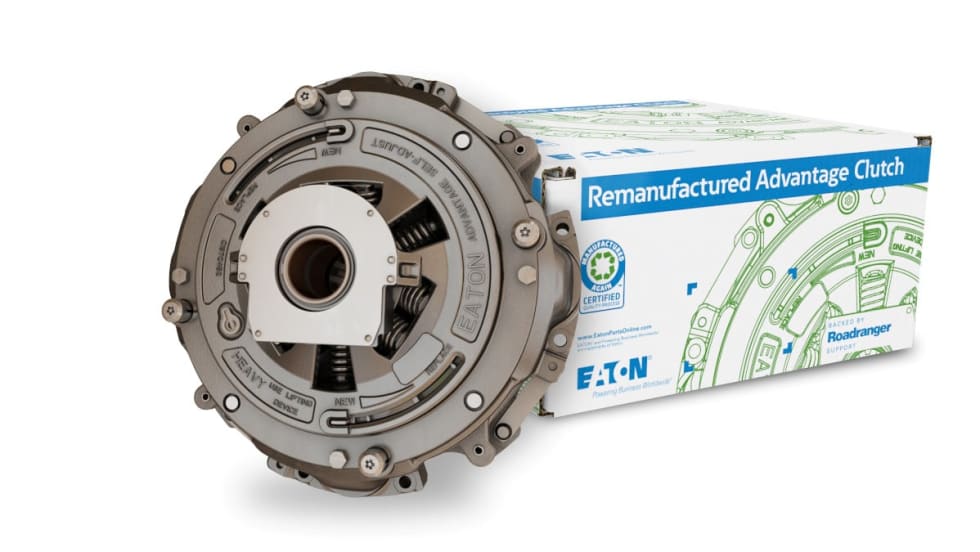
Eaton Adds Remanufactured Advantage Line of Clutches
Eaton has added its Advantage clutches to its remanufactured product line. The clutches feature a unique strap drive intermediate plate designed to allow customers to choose the latest OE specification
Read More →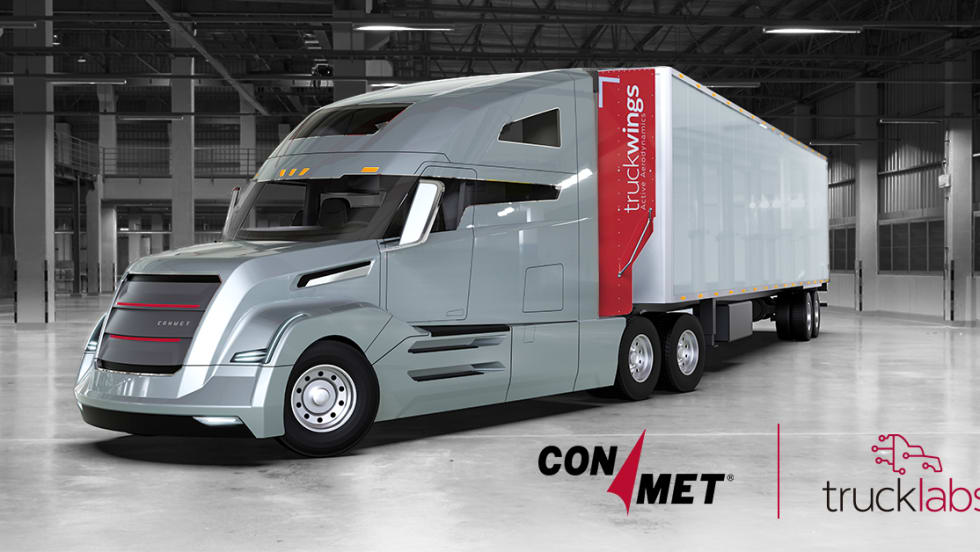
ConMet Acquires TruckLabs, the Creator of TruckWings
Commercial truck and trailer parts provider ConMet acquired TruckLabs, the company that created TruckWings, an aerodynamic device that attaches to truck cabs and deploys to close the gap between truck and trailer. TruckLabs now operates as a subsidiary of ConMet.
Read More →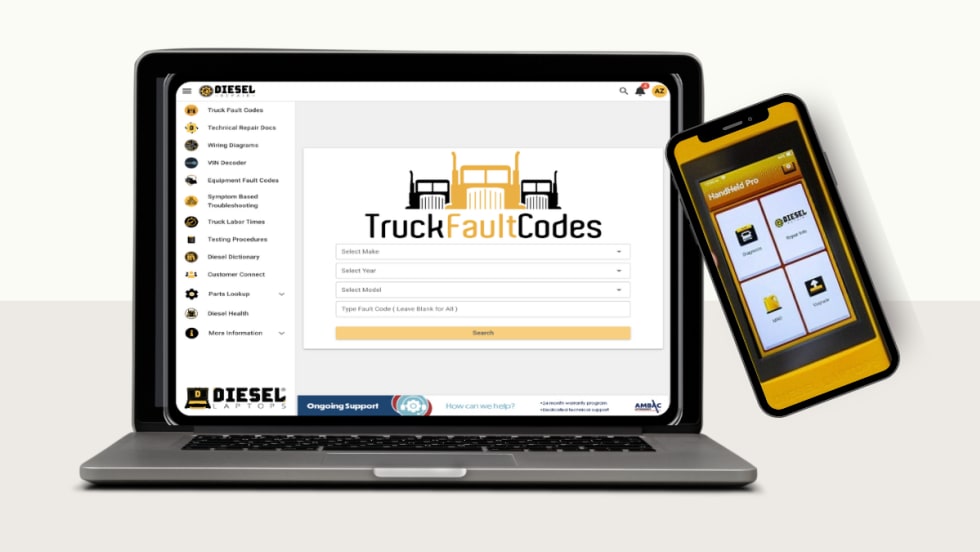
Diesel Laptops Releases Fault-Code-to-Part-Number Tool
Diesel Laptops said its Truck Fault Codes allows users to input a fault code and immediately identify and order the parts needed to complete repair work.
Read More →