




The Governator Goes Environmental
Arnold Schwarzenegger takes on air quality. He needs more information.


Arnold Schwarzenegger is in the news again. This time the California governor has come up with a state initiative to "lower the carbon content in fuel."
The objective is to lower the carbon dioxide in California air by 25 percent by the year 2020. An admirable objective, actually, and nearly like the one that most developed nations signed in the Kyoto accord.
California is not alone in declaring a state initiative on carbon. Other states include Maine, New Hampshire - though it has never been ratified - Vermont, Connecticut, New York, New Jersey and Delaware, as well as many major U.S. cities.
But how do you reduce the carbon content of fuel? We burn hydrocarbons and they make carbon dioxide (CO2)<$> and water (H2O). That way we transform the chemical energy in the hydrocarbon molecules into heat. Heat makes engines work. The only way to reduce carbon is to increase the hydrogen, or H, content.
But most motor fuels are paraffin molecules. They are fully saturated, i.e., all the available radicals are already hydrogen. Ethane has the chemical formula C2H6. You can increase the OH radicals, as in C2H5OH, and you have ethanol. But that doesn't reduce the amount of carbon in the chemical process and the exhaust. You make more CO2 and less CO. It's chemistry, not rocket science.
The way you get there is through good engine design and the substitution of other fuels. Reducing the CO2 in motor exhaust is something the rest of the world is working hard to achieve from a technology standpoint, with or without a mandate from California. If the Governator wants to go against the feds but go along with the rest of the world, I give him high marks.
But not the media reporting him. They espouse ethanol and biofuels. Unfortunately, neither removes carbon from vehicle fuels.
LA Times reporter Marc Lifsher betrays a lack of knowledge of energy or chemistry in a story in which he makes this comment: "... high-carbon-fuel makers could meet their mandate by purchasing credits from electric utilities that supply low-carbon electrons to electric passenger vehicles."
Low-carbon electrons? What nonsense is this? Carbon has an atomic number of 12. It has 12 electrons whizzing around each atom. Never more, never less. Electrons are totally agnostic. They don't care what nucleus they surround and they certainly have no carbon in them.
What I think's going on here is a hidden agenda for more electric vehicles.
But here's the thing: Generating electricity from fossil-based (i.e., carbon) fuel in general provides far more atmospheric pollution than burning gasoline or diesel fuel in a modern internal combustion engine. None of the electric vehicle boosters ever talk about the well-to-wheel emissions of their alternatives. Electricity-generating plants burn coal (pure carbon), oil (even more carbon) and old tires (still more carbon). And they release CO, CO2, sulfuric and nitric acid and all the rest straight to the atmosphere.
And here's an aside. General Motors spent $2 billion on electric cars, culminating in a demo project of 2,000 EV-1 electric cars (and that investment doesn't include the idiotic electric recharge infrastructure you still see in public places). Let's do the math: Each one of those EV-1s that GM built cost a million bucks by the time the project was abandoned.
Compared to similarly priced Ferraris, Bentleys and Lamborghinis, those EV-1s wouldn't pull the skin off a rice pudding.
The better way to get off hydrocarbons is to get to a hydrogen-based energy economy. One day we may. But it'll take some very enlightened leadership at the federal as well as the state level to get there. Put the same effort into energy independence as America put into the '60s space program, and we could get close.
Of course, Arnold could give up driving that full-sized Hummer and maybe drive a Honda Insight instead, just to set a good example. After all, 40 percent of the CO2 emissions in the nation's most populous state come from vehicle exhausts, and 96 percent of vehicle fuel today is petroleum-based.
So, Arnold. Good start on the carbon thing. Get the facts straight, get some intelligent media to support you, and we can get behind you.
More Fleet Management

How Innovative Trucking Leaders Turn Change Into an Advantage
As the pace of change accelerates in trucking, the fleets that adapt best have more than the latest technology. They have cultures that embrace improvement.
Read More →
Freight Broker Bonds Just Got Harder to Get. Here's What That Means for Your Fleet.
When it gets harder for a freight broker to prove they are financially sound, the ones who cannot clear that bar get pushed out of the market. And those are exactly the brokers who used to leave motor carriers holding the bag.
Read More →
Long-Awaited Canadian Border Bridge to Open in Detroit
For trucking, the bridge opening should offer immediate improvements in efficiency and reliability, with new customs facilities, expanded inspection capacity, and direct freeway-to-freeway connections.
Read More →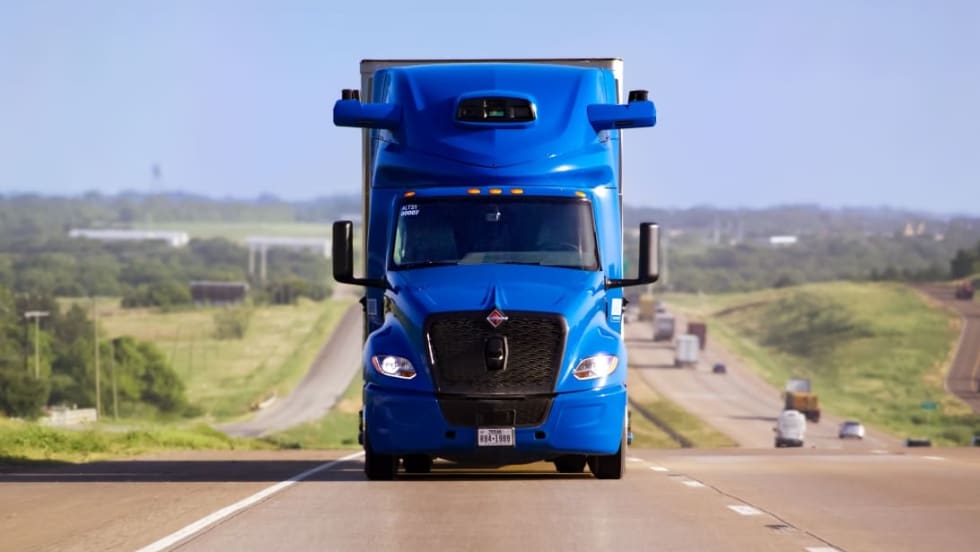
Aurora Rolls Out Next Generation of Driverless Trucks for Commercial Freight
Aurora's latest autonomous trucks it's rolling out with International feature lower-cost hardware designed for a million miles as the company expands commercial driverless freight operations across the U.S. Sun Belt.
Read More →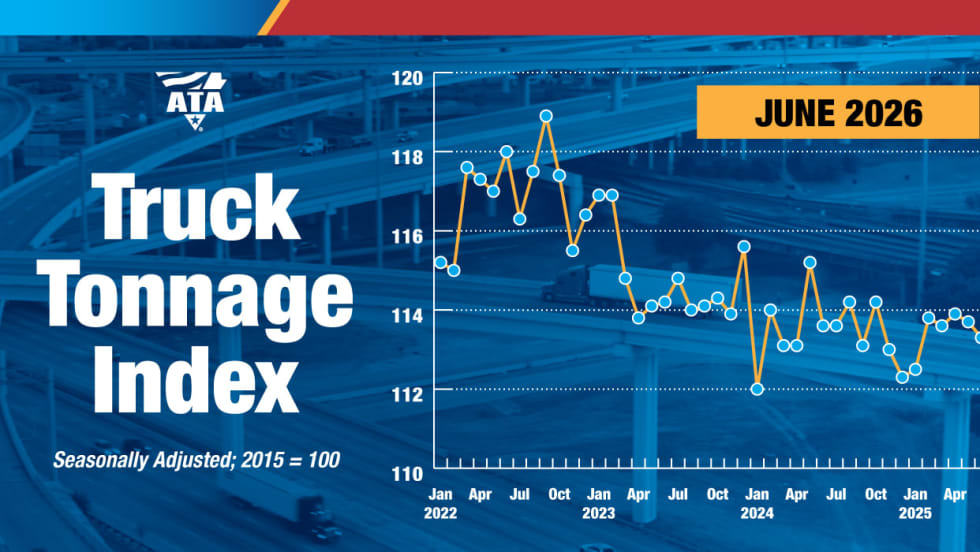
Freight Tonnage Down, Rates up, as Lower Capacity Powers Trucking Recovery
The recovery from the freight recession continues to be driven by reduction in capacity rather than by increased demand.
Read More →
Think Your Trucking Fleet Isn't Using Much AI? Think Again
Shadow AI — the use of unauthorized artificial intelligence tools at work — is becoming increasingly common, putting sensitive company data at risk. Learn how trucking fleets can protect sensitive data while embracing AI.
Read More →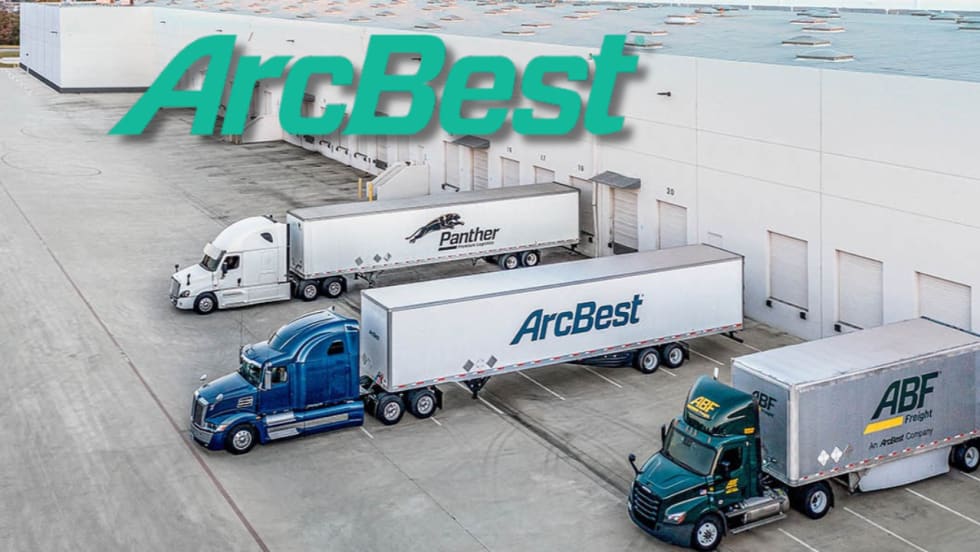
ArcBest Consolidates Brands, Cuts Workforce
The company will bring three business units under the ArcBest brand, eliminate about 2% of positions, and expects the changes to generate $40 million in annual savings.
Read More →
Trucking Fleets Faced Record Operating Costs During Third Year of Freight Recession
ATRI's annual operational cost report shows carriers trimmed fleets, delayed equipment purchases, and ran older trucks as expenses continued to outpace freight rates.
Read More →
Michelin Adds AI Assistant to MyConnectedFleet Platform
Michelin’s new generative AI tool delivers instant fleet insights, helping managers analyze fuel use, tire maintenance, vehicle status, and operational performance without manually creating reports.
Read More →
LytxOne Platform Now Features AI, Compliance, and Asset Tracking Tools
New enhancements add AI-powered insights, asset tracking, compliance automation, and configurable privacy controls to Lytx's all-in-one fleet management platform.
Read More →