




Testing Tires For Economy
New TMC recommended practice offers an easier way to evaluate fuel-efficient tires.
Constantly climbing fuel prices have more and more fleets mulling over their operating costs. And while proper tire maintenance is one of the biggest keys to getting the best fuel economy, it will only take you so far.
Spec'ing fuel-efficient tires is another way to stretch your fuel dollar farther.
Fuel-efficient tires achieve better fuel economy mainly through lower rolling resistance. This is achieved through a combination of tire compounding, tread design and casing construction.
The upside, obviously, is improved fuel economy. The downside, unfortunately, is that tread wear life is typically lower. Lower-rolling-resistance compounds do not wear as long as regular compounds, and their lower tread depths reduce overall wear life.
The only way to know for sure whether fuel-efficient tires will save you money – and which of these tires are best for your operation – is to test them in your fleet. The question is, how do you do this?
That's where the Technology and Maintenance Council of the American Trucking Associations comes in. At this year's spring meeting, members approved a new Recommended Practice called "Guidelines for Evaluating Tire and Wheel Related Products and Systems," or RP 242.
While TMC has had a separate RP on testing tires for fuel economy for a decade – RP 230A – it can be a bit overwhelming. This new one is shorter and more straightforward, according to Guy Walenga, Bridgestone/Firestone North America director of engineering for commercial products and technologies, and chairman of the TMC task force that developed the RP.
RP 242 consists of two parts. One contains a sample product evaluation questionnaire that fleets can give to salespeople who come knocking on their door. "What fleets wanted, and what we provided, is a short standardized format that salespeople are asked to fill out," Walenga says. "Now the fleet is prepared to see the guy … to cut past the claims of the company trying to sell you something and to hone in on what is measurable and what it is going to do for you."
The second part of the RP provides "a six-step process by which product performance can be consistently measured."
Part of these guidelines, Walenga says, give fleets an idea of what kind of information they should be capturing when doing their testing and how they can easily analyze the results on their own. The goal is to have a testing and evaluation procedure that is not too intricate: "If you've got to peel a grape to find a benefit, then maybe you are wasting your time," says he.
This RP also includes steps on how to conduct your product evaluation, in many cases "comparing a new product to an old product or comparing a new product in an operation where such a product did not exist before."
For purposes of testing a tire that claims to be fuel efficient, this means putting the tires on 30 trucks in your fleet and measuring them against 30 selected others.
Even if your fleet does not have enough trucks to make up this sample size, you can still use this method. "In cases like this, you put the fleet on half of what you are testing and the other half is the control group," Walenga says. No matter the size of the fleet, you need to make sure your control and test groups are as similar to one another as possible when it comes to equipment and the type of applications and hauling, and that each group fairly represents your entire fleet.
One of the real tips to conducting a proper evaluation of any product, according to this RP, is that it "must be long enough so that the product is exposed to all or most of operational extremes – yet short enough so that the results may be used in the impending purchase decision."
For testing fuel-efficient tires where you want to get a gauge of how well they improve fuel economy, Walenga says, you can probably get good results in six months. However, if you want to look at that along with mileage and retreadability, then you may want to go longer, because you have to use more of the product to get more data.
The bottom line, Walenga says, is that evaluating tires for fuel economy is one of the easiest things for a fleet to look at. There are certainly more exacting ways to evaluate fuel-efficient tires, but they are more involved and time-consuming.
Using this RP can not only streamline this process, but it also offers a way to screen and test nearly any other product for the trucks in your fleet easily and effectively.
More Fleet Management
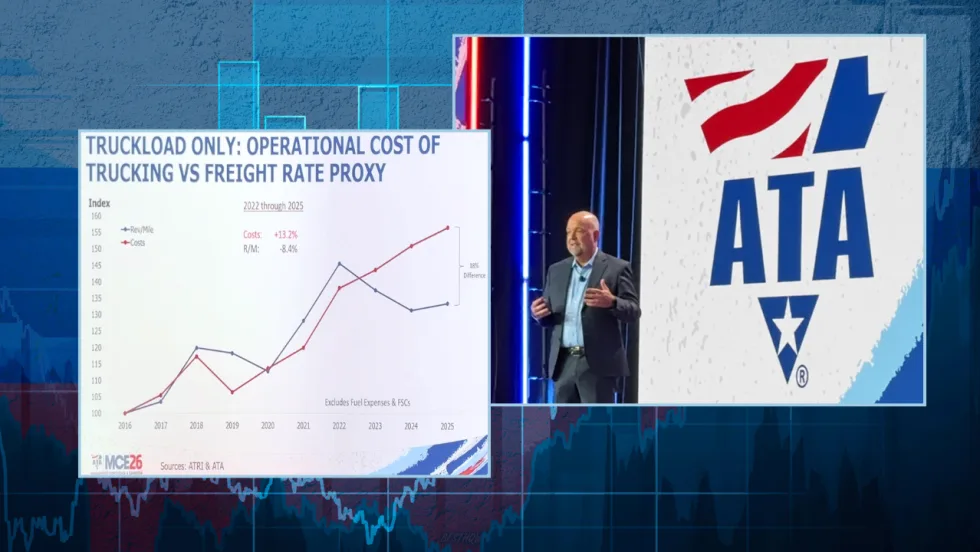
Why This Trucking Recovery Is Different
Freight demand remains sluggish, but rising costs and tougher enforcement have taken enough capacity out of the market to change the outlook for motor carriers.
Read More →
Platform Science Adds Dispatch and Safety Tools
Four additions to PS Fleet help fleets monitor loads, manage driver coaching, share truck locations and adjust video system settings.
Read More →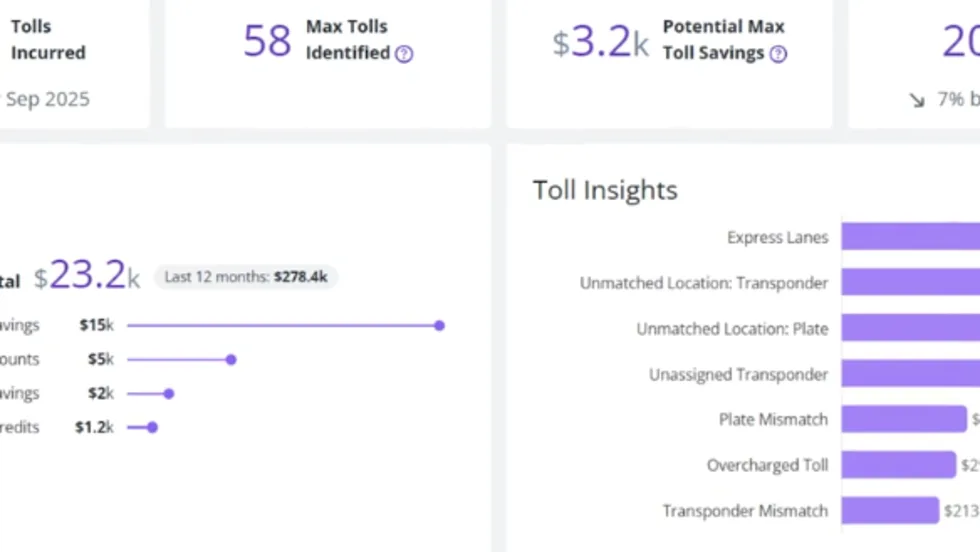
PrePass Intelligence Mines Fleet Bypass, Toll and Safety Data
PrePass Intelligence helps fleets measure bypass savings, flag potential toll overcharges, and spot suspicious transactions by combining data from separate systems.
Read More →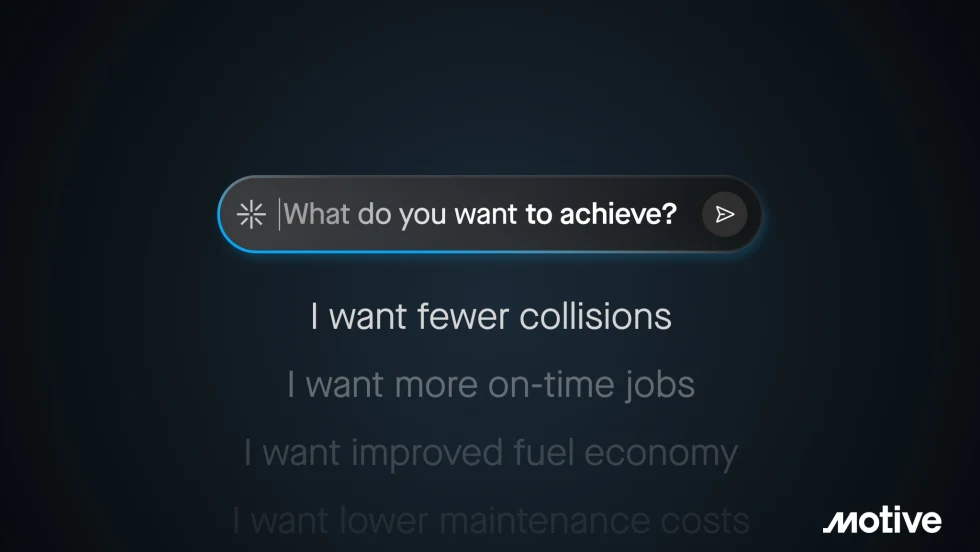
Motive Adds AI Agents for Fleet Operations
New tools automate follow-up on fleet data, from maintenance work orders to driver alerts, with two-way voice conversations planned for later this year.
Read More →
Can You Beat Our Trucking Trivia Challenge?
Test your truck knowledge with 19 trivia questions from Heavy Duty Trucking Exchange. Can you keep up with the fleet pros?
Read More →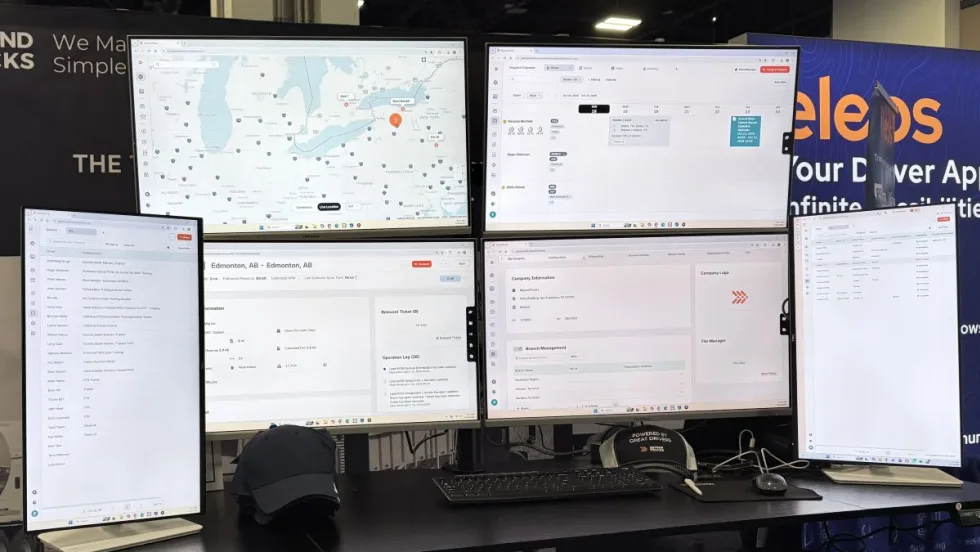
BeyondTrucks Adds Rules Checks to Dispatch
New Compatibility Engine checks driver qualifications, equipment requirements and fleet policies before loads are dispatched.
Read More →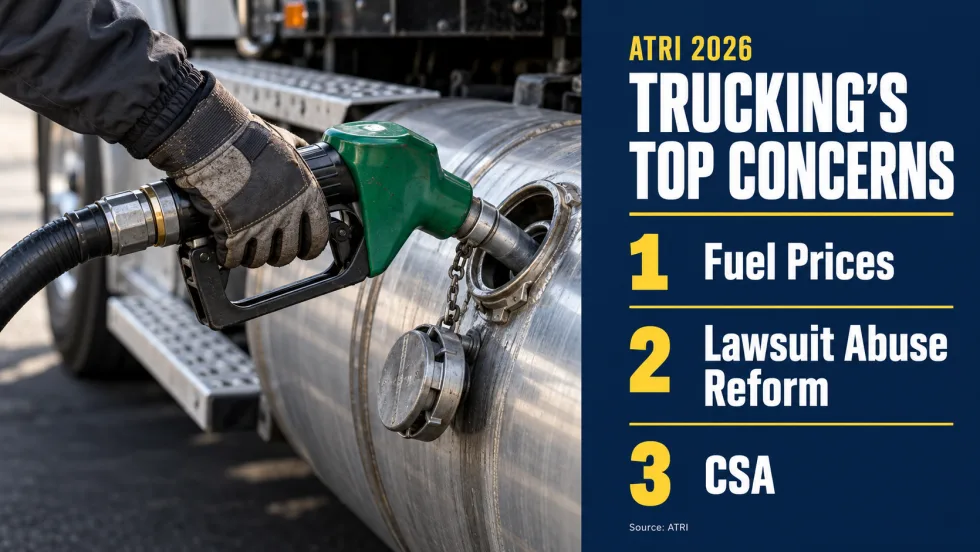
Diesel Prices Hijack Trucking’s Worry List
ATRI’s annual survey finds cautious optimism about freight, but diesel costs, litigation, and insurance continue to squeeze fleets. Drivers have different priorities on several issues.
Read More →
Nomination Deadline Extended for HDT Emerging Leaders
Just a few more days to nominate accomplished trucking fleet professionals under 40 who are making an impact and helping lead the industry forward for the HDT Emerging Leaders award. Deadline extended to October 20!
Read More →
What Will ATA’s New Leader Bring to Trucking's Table?
Incoming President and CEO Mark Colson’s record in Alabama offers clues about his priorities and approach following Chris Spear’s abrupt departure as the head of the American Trucking Associations.
Read More →
Volvo, Waabi Start Commercial Autonomous Operations in Texas
Volvo VNL Autonomous trucks, powered by the Waabi Driver, are hauling freight directly to third-party facilities for a customer in Texas.
Read More →