





Related: Strategies For Staying On Top of CSA
Technology Drives Down CSA Scores
When it comes to improving fleet operations, no matter the immediate issue at hand, technology, in all its forms, is becoming the “go-to” tool.
March 20, 2015
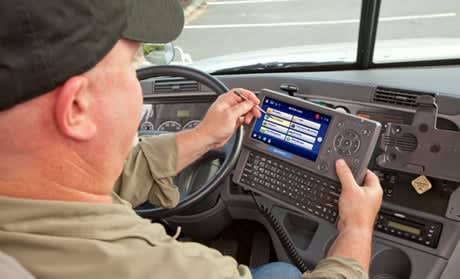
Fleets have been able to improve their CSA scores with automated driver logs and electronic driver vehicle inspection reports.
3 min to read
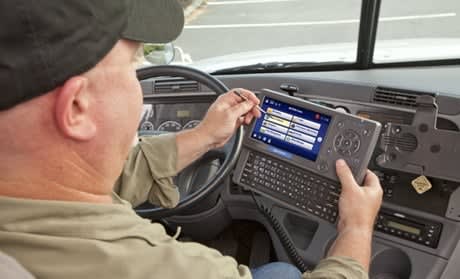
Fleets have been able to improve their CSA scores with automated driver logs and electronic driver vehicle inspection reports.
When it comes to improving fleet operations, no matter the immediate issue at hand, technology, in all its forms, is becoming the “go-to” tool.
Last month, participants in a panel at the Omnitracs Outlook User Conference showed attendees how technology improved their CSA scores and overall safety performance.
Automated driver logs have had a major impact on scores for Swift Transportation and FedEx Custom Critical. Victor Malchesky, director of safety and compliance for Swift, said his company had been using automated logs for two years. Given the size of the fleet, “it was a big endeavor,” he said. But the company had seen results in lower CSA scores.
FedEx Custom Critical is 100% independent contractors, with 2,500 drivers and 1,250 power units. The units are all equipped with Omnitracs’ MCP200 in-cab devices, with automated logging applications.
“We saw our CSA scores improve within six months,” said Scott McCahan, senior manager safety and contractor relations, noting that most of the company’s contractors saw a gain in available hours with the electronic logs.
The company also validates roadside inspections against the DVIRs to ensure their contractors are performing the inspections. CSA prompted FedEx to bring on a field safety liaison who visit with contractors and checks out their vehicles.
Connecting with drivers
Another tool these carriers have found useful is the Media Manager application from Omnitracs, which allows them to send multi-media content to their drivers through their in-cab devices.
Swift’s staff sends out in-cab training videos and other messages on regular basis. Since the company has such a disconnected workforce, the videos provide a way “to improve our relationship with the drivers.” Malchesky noted the videos have allowed the company to make a connection with drivers it didn’t have in the past.
McCahan said his company sends out video messages via Media Manager. Contractors who have been on board for 20 years who have never been to their home office are now kept in the loop as to company policy and other information.
John Feskanin, manager logistics engineering implementation, Penske Logistics, uses videos that drivers can access, as well as key performance indicator reporting to monitor performance and driver scorecards.
“We feel that peer pressure works,” he said, noting that some fleet managers use the scorecards as incentives, with drivers competing against each other. “We use the top 10 performers to help the bottom 10.” Feskanin said the company is evaluating putting in-cab video systems in its trucks.
Critical event reporting is another application Swift uses to track driver performance. Malchesky said the CER apps were the “first window into the cab of the truck and that the window is opening wider.” The company is also looking at adding other safety technologies.
As for getting independent contractors on board with deploying safety equipment, McCahan said the company offers incentives to its owner-operators to get them to add safety equipment to their trucks.
At Swift, which uses 5,000 owner-operators, installing Omnitracs units in their trucks is part of their lease agreement, Malchesky said. Part of deploying such systems is to get the drivers onboard. And while the panelists reported little pushback from drivers, Malchesky said the key in adding a new technology, such as navigation, for instance, is educating the drivers — “getting them to trust the new tools,” while allowing them to provide feedback.
Subscribe to Our Newsletter
More Fleet Management

Why Private Fleets Are Taking More Freight
Private fleets are putting their own trucks on demanding customers and high-cost lanes as companies seek greater control over service, costs, and capacity.
Read More →
Sponsored•September 16, 2026
Color Match Smarter: Tools That Restore & Perform
For fleet managers and collision repair professionals keeping heavy-duty trucks on the road, getting the color right the first time isn't just about appearance — it's about efficiency, turnaround time, and bottom-line results. Discover how today's digital color tools are transforming the repair process from guesswork to precision.
Read More →
FMCSA Pauses Biennial-Update Enforcement Amid Motus Transition
Carriers whose updates were due on or after June 1 have more time, while FMCSA works to stabilize its new registration system and warns of phishing sites impersonating its new carrier registration system, Motus.
Read More →


Sponsored•September 14, 2026
2026 Blueprint for Countering Smarter Supply Chain Theft
Cargo theft is no longer just the cost of doing business. It's a multi-billion-dollar criminal enterprise exploiting vulnerabilities across your fleet, drivers, and supply chain.
Read More →
Sponsored•September 1, 2026
How Telematics Improves Visibility, Control, and Performance in Refrigerated Fleets
Explore how telematics help refrigerated fleets improve visibility, uptime, efficiency, compliance, and cargo protection across connected cold chain operations.
Read More →
What the U.S.-Canada Trade War Means for Trucking
Escalating U.S.-Canada tariffs could disrupt cross-border freight, reduce truck volumes, raise costs, and create new uncertainty for carriers on both sides of the border.
Read More →
What Are Trucking’s Top Concerns for 2026?
The American Transportation Research Institute wants to know what's worrying trucking fleet managers, drivers, and other stakeholders in its annual Industry Issues survey.
Read More →
American Trucking Associations Looks for a New Leader
ATA President and CEO Chris Spear abruptly left his job at the association on August 21, at a pivotal time for the trucking industry.
Read More →
Public Wi-Fi Cybersecurity Risks: How Truck Drivers and Fleets Can Protect Their Data
Public Wi-Fi can expose truck drivers and fleets to credential theft, malware, and other cyber threats. Here’s how to reduce the risk on the road.
Read More →
For Nicky Cupp, Fleet Innovation Starts With Frustration
HDT Truck Fleet Innovator Nicky Cupp turns everyday pain points at Fraley & Schilling into opportunities for better technology and smarter processes.
Read More →