




Tech Report: Maintenance by the Number
TMC's codes provide universal language for all

Just about 10 years ago, the Technology and Maintenance Council of the American Trucking Associations unveiled
VMRS 2000 - an updated version of the Vehicle Maintenance Recording Standard codes developed by ATA in the late '60s. The system was designed to provide a "universal language for communicating from the shop floor to the people in charge of the money," says Jack Poster, VMRS services manager for TMC.
It is also used to communicate with OEMs and parts suppliers on warranty claims.
"Some people got together in New York about 1969 and decided to come up with a system that used numbers to cut through the mistakes made in using the written word to describe parts and maintenance activities," Poster explains. The first system was introduced in 1970 and was a manual system. Because the system was based on numbers and unique identifiers, it was easily adaptable to computer software when fleets began using computers to manage their business.
When VMRS 2000 was rolled out, the use of the system was still confined primarily to large fleets and manufacturers. That's changing.
"It is being used by more fleets," Poster says. And the types of companies calling about the system are changing. "I'm getting a lot of calls from utility companies and government agencies who want to be able to track their equipment maintenance using the system." Other companies inquiring about VMRS include repair shops and other maintenance vendors serving trucking customers.
As a result, the system continues to grow, with an average of about 600 updates made each quarter. Recent additions to the system include parts found on utility and municipal trucks such as aerial lifts, post-hole diggers and other such components.
While non-traditional trucking fleets require new codes, most of the VMRS updating comes from advances in technology. Recent codes have been added for things such as vehicle tracking and communications equipment and emission control technologies, Poster says. Other systems added recently include visual assist, the newer APUs, lane departure systems and diesel particulate filters.
"We are now tackling hybrid technologies," Poster adds. "Hybrid is so unique we are going to make a separate system within Code 33 to segregate it from other items. For instance, a battery may be a battery, but in a hybrid system it's a different animal with a different cost."
Poster says he can't really say how many fleets use VMRS, partly because some may not even realize they're using it. "Fleet use is growing because of the advent of software for maintenance. A lot of fleets are using it but don't know they are using it. They will be using it as part of their software. The software provider is the one that I'm in contact with, as opposed to the fleets that are using the system."
Software companies purchase a developer's license from TMC to embed the VMRS coding within their product. "Virtually every software vendor in this area will offer VMRS as part of their system," he says. "It may be an option, but most offer it."
VMRS is a series of codes used to describe virtually every facet of the maintenance operation, from parts to manufacturers to technician work to vehicle location. Currently there are 64 main codes in VMRS, but "the heart of the system is Code 33," Poster says. At first, Code 33 was a six-number digit, but was increased to nine numbers with the VMRS 2000 release. Currently, there are 21,790 parts listed in Code 33, from antennae on a Loran system to a battery for a cargo sensor.
Code 33 starts out with three numbers describing the system, followed by three numbers that describe the assembly and three that describe the component. Poster says the easiest example is brakes. Brake systems are 013. The next three numbers refer to the assembly: 001 refers to front brakes, 002 refers to back brakes. The final three numbers are the component. For instance, a brake shoe is 014. So the number for a front brake shoe would be 013-001-014. There are 101 different parts related to the front brake assembly from a variety of sources. Since most manufacturers use different part numbers systems and may even use different names for the same part, using the VMRS system cuts across brands.
Other key codes used by fleets include Code 1, equipment location, and Code 2, equipment category, to keep track of the vehicles. Code 5 is used to track the power source. Cab type is another code.
Code 34 is a five-letter alpha code to track brand name and where the parts were bought. This can be used in conjunction with the Code 33 parts description to monitor parts costs. For example, if you get brake components from Bendix, you can code that into Code 34. If those parts come from local parts stores, TMC will work with users to add a unique code describing those parts stores. This information gives a fleet the ability to compare what they are paying for those brake parts from one source versus what they pay at another source.
Another code used often by fleets is Code 14, reason for repair. For example, a breakdown would be 01. A routine inspection would be 05. Another code describes the work done. For example, you can record if a part is replaced, repaired or inspected. There are codes for towing, parts fabrication and other functions.
Code 18 includes about 100 different ways for the technician to describe why the part failed, including no failure, battered, hammered, broken, cracked or out of balance parts. "We've tried to cover every description we can to cover failure codes," Poster says.
If a shop's technicians are doing work other than repairing vehicles, such as washing vehicles or organizing the parts room, that work can be tracked using Code 36, which records indirect labor.
The end result of using the codes is better control of maintenance costs and productivity. Fleets can generate reports on any number of parts, from tiny light bulbs to the largest systems on the vehicle. A number of shops organize their parts room according to VMRS numbers. As parts are received, they get a bar code label that includes the VMRS code. When technicians need a part, they scan the bar code and the code. Shop managers can pull reports that tell them what part that technician is using, on which vehicle it's being used, why the technician is using the part, what the part cost is, who made it and where it was purchased.
Such a setup "makes it a lot easier on the technicians," Poster says. "When I was a mechanic, I hated to have to spend time writing things down. If you can scan a bar code on the part, you don't have to write anything down."
As noted earlier, VMRS is included in most maintenance software packages, in some cases as an optional module. Poster recommends fleets interested in VMRS talk with their software vendors and explain what they want to track. For some, that will only mean Codes 33 and 34. Others may want to use other codes.
If a fleet finds they have some unique equipment that is not included in the VMRS, they or their software vendor can call Poster and ask that codes for those pieces of equipment be included. For instance, Poster says he received a call from the city of Ottawa requesting codes for the articulated joint in their city buses. "I worked on that over the summer and now there are codes for those parts," he says. "That's another unknown secret within the industry. People don't realize that with a phone call or e-mail to me, it is something that is easily done - updating the codes."
Poster works with a VMRS committee within the TMC to monitor the codes. "I get their opinions on possible new codes," he says. "With the committee feedback and feedback from users, VMRS is a very democratic process."
In addition to the developers' license that TMC sells software suppliers, it provides an enterprise license for fleets with their own IT departments and proprietary management or maintenance software. It also provides single-user versions of the codes on disk. The complete code key set costs $149.25 for members and $199 for non-members. For just the Codes 33/34 set, the member price for a single user is $99.75 or $133 for non-members.
More Products

Einride Driverless Electric Trucks Begin Daily Freight Operations in Ohio
Two cabless electric trucks are hauling freight between EASE Logistics facilities in Marysville, Ohio, as part of a multi-state truck automation project.
Read More →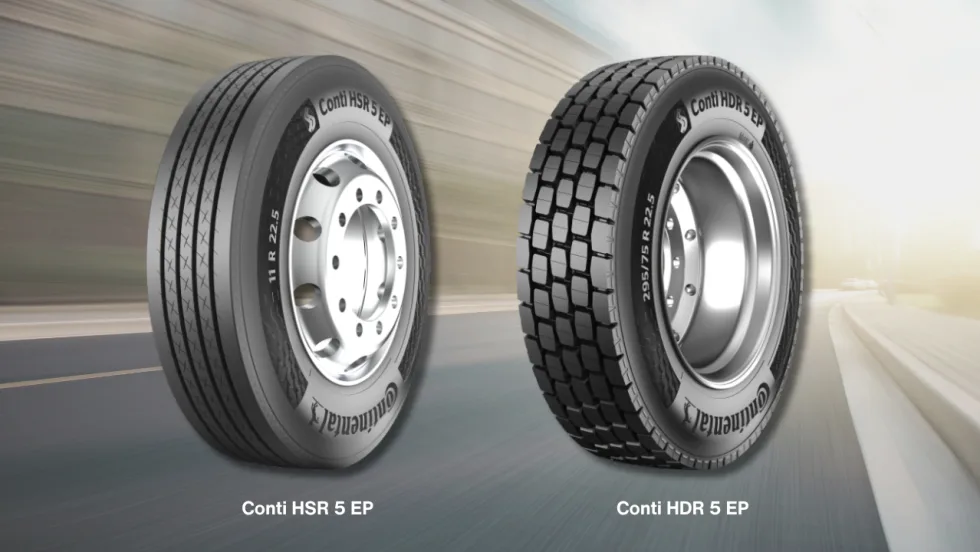
Continental Introduces New Regional Truck Tires
Continental says its new Generation 5 steer and drive tires for regional operations offer longer tread life, with estimated mileage gains of 22% and 19%, respectively.
Read More →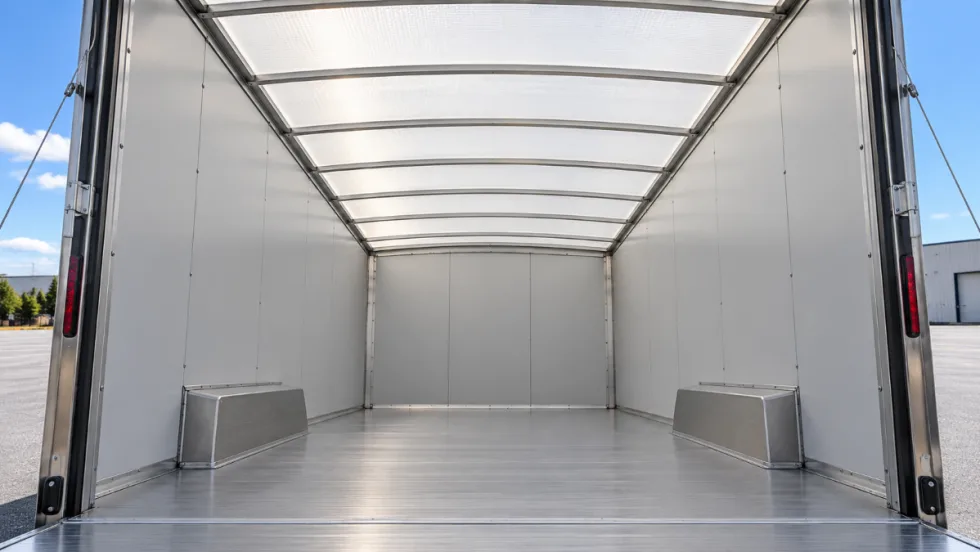
Tekmodo Introduces CargoBright Brand for Translucent Trailer Roofs
CargoBright is designed to diffuse daylight across the cargo area while performing as a working vehicle roof.
Read More →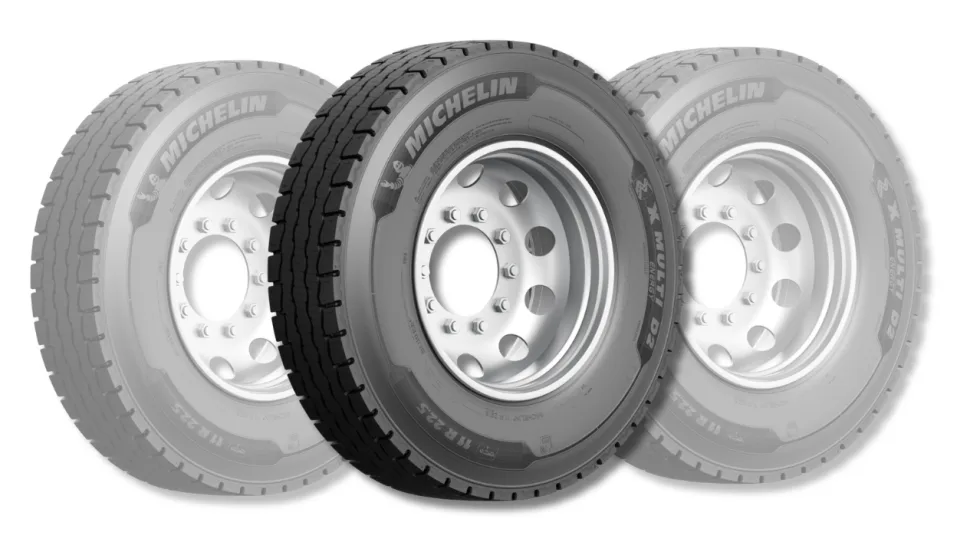
Michelin Tire Improves Efficiency and Durability for Regional Fleets
The Michelin X Multi Energy D2 is a regional haul drive tire engineered to help fleets improve fuel efficiency, durability and traction in demanding stop-and-go operations.
Read More →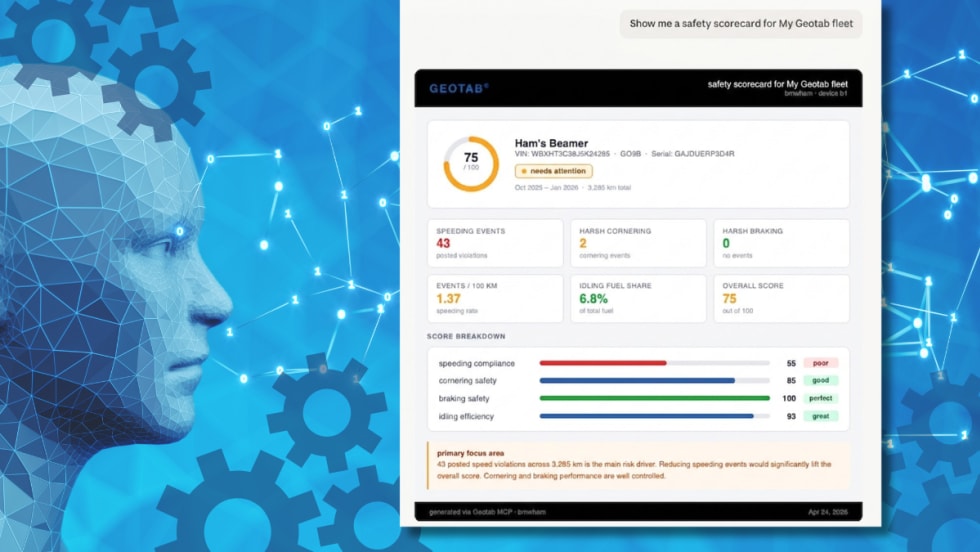
What Geotab's New AI Connector Means for Fleets
Fleets can now ask their usual AI assistants questions about maintenance, safety, fuel use, and vehicle performance, using their live Geotab data, and take action on the answers without leaving their preferred AI tool.
Read More →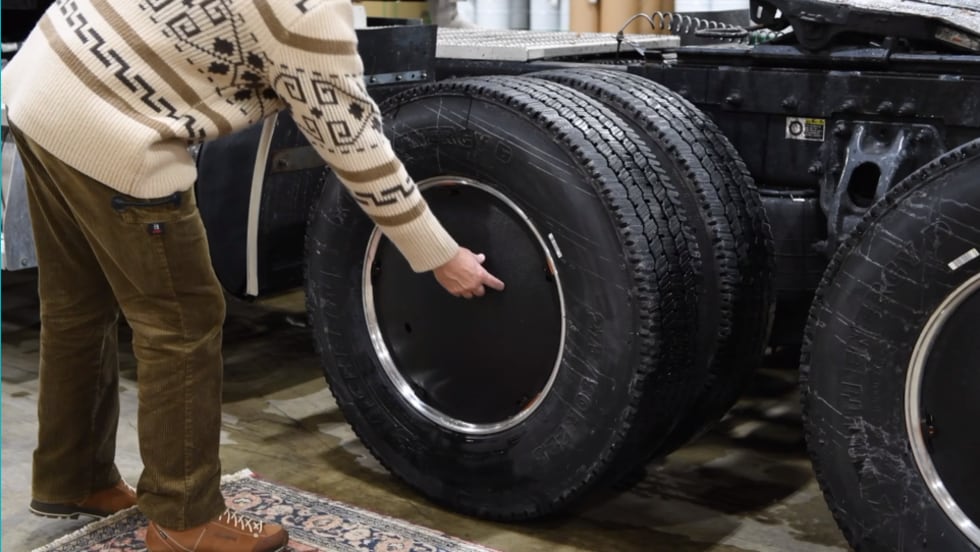
Deflecktor: Hubbub Aerodynamic Wheel Cover Cost-Effective Even for Trailers
Aerodynamic wheel covers can deliver small but meaningful fuel-economy gains for fleets, and Deflecktor says its latest design aims to make the technology easier and more affordable to deploy.
Read More →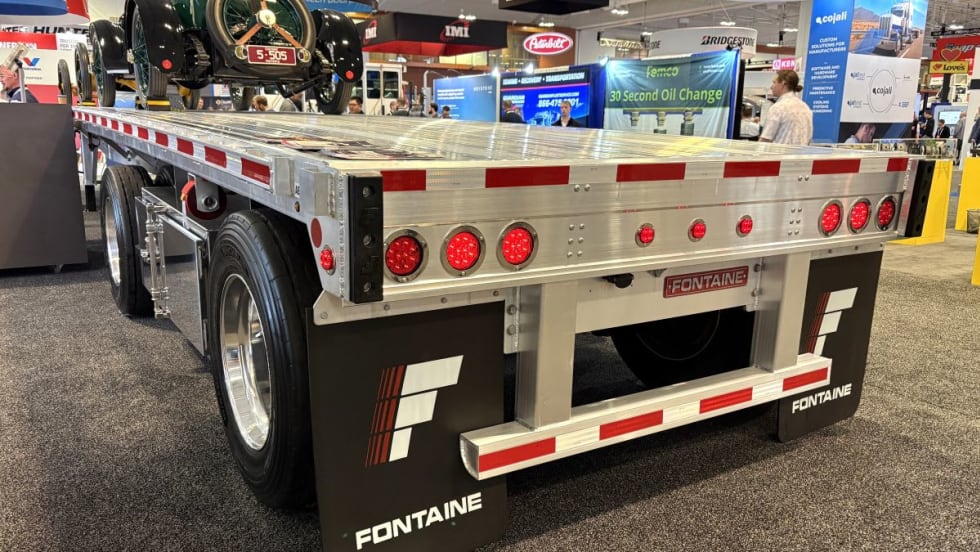
Fontaine Expands Flatbed Lineup with New Fleet-Focused Models, Eyes 2027 Launch
Fontaine is broadening its flatbed lineup with new models aimed at fleets, including a lightweight aluminum trailer expected in 2027 that emphasizes durability, repairability, and lower cost.
Read More →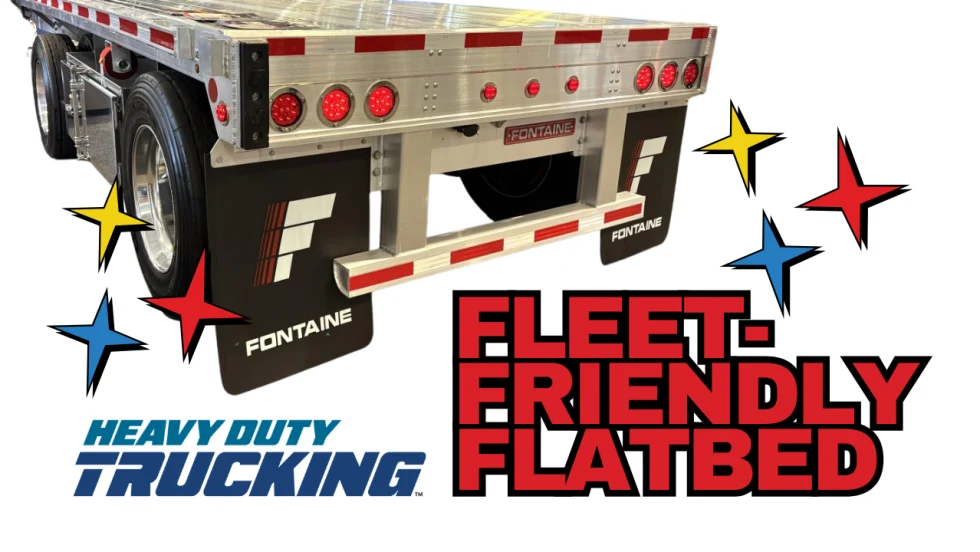
Fontaine's Fleet-Focused Force Flatbed Prototype [Watch]
A new prototype from Fontaine Trailer focuses on what fleets say they need most: easier repairs, lower maintenance costs, and practical, service-friendly design.
Read More →
HDT Honors the Best New Products of 2025 at TMC [Photos]
Heavy Duty Trucking's Top 20 Products awards recognize the best new products and technologies. Check out the award presentations at the 2026 Technology & Maintenance Council annual meeting.
Read More →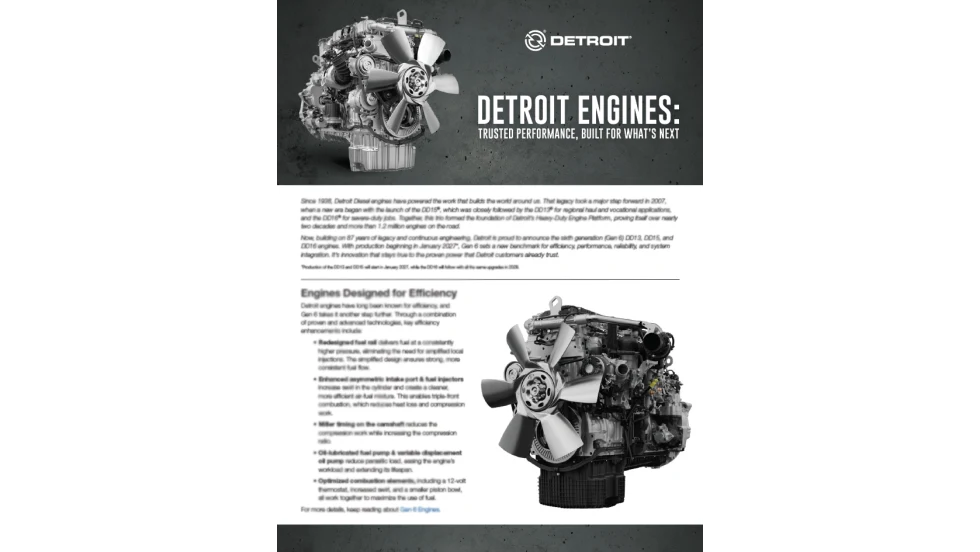
Detroit Engines: Trusted Performance, Built for What's Next
The Detroit® Gen 6 engine platform proves that real progress doesn’t require a complete redesign. Built on 20 years of trusted technology, these engines are designed for efficiency, stronger performance, and greater reliability than before. And they do it all while complying with 2027 EPA standards on every mile.
Read More →