




Spare Parts
For years, savvy fleet managers have been able to predict how long parts and components will last based on experience, and scheduled maintenance and replacement accordingly


Help fleets prepare for unpredictable repairs on the road.
For years, savvy fleet managers have been able to predict how long parts and components will last based on experience, and scheduled maintenance and replacement accordingly.
But several factors make it increasingly difficult for managers, mechanics and parts specialists to predict when various components and accessories on trucks will fail. Among them:
* The trend toward vertical integration. Truck original equipment manufacturers have more to say about what goes into their vehicles, and they make many choices based on agreements with suppliers that can change year to year. So specs lists also change, leaving fleet managers with little experience with those parts on which to build predictions.
* High underhood heat. Greater rates of heat rejection from modern diesels result in more radiated heat in engine compartments. Fleet managers say that heat has caused parts to fail sooner than in the past, but there are seldom any patterns from which to plan. Included are belts, hoses, turbochargers, alternators, starters, fan clutches and idler pulleys. Suppliers have changed materials and taken other steps to compensate, but not always successfully.
* Quest for lighter weight. Truck OEMs and fleet managers have both succeeded in reducing vehicle tare weights, but at a cost in reliability and longevity. OEMs have used thinner metal and more composites, but that means less heft and greater potential for stress-induced failures. Some managers have reduced tractor battery complements from four to three and even two to save weight. That leads to what appear to be starter failures that are actually the result of weakened batteries sending too little voltage to the starter motors. The batteries themselves are more fragile because OEMs have beat on suppliers to lower their prices, and they've responded by thinning out interior materials.
* Greater complexity, especially in electronics. Modern trucks contain thousands of circuits that are supposed to run on exact voltage and current, but those electrical parts are historically troublesome. OEMs have made wiring and connectors more robust, but heat and vibration still attacks them, and complex sensors all over a truck fail too often.
Help Customers Compensate
Because components and accessories fail unpredictably, breakdowns can occur more often on the road, where they are disruptive and expensive. Even if a road service truck arrives quickly, there's little guarantee that it'll have the exact parts needed to replace the ones that failed. So it can be wise for a truck's owner to send it out with certain key parts that can expedite repairs and save purchasing money, to boot.
This is done "at the risk of turning the truck into a rolling parts warehouse," says Lyle Bass, president of Indianapolis-based Powertrain Heavy Duty America, which operates stores in Indiana, Ohio and Kentucky.
Bass thinks owners' operational luck would improve if they follow 13 rules that his people have compiled from their experiences over the years. Some involve pre-trip inspections, which can spot small problems before they become major, and in effect aid in predicting failures. Consider making these recommendations, and/or ones based on your own experience, on to your customers:
1. Check belts and hoses, and keep spares on the truck in case one breaks.
2. Carry at least 2 gallons of the antifreeze brand and type used in the truck's cooling system in case a hose busts on the road.
3. Check slack adjusters to make sure brake shoes are in adjustment.
4. Check brake linings and drums for wear.
5. Watch for seal leaks on transmissions, wheel hubs, differentials, hydraulic systems, etc.
6. If possible, keep a spare tire on the truck, as it'll match those on the truck and will save considerable money over buying something on the road. Road-service mechanics can change a tire, but usually won't have the brand and size that's really needed. And even the smallest mismatch in a dual pair can lead to problems down the road.
7. Keep the air dryer serviced so it can help keep the air system in good condition.
8. Keep a few spare marker lights and stop lights on board, as they can be quickly installed if motor-carrier inspectors spot burned-out bulbs.
9. Always carry spare fuses, especially those for light circuits.
10. Check drivelines and U-joints for wear and replace as needed in the home shop instead of in "strange" and expensive shops on the road.
11. Keep all lube points well greased, because dried-up splines, etc., cause a lot of failures.
12. Drivers should carry a good set of hand tools to replace items that have worn out or burned out.
13. Remember that most independent repair shops or truck parts stores, whether at home or far away, have lower labor rates and perhaps prices than most OEM dealers.
As to the sensor-failure situation, Darry Stuart, a fleet maintenance consultant and former general chairman of the Technology & Maintenance Council of ATA, recommends stocking each truck with one of each type of sensor on it. That way a technician on a service truck or in a far-away shop doesn't have to order anything, and the driver doesn't have to wait a day or two until a replacement sensor arrives.
Parts people at dealers or independent stores can assist the owner in compiling a proper list of needed sensors. They aren't cheap, but can cost less when bought beforehand. And the stockage can about pay for itself in just one or two instances of an on-road failure expeditiously handled by a spare sensor taken from a truck's tool box.
From the January/February 2010 issue of Heavy Duty Aftermarket Journal.
More Aftermarket
What Three Fleets Are Doing Differently When Buying Truck Parts in 2026
With freight improving but costs still climbing, fleet maintenance executives explain how they're balancing price, quality, and supplier relationships.
Read More →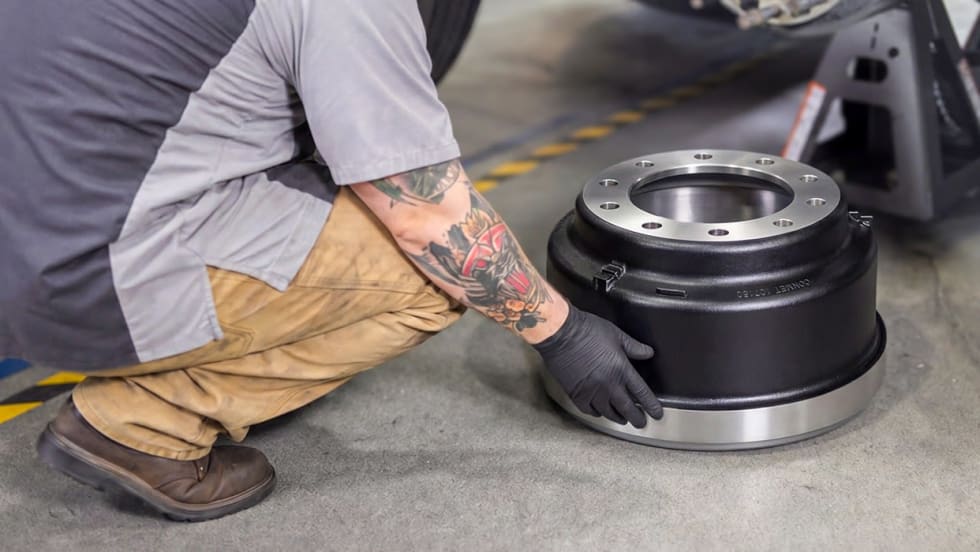
ConMet Expands Aftermarket Brake Drum Lineup With TruCast
A new heavy-duty truck brake drum option in the aftermarket gives customers more flexibility within the ConMet product family.
Read More →
Phillips Opens High-Tech Distribution Center for Faster Parts Delivery
Phillips Industries’ new Cincinnati-area distribution center is now shipping aftermarket trucking parts nationwide, aiming to speed up delivery times for customers.
Read More →
Volvo to Sponsor America’s Road Team for 2025
Volvo Trucks announced that it is extending its exclusive sponsorship of America’s Road Team for 2025.
Read More →
Webb to Start Taking Orders for UltraSet Pre-Adjusted Wheel Hubs
Webb, which recently acquired the Stemco Trifecta pre-adjusted hub program, will soon start taking orders for its replacement pre-assembled hub, the UltraSet.
Read More →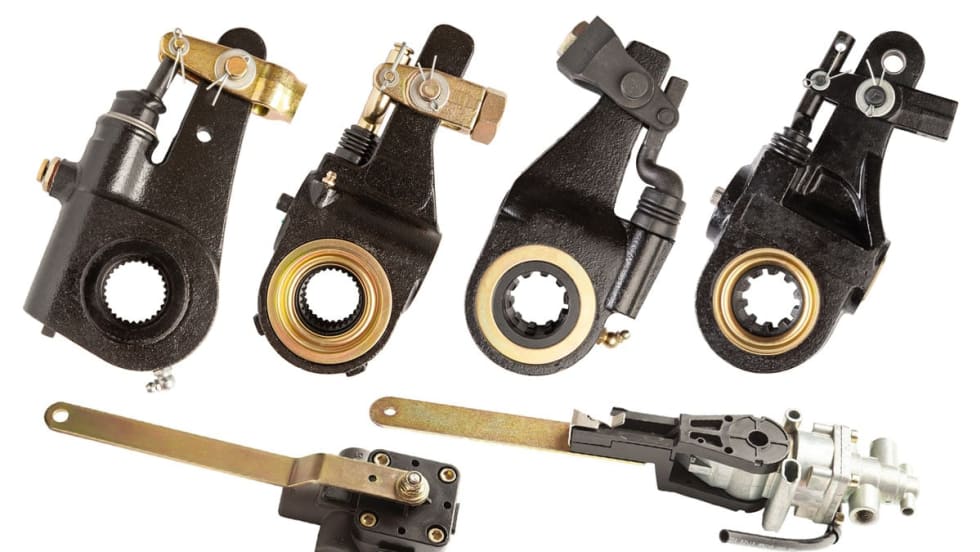
All-Makes Automatic Brake Adjusters, Ride Height Control Valves from Midland
SAF-Holland has added automatic brake adjusters and ride height control valves to its Midland All-Makes Program.
Read More →
ZF Aftermarket Expands [pro]Academy Training
ZF Aftermarket said it is expanding its ZF [pro]Academy training and will be adding 40 new modules this year.
Read More →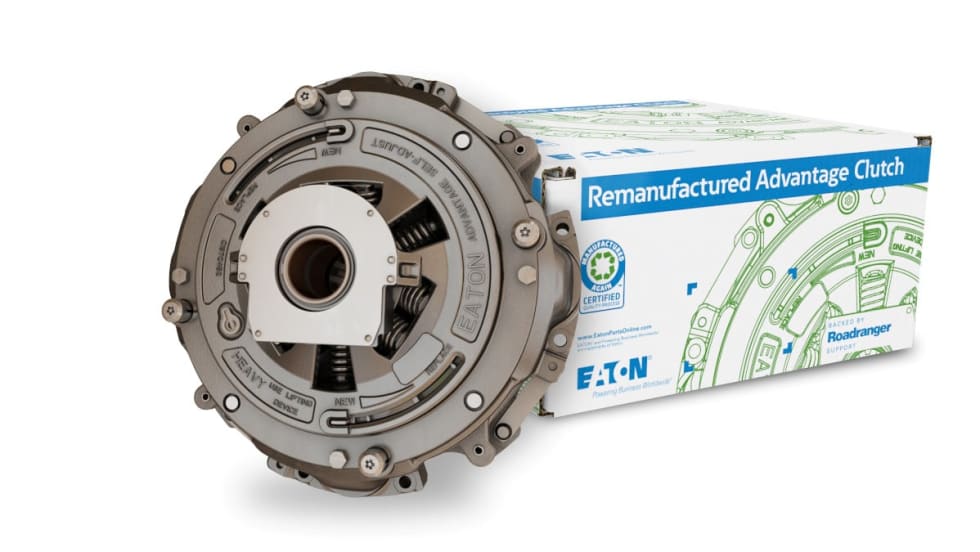
Eaton Adds Remanufactured Advantage Line of Clutches
Eaton has added its Advantage clutches to its remanufactured product line. The clutches feature a unique strap drive intermediate plate designed to allow customers to choose the latest OE specification
Read More →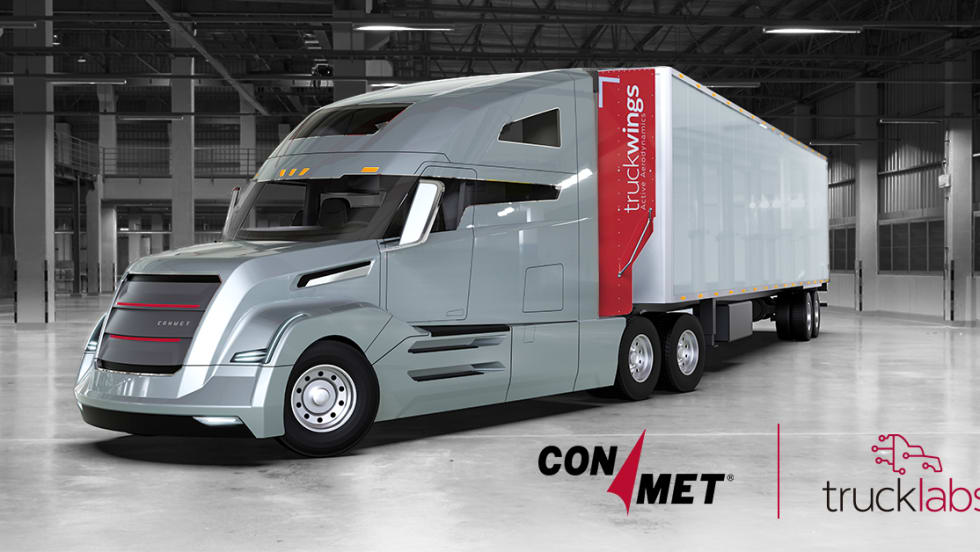
ConMet Acquires TruckLabs, the Creator of TruckWings
Commercial truck and trailer parts provider ConMet acquired TruckLabs, the company that created TruckWings, an aerodynamic device that attaches to truck cabs and deploys to close the gap between truck and trailer. TruckLabs now operates as a subsidiary of ConMet.
Read More →
Diesel Laptops Releases Fault-Code-to-Part-Number Tool
Diesel Laptops said its Truck Fault Codes allows users to input a fault code and immediately identify and order the parts needed to complete repair work.
Read More →