




Some ELDs May Present Cybersecurity Risk
Electronic logging devices may be a security threat – especially lower-cost devices from smaller providers, according to Glenn Atkinson, Geotab vice president, product safety, speaking at the 2018 Geotab Connect conference in Ontario, Canada.

Cybersecurity is a possible concern with some ELDs.
Image courtesy DoD
Electronic logging devices may be a security threat – especially lower-cost devices from smaller providers, according to Glenn Atkinson, Geotab vice president, product safety, speaking at the 2018 Geotab Connect conference in Ontario, Canada.
“It’s surprising the number of small to medium-sized companies that aren’t aware of what they’re putting in their truck,” he said, contending that devices from smaller providers or that were less expensive may not have the security their purchasers think they do.
Like all electronic devices, when ELDs transmit information over-the-air to backend databases, they initiate a process called a handshake. The device transmits a seed-key as a security measure, and like a password might, the seed-key confirms the devices are allowed to share encrypted information with each other.
In some cases, however, that security measure is exactly what makes the device vulnerable to hackers, Atkinson explained.
Students from the heavy-truck cybersecurity engineering program at the University of Tulsa found that those with shorter seed-keys, and those with seed-keys that didn’t change with each use (also known as dynamic seed-keys), were easily hacked.
The students were able to break into ELDs that use only 8-bit or 16-bit seed-key encryption. With shorter keys, students were able to create a program that discovered the key and gain access to the devices with very little effort.
For security reasons, Atkinson said he could not reveal how many devices or what manufacturers were able to be compromised.
The answer, he said, lies in making sure the seed-key for devices is longer and dynamic, using 96-bit or even 256-bit encryption that changes after each handshake.
Fleets should be asking existing or prospective ELD software providers and device companies this and other questions about security. For ELDs you already own, seed-key information should be available online, in the user manual, or by speaking to a company representative.
For those already operating with devices using shorter seed-keys, the answer may be in attaching another device, called a hardware break, into the ELD. Compatible hardware breaks will allow the ELD to function while coming between it and potential hackers. The solution isn’t ideal, because it locks down the device and may make it more difficult to use, but it serves as a stop-gap if fleets don’t want to replace their equipment.
This is a version of an article that originally appeared on Today's Trucking, repurposed through a content sharing agreement.
Related: University of Tulsa to Develop Truck Cybersecurity Device
More Electronic Logging Devices (ELDs)
How Fraley & Schilling Improved Logbook Compliance by Over 50%
Fraley & Schilling needed a way to close a compliance workflow gap in its ELD system without adding more work from driver training, reminders, and back-office follow-ups. It found the answer in a custom driver app.
Read More →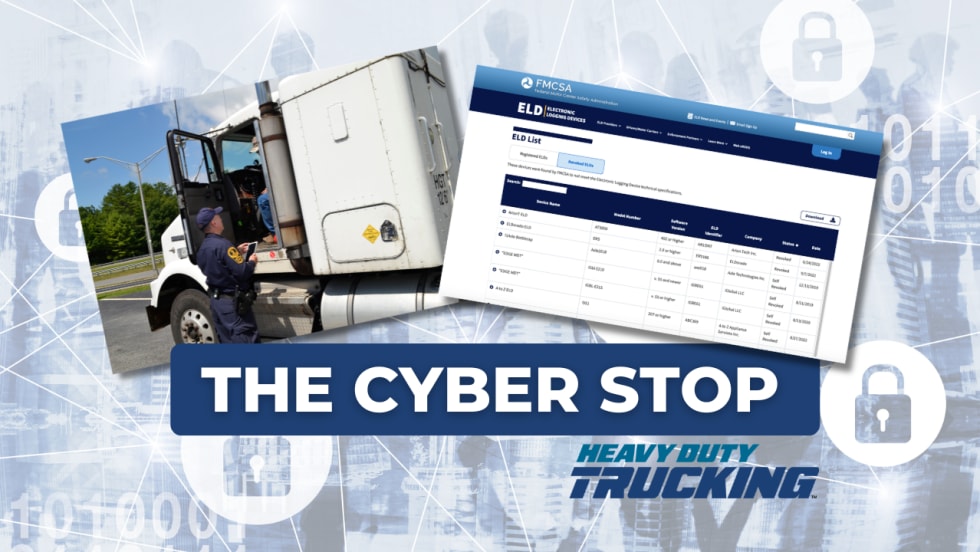
The Hidden Problem Behind FMCSA's ELD Revocations
NMFTA researchers say dozens of registered ELDs may be built on the same software platforms, allowing compliance and security concerns to persist even after individual devices are removed from the market.
Read More →
Basic Tracking vs Next Generation Fleet Technology
Fleet software is getting more sophisticated and effective than ever, tying big data models together to transform maintenance, safety, and the value of your existing tech stack. Fleet technology upgrades are undoubtedly an investment, but updated technology can offer a much higher return. Read how upgrading your fleet technology can increase the return on your investment.
Read More →
The ELD Hacking Threat: Q&A with Serjon's Urban Jonson
Electronic logging devices are easy prey for hackers looking to gain access to your fleet's data and IT systems. Urban Jonson with Serjon tells HDT what bad actors hope to achieve by hacking into ELDs and how fleets can protect themselves.
Read More →
How Trucking Fleets Can Get Control of False Driver Logs [Video]
Truck driver log falsification violations can lead to out-of-service orders, fines, bad federal safety scores, failed DOT audits, civil penalties, even nuclear verdicts. What can motor carriers do?
Read More →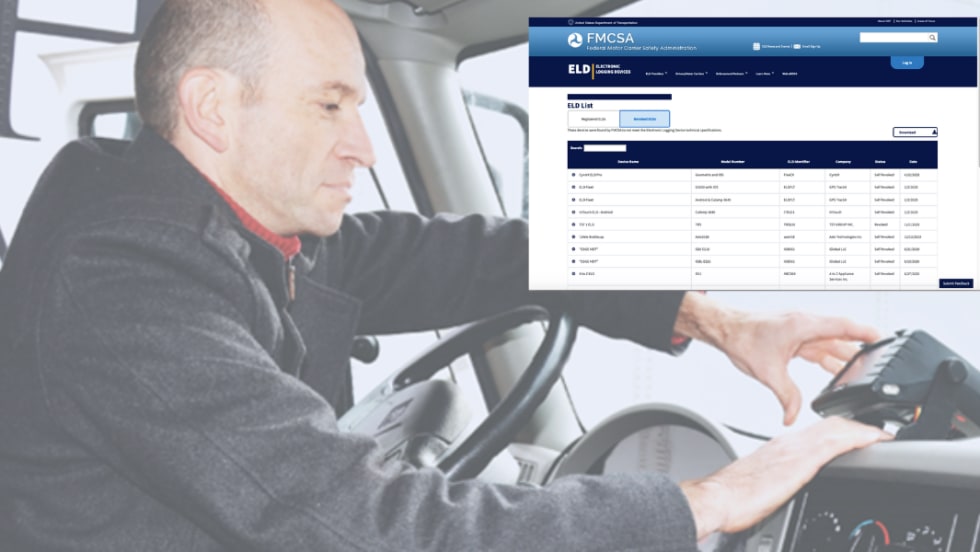
FMCSA Revokes 10 ELDs
Ten more electronic logging devices have been removed from the Federal Motor Carrier Safety Administration's list of registered ELDs fleets and drivers can use to meet the mandatory ELD regulations.
Read More →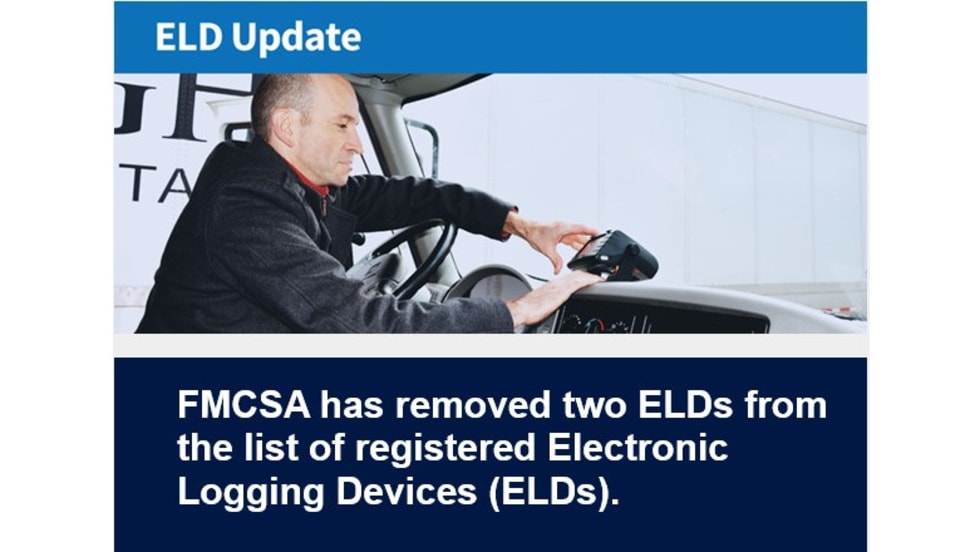
FMCSA Removes 2 ELDs from List of Registered Devices
The Federal Motor Carrier Safety Administration has removed Falcon ELD and KSK ELD from its list of registered, self-certified electronic logging devices.
Read More →
FMCSA Outlines Plans for Driver Detention Study
The Federal Motor Carrier Safety Administration plans to study driver detention, expecting approximately 80 carriers and 2,500 drivers to provide data.
Read More →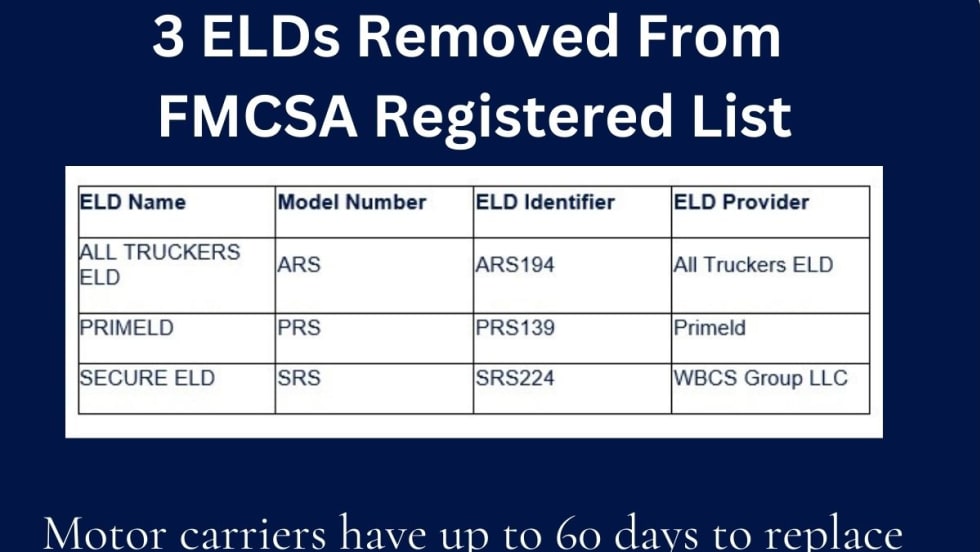
FMCSA Removes 3 ELDs from Approved List
The Federal Motor Carrier Safety Administration has placed three more electronic logging devices on the Revoked Devices list after they failed to meet the minimum requirements.
Read More →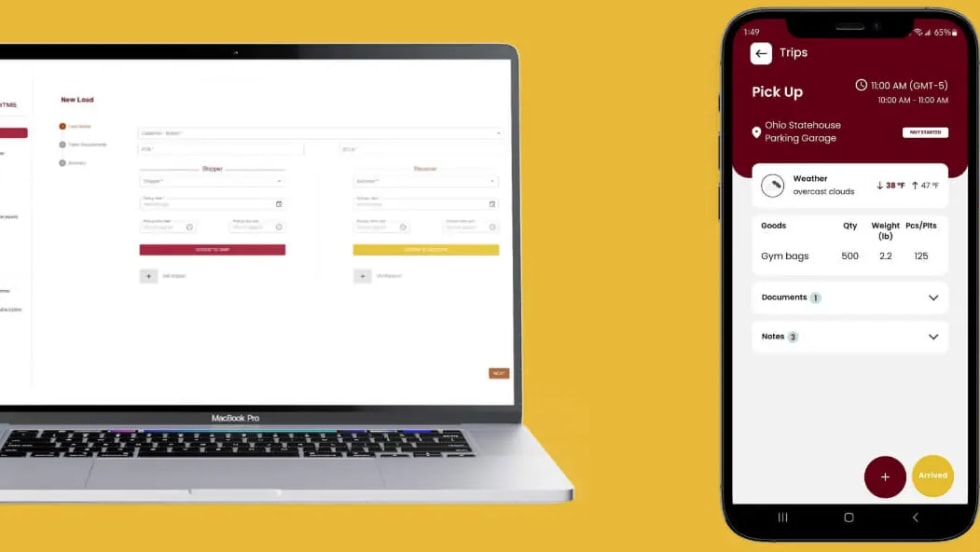
New Transportation Management System for Small Fleets
T3 Tech launches TrueTMS, a transportation management system for small trucking fleets.
Read More →