




Smart Truck, Smart Business: Former SmartWay Head Launches Aerodynamic Venture
There have been many contributions to the improvement of truck and trailer aerodynamics - and therefore fuel efficiency - over the last few years, both from truck manufacturers and from add-on device
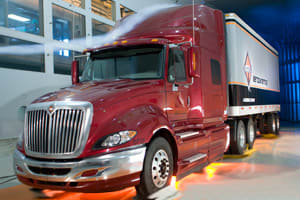
Photo courtesy of Navistar
There have been many contributions to the improvement of truck and trailer aerodynamics - and therefore fuel efficiency - over the last few years, both from truck manufacturers and from add-on devices
. Many of these advanced technologies are approved by the Environmental Protection Agency's SmartWay program, including ATDynamics' TrailerTail, Windyne's Flex Fairing and Carrier Transicold's Freight Wing Belly Fairing.
However, current advances have not fully captured the imagination of the trucking industry, and there is still room for improvement, says Mitch Greenberg. And who better to take truck aerodynamics to the next level but Greenberg himself, who resigned as head of the EPA's SmartWay program a few months ago.
Greenberg left the organization to assemble some of the top aerodynamicists from the aerospace industry, who have been charged with taking a more sophisticated look into reducing aerodynamic drag from trucks, trailers, and other equipment. The venture is called Smart Truck.
Pushing air
Aerodynamic drag is the number one energy problem a truck has to overcome. The problem involves large objects moving at high speeds that "push" huge quantities of air out of the way, creating high-pressure zones. When the compressed air tries to negotiate an abrupt turn at the back of the vehicle, it creates a low-pressure zone, resulting in significant aerodynamic "drag" and decreased fuel efficiency.
"Aerodynamics is probably the top thing you can go to for fuel efficient benefits," Greenberg says. In fact, over half of fuel mileage is caused by aerodynamic drag.
Greenberg, who is the president of Smart Truck, was drawn to drag reduction technologies through his involvement with SmartWay. But he found that there was a gap between the ground transportation industry and the aerospace industry, which has to engineer the aerodynamic components.
To bridge that gap, he enlisted Mike Henderson, the former chief of research at Boeing for 32 years. An expert in aerodynamics, Henderson has worked on a wide range of projects, including Aerion's supersonic business jet, race cars and a commercial plug-in hybrid electric van for Ford.
Greenberg also assembled a group of fleet partners to invest in the project, help in the testing process, and have a direct impact on the design. He doesn't want the design to just look good on the drawing board, he also wants it to be proven in over-the-road operations, fulfilling all the potentials of a truck as efficiently and cheaply as possible.
"We're off and running," Henderson says. PepsiCo and Frito Lay handed over four new tractors and six new trailers to use for testing, while Michelin is lending one of its facilities as a proving ground for the project. The team also will conduct over-the-road testing on the runway of the Kennedy Space Center.
Near and long term
The Smart Truck team has a broad goal of redesigning the entire truck and trailer to optimize aerodynamic efficiency. Henderson, who calls this a "clean sheet of paper design," says this is an academic exercise that won't be completed for several years. The company will initially conduct a detailed analysis on existing trucks, evaluating for horsepower losses in drivetrain and analyzing where aerodynamic drag is coming from.
But Smart Truck wants carriers to be able to implement aerodynamic technologies in the short term, so it will start by working on individual truck and trailer add-ons. The venture will develop components that can be installed on existing trucks and trailers, from parts as simple as a mirror to those as complex as fairings, Henderson says. Right now, the Smart Truck team is in the initial stages of producing prototypes.
The area of aerodynamics caught Greenberg's eye, not just for its environmental benefits, but also for its fuel efficiency and advantages from a business standpoint. His vision is to create a product that fits the bottom line of a trucking company. "The product has to fit their business model completely."
From the October 2009 issue of Heavy Duty Trucking.
More Fuel Smarts
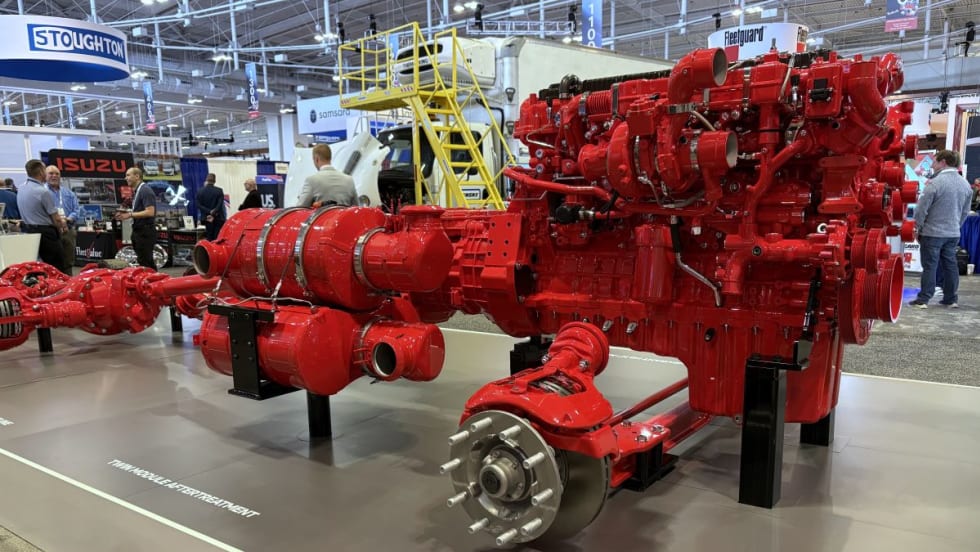
Cummins Adjusts 2027 Engine Rollout After EPA Proposal
The engine maker will gradually introduce its new Model Year 2027 diesel engines while continuing to offer current models during the transition, citing the EPA's proposed emissions rule changes.
Read More →
EPA Proposal Could Ease 2027 Truck Costs and Buying Uncertainty
The proposal doesn't change the tougher NOx standard, but it would revise key implementation requirements that manufacturers say have driven up costs and complicated fleet purchasing decisions.
Read More →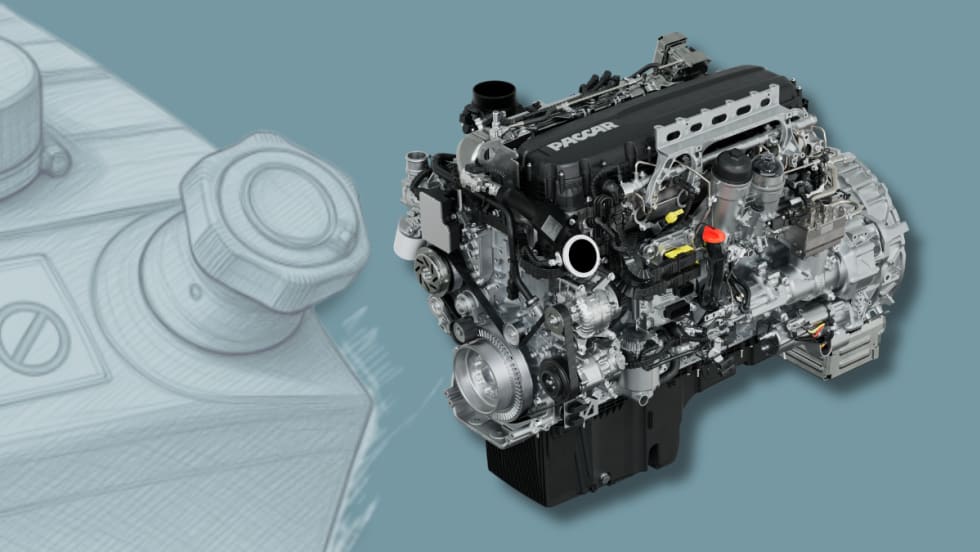
Cummins, Paccar Ease DEF Derates After EPA Guidance
Updated diesel engine software gives truck operators more time to address emissions-system issues while staying compliant with EPA emissions standards.
Read More →
Maintenance in the Messy Middle Part 3: Biodiesel
Biodiesel can reduce emissions, improve fuel-system lubricity and use existing diesel infrastructure. But NACFE’s Messy Middle maintenance report says fleets must actively manage storage, cold-weather operation, filters and oil drain intervals to avoid problems.
Read More →
Enhance Fleet Performance with High-Efficiency Auxiliary Power Units
Drive sustainable cost savings while increasing driver comfort during short- and long-haul logistics operations.
Read More →
Maintenance in the ‘Messy Middle’ Part 2: Renewable Diesel Fuel
NACFE's latest Messy Middle Powertrain Service & Maintenance report says renewable diesel gives fleets an opportunity to reduce carbon emissions without changing trucks, fueling infrastructure or maintenance practices. But technicians still need to understand several important operational differences.
Read More →
The Diesel Engine Enters NACFE’s ‘Messy Middle’
NACFE’s new Messy Middle Powertrain Service & Maintenance report says keeping modern diesel engines running now depends as much on software, diagnostics and data as traditional mechanical service.
Read More →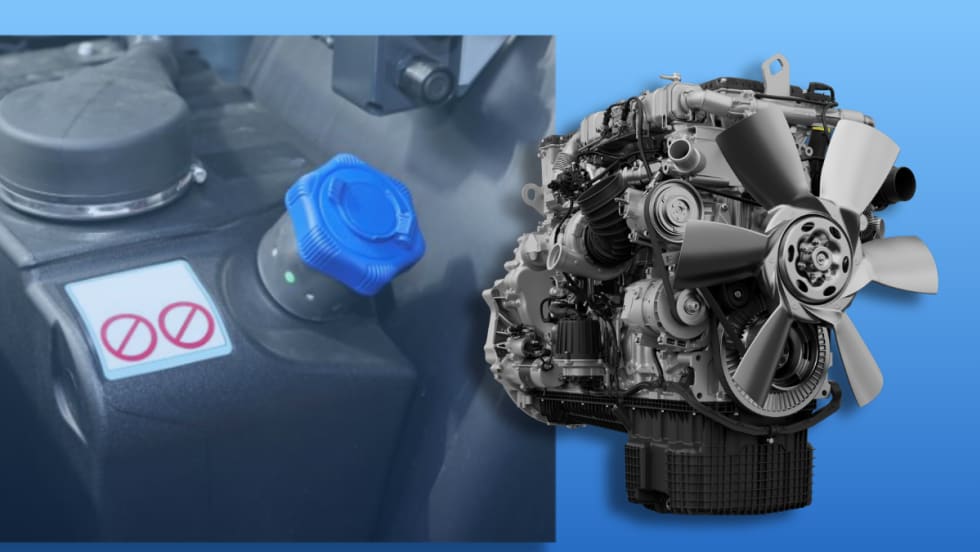
DTNA Software Update Gives Truckers More Time Before DEF Derates Take Effect
The changes reflect EPA guidance aimed at reducing downtime caused by emissions-system faults while maintaining compliance requirements.
Read More →
New Agentic Predictive Maintenance Report Demonstrates How Degraded Aftertreatment Systems Waste Fuel
Questar analyzed a large mixed-class fleet and discovered it was wasting as much as $30 in fuel per vehicle, per day, because of mechanically degraded aftertreatment systems.
Read More →
New York City's Microhub Project is Delivering Results
Trucking, last-mile delivery companies, and environmental advocates like what they are seeing so far with New York's microhub program.
Read More →