




Small Carrier Success Stories: Silchuk Transport
Professionalism is always front and center for Andrey Silchuk and the fleet he founded.

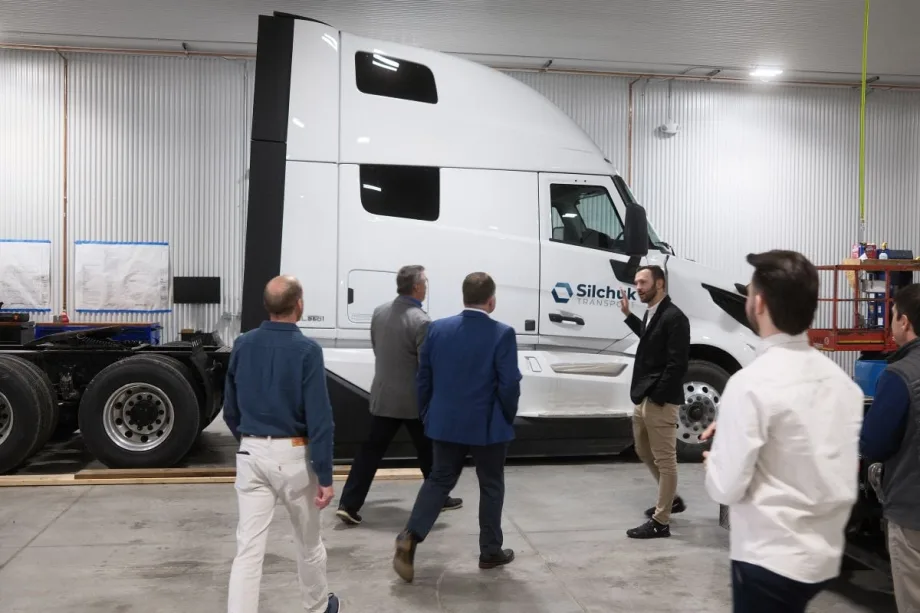
Andrey Silchuk is convinced that running new trucks pays big, long-term dividends for his small fleet.
Photo: Silchuk Transport
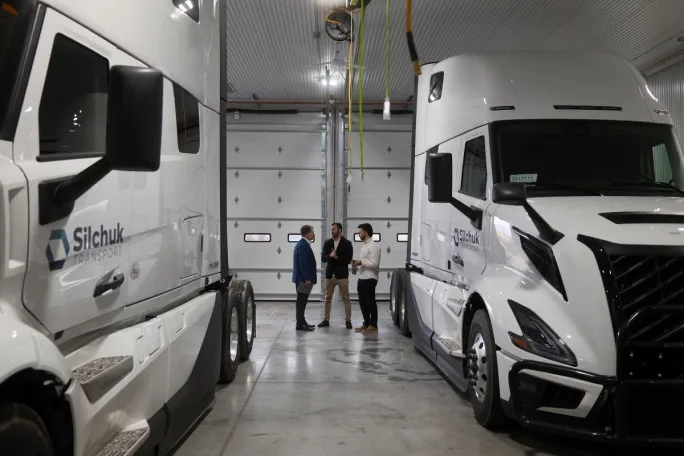
Andrey Silchuk and his team inspect new Volvo VNL tractors coming into service for the fleet.
Photo: Silchuk Transport
Spend a few minutes talking with Andrey Silchuk, the CEO of Silchuk Transport in Sioux Falls, South Dakota and you’re overwhelmed with his passion and intensity for the small fleet he founded in 2010.
Silchuk says “get it done” attitude, flexibility, a friendly workforce, and strong on-time performance are the keys to his company’s success.
But Silchuk also firmly believes that image and status are vital for success today. Which is why he makes sure to equip his fleet with brand-new Volvo tractors. But his philosophy is about far more than simply looking good on the highway.
“Professionalism is our number one core value,” Silchuk says. “Both in dealing with our customers and dealing with our employees. We respect our customers. And we respect our drivers. But, by that reasoning, if our drivers are professionals, then they deserve professional tools to do their jobs. I’m a small fleet. It’s a huge investment for us to buy new trucks. But doing so has helped us become successful.”
New Equipment and Cutting-Edge Technology
In an industry plagued by nuclear verdicts, Silchuk believes passionately that investing in new equipment with cutting-edge safety systems is vital for long-term success.
And when one of his Volvos pulls into a parking lot, Silchuk is confident the truck is going to get noticed. By potential customers. And potential drivers.
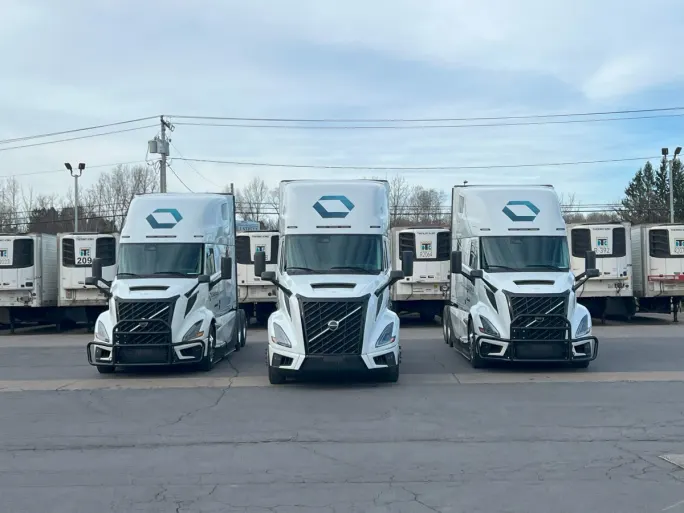
New trucks help Silchuk Transport attract and retain good drivers.
Photo: Silchuk Transport
“People gravitate toward a company that is running beautiful new equipment,” Silchuk says. My philosophy is that status matters. And that holds true for a driver behind the wheel. And the company you’re hauling goods for in the trailer.”
And Silchuk says his approach – while expensive on the front end – gives him a serious competitive advantage over his competitors.
“We run safe, new trucks and we have virtually no driver turnover,” he notes. “We are fishing out the same pond when it comes to finding and keeping good drivers. And what are the two things you can control when you’re looking to attract drivers? Pay and equipment. We have control over what we buy and how we treat our drivers and our customers. And it’s an approach that has paid big dividends for us.”
HDT's Series on Small Carrier Success Stories also includes profiles of Huff & Puff Trucking, out of Bradyville, Tennessee, Brown Dog Trucking out of Biddeford, Maine, and Jamie Hagen's Hellbent Xpress running out of Aberdeen, South Dakota.
More Fleet Management

Color Match Smarter: Tools That Restore & Perform
For fleet managers and collision repair professionals keeping heavy-duty trucks on the road, getting the color right the first time isn't just about appearance — it's about efficiency, turnaround time, and bottom-line results. Discover how today's digital color tools are transforming the repair process from guesswork to precision.
Read More →
FMCSA Pauses Biennial-Update Enforcement Amid Motus Transition
Carriers whose updates were due on or after June 1 have more time, while FMCSA works to stabilize its new registration system and warns of phishing sites impersonating its new carrier registration system, Motus.
Read More →
2026 Blueprint for Countering Smarter Supply Chain Theft
Cargo theft is no longer just the cost of doing business. It's a multi-billion-dollar criminal enterprise exploiting vulnerabilities across your fleet, drivers, and supply chain.
Read More →


How Telematics Improves Visibility, Control, and Performance in Refrigerated Fleets
Explore how telematics help refrigerated fleets improve visibility, uptime, efficiency, compliance, and cargo protection across connected cold chain operations.
Read More →
What the U.S.-Canada Trade War Means for Trucking
Escalating U.S.-Canada tariffs could disrupt cross-border freight, reduce truck volumes, raise costs, and create new uncertainty for carriers on both sides of the border.
Read More →
What Are Trucking’s Top Concerns for 2026?
The American Transportation Research Institute wants to know what's worrying trucking fleet managers, drivers, and other stakeholders in its annual Industry Issues survey.
Read More →
American Trucking Associations Looks for a New Leader
ATA President and CEO Chris Spear abruptly left his job at the association on August 21, at a pivotal time for the trucking industry.
Read More →
Public Wi-Fi Cybersecurity Risks: How Truck Drivers and Fleets Can Protect Their Data
Public Wi-Fi can expose truck drivers and fleets to credential theft, malware, and other cyber threats. Here’s how to reduce the risk on the road.
Read More →
For Nicky Cupp, Fleet Innovation Starts With Frustration
HDT Truck Fleet Innovator Nicky Cupp turns everyday pain points at Fraley & Schilling into opportunities for better technology and smarter processes.
Read More →
Adam Buttgenbach’s Approach to Electric Trucks: Start With Where They Fit
HDT Truck Fleet Innovator Adam Buttgenbach helped PepsiCo build one of North America’s largest EV fleets by focusing on where electric trucks make operational sense.
Read More →