




Sandwich Supplier Saves Fuel, Cuts CO2 with New Reefer Truck
Ever buy a cold or hot pre-made sandwich from a convenience store, maybe where you gas up the car? Then there's a good chance that it was a Deli Express product made and delivered by E.A. Sween, a family-owned foodservice compan

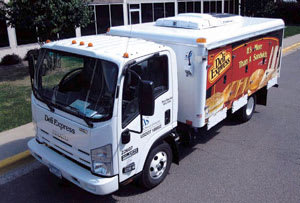
Ever buy a cold or hot pre-made sandwich from a convenience store, maybe where you gas up the car? Then there's a good chance that it was a Deli Express product made and delivered by E.A. Sween, a family-owned foodservice company
that claims to be the largest sandwich supplier in the U.S., operating in 26 states with its own fleet of trucks.
Perishable sandwiches of course means reefers, and commercial operation means diesel power - things the company, founded in 1955, has a lot of experience with.
Recently, the Eden Prairie, Minn.-based company ordered an innovative truck design that's improving fuel economy by nearly 50% while significantly increasing sustainability, productivity and cost effectiveness.
"We're pleased that we could so significantly improve our fleet's carbon footprint through an innovative solution that uses a traditional fuel source and also saves money without sacrificing customer satisfaction," says Gregg Hodgdon, fleet operations manager.
First, Sween decided to change how it carries the products in the new trucks. It switched from single-temperature with cold-plate walls to one with dual-temperature capabilities, at zero- and 35-degree compartments. It also changed the store-ordering procedure from as-demanded to pre-orders submitted once a week by Deli Express sales people.
Sween worked with Thermo King, which supplied the refrigeration unit; Isuzu, which made the NRR chassis; Johnson Truck Bodies, which produced the lightweight shell; and Automotive Resources International, which analyzed the operation and calculated the design's impact on cost and efficiency.
The new truck features a heating system that enables thawing to occur on board rather than in a warehouse. Before, frozen sandwiches were moved to a thawing area each night, then loaded onto trucks in the morning prior to distribution. The dual-temp approach eliminates the middle step.
The refrigeration unit's roof-mounted condenser has a slim, aerodynamic profile to cut wind drag en route. Electric standby operation at stops and at warehouses reduces fuel consumption and exhaust emissions. The unit uses a low amount of refrigerant, which reduces its impact on the environment.
The new, lighter-weight truck design emits 700 fewer pounds of carbon per month than a conventional reefer truck, according to a sustainability study conducted by ARI, a global fleet services provider specializing in complex car and truck fleets. Based on these results, E.A. Sween Co. leaders anticipate that the trucks will emit 4.2 tons less carbon dioxide annually.
Thermo King recently honored E.A. Sween's commitment to energy and operational efficiency and sustainability by presenting the company with an "Energy Efficiency Leader Award."
More Fuel Smarts
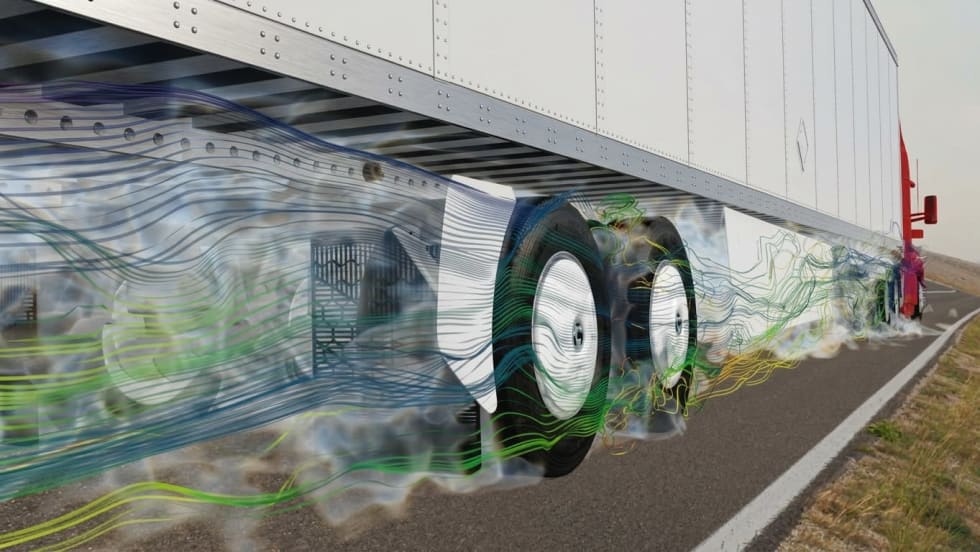
FlowBelow Redesigns Trailer AeroSlider to Cut Fuel Use
The lighter trailer aerodynamic system installs in less than 45 minutes, according to the company, with potential payback in under a year depending on fuel prices and trailer mileage.
Read More →
Why Diesel Price Relief Efforts May Fall Short
Diesel prices have eased from September’s record high, but doubts about additional Russian supply and limits on dyed-diesel tax relief mean trucking fleets still face expensive fuel. And prices could go higher.
Read More →
Why Small Fuel Savings Matter in Trucking
Can better fuel economy help pay for driver raises? In this podcast, GP Transco explains how small efficiency gains create room to reinvest in its people.
Read More →
How GP Transco Cuts Trucking Fuel Costs, a Tenth of a Gallon at a Time
What’s another tenth of a mile per gallon worth? GP Transco shares how equipment upgrades and driver coaching turn small gains into meaningful fuel savings.
Read More →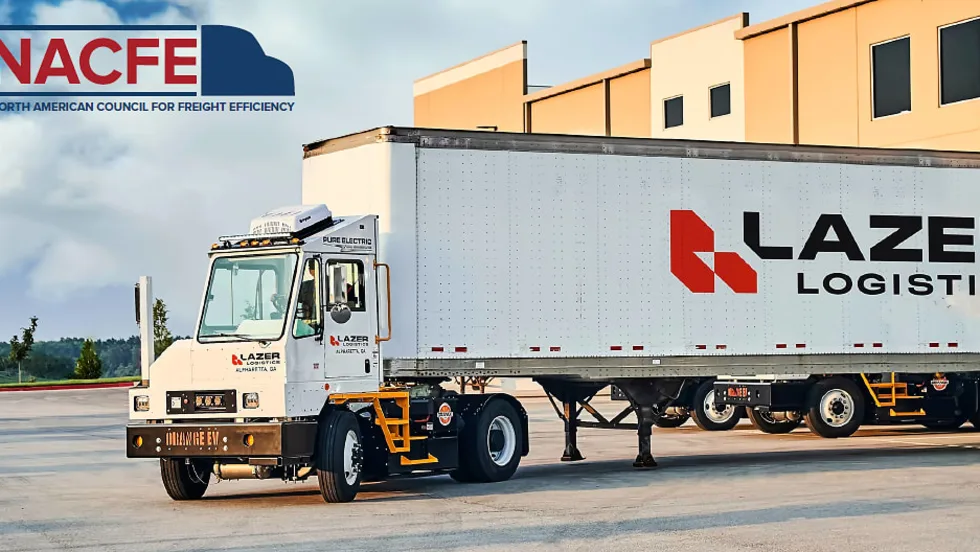
Electric Yard Tractors Move Beyond Pilots
Operating-cost savings have overtaken sustainability goals as the leading reason surveyed fleets are adopting battery-electric terminal tractors, according to new NACFE research.
Read More →
Geotab Links Fleet Card to Vehicle Data
The new card combines fuel discounts with telematics-based purchase controls. Geotab’s analysis also points to potential savings from choosing lower-priced fuel stops.
Read More →
Fleet Economics Shape Electric Truck Outlook
ACT Research expects costs, charging infrastructure, and technology improvements to drive zero-emission commercial vehicle adoption as federal regulations and incentives retreat.
Read More →
Wex Adds Cardless Fuel Payments for Over-the-Road Customers
A new fuel card feature for Wex customers offers convenience and security.
Read More →
New California Law Could Shed Light on Electric Truck Prices
Why do battery-electric Class 8 trucks remain so expensive? A California bill signed by Gov. Gavin Newsom would give fleets and state agencies more visibility into what manufacturers charge.
Read More →
How Volvo Updated Its D13 for EPA 2027 [Watch]
Volvo’s updated D13 promises lower emissions without sacrificing performance or fuel economy. Take a closer look at what changed inside the engine in this HDT Spotlight video.
Read More →