




Reaching A New Demographic
The times, they are a-changin', Bob Dylan sang that back in the tumultuous 1960s, and it still holds true today.
Trucking company recruiters have always had to use sweet talk and persuasion to corral new driver hires, but we hear it's getting ever tougher. "Kids" these days, it's said, are arguably spoiled, self-centered and maddeningly demanding, and they don't have the same interests that the older folks do. And it's these youngsters who will be the ones filling the seats left vacant by soon-to-retire veterans of the baby boomer generation.
Not only must we entice the younger generation, but also reach into a larger pool of potential drivers. More and more Hispanics are now on the road, and young ones among them can be excellent candidates. Women, too, have long been part of the truck-driving world, but always in small numbers and usually as half of a husband-wife team. That's slowly changing as more and more solo ladies climb into the cab. Why not recruit them when they're young?
So the stereotypical little lady must be able to sit comfortably, grip the wheel confidently and still reach the pedals. Hispanics, too, are statistically shorter than white males on average. Remotely adjustable mirrors and multi-adjustable seats are now a given, and so are tilt/telescoping steering wheels and columns in many trucks. Electrically adjustable pedals are available on a few models, and with these, drivers of almost any size can get their hands and feet on everything needed to operate a big rig.
Operating means gear shifting – a major obstacle to recruiting many types of people. A generation ago, a transmission manufacturer pictured young people supposedly ignorant of manual transmissions as "your next drivers." That's still the case, and learning to double-clutch a non-synchronized transmission is daunting to many. Full automatics are standard on many medium-duty trucks now, and automated mechanical transmissions are gaining acceptance among fleet executives facing the recruiting reality. Some are also finding that AMTs cut accident rates, and can more than pay for themselves.
Aside from mechanical specs, how do you otherwise attract younger drivers? Well, by pondering what they gravitate to – video games, for instance. Those can't be played as big rigs roll down the road – we hope! – but tech-savvy young folks might appreciate a navigation system using a big color screen. Key in an address and the system talks 'em right to the pickup or delivery place. What could be more cool?
Satellite communications, of course, isn't new or flashy, but make sure potential recruits understand the benefits. Will they get loads more quickly and therefore make more money? Does the system include e-mail capability so drivers can be in touch with company dispatchers as well as family and friends?
Got remote diagnostics and troubleshooting? These can help keep the truck running and avoid downtime, in dealer lounges or along some lonely road in the middle of the night. Tell prospective drivers about it.
Are numbers from engine operations and a driver's performance displayable on a screen in the dash? That info's kind of interesting, and it helps drivers keep track of what their fuel economy incentive pay might be (you do have an incentive program, don't you?).
Can the sleeper be equipped with TV and stereo stuff (it can unless you're running antique trucks) and how about high-definition TV? Is there a pull-out desk where the laptop can be plopped and plugged into a high-speed internet hookup? Drivers will like that, and maybe even expect it. Does the radio play MP3 discs as well as CDs? Does it have a connector for an iPod? Does the sleeper have a refrigerator, microwave oven and a 110-volt outlet for other kitchen or personal care appliances? These make road life livable and even pleasant, and help drivers prepare their own meals and save money on food.
Can the truck's electrical system stand up to high loads implied by such accessories? "Shore power" wiring is the least that should be considered, and is an inexpensive option from a number of truck builders. This assumes the overnighting tractor will be parked where it can be plugged into an outlet, which a small but growing number of truckstops now provide. Often a part of shore power setups is an inverter that can charge batteries and help supply electricity to the sleeper. In fact, a good, commercial quality inverter wired to a sufficiently large complement of batteries is a viable alternative, because it can supply power anywhere. But the inverter must be properly hard-wired to the batteries and interior wiring expertly installed.
Perhaps what you and your drivers need is an auxiliary power unit. This usually means one with a small diesel that can run an alternator and an air-conditioning compressor, but straight electric APUs are now on the market, too. The electric types come with their own deep-cycle, long-lasting batteries, so you can downsize the number needed for the chassis. These are touted as a means to limit idling of the main engine, but hard-nose financial folks usually conclude that APUs cannot justify their purchase and operating costs on the basis of saved fuel alone. However, factor in driver recruiting and retention, and they make a better business case.
An alternative to APUs is automatic stop-start controls for the tractor's engine, because these can keep batteries charged for the house-type work as well as for cranking over the engine. And for cold-climate operations, a sleeper heater that burns diesel fuel can keep drivers warm and snug while consuming only a small number of amperes to run an integral fan. Sleeper coolers that need no engine or motor are likewise available and promise to maintain comfortable temps in hot weather.
But Dylan was right: Things are changing and the future is here for technologically advanced equipment. The more stuff you have or are willing to buy, the better your chances of recruiting and keeping a new generation of drivers.
More Fleet Management
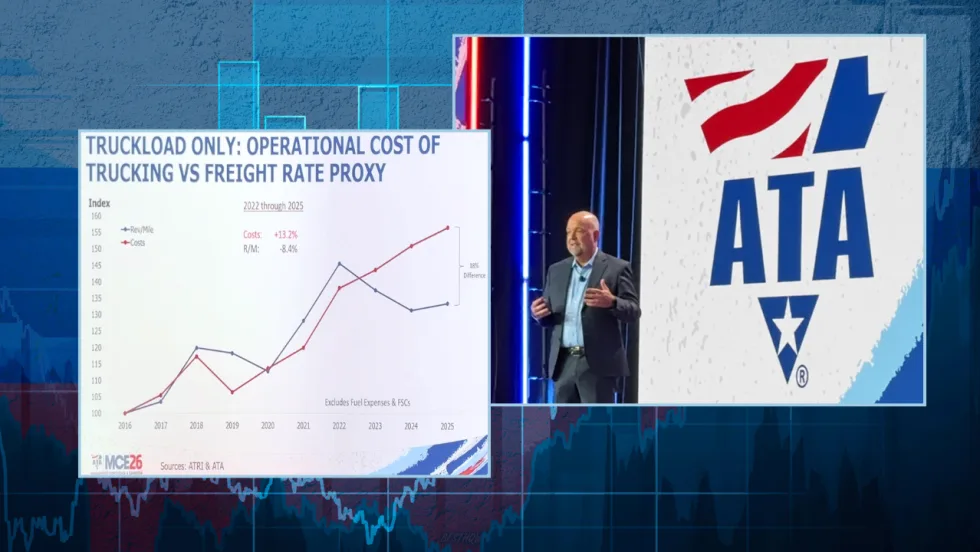
Why This Trucking Recovery Is Different
Freight demand remains sluggish, but rising costs and tougher enforcement have taken enough capacity out of the market to change the outlook for motor carriers.
Read More →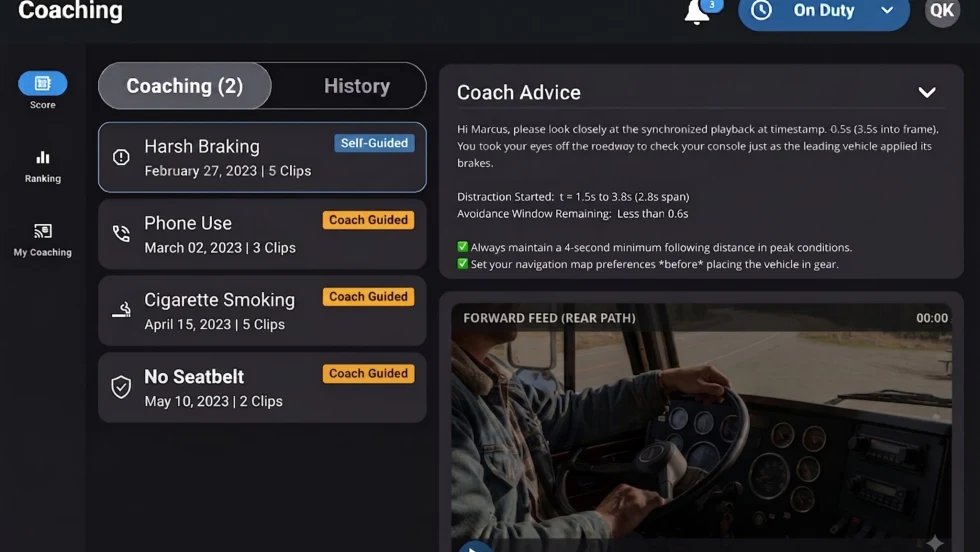
Platform Science Adds Dispatch and Safety Tools
Four additions to PS Fleet help fleets monitor loads, manage driver coaching, share truck locations and adjust video system settings.
Read More →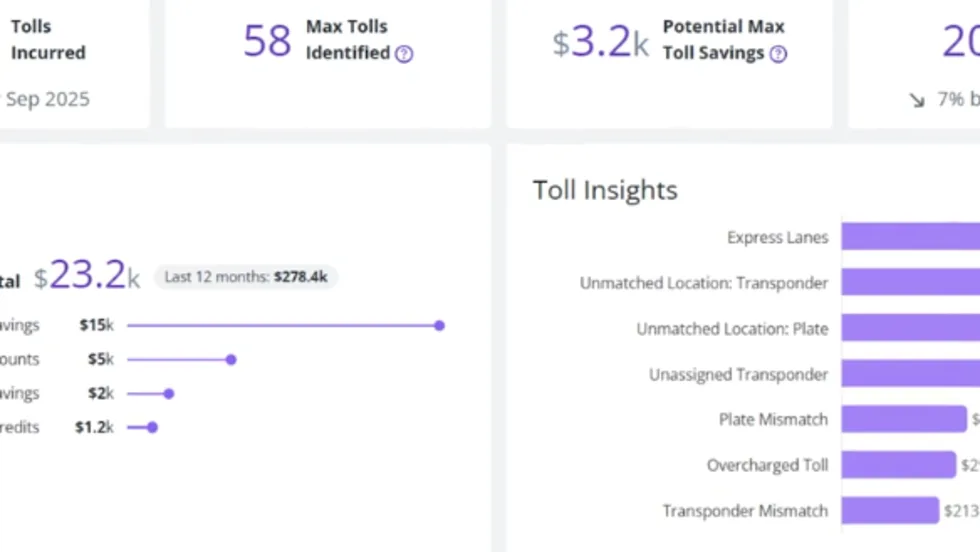
PrePass Intelligence Mines Fleet Bypass, Toll and Safety Data
PrePass Intelligence helps fleets measure bypass savings, flag potential toll overcharges, and spot suspicious transactions by combining data from separate systems.
Read More →
Motive Adds AI Agents for Fleet Operations
New tools automate follow-up on fleet data, from maintenance work orders to driver alerts, with two-way voice conversations planned for later this year.
Read More →
Can You Beat Our Trucking Trivia Challenge?
Test your truck knowledge with 19 trivia questions from Heavy Duty Trucking Exchange. Can you keep up with the fleet pros?
Read More →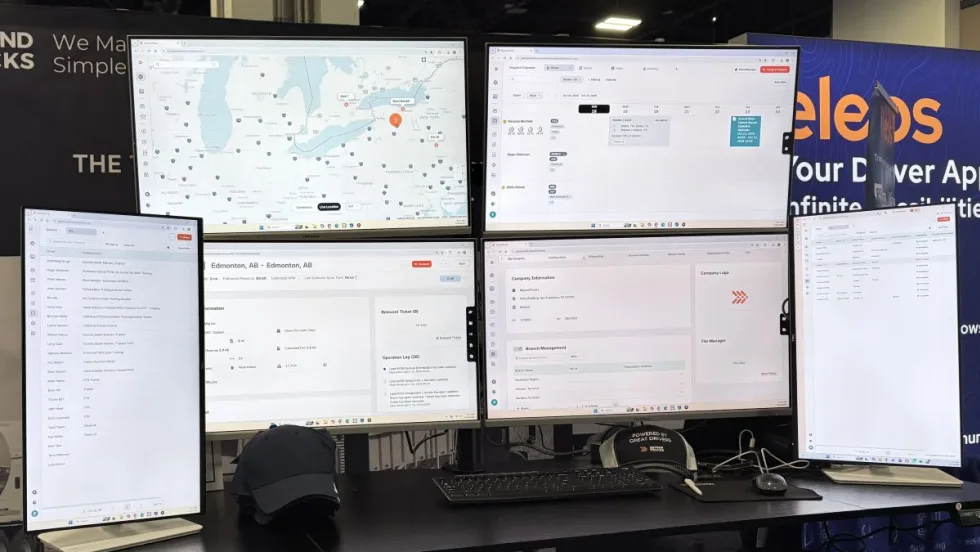
BeyondTrucks Adds Rules Checks to Dispatch
New Compatibility Engine checks driver qualifications, equipment requirements and fleet policies before loads are dispatched.
Read More →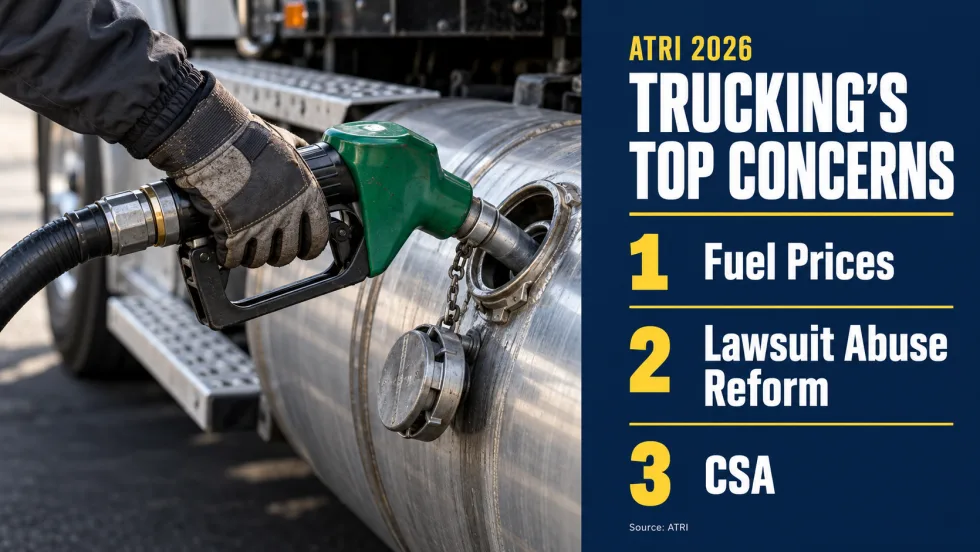
Diesel Prices Hijack Trucking’s Worry List
ATRI’s annual survey finds cautious optimism about freight, but diesel costs, litigation, and insurance continue to squeeze fleets. Drivers have different priorities on several issues.
Read More →
Nomination Deadline Extended for HDT Emerging Leaders
Just a few more days to nominate accomplished trucking fleet professionals under 40 who are making an impact and helping lead the industry forward for the HDT Emerging Leaders award. Deadline extended to October 20!
Read More →
What Will ATA’s New Leader Bring to Trucking's Table?
Incoming President and CEO Mark Colson’s record in Alabama offers clues about his priorities and approach following Chris Spear’s abrupt departure as the head of the American Trucking Associations.
Read More →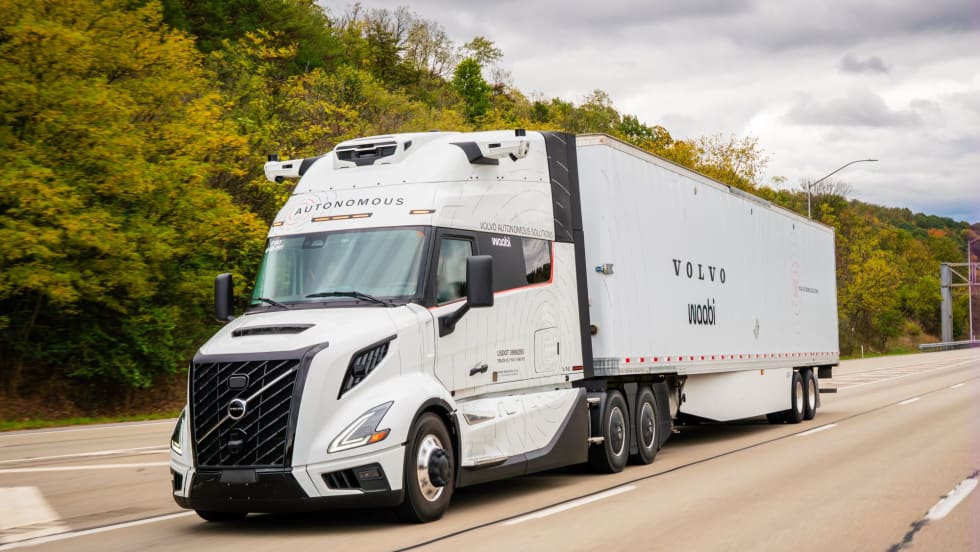
Volvo, Waabi Start Commercial Autonomous Operations in Texas
Volvo VNL Autonomous trucks, powered by the Waabi Driver, are hauling freight directly to third-party facilities for a customer in Texas.
Read More →