




Q&A: Isuzu’s Shaun Skinner
Shaun Skinner was recently appointed president of Isuzu Commercial Truck of America. He succeeds Hisao Sasaki, who has returned to Japan. Mike Antich, Editor of HDT sister publication Work Truck, interviewed Skinner at the company’s U.S. headquarters.
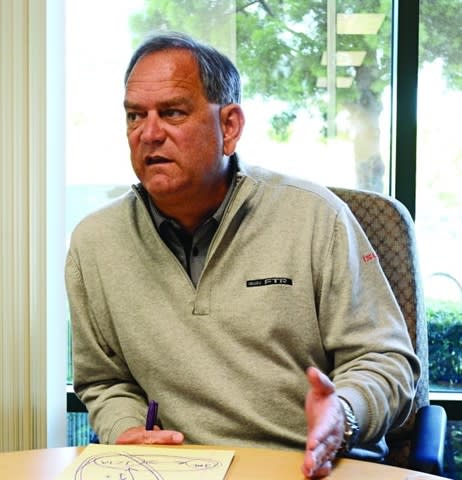
Isuzu's Shaun Skinner Photo: Chris Wolski
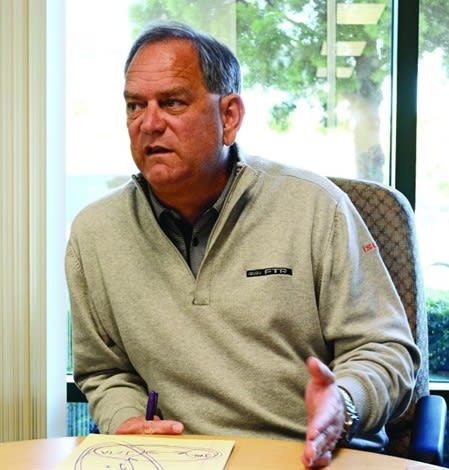
Isuzu's Shaun Skinner Photo: Chris Wolski
Shaun Skinner was recently appointed president of Isuzu Commercial Truck of America, Inc., (ICTA); he succeeds Hisao Sasaki, who has returned to Japan. A 29-year Isuzu veteran, Skinner joined American Isuzu Motors in June 1987 and moved to ICTA in 2002. He was named ICTA’s executive vice president and general manager in January 2008. Skinner also serves as president of Isuzu Commercial Truck of Canada. Mike Antich, Editor of HDT sister publication Work Truck, interviewed Skinner at the company’s U.S. headquarters.
Q: Are you the very first American president of Isuzu Commercial Truck of America?
A: Yes, that is correct. Historically, the president of the distributor has always been Japanese. This is the first time an American was named President of Isuzu Truck of America.
Q: Will your role change with the new title?
A: It is evolving, but it will change. This is less about me, and more about a change in direction for our company, to get closer to the marketplace. There are three core areas we deal with as an organization. First, we have our customers and dealers. Our dealers are the closest point of contact to our customers. There are about 300 ICTA dealers. Second, we have the ICTA organization. Third, we have our parent company, which is Isuzu Motors Limited (IML), the majority stakeholder in Isuzu Commercial Truck of America. IML develops the products we sell in this marketplace.
Typically, the ICTA president’s role has focused on the relationship with our parent company. The president delegated to the staff much of the responsibility to build the relationships between ICTA and its customers and dealers.
With advances in technologies, new government regulations, and the complexities of our vehicles, ICTA will need to move closer to our dealers and, by virtue of that, closer to our customers. The closer we get to our dealers and customers, the better feedback we can give to IML, our parent company, on the product needed for this market. As a result, ICTA will become more market-driven.
Q:How will you bring Isuzu Commercial Truck of America closer to your dealers and customers? What will you do differently than what you are currently doing today?
A: That’s a really good question, but it’s too early in the process to offer a definitive answer. There are a number of things behind the scenes we’re doing based on feedback from dealers and customers.
We are talking to our customers to better determine their product needs. Let me give you an example of how we’re heading in that direction: The 2018 FTR, is our all-new entry in the Class 6 medium-duty truck segment and it will go into production in the U.S. in the middle of 2017. A lot of the design work on the FTR was done at the Isuzu Technical Center of America in Plymouth, Mich. Many of the components used in the FTR are sourced in the U.S. and the final point of assembly will also be in the U.S. at Spartan Motors in Charlotte, Mich. This is the same plant where the gasoline-powered NPR and NPR-HD trucks are assembled. The cab is Japanese built and will come in the form of knock-down kits. A lot of the things about the truck are unique to this market.
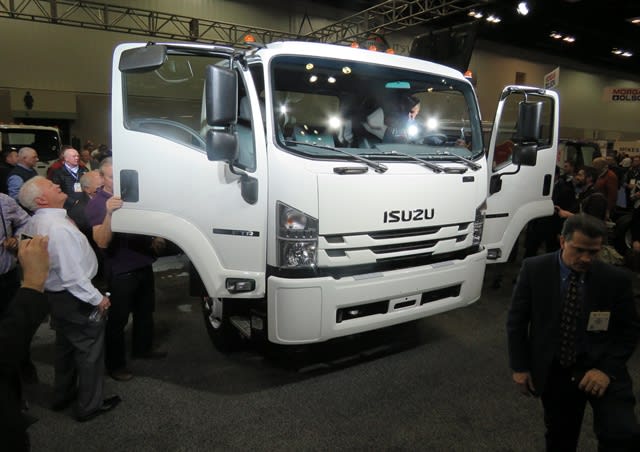
The 2018 FTR, Isuzu's all-new Class 6, being unveiled at the NTEA Work Truck Show in March.Photo: David Cullen
Q: How do you see the U.S. market changing in the future?
A: The population in the U.S. is growing, and isn’t going to be moving to the suburbs as it did historically. They’re going to be moving back to metropolitan areas, with populations of a million people or more. You are already seeing this renaissance taking place in cities such as Philadelphia.
Our belief is we’re going to need larger delivery trucks for urban environments. The FTR truck was a by-product of where we believe U.S. markets are going based on listening to our customers and studying the market.
Q: How else do you see your customers' product needs changing?
A: Again, another good question, but a little more difficult because there are subtleties. When the price of gasoline was high, and a barrel of oil was more than $100, I would have certainly thought we would see more growth in alternative fuels.
But, to our surprise, the price of a barrel of oil dramatically dropped. The price of a gallon of gasoline went way down, and some of the developments we expected to see in alternative fuels were diminished. So, sometimes, your best logic ends up being temporarily delayed or your path is slightly corrected because of something you didn’t foresee happening. I believe there’s going to be changes that are going to occur. But, I don’t want to tip our hand too much as to things we’re looking at by identifying all of those changes.
Instead, I’m going to flip your question around and say the single biggest challenge we face is going to be regulatory issues; in particular, complying with greenhouse gas (GHG) emissions standards.
Safety and emissions are going to play a huge role in the actions we take to ensure we come to market with products that not only meet what the marketplace needs, but exceeds them.
I envision we’re going to see more, smaller displacement engines. The car industry is a bellwether for us, since they typically adapt to technologies pretty quickly. We have to go to smaller displacement engines from an emissions standpoint and the car industry has already moved very quickly in that direction.
This trend is emerging because customers are demanding a lower cost of ownership and lower initial acquisition cost. In addition to fuel economy, smaller displacement engines are important to meet Phase 1 of the greenhouse gas emission standards and, later, Phase 2 of the greenhouse gas emission standards we’re going to be dealing with in the 2020-2021 time frame.
We’re going to have to find ways to make sure we get more performance out of smaller engines. The market will require it in more than one way. It will require it from customers needing a lower cost of ownership, but also to comply with government regulations requiring lower emissions. Again, I look to the car market because smaller engine sizes, which, in the past, were deemed unacceptable, are now commonplace.
The upcoming 2018 Isuzu FTR is a Class 6 equipped with a four-cylinder engine. Freightliner also announced they’re coming out with a four cylinder. This is where the future of the marketplace is going.
Q: Smaller displacement engines run hotter; will you use synthetic oils?
A: With today’s metallurgy and current powertrain design, we are able to dissipate a lot of heat. The interesting thing is that with today’s emission systems heat is not always our enemy. Heat, in many cases with SCR systems, is our friend. If you see our most recent packaging of the SCR system on our 2016 and 2017 model-year N-Series trucks where it used to be open, they’ve now installed paneling around it to hold that heat in because it helps with the efficiencies. From an engine cooling standpoint, the motor oil requirements in our engines have not yet moved to synthetics at this point.
Q: Do you see yourself introducing higher-GVW trucks in the U.S. marketplace?
A: Beyond the FTR, I would say that right now there are no concrete plans for it, but that’s something that we’re always looking at.
Q: Would you like to make any concluding observations?
A: I’m optimistic about the market. I know there are challenges, whether you want to look at it from a regulatory perspective or how much longer the economy will continue to grow. We’re always going to have those cycles.
What I’m most excited about is that last year we set an all-time sales record for the Isuzu nameplate. In 2015, Isuzu dealers retailed 20,725 Isuzu-brand trucks to customers — a record in the U.S. and Canadian market.
Our business is good. Our dealers are strong. We’re growing our product lineup. We’ve announced the FTR, so I think we’re making the moves needed to put ourselves in the position for success. There’s a lot of things we’re doing right, from offering new products to constantly looking for ways to fill the gaps in the products we already have.
More Equipment
How GP Transco Builds Fuel Savings a Fraction at a Time
Aerodynamic specs, solar panels, and driver incentives help GP Transco turn small efficiency gains into savings it can reinvest in its people.
Read More →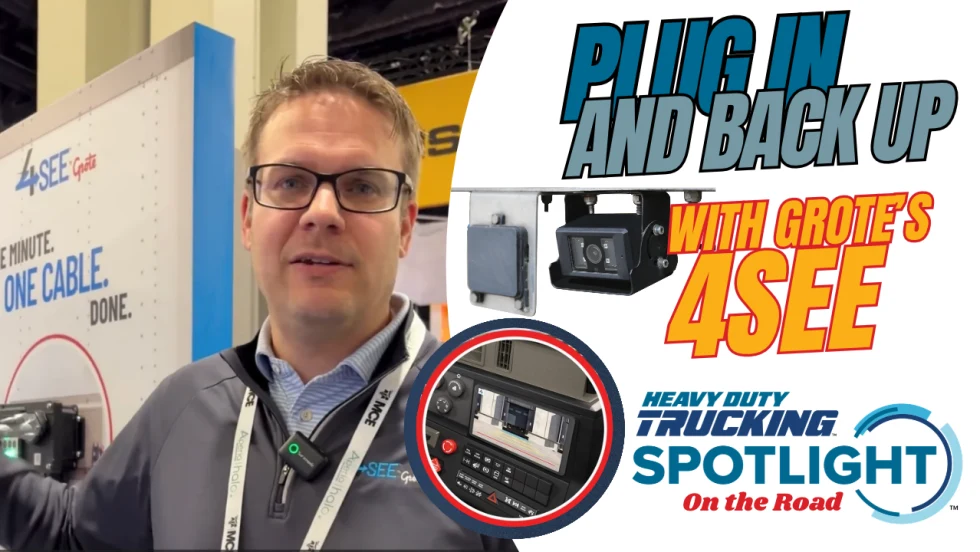
More Trailer Data Through the Same Seven-Way [Video]
Can trucking’s standard seven-way connector handle more cameras and trailer data? Grote’s Adam Slade shows HDT how the company is using new technology with its 4See trailer system, not only to add a new backup camera but also to expand other capabilities — without adding another connection.
Read More →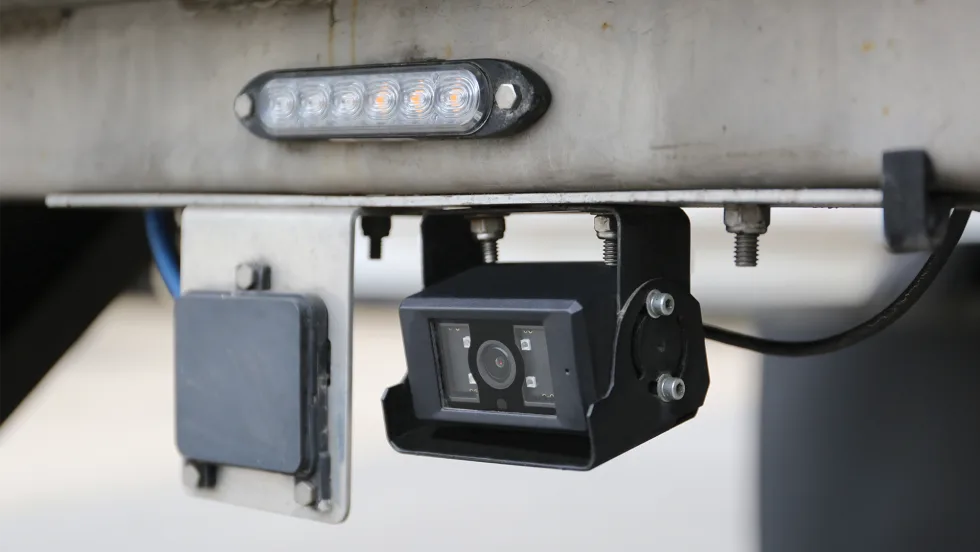
Grote: More Cameras, Same Seven-Way Connector
The next-generation 4See rear-view backup camera from Grote uses the standard seven-way connector and supports additional cameras and other trailer data.
Read More →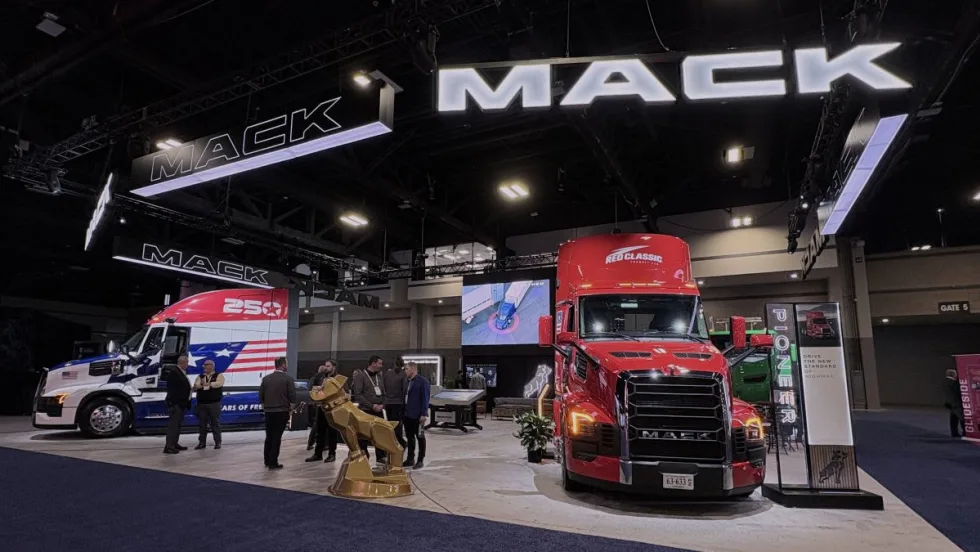
Trucks at ATA's 2026 MC&E in Charlotte, North Carolina [Photos]
From rigs decked out in patriotic America's 250 paint schemes to autonomous trucks and more, check out these photos from ATA's 2026 Management Conference & Exhibition.
Read More →
Help HDT Find Trucking’s Top Products
Have you come across a new product that could make a difference for trucking fleets? Nominate it for HDT’s 2027 Top 20 Products Awards by November 9.
Read More →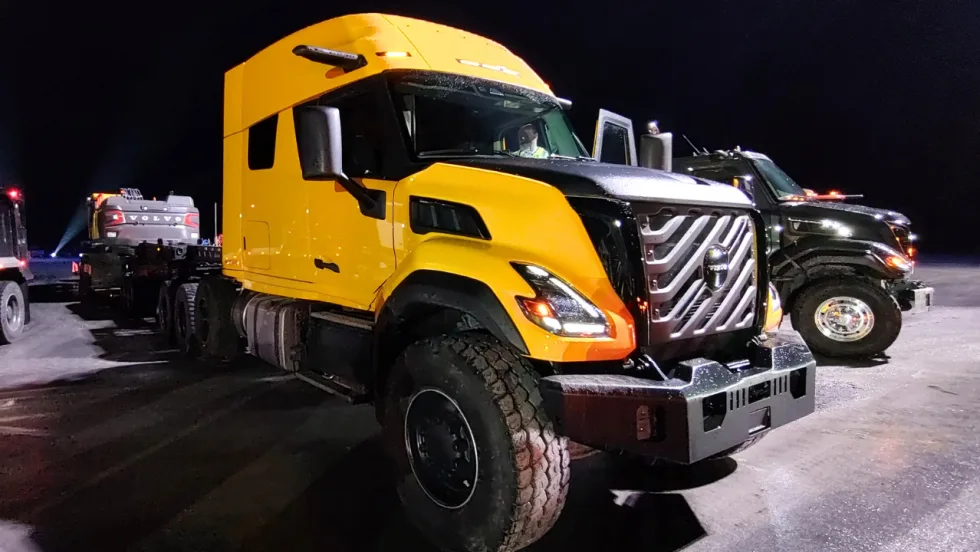
Volvo Unveils New VNX Heavy-Haul and Vocational Truck
Volvo Trucks has launched the VNX, a new vocational truck also available as a tractor in day cab and two sleeper configurations, with one heavy-haul model. The Volvo VNX is powered by Volvo's D13 platform, which delivers up to 540 horsepower and 1,950 pound-feet of torque and is EPA 2027-compliant.
Read More →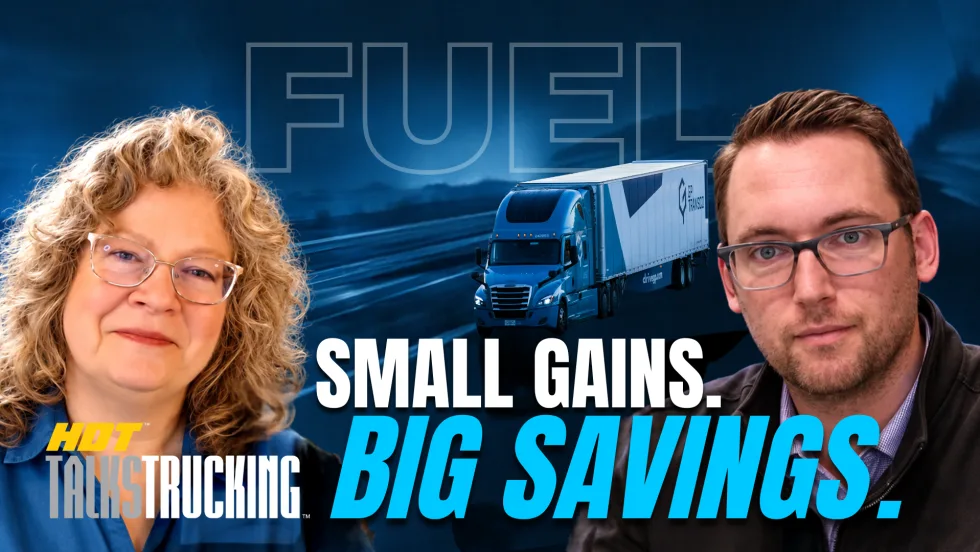
How GP Transco Cuts Trucking Fuel Costs, a Tenth of a Gallon at a Time
What’s another tenth of a mile per gallon worth? GP Transco shares how equipment upgrades and driver coaching turn small gains into meaningful fuel savings.
Read More →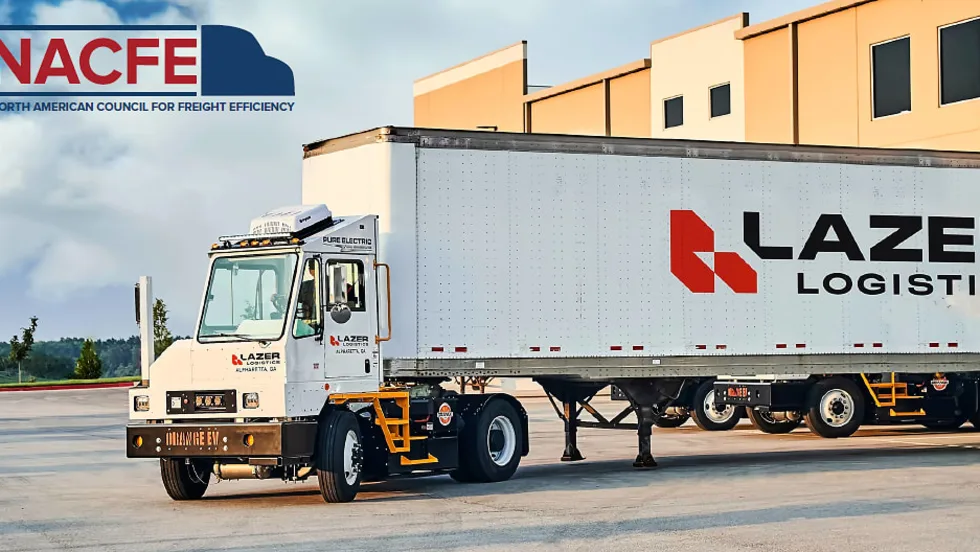
Electric Yard Tractors Move Beyond Pilots
Operating-cost savings have overtaken sustainability goals as the leading reason surveyed fleets are adopting battery-electric terminal tractors, according to new NACFE research.
Read More →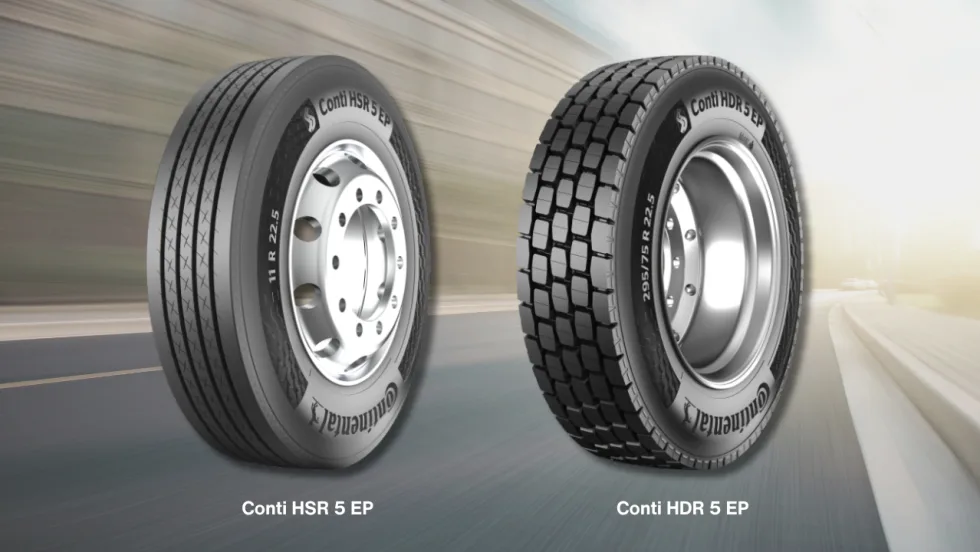
Continental Introduces New Regional Truck Tires
Continental says its new Generation 5 steer and drive tires for regional operations offer longer tread life, with estimated mileage gains of 22% and 19%, respectively.
Read More →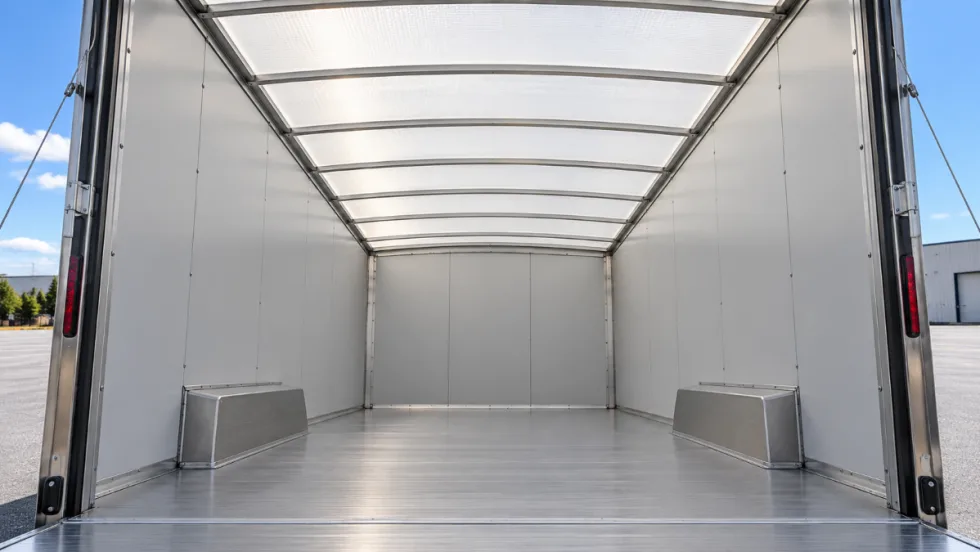
Tekmodo Introduces CargoBright Brand for Translucent Trailer Roofs
CargoBright is designed to diffuse daylight across the cargo area while performing as a working vehicle roof.
Read More →