




Q&A: Forrest Lucas on Starting and Building Lucas Oil Products
In this Q&A we sit down with Forrest Lucas, founder of Lucas Oil Products and talk about his early life, building a company and the lessons he has learned in the past 27 years in the lubricants industry.

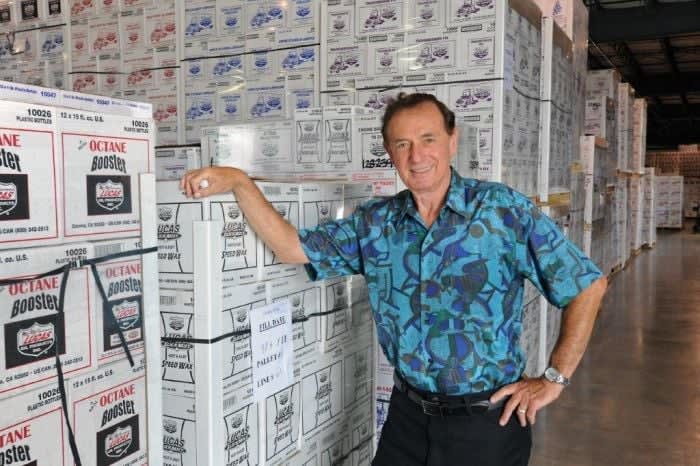
Forrest Lucas at the bottling conveyer belts in Lucas Oil's second plant in Corydon, Indiana. Photo: Lucas Oil
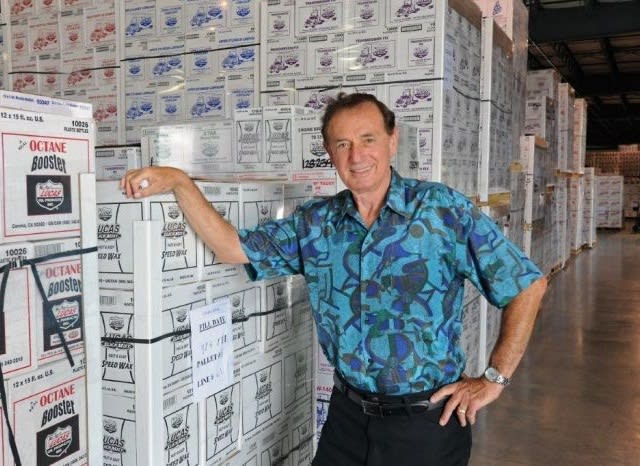
Forrest Lucas at the bottling conveyer belts in Lucas Oil's second plant in Corydon, Indiana. Photo: Lucas Oil
In this Q&A we sit down with Forrest Lucas, founder of Lucas Oil Products and talk about his early life, building a company and the lessons he has learned in the past 27 years in the lubricants industry.
HDT: So could you talk about your childhood a little bit and how that kind of was the stepping stone to later in life?
Lucas: I always wanted to travel. So I started working when I was 12 or 13 years old and started hitch-hiking around the same time. Every once in a while, I’d get a ride in a truck. The idea of travelling around the country fascinated me. I wanted to be able to do that.
When I got older, I worked in a factory at night and did construction during the day, or whatever else I could find. I did the best I could to save up enough money to buy a semi -truck. I had a wife and kids, and there was no safety net. I had to be successful. I couldn’t fail.
I eventually saved up enough to buy a truck, and got the job at Mayflower Movers. I was putting in a lot of hours, working hard, and got home an average of a day or two every five weeks, There was a hell of an education to be had just seeing the country at that time, you know? It was different everywhere. Still two-lane roads. Television was still black and white.
It was a lot of fun and a great way to start. I was driving and sleeping in a little Chevrolet cab with no sleeper on it. It gave me the willpower to do what I do and I have continued that all my life. I finally accumulated a small fleet of 13 or 14 trucks and was also brokering freight on the side.
HDT: From there you began growing your business and your fleet. What made you stand out among the other transporters?
When freight was deregulated [in 1980] I was in the perfect position to take advantage of the opportunity. For the first time in the USA, it was wide open for anybody to go out and qualify for a national license. I was the first guy in the country to get full 48-state authority, to haul anything, anywhere, and I never looked back.
HDT: What was the most important lesson you learned during that time?
One of the best things I got out of that experience was that I got the opportunity to meet a lot of successful people. The one thing I learned from all those guys – the guys who made it to the top – they were always very nice. The guy halfway up might be a big jerk, but the guys who made it all the way to the top were nice. They’d be nice to the family. They’d be nice to the kids, nice to me, nice to everybody. The lesson I took away from that, was that if you want to really succeed, you’ve got to learn to be nice to everybody. It doesn’t cost anything to be nice but it’s so important.
HDT: How has this influenced how you run your company?
I try to run my company like a team. It’s not about levels of authority. We have an open-door policy here. For the most part, everybody just works together. But we have several different arms to Lucas Oil; so it’s not just oil anymore.
HDT: What are some of the things you see different about trucking these days?
One of the biggest issues is the electronic logs. That has been a big, big blow to the trucking industry. They take away the drivers freedom. I don’t want to watch where my drivers are. I want them to have the freedom to go. I want to have the freedom to do what I’m doing. I don’t want somebody watching over my shoulder all the time. For example, what about when you can’t drive that truck down the road because you’re tired and you have to stop? There’s not enough truck stops in the country for that.
HDT: What led you into the oil and additive business?
There were some good additives out there, but mostly everything was junk. I knew I needed better oil – everybody needed better oil. I got to studying everything I could, learning and talking to people that knew something about it. There are very few people who know about oil, very, very few people. I met this one guy, a chemist who knew something about it and in fact, he ended up coming to work for me. In our spare-time we hunted through chemical junk yards taking a little of this and a little of that and began mixing and matching our own lubricant formulas. One day we took a lid off a rusted up barrel of chemical stuff that had been dumped and forgotten. I knew enough about it to know that this would have to be the absolute heart of the oil. I said, “Oh, my God. This is what I’ve been looking for.” I took it, and I started making formulas with it. I was able to make stuff that stopped the from oil burning.
HDT: What lessons have you learned from Lucas Oil that have gone into how you run your other businesses?
One of the best things I learned in building Lucas Oil, is that we got this thing off the ground without going into debt. You have to take some chances, but what some people think would be a big chance would not seem to be a big chance to me. So I rarely fail, and I also think I have pretty good common sense. But, if I need somebody that really knows about computers, I got guys back here that know all about computers. but I do know what they’ll do and why I need them. For example, I know a fair amount about the law, but I’ve got two attorneys in here. You need to surround yourself with really good people, and I do.
HDT: What charities are important to you?
We have a lot of charity events. We have a big estate in Indianapolis; it’s a big place. We can have several hundred people there at a time. Last summer, we hosted 68 different events and most of them were for a whole range of charities. While I don’t have a particular charity or initiative, there’s one, “Protect the Harvest,” that I support. It’s about us fighting for the rights of farmers, ranchers, and animal owners.
More Fuel Smarts
Why Small Fuel Savings Matter in Trucking
Can better fuel economy help pay for driver raises? In this podcast, GP Transco explains how small efficiency gains create room to reinvest in its people.
Read More →
How GP Transco Cuts Trucking Fuel Costs, a Tenth of a Gallon at a Time
What’s another tenth of a mile per gallon worth? GP Transco shares how equipment upgrades and driver coaching turn small gains into meaningful fuel savings.
Read More →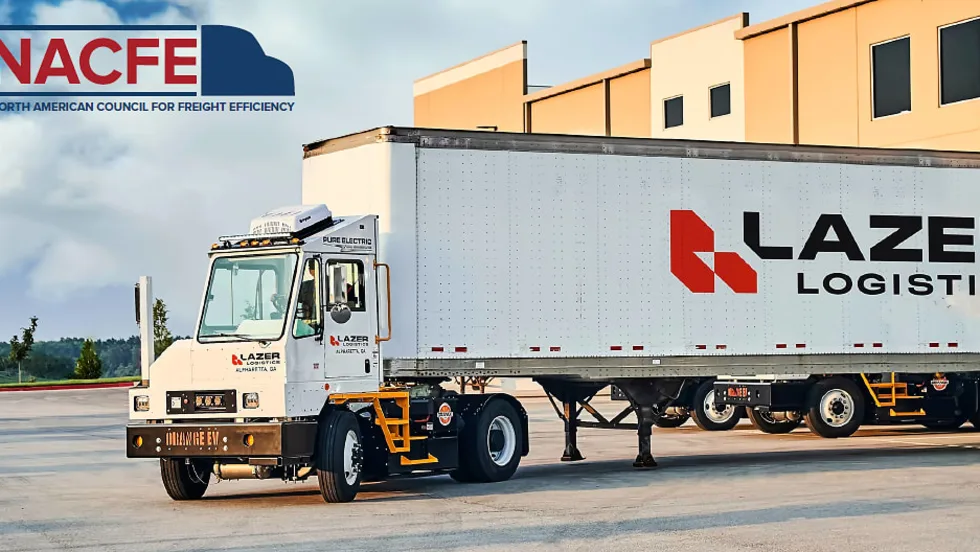
Electric Yard Tractors Move Beyond Pilots
Operating-cost savings have overtaken sustainability goals as the leading reason surveyed fleets are adopting battery-electric terminal tractors, according to new NACFE research.
Read More →
Geotab Links Fleet Card to Vehicle Data
The new card combines fuel discounts with telematics-based purchase controls. Geotab’s analysis also points to potential savings from choosing lower-priced fuel stops.
Read More →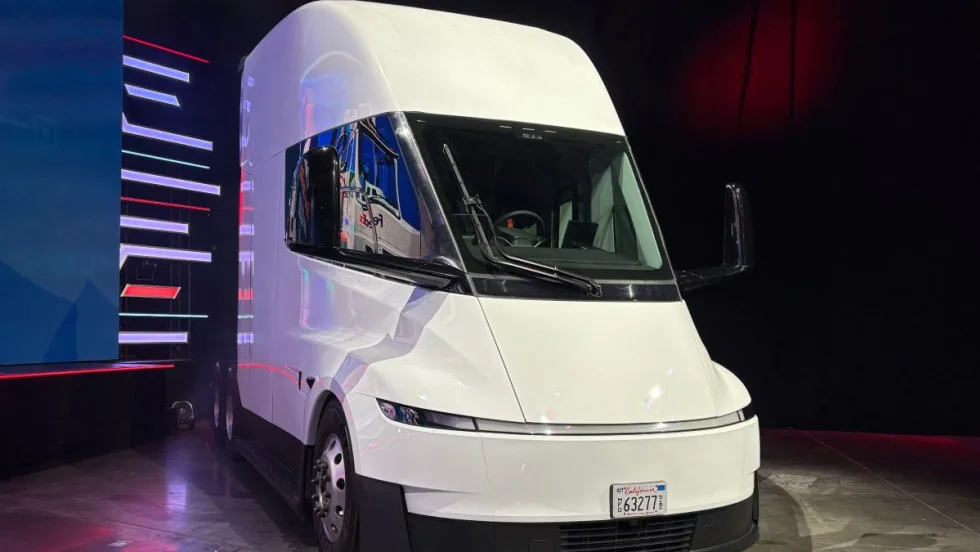
Fleet Economics Shape Electric Truck Outlook
ACT Research expects costs, charging infrastructure, and technology improvements to drive zero-emission commercial vehicle adoption as federal regulations and incentives retreat.
Read More →
Wex Adds Cardless Fuel Payments for Over-the-Road Customers
A new fuel card feature for Wex customers offers convenience and security.
Read More →
New California Law Could Shed Light on Electric Truck Prices
Why do battery-electric Class 8 trucks remain so expensive? A California bill signed by Gov. Gavin Newsom would give fleets and state agencies more visibility into what manufacturers charge.
Read More →
How Volvo Updated Its D13 for EPA 2027 [Watch]
Volvo’s updated D13 promises lower emissions without sacrificing performance or fuel economy. Take a closer look at what changed inside the engine in this HDT Spotlight video.
Read More →
Diesel Price Spike Shortens Payback for Natural Gas Trucks, Report Says
Energy Vision estimates fleets could recover the higher purchase price of an RNG-fueled Class 8 tractor in 1.3 to 2.8 years under current fuel-price scenarios.
Read More →
Calstart Becomes Catalyst Mobility, Reflecting Broader Focus
Calstart is now Catalyst Mobility, reflecting the nonprofit’s growing national role in clean transportation, including zero-emission trucks, infrastructure and incentive programs.
Read More →