




Parts By Number: VMRS Codes
Back in the late '60s, some people in the trucking business got together and decided to come up with a system that used numbers to describe parts and maintenance activitie
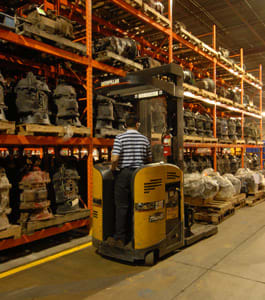
TMC's VMRS codes provide 'universal translator' for parts and maintenance. (Photo by Jim Park)
Back in the late '60s, some people in the trucking business got together and decided to come up with a system that used numbers to describe parts and maintenance activities
- a system that could cut through the mistakes made when using the written word to describe parts and maintenance activities. That system, the Vehicle Maintenance Reporting Standard, or VMRS, was unveiled in 1970 by the Technology and Maintenance Council of the American Trucking Associations. About 10 years ago, an updated version perfect for today's computerized systems was unveiled: VMRS 2000. The system is becoming more widely accepted today, and is spreading beyond the fleets it originally was designed for - including to parts and service providers.
The system was designed to provide a "universal translator for communicating from the shop floor to the people in charge of the money," says Jack Poster, VMRS services manager for TMC.
VMRS is also used to facilitate communications between fleets, OEMs and parts suppliers on warranty claims. And it offers independent parts distributors and service providers opportunities to share a common "language" with their fleet customers.
"Our fleet team encounters requests from their fleet customers all the time about having VMRS labels on product," notes Pat Biermann, president of Heavy Duty America. "We see this as an advantage to sell product."
Universal translator
Part of the problem with parts is that part numbers are so frequently superceded - often each year. VMRS serves as a "universal translator" that can be used to map various part numbers back to the unchanging VMRS component code.
"It's sort of like when Star Trek's Captain Kirk would travel around the universe, he always could speak English to the various alien life forms he encountered," explains Robert Braswell, TMC's technical director. "VMRS translates a cacophony of numbers and descriptions into a standard descriptor for each part covered." For instance, you might call an ABS tone ring a tooth wheel or an exciter ring, he explains. In VMRS, it's always 025-001-176 (Ring - Exciter, Transfer Case).
And it's not just for fleets.
"VMRS helps repair facilities improve maintenance management for their customers or their own fleets by providing a way to extract consistent data from repair orders," says Paul Reynolds, product architect at Karmak, which uses VMRS codes to help track parts in its software for distributors. "It brings order and efficiency to the complicated process of communicating and analyzing activities in the shop."
Linking the VMRS information to repairs performed allows the user to analyze what types of repairs they are performing, what type and manufacturer of unit is being repaired, the parts that were used in the repair, detail of what was performed on the repair, what are repairs costing, what interval are repairs being performed, and a lot of other valuable information, Reynolds notes. "That information can help managers measure technician productivity, control parts inventory, improve the effectiveness of a preventive maintenance program, and make budget decisions."
How it works
VMRS is a series of codes used to describe virtually every facet of the maintenance operation, from parts to manufacturers to technician work to vehicle location. Currently there are 64 main codes in VMRS, but "the heart of the system is Code 33," Poster says, which describes each part using a numerical system. At first, Code 33 was a six-number digit, but was increased to nine numbers with the VMRS 2000 release. Currently, there are more than 25,000 parts listed in Code 33, from antennae on a Loran system to a battery for a cargo sensor.
Code 33 starts out with three numbers describing the system, followed by three numbers that describe the assembly and three that describe the component.
Poster says the easiest example is brakes. Brake systems are 013. The next three numbers refer to the assembly: 001 refers to front brakes, 002 refers to back brakes. The final three numbers are the component; for instance, a brake shoe is 014. So the VMRS number for a front brake shoe would be 013-001-014. There are 101 different parts related to the front brake assembly from a variety of sources. Since most manufacturers use different part numbers systems and may even use different names for the same part, using the VMRS system cuts across brands.
Other key codes used by fleets include Code 1, equipment location, and Code 2, equipment category, to keep track of the vehicles. Code 5 is used to track the power source. Cab type is another code.
Another important one is Code 34, a five-letter alpha code to track brand name and where the parts were bought. This can be used in conjunction with the Code 33 parts description to monitor parts costs. For example, if a fleet gets brake components from Bendix, that can be coded into Code 34. TMC also can work with users to add a unique code describing which parts store a part comes from.
Another code used often by fleets is Code 14, reason for repair. For example, a breakdown would be 01. A routine inspection would be 05. Another code describes the work done; you can record if a part is replaced, repaired or inspected. There are codes for towing, parts fabrication and other functions.
Code 18 includes about 100 different ways for the technician to describe why the part failed, including no failure, battered, hammered, broken, cracked or out of balance parts.
If a shop's technicians are doing work other than repairing vehicles, such as washing vehicles or organizing the parts room, that work can be tracked using Code 36, which records indirect labor.
Results
The end result of using the codes for a maintenance shop, whether it's at a fleet or an independent service provider, is better control of maintenance costs and productivity. You can generate reports on any number of parts, from tiny light bulbs to the largest systems on the vehicle.
A number of shops organize their parts room according to VMRS numbers. As parts are received, they get a bar code label that includes the VMRS code. When technicians need a part, they scan the bar code and the code. Shop managers can pull reports that tell them what part that technician is using, on which vehicle it's being used, why the technician is using the part, what the part cost is, who made it and where it was purchased.
Such a setup "makes it a lot easier on the technicians," Poster says. "When I was a mechanic, I hated to have to spend time writing things down. If you can scan a bar code on the part, you don't have to write anything down."
VMRS is included in most maintenance software packages, in some cases as an optional module.
If a user finds they have some unique parts or equipment that is not included in the VMRS, they or their software vendor can call Poster and ask that codes for those pieces of equipment be included. For instance, Poster says he received a call from the city of Ottawa requesting codes for the articulated joint in their city buses.
"That's another unknown secret within the industry," Poster says. "People don't realize that with a phone call or e-mail to me, it is something that is easily done - updating the codes."
Poster works with a VMRS committee within the TMC to monitor the codes. "I get their opinions on possible new codes," he says. "With the committee feedback and feedback from users, VMRS is a very democratic process."
Growing standard
When VMRS 2000 was rolled out, the system was used mostly by large fleets and manufacturers. That's changing.
"It is being used by more fleets," Poster says, of all sizes. And the types of companies calling about the system are changing. "I'm getting a lot of calls from utility companies and government agencies who want to be able to track their equipment maintenance using the system." Other companies inquiring about VMRS
More Aftermarket

What Three Fleets Are Doing Differently When Buying Truck Parts in 2026
With freight improving but costs still climbing, fleet maintenance executives explain how they're balancing price, quality, and supplier relationships.
Read More →
ConMet Expands Aftermarket Brake Drum Lineup With TruCast
A new heavy-duty truck brake drum option in the aftermarket gives customers more flexibility within the ConMet product family.
Read More →
Phillips Opens High-Tech Distribution Center for Faster Parts Delivery
Phillips Industries’ new Cincinnati-area distribution center is now shipping aftermarket trucking parts nationwide, aiming to speed up delivery times for customers.
Read More →
Volvo to Sponsor America’s Road Team for 2025
Volvo Trucks announced that it is extending its exclusive sponsorship of America’s Road Team for 2025.
Read More →
Webb to Start Taking Orders for UltraSet Pre-Adjusted Wheel Hubs
Webb, which recently acquired the Stemco Trifecta pre-adjusted hub program, will soon start taking orders for its replacement pre-assembled hub, the UltraSet.
Read More →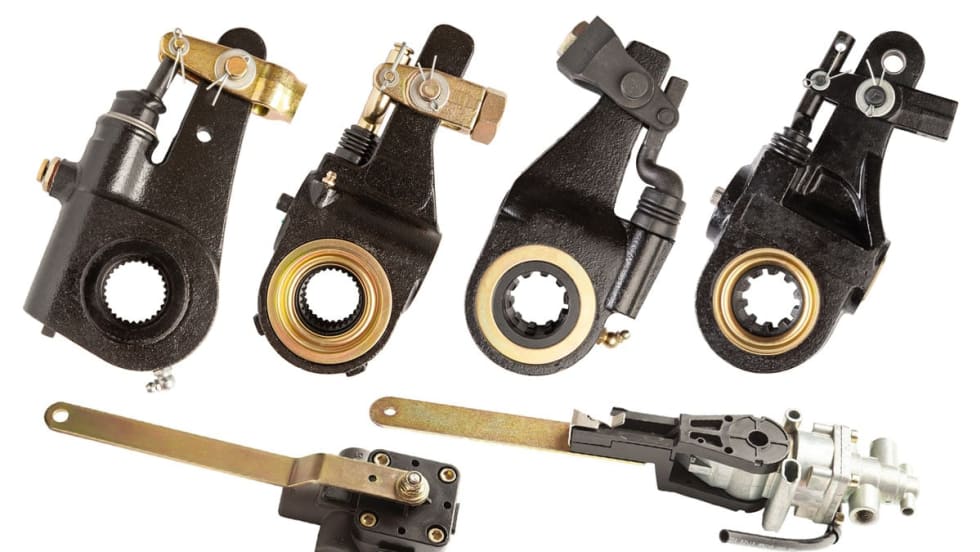
All-Makes Automatic Brake Adjusters, Ride Height Control Valves from Midland
SAF-Holland has added automatic brake adjusters and ride height control valves to its Midland All-Makes Program.
Read More →
ZF Aftermarket Expands [pro]Academy Training
ZF Aftermarket said it is expanding its ZF [pro]Academy training and will be adding 40 new modules this year.
Read More →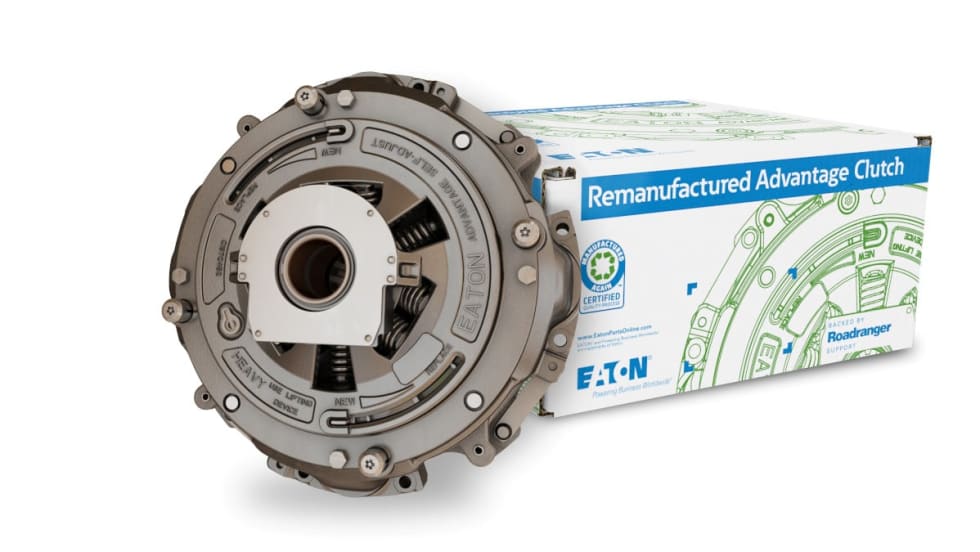
Eaton Adds Remanufactured Advantage Line of Clutches
Eaton has added its Advantage clutches to its remanufactured product line. The clutches feature a unique strap drive intermediate plate designed to allow customers to choose the latest OE specification
Read More →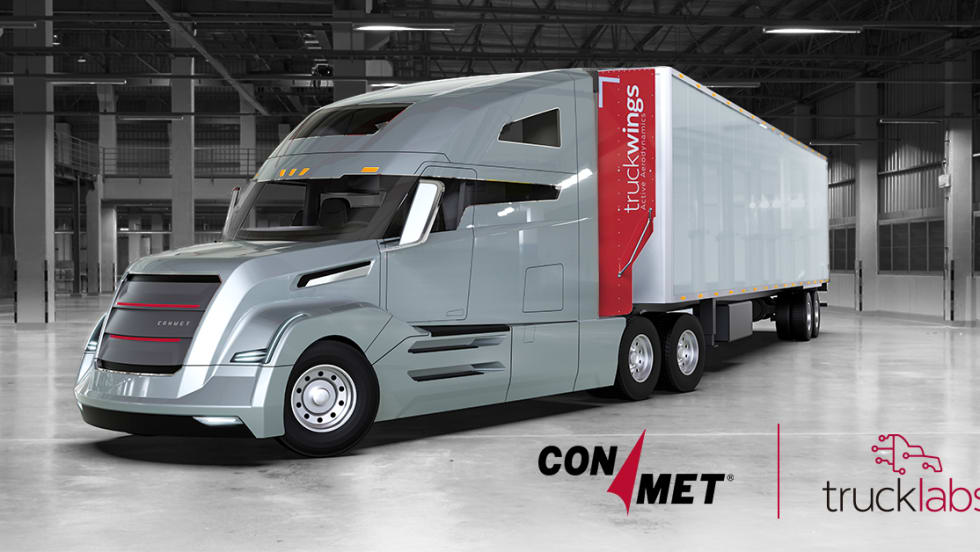
ConMet Acquires TruckLabs, the Creator of TruckWings
Commercial truck and trailer parts provider ConMet acquired TruckLabs, the company that created TruckWings, an aerodynamic device that attaches to truck cabs and deploys to close the gap between truck and trailer. TruckLabs now operates as a subsidiary of ConMet.
Read More →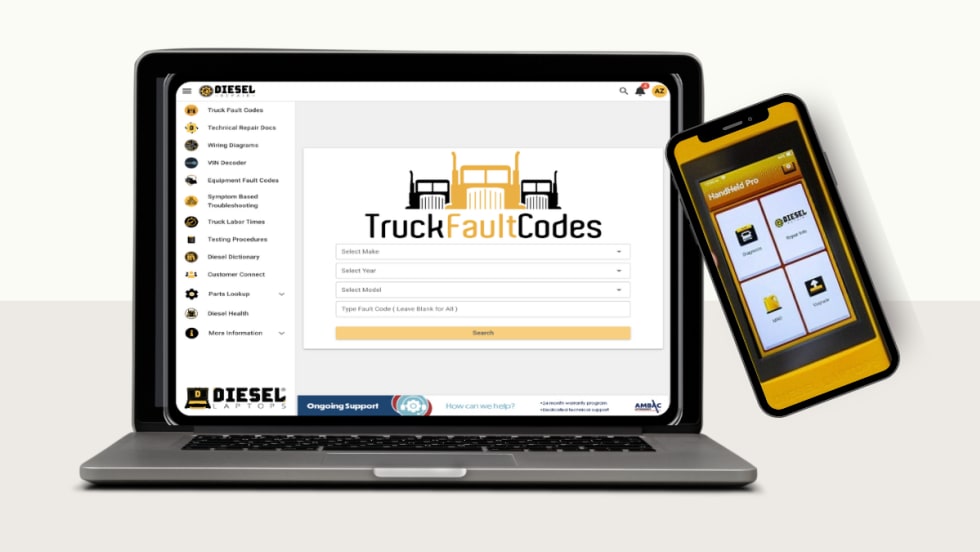
Diesel Laptops Releases Fault-Code-to-Part-Number Tool
Diesel Laptops said its Truck Fault Codes allows users to input a fault code and immediately identify and order the parts needed to complete repair work.
Read More →